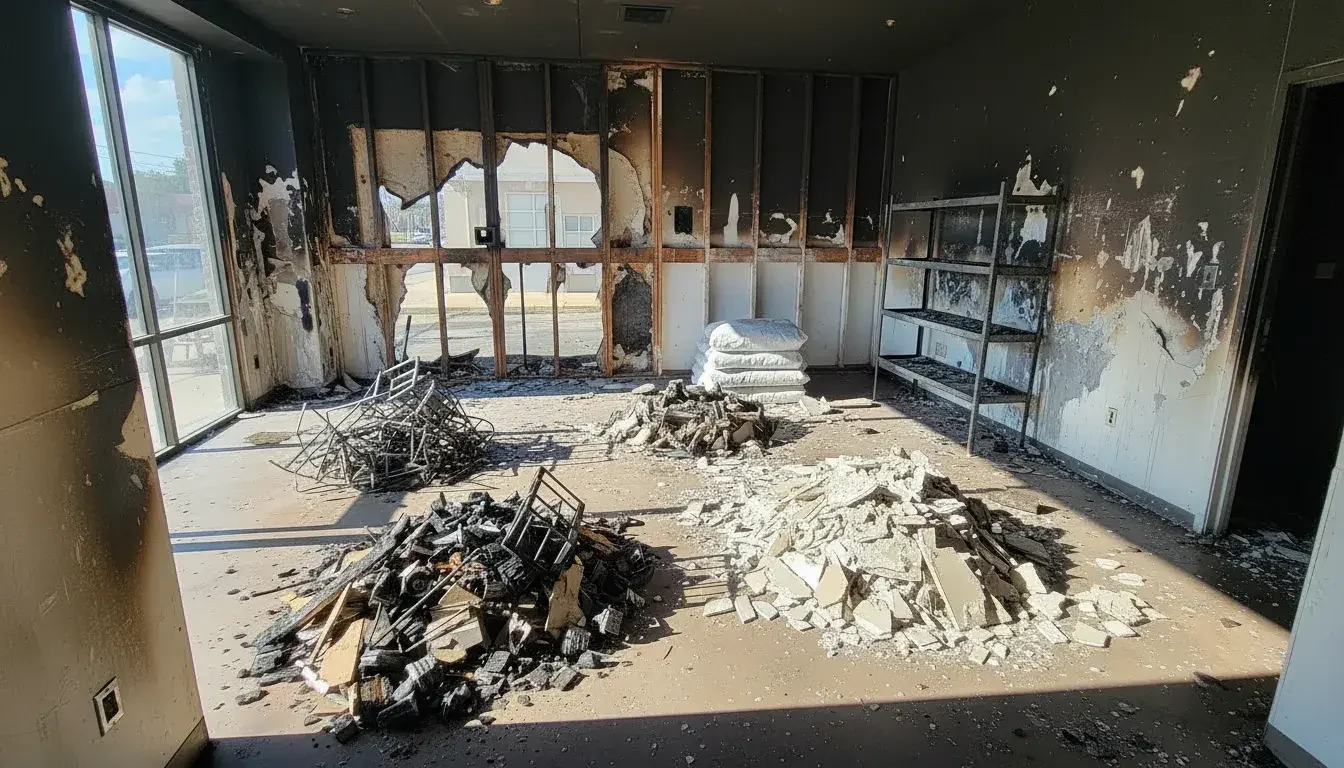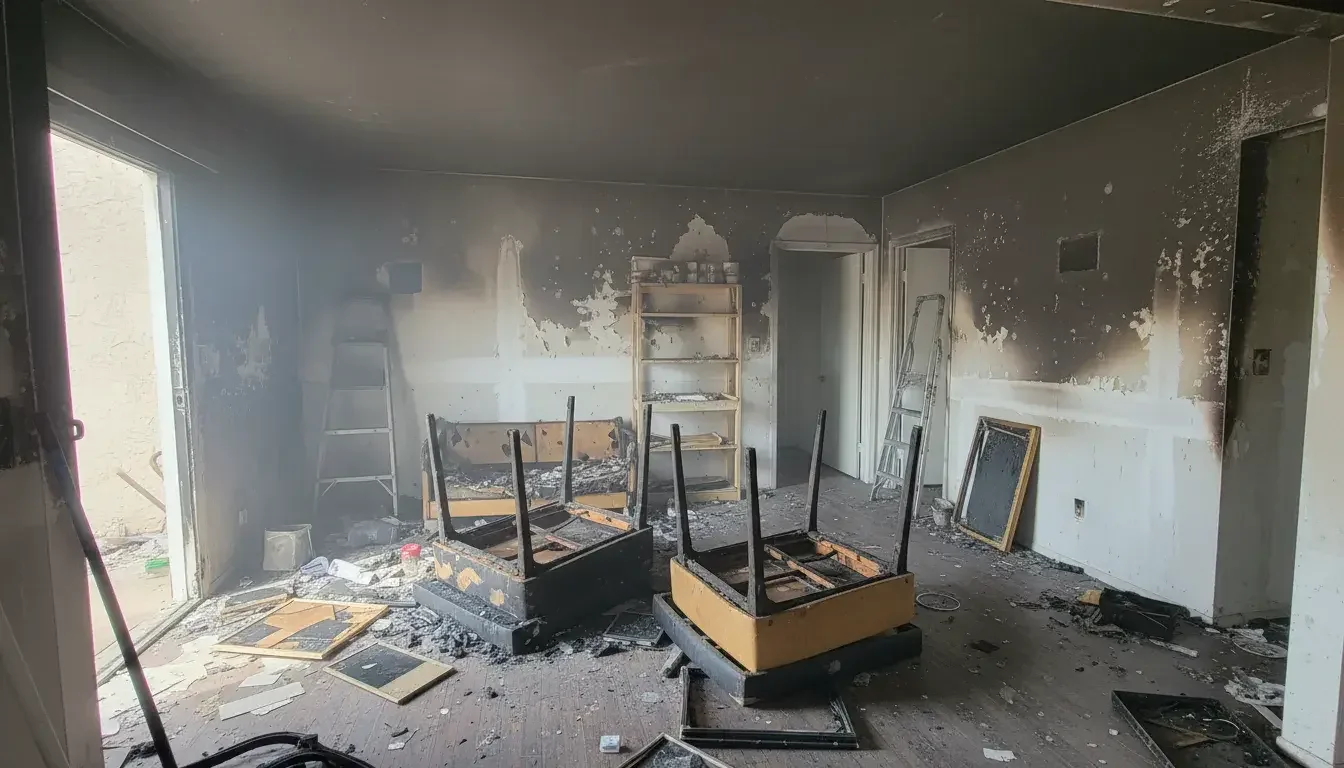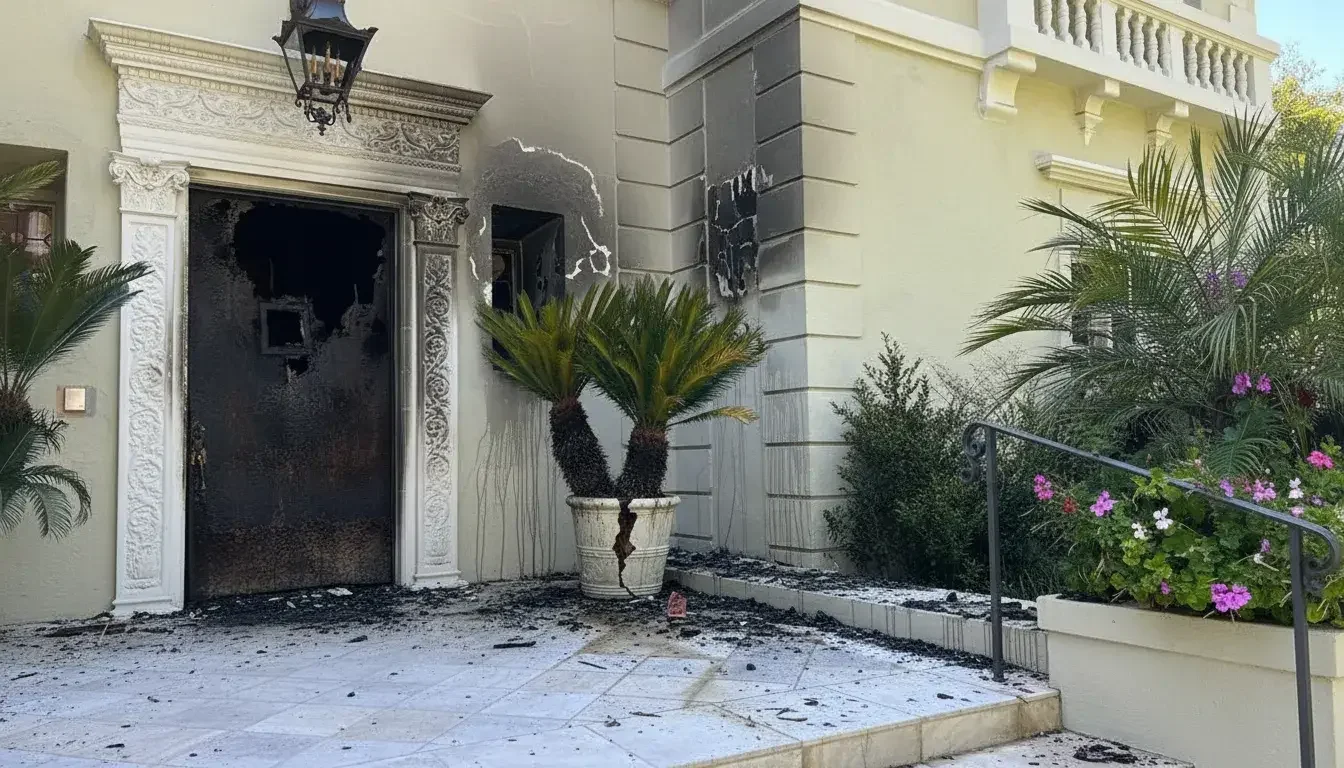
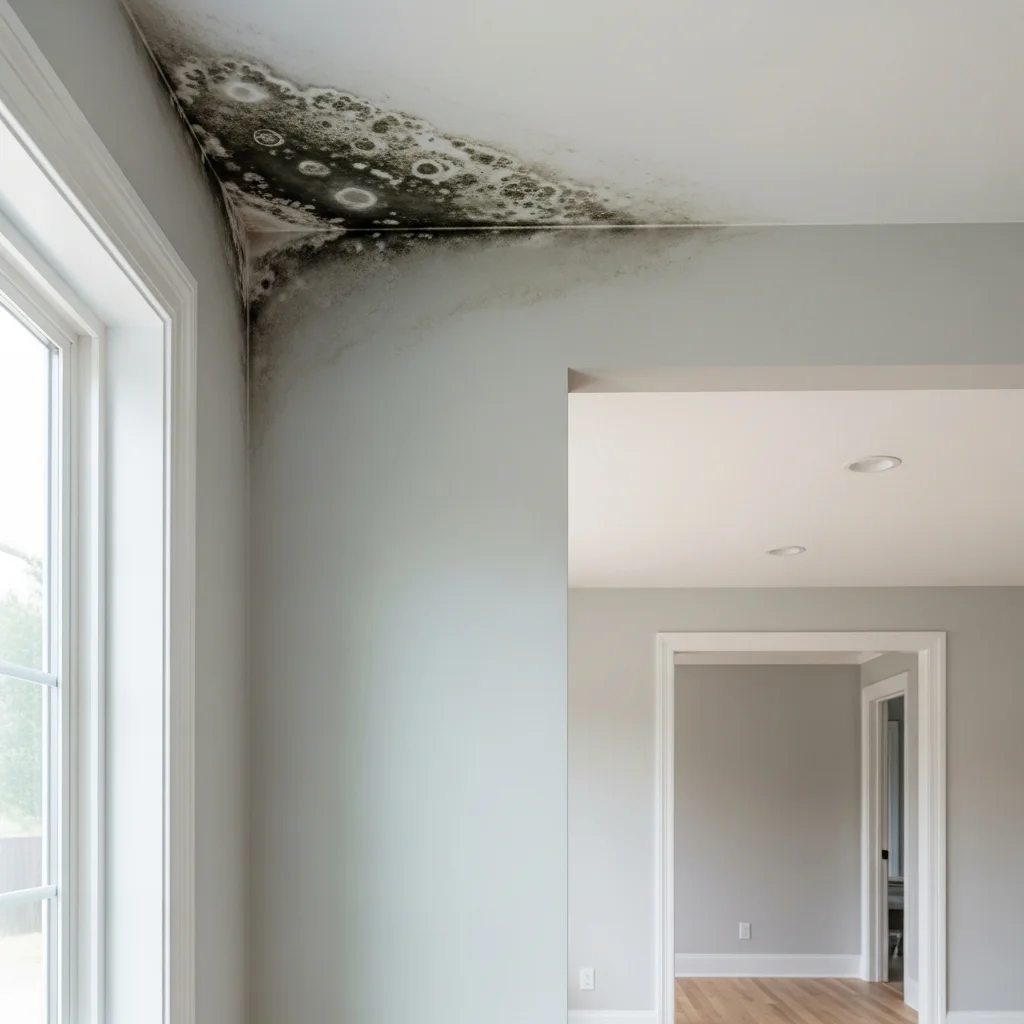
Fire damage creates devastating consequences for homeowners, but what many property owners don't realize is that the aftermath often brings an unexpected secondary threat: mold growth. The combination of firefighting water, compromised building materials, and structural damage creates ideal conditions for fungal infestations that can develop within 24 to 48 hours after the initial fire incident.
Understanding the connection between fire damage and subsequent mold problems is essential for protecting both property value and occupant health. Yostin Water Damage & Restoration Inc has observed that approximately 60% of fire-damaged properties develop some level of mold contamination if proper remediation protocols aren't implemented immediately. The fire suppression process introduces massive amounts of moisture into structures, saturating insulation, drywall, carpeting, and wooden components. This saturation, combined with ash residue and soot particles, establishes the perfect breeding ground for various mold species, including the particularly hazardous black mold varieties.
Reseda's Mediterranean climate, characterized by warm temperatures and seasonal humidity fluctuations, further compounds these risks. When fire-damaged materials remain wet in moderate temperatures, mold spores—which exist naturally in all environments—find abundant opportunities to colonize and spread throughout affected properties. The porous nature of common building materials allows moisture to penetrate deep into walls, ceilings, and flooring systems, creating hidden moisture pockets that homeowners cannot detect without professional mold inspection services.
The aftermath of fire cleanup requires comprehensive attention to both visible damage and invisible threats. Property owners who focus exclusively on repairing burn damage while neglecting moisture management often discover expensive mold problems weeks or months later. This reality makes professional mold remediation Reseda services an essential component of any complete fire recovery strategy.
The Hidden Connection Between Firefighting and Mold Growth
Firefighting operations prioritize life safety and fire suppression above all other considerations, which means firefighters use whatever water volume is necessary to extinguish flames completely. A typical residential fire response might introduce hundreds or even thousands of gallons of water into a structure within minutes. This water doesn't discriminate—it flows into wall cavities, beneath flooring, into HVAC systems, and throughout every accessible space in the affected building.
Unlike controlled water damage cleanup scenarios, fire suppression water often mixes with toxic combustion byproducts, creating a contaminated moisture environment that's particularly conducive to rapid mold colonization. The chemical composition of this water mixture can actually accelerate microbial growth rates compared to clean water incidents. Additionally, the heat from the fire itself damages protective barriers like paint and sealants, making previously moisture-resistant surfaces suddenly vulnerable to water absorption.
Yostin Water Damage & Restoration Inc technicians regularly encounter situations where homeowners underestimate the extent of water penetration following fire incidents. Water follows the path of least resistance, meaning it can travel significant distances from the fire's origin point. A kitchen fire, for instance, might result in water damage and subsequent mold growth in bedroom closets, bathroom vanities, or garage spaces that seem completely unrelated to the original fire location.
The timeline for mold development creates additional urgency. Research consistently demonstrates that mold spores begin germinating within 24 hours when exposed to adequate moisture and organic materials. Within 48 to 72 hours, visible colonies often appear on surfaces, though extensive growth may already exist within wall cavities and other hidden spaces. This rapid progression means that delayed response to water damage cleanup significantly increases both the scope of contamination and the complexity of required black mold removal efforts.
Temperature also plays a critical role in post-fire mold development. While active fires generate extreme heat, the cooling period that follows often leaves structures at ideal temperatures for fungal growth—typically between 60 and 80 degrees Fahrenheit. Reseda's climate maintains temperatures within this range for much of the year, creating year-round mold risks rather than seasonal concerns limited to specific weather patterns.
The compromised structural integrity following fire incidents creates additional pathways for moisture accumulation. Cracks in foundations, gaps around window frames, damaged roofing components, and compromised plumbing systems all contribute to ongoing moisture problems that extend well beyond the initial firefighting water introduction. These secondary moisture sources require comprehensive mold inspection services to identify and address before complete remediation can occur.
Understanding Different Mold Species That Emerge After Fires
Not all mold growth presents equal health risks or remediation challenges, but fire-damaged environments tend to support particularly problematic species. Black mold, scientifically known as Stachybotrys chartarum, thrives in the cellulose-rich, water-damaged materials common in fire-affected structures. This species produces mycotoxins that can cause serious respiratory problems, neurological symptoms, and immune system complications, particularly in children, elderly individuals, and those with pre-existing health conditions.
Aspergillus represents another common post-fire mold genus, with several species capable of triggering allergic reactions and respiratory infections. This mold typically appears in green, yellow, or white colonies and spreads rapidly across damp surfaces including drywall, insulation, and fabric materials. The spores remain airborne for extended periods, distributing throughout HVAC systems and contaminating areas far removed from the initial growth site.
Penicillium species frequently colonize water-damaged materials following fire incidents, often appearing as blue or green fuzzy growth on walls, ceilings, and personal belongings. While some Penicillium species produce beneficial antibiotics, the varieties found in water-damaged buildings can trigger severe allergic responses and asthma complications. These molds release distinctive musty odors that often provide the first indication of hidden contamination behind walls or beneath flooring.
Yostin Water Damage & Restoration Inc emphasizes that proper species identification requires laboratory analysis of collected samples. Visual inspection alone cannot reliably distinguish between different mold types, yet treatment protocols vary significantly based on species characteristics, toxicity levels, and growth patterns. Professional mold removal experts utilize air quality testing, surface sampling, and moisture mapping to develop comprehensive remediation strategies tailored to specific contamination profiles.
Chaetomium represents another concerning species in post-fire environments. This mold typically emerges in severely water-damaged materials, particularly those with high cellulose content like drywall, ceiling tiles, and particleboard. Chaetomium produces a distinctive musty, earthy odor and can degrade building materials structurally while simultaneously creating health hazards through spore release and mycotoxin production.
The interaction between fire residue and mold growth creates unique challenges beyond typical water damage scenarios. Soot particles provide additional nutrients for certain mold species, while alkaline ash residues can alter pH levels in ways that favor specific fungal varieties. These complex chemical interactions require specialized knowledge that general contractors or standard cleaning services typically lack, making Reseda mold specialists with fire damage experience essential for effective remediation.
Health Implications of Post-Fire Mold Exposure
Mold exposure following fire incidents presents compounded health risks because occupants often face simultaneous exposure to combustion byproducts, chemical residues from building materials, and mycotoxins from fungal contamination. This toxic mixture creates synergistic effects that amplify individual hazards, potentially overwhelming immune systems and triggering severe respiratory responses even in previously healthy individuals.
Respiratory symptoms represent the most common health complaints associated with post-fire mold exposure. Coughing, wheezing, throat irritation, nasal congestion, and difficulty breathing frequently develop within days or weeks of returning to fire-damaged properties with inadequate mold damage repair. Individuals with pre-existing asthma or chronic obstructive pulmonary disease experience particularly severe symptom exacerbation, sometimes requiring emergency medical intervention.
Neurological symptoms including headaches, difficulty concentrating, memory problems, and mood changes have been documented in cases involving prolonged exposure to certain mold species, particularly those producing mycotoxins. Children exposed to post-fire mold contamination may exhibit behavioral changes, academic difficulties, or developmental delays that parents might not immediately connect to environmental factors.
Skin reactions including rashes, hives, and persistent itching can result from direct contact with mold-contaminated surfaces or from airborne spore exposure. These dermatological symptoms often persist until complete black mold removal eliminates the contamination source, with symptoms potentially worsening during ongoing exposure rather than resolving through adaptation.
Yostin Water Damage & Restoration Inc has encountered numerous situations where occupants attributed health symptoms to fire-related stress or chemical exposures while overlooking underlying mold contamination. This misattribution delays necessary home mold treatment and prolongs health impacts that could be prevented through prompt, comprehensive remediation. Professional air quality testing can definitively identify mold-related health risks and guide appropriate response measures.
Immune system suppression represents a particularly concerning consequence of chronic mold exposure. Individuals recovering from the trauma of fire incidents already face stress-related immune challenges, and adding mycotoxin exposure further compromises natural defense mechanisms. This immunosuppression increases vulnerability to secondary infections and may slow recovery from other fire-related injuries or exposures.
The psychological impact of discovering significant mold problems after already suffering fire damage cannot be overlooked. Homeowners face compounded stress, financial uncertainty, and displacement anxiety when mold remediation extends recovery timelines and increases restoration costs. This emotional burden underscores the importance of preventing mold development through immediate, professional water damage cleanup rather than attempting to address contamination after it becomes established.
The Critical Timeline for Mold Prevention After Fire Incidents
Time represents the most crucial factor in preventing mold development following fire damage. The 24-48 hour window between firefighting operations and visible mold appearance provides a narrow opportunity for intervention that can mean the difference between minor cleanup efforts and extensive structural remediation requiring weeks or months of work.
Immediate water extraction forms the foundation of effective mold prevention. Professional-grade equipment including truck-mounted extractors, submersible pumps, and industrial wet vacuums can remove standing water and saturated materials far more effectively than household equipment. Yostin Water Damage & Restoration Inc typically deploys extraction teams within hours of fire incidents, recognizing that every passing hour increases contamination risks and remediation complexity.
Rapid structural drying follows water extraction as the second critical prevention step. Commercial dehumidifiers, air movers, and specialized drying systems create controlled environments that reduce moisture levels below the threshold required for mold germination. Monitoring equipment tracks moisture content in various materials, ensuring that hidden moisture pockets receive adequate attention rather than creating future contamination sites.
Documentation throughout the emergency mold removal process provides essential protection for insurance claims and liability concerns. Moisture readings, photographic evidence, and detailed remediation logs create verifiable records demonstrating that appropriate prevention measures were implemented promptly. This documentation becomes particularly valuable when dealing with insurance adjusters who may question the necessity of extensive drying and prevention protocols.
Antimicrobial treatments applied to vulnerable surfaces during the critical 24-48 hour window can inhibit mold spore germination even in materials that remain slightly elevated in moisture content during the initial drying phase. These treatments don't eliminate the need for complete drying but provide additional protection against contamination during the remediation process.
Material removal decisions made during this critical timeline significantly impact long-term mold prevention success. Porous materials like insulation, carpeting, and ceiling tiles that suffered severe water saturation often cannot be adequately dried and should be removed promptly to prevent becoming mold growth substrates. Yostin Water Damage & Restoration Inc technicians assess each material category individually, balancing salvage possibilities against contamination risks to make informed removal recommendations.
Climate control within fire-damaged structures helps maintain conditions unfavorable for mold growth throughout the restoration process. Temporary heating during cool weather and dehumidification during warm periods keep temperature and humidity levels outside the optimal range for fungal colonization. This controlled environment approach extends the effective timeline for mold prevention beyond the initial 48-hour critical window.
Professional Assessment: What Mold Inspection Services Reveal
Comprehensive mold inspection services extend far beyond visual surface examination to identify hidden contamination, assess health risks, and develop effective remediation strategies. Professional inspectors utilize thermal imaging cameras to detect moisture trapped within wall cavities, beneath flooring, and above ceiling surfaces where visual inspection cannot reach. These temperature differentials reveal wet materials even when surface appearances suggest complete drying.
Air quality sampling provides quantitative data about spore concentrations throughout affected structures. Comparing indoor spore counts and species profiles against outdoor baseline samples helps determine whether mold problems exist and how extensively contamination has spread. Laboratory analysis of these air samples identifies specific mold species, informing health risk assessments and remediation protocol development.
Surface sampling through tape lifts, swab cultures, or bulk material collection allows for targeted species identification in areas showing visible growth or suspected contamination. These samples undergo laboratory analysis to determine exact mold species present, mycotoxin production potential, and appropriate remediation techniques. Different species require different containment levels and removal protocols, making accurate identification essential for effective treatment.
Moisture mapping creates comprehensive documentation of wet materials throughout affected structures. Using calibrated moisture meters, inspectors measure moisture content in wood framing, drywall, concrete, and other building components, creating detailed maps that guide drying efforts and identify materials requiring removal. Yostin Water Damage & Restoration Inc generates these moisture maps during initial assessments and updates them throughout remediation to track drying progress and verify completion.
Structural assessment during mold inspection services evaluates whether contamination has compromised building material integrity. Some mold species produce enzymes that literally digest cellulose and other organic compounds, weakening structural components beyond salvage potential. Identifying these compromised materials early prevents future structural failures and guides reconstruction planning.
HVAC system inspection represents a critical but often overlooked component of comprehensive mold assessment. Firefighting water and soot frequently infiltrate ductwork, air handlers, and ventilation components, creating contamination that standard cleaning cannot adequately address. Professional inspectors assess HVAC systems separately from general structure inspection, recognizing their unique contamination risks and specialized remediation requirements.
Indoor environmental quality testing extends beyond mold-specific assessments to evaluate overall air quality conditions including volatile organic compounds, particulate matter, and chemical residues from fire damage. This comprehensive approach identifies all environmental health risks rather than focusing exclusively on mold contamination, providing homeowners with complete information necessary for informed decision-making about occupancy safety and remediation priorities.
One Yostin Water Damage & Restoration Inc team member recalls responding to a Reseda home where a family had already attempted to move back in just days after a devastating kitchen fire. Walking through the front door, the unmistakable musty smell immediately signaled what the eyes couldn't yet see. Behind the freshly painted walls that the family had optimistically restored themselves, moisture meters revealed saturation levels that made the technician's heart sink. The young mother stood there with her two small children, exhausted from weeks in temporary housing and desperate to believe their nightmare was over. But as thermal imaging revealed the ghostly green patterns of moisture throughout the walls—the perfect breeding ground for toxic mold—the technician knew they had to deliver difficult news. The family's faces fell as they learned they'd need to vacate again for proper remediation. Yet sharing the mold inspection results with complete honesty, explaining the serious health risks their children faced, and watching their expressions shift from devastation to determination as they understood this wasn't another setback but rather a crucial protection for their family's wellbeing—that moment embodied why this work matters so deeply. Helping them understand that choosing emergency mold removal now meant preventing years of potential health problems gave purpose to delivering hard truths. Months later, receiving their tearful thank-you call after finally moving back into a truly safe, restored home reminded the entire team why Yostin Water Damage & Restoration Inc never compromises on thorough remediation, even when families desperately want shortcuts.
The Mold Remediation Process for Fire-Damaged Properties
Professional mold remediation Reseda services follow established protocols that ensure complete contamination removal while protecting both workers and occupants from exposure risks. The remediation process begins with establishing containment barriers that isolate affected areas from uncontaminated spaces, preventing spore migration during removal activities. Plastic sheeting sealed with specialized tape creates physical barriers, while negative air pressure systems equipped with HEPA filtration continuously pull air from contaminated zones, filtering spores before exhaust.
Personal protective equipment requirements vary based on contamination extent and mold species present, but typically include respirators with HEPA filtration, disposable coveralls, gloves, and eye protection. Yostin Water Damage & Restoration Inc maintains strict safety protocols that exceed industry minimums, recognizing that worker health protection ultimately translates into more thorough, effective remediation for property owners.
Material removal proceeds systematically from most heavily contaminated areas toward less affected spaces. Non-salvageable materials including saturated insulation, mold-covered drywall, and compromised structural components undergo careful removal to minimize spore release during handling. These materials receive immediate bagging in heavy-duty plastic and removal from the property rather than temporary storage that could allow continued spore release.
HEPA vacuuming of all surfaces within containment areas removes settled spores and particulate contamination before final cleaning. These specialized vacuums capture particles as small as 0.3 microns with 99.97% efficiency, preventing spore redistribution that standard vacuums would cause. Multiple passes over surfaces ensure thorough removal of both visible and microscopic contamination.
Antimicrobial application to cleaned surfaces provides additional protection against re-contamination during the reconstruction phase. These treatments don't substitute for proper material removal and cleaning but supplement mechanical removal by addressing residual spores on materials deemed salvageable after assessment. Product selection considers both efficacy and safety, avoiding harsh chemicals that create indoor air quality concerns even while eliminating mold problems.
Post-remediation verification testing confirms successful contamination removal before reconstruction begins. Air samples collected after cleaning should demonstrate spore counts and species profiles comparable to outdoor baseline samples, indicating that indoor contamination sources have been eliminated. Surface samples from previously affected areas should show no viable mold growth when cultured in laboratory conditions.
Preventing Mold Recurrence During Fire Damage Restoration
Mold prevention tips implemented during reconstruction prevent recurrence of contamination in restored properties. Moisture control remains the fundamental prevention strategy, requiring attention to both obvious water sources and subtle humidity management. Installing moisture barriers in basements and crawl spaces prevents groundwater infiltration that could create new mold growth substrates even in areas unaffected by original fire damage.
Proper ventilation design ensures adequate air circulation throughout restored structures, preventing moisture accumulation in bathrooms, kitchens, laundry areas, and other high-humidity spaces. Exhaust fans vented to building exteriors remove moisture at its source before it can saturate building materials. Yostin Water Damage & Restoration Inc frequently recommends ventilation improvements beyond original building specifications, recognizing that modern energy-efficient construction can create moisture problems through reduced air exchange rates.
Material selection during reconstruction influences long-term mold resistance significantly. Mold-resistant drywall containing fiberglass facing rather than paper reduces nutrient availability for fungal growth even when moisture exposure occurs. Encapsulated insulation products resist moisture absorption better than traditional fiberglass batts, maintaining their insulating properties while reducing mold risks.
Dehumidification systems installed during reconstruction maintain indoor humidity levels between 30-50%, the range that prevents mold growth while remaining comfortable for human occupancy. Whole-house dehumidifiers integrated with HVAC systems provide consistent humidity control more effectively than portable units limited to single rooms or spaces.
Proper grading and drainage around building foundations prevents water accumulation against basement walls and beneath slab foundations. Reseda mold specialists recognize that exterior moisture management contributes as much to prevention as interior humidity control, requiring coordination between restoration contractors and landscape professionals to ensure comprehensive water management.
Regular monitoring during the first year following restoration helps identify emerging moisture problems before they develop into mold contamination. Yostin Water Damage & Restoration Inc typically recommends quarterly moisture inspections during this critical period, using the same advanced detection equipment employed during initial remediation to track conditions and verify that prevention measures remain effective.
Building envelope repairs including roof replacement, window installations, and siding restoration must meet high-quality standards that prevent water intrusion through failed seals, damaged flashings, or inadequate weather barriers. These envelope components represent the first line of defense against moisture infiltration, making their proper installation essential for long-term mold prevention regardless of how thoroughly initial remediation addressed existing contamination.
Working With Insurance After Fire and Mold Damage
Insurance coverage for mold remediation following fire damage often involves complex policy interpretations and documentation requirements. Most homeowner policies cover mold removal when it results directly from covered perils like fire suppression water, but may exclude contamination from deferred maintenance or long-term moisture problems. Understanding these policy distinctions helps homeowners document their claims appropriately and advocate for coverage when insurers question necessity.
Prompt notification to insurance carriers immediately following fire incidents creates the documentation foundation for subsequent mold claims. Many policies include specific timeframes for reporting damage, and delays can provide grounds for coverage denial. Photographing conditions before any restoration work begins provides evidence of fire and water damage extent that supports later mold remediation coverage.
Professional estimates from qualified mold removal experts carry significantly more weight with insurance adjusters than homeowner assessments or estimates from general contractors lacking specific mold remediation credentials. Yostin Water Damage & Restoration Inc provides detailed scope-of-work documents that explain contamination extent, health risks, required remediation protocols, and cost justifications in language insurance professionals understand and respect.
Separate documentation of fire damage cleanup and mold remediation costs helps clarify which expenses relate to covered perils versus potential exclusions. Detailed invoicing that itemizes water extraction, structural drying, mold inspection services, contaminated material removal, antimicrobial treatment, and post-remediation verification creates transparent cost accounting that facilitates insurance processing.
Independent testing and inspection reports from certified mold assessors provide objective third-party verification of contamination extent and remediation necessity. These reports counter insurance company tactics that minimize damage severity or question whether extensive remediation protocols were truly necessary. Laboratory documentation of mold species identification and air quality testing results creates scientifically defensible evidence that supports coverage claims.
Dispute resolution processes including appraisal clauses and mediation provisions offer alternatives when insurance companies deny coverage or offer inadequate settlements. Understanding these policy mechanisms and utilizing them appropriately can recover thousands or tens of thousands of dollars in disputed claims without requiring expensive litigation.
Public adjuster services provide professional insurance claim advocacy for homeowners who lack expertise or time to navigate complex claim processes. These professionals work on contingency or fee basis to maximize insurance recoveries, often achieving settlements significantly higher than initial insurance offers. For major fire and mold damage claims, public adjuster involvement can mean the difference between financial recovery and economic catastrophe.
Long-Term Health Monitoring After Mold Exposure
Individuals exposed to mold contamination following fire incidents should maintain awareness of potential long-term health effects that may emerge months or years after exposure. Respiratory sensitization can develop gradually, with individuals experiencing increasing allergic responses to subsequent mold exposures even at concentrations that previously caused no symptoms. This progressive sensitization sometimes necessitates environmental modifications including air filtration systems, dehumidification equipment, and ongoing vigilance against moisture problems.
Baseline health assessments following significant mold exposure create documentation that can prove valuable if long-term health problems develop. Pulmonary function testing, allergy testing, and general health screenings establish pre-existing conditions versus those potentially attributable to mold exposure. This documentation becomes particularly important for workers' compensation claims or litigation related to exposure in rental properties or workplaces.
Children exposed during critical developmental periods require particular attention to potential cognitive and behavioral changes that might indicate ongoing exposure effects. Educational performance monitoring, behavioral assessments, and developmental milestone tracking help identify problems early when intervention can be most effective. Yostin Water Damage & Restoration Inc emphasizes that parents should inform pediatricians about previous mold exposure so appropriate monitoring and testing can occur during routine healthcare visits.
Environmental medicine specialists and occupational health physicians possess specific training in mold-related illness diagnosis and treatment that general practitioners often lack. Individuals experiencing persistent symptoms following documented mold exposure should consider consultation with these specialists who can order appropriate testing and recommend targeted treatments beyond standard allergy management.
Indoor environmental quality maintenance following remediation helps prevent re-exposure that could trigger sensitized immune responses. Regular HVAC filter replacement, prompt attention to any water leaks or moisture problems, and periodic air quality testing create healthy indoor environments that support recovery rather than perpetuating health problems.
Mental health support addresses the trauma and stress associated with fire damage, displacement, and discovery of subsequent mold contamination. Anxiety, depression, and post-traumatic stress symptoms commonly follow major property damage events, and recognizing these as legitimate health concerns requiring professional attention improves overall recovery outcomes for affected individuals and families.
Why Professional Expertise Matters for Fire-Related Mold Problems
The complexity of addressing mold contamination in fire-damaged structures exceeds typical water damage cleanup scenarios, requiring specialized knowledge that integrates fire science, microbiology, building science, and environmental health expertise. Professional Reseda mold specialists understand how combustion byproducts interact with moisture and building materials to create unique contamination challenges that standard remediation protocols may not adequately address.
Structural assessment capabilities distinguish professional mold damage repair services from general cleaning companies or unqualified contractors. Determining whether contaminated wood framing retains structural integrity or requires replacement involves engineering judgment that protects both immediate safety and long-term building performance. These assessments prevent superficial cleaning that conceals ongoing deterioration while creating false confidence in structural soundness.
Advanced detection equipment including moisture meters, thermal imaging cameras, and air sampling equipment enables identification of hidden contamination that visual inspection cannot detect. Yostin Water Damage & Restoration Inc invests continuously in the latest diagnostic technology, recognizing that accurate problem identification determines remediation success more than any other factor.
Health and safety protocol implementation protects both remediation workers and property occupants from exposure during cleanup activities. Proper containment, negative air pressure maintenance, personal protective equipment use, and controlled material handling procedures prevent spore migration that could contaminate previously unaffected areas or expose vulnerable individuals to dangerous concentrations.
Insurance expertise helps homeowners navigate claim processes and maximize coverage recovery for necessary remediation work. Professional mold removal experts familiar with insurance industry practices provide documentation, damage assessments, and cost justifications formatted to facilitate claim approval rather than triggering disputes or denials.
Quality assurance through post-remediation verification testing provides objective confirmation that remediation successfully eliminated contamination rather than simply concealing it behind new finishes. This testing creates accountability and peace of mind that DIY approaches or fly-by-night contractors cannot offer, protecting property values and occupant health through verifiable results.
Long-term warranty coverage for professional work provides financial protection if contamination recurs due to incomplete remediation. Reputable companies stand behind their work with written warranties that cover both labor and materials, demonstrating confidence in their protocols and creating recourse if problems emerge after project completion.
The connection between fire damage and subsequent mold growth creates challenges that require immediate, professional attention to prevent escalating health risks and property damage. Homeowners facing fire recovery should prioritize comprehensive water damage cleanup and mold prevention as essential components of restoration rather than optional enhancements. Yostin Water Damage & Restoration Inc has built its reputation on understanding these complex relationships and implementing protocols that address both immediate fire damage and prevent secondary contamination that could compromise recovery efforts.
Reseda residents dealing with fire damage need trusted professionals who recognize that complete restoration extends beyond visible burn repairs to include invisible threats like mold contamination. The specialized knowledge, advanced equipment, and comprehensive protocols that professional mold remediation requires cannot be replicated through DIY efforts or general contractor services, making expert involvement essential for protecting both property investments and family health.
Professional home mold treatment following fire incidents represents an investment in long-term property value, occupant health, and peace of mind that far exceeds initial costs through avoided health problems, prevented structural damage, and maximized insurance recoveries. Yostin Water Damage & Restoration Inc stands ready to provide the expertise Reseda homeowners need to navigate these complex recovery challenges successfully, transforming fire-damaged properties into safe, healthy homes through proven protocols and unwavering commitment to quality outcomes.