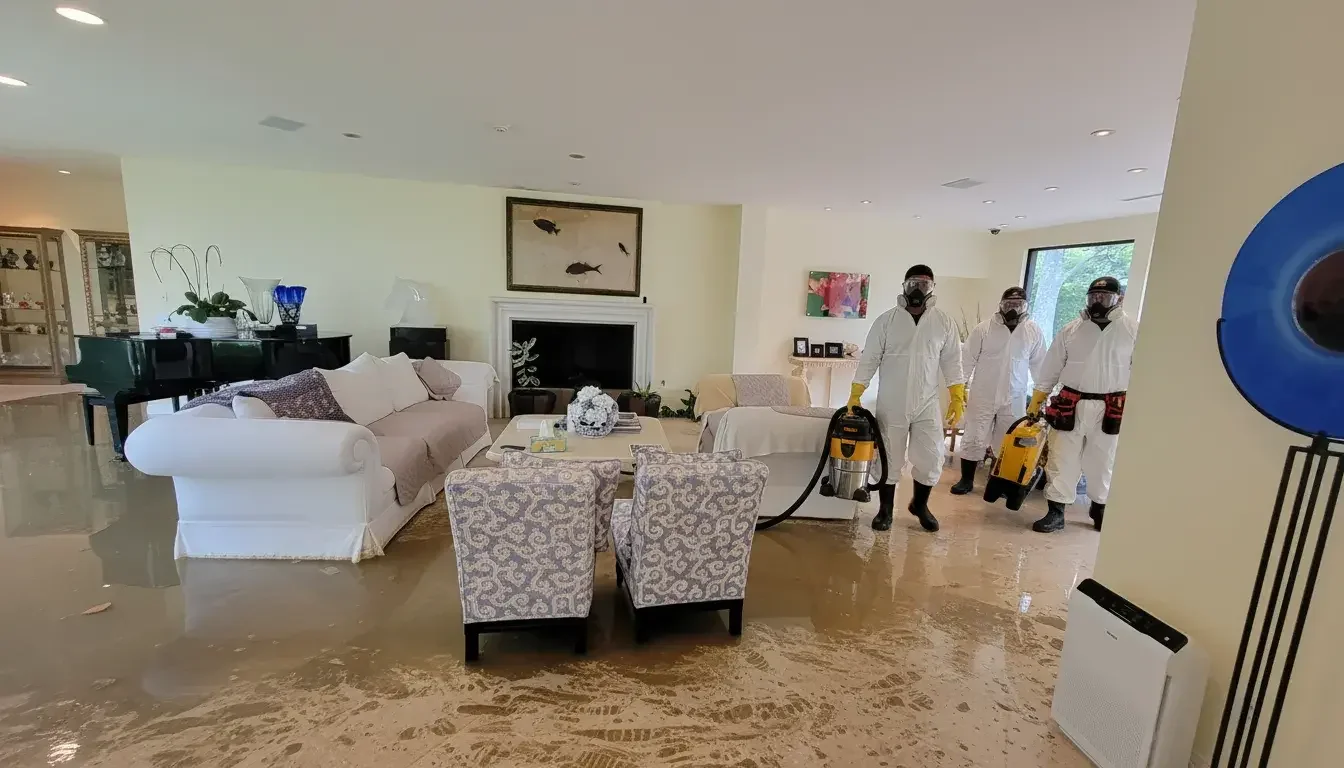
Basement flooding ranks among the most stressful emergencies homeowners face, particularly in the San Fernando Valley where unexpected storms and aging plumbing systems create recurring risks. When water begins pooling in a basement, every minute counts toward minimizing damage, preventing structural deterioration, and avoiding costly long-term complications. Understanding the immediate steps to take, recognizing when professional intervention becomes essential, and knowing how water damage restoration works can mean the difference between a manageable incident and a catastrophic property loss.
The San Fernando Valley's unique geography and infrastructure create specific flooding vulnerabilities that residents must understand. While the region doesn't experience the frequent severe weather of other areas, intense seasonal storms can overwhelm drainage systems and expose weaknesses in building foundations. Additionally, many Valley properties contain older plumbing that becomes increasingly prone to failures as materials age and deteriorate. Whether flooding results from external weather events or internal system failures, the response principles remain consistent—act quickly, prioritize safety, and engage appropriate professional resources to ensure complete recovery.
Yostin Water Damage & Restoration Inc has responded to countless basement flooding emergencies throughout the San Fernando Valley, witnessing firsthand how preparation and rapid response dramatically improve outcomes. This expertise has revealed patterns in how flooding develops, which initial actions prove most beneficial, and where homeowners commonly make mistakes that worsen damage or create safety hazards. The insights shared here draw from real-world experiences helping Valley residents navigate these challenging situations from initial emergency through complete restoration.
Immediate Safety Considerations When Discovering Basement Flooding
The moment flooding is discovered, safety must take absolute priority over property concerns. Water and electricity create a deadly combination, making electrical hazards the first consideration when approaching a flooded basement. Before entering any flooded area, the main electrical panel should be evaluated to determine if power to the basement can be safely disconnected. If the electrical panel is located in the flooded area or if there's any uncertainty about safe electrical disconnection, professional electricians must handle this critical step before anyone enters the space.
Standing water depth influences risk assessment significantly. Water deeper than a few inches creates substantial electrical shock hazards, especially if outlets, appliances, or electrical equipment have been submerged. Even shallow water can conduct electricity from compromised wiring or submerged devices, creating invisible danger zones. The conservative approach—assuming all standing water may be electrically charged until proven otherwise—prevents tragic accidents that occur when safety protocols are bypassed in urgent situations.
Structural stability represents another critical safety consideration often overlooked in the urgency of addressing water damage. Prolonged water exposure weakens foundations, supports, and flooring systems. Waterlogged materials become significantly heavier, potentially exceeding design load capacities. Before entering flooded basements, visible assessment for sagging ceilings, cracked walls, or tilted supports should inform whether entry is safe. When structural integrity appears compromised, emergency water restoration professionals with appropriate safety equipment and training should conduct initial assessments rather than property owners.
Water source identification also carries safety implications. Clean water from supply line breaks poses different risks than sewage backups or floodwater containing contaminants. Gray water from appliances or fixtures may contain chemicals or bacteria requiring protective equipment during cleanup. Black water from sewage systems or external flooding introduces serious health hazards including pathogens, chemicals, and physical contaminants. Yostin Water Damage & Restoration Inc emphasizes that contaminated water situations demand professional water extraction service rather than homeowner cleanup attempts, as proper protection and disposal procedures are essential for health safety.
Stopping the Water Source: Critical First Actions
Once safety is verified, immediately stopping ongoing water intrusion becomes paramount. For internal plumbing failures, locating and closing the relevant shut-off valve halts additional water flow. Individual fixture shut-offs control localized leaks, while main water shut-offs stop flow from supply line failures. Every household member should know main shut-off locations and operation procedures before emergencies occur, as fumbling with unfamiliar valves during flooding wastes precious minutes while damage accumulates.
Storm-related flooding presents more complex source control challenges. If water enters through foundation cracks, window wells, or above-grade openings, temporary barriers may reduce intrusion rates until professional Reseda water repair can address underlying vulnerabilities. Sandbags, plastic sheeting, and temporary diversions redirect water flow away from entry points when properly deployed. However, these measures provide only partial relief during active storms, making damage limitation rather than complete prevention the realistic goal during severe weather events.
Sump pump systems, when operational, provide frontline defense against basement flooding. However, power outages during storms—precisely when sump pumps are most needed—disable these critical systems. Battery backup sump pumps address this vulnerability, maintaining operation during power failures. For properties without backup systems, portable generators can power existing pumps, though safe generator operation requires outdoor placement with proper ventilation to prevent carbon monoxide poisoning. Understanding these systems before flooding occurs enables rapid deployment when minutes matter.
Burst pipe restoration scenarios require particularly swift action, as residential water pressure can discharge hundreds of gallons per hour through even modest pipe breaks. Beyond closing shut-off valves, relieving pressure by opening faucets at lower elevations helps drain residual water from supply lines. Documenting the failure point through photographs before cleanup begins aids insurance claims and helps water damage restoration professionals understand the incident's full scope. This documentation proves especially valuable when damage extends beyond the immediate flooding area through ceiling leaks or wall saturation.
Protecting Valuable Items and Important Documents
Once immediate safety is addressed and water sources are controlled, attention shifts to salvaging valuable items from affected areas. Prioritization becomes essential, as time constraints and safety limitations prevent saving everything. Important documents, irreplaceable photographs, electronics, and high-value items should be moved to dry areas first. Water damage accelerates rapidly, with paper items deteriorating within hours and electronics suffering corrosion damage even when not directly submerged if humidity remains elevated.
Furniture and stored items require quick assessment for salvageability. Solid wood furniture often survives water exposure with proper drying, while particle board and engineered wood products typically suffer irreparable damage when saturated. Upholstered items require immediate professional cleaning and drying to prevent permanent staining and mold growth. Metal items begin corroding quickly when wet, making rapid drying essential for preservation. These triage decisions during the emergency phase significantly impact ultimate recovery outcomes and costs.
Electronics and appliances submerged in water should never be powered on without professional evaluation and cleaning. Water inside electronic devices creates short circuits and corrosion that worsen with power application. Professional restoration for electronics involves specialized drying, cleaning, and testing procedures that standard air-drying cannot accomplish. Attempting to use water-damaged electronics not only risks device failure but also creates fire hazards from compromised electrical components.
Yostin Water Damage & Restoration Inc recommends creating a pre-emergency inventory of basement contents, including photographs and value documentation. This preparation streamlines insurance claims and helps identify priority items during emergency salvage operations. Digital storage of these inventories ensures accessibility even when physical documents are damaged, providing crucial information exactly when it's needed most during chaotic emergency situations.
Understanding Different Flooding Scenarios and Their Implications
Storm-related flooding introduces external water that may carry soil, debris, and contaminants into basement spaces. This category of water intrusion typically affects multiple properties simultaneously, potentially overwhelming local emergency water restoration resources. The contamination level of storm water varies depending on what it contacts during intrusion—relatively clean rainwater becomes increasingly contaminated as it flows across urban surfaces, through drainage systems, or mixes with sewage from overwhelmed municipal systems.
Plumbing failures create distinct flooding patterns based on failure type and location. Supply line breaks deliver clean water under pressure, creating rapid accumulation and potentially affecting multiple building levels if breaks occur in upper-floor plumbing. Drain line failures introduce gray or black water containing sewage and contaminants requiring specialized handling. Water heater failures combine flooding with potential scalding hazards if hot water discharge occurs, demanding extra caution during initial response.
Groundwater intrusion through foundation weaknesses represents another common Valley flooding scenario. Hydrostatic pressure from saturated soil forces water through cracks, gaps, and porous concrete. This flooding pattern typically develops more gradually than catastrophic pipe failures but can introduce substantial volumes over time. The mineral content in groundwater often leaves distinctive staining and deposits, with flood cleanup Reseda professionals recognizing these signatures as indicators of foundation integrity issues requiring attention beyond immediate water damage restoration.
Appliance-related flooding from washing machines, dishwashers, or HVAC systems typically involves moderate water volumes but may continue for extended periods if failures occur when properties are unoccupied. Supply hose failures on washing machines rank among the most common appliance-related flooding causes, with aging rubber hoses particularly vulnerable to catastrophic splits. Preventive replacement of these hoses every five years substantially reduces flooding risk, exemplifying how modest maintenance prevents emergency water restoration needs.
Initial Water Removal and Damage Limitation
Once safety is established and active water intrusion is controlled, removing standing water becomes the priority. For minor flooding with a few inches of water, household wet-dry vacuums provide effective removal capability. However, these consumer devices lack the capacity and power needed for significant flooding, where professional water extraction service becomes necessary. Attempting to manage major flooding with inadequate equipment wastes valuable time during the critical period when rapid water removal most effectively limits damage.
Commercial extraction equipment used by water mitigation experts removes water far more efficiently than consumer devices. Truck-mounted extraction systems generate tremendous suction power, pulling water from carpets, padding, and porous flooring materials. Portable extractors maneuver into tight spaces and up stairways, enabling comprehensive water removal throughout affected areas. The volume capacity of professional equipment means continuous operation rather than the frequent emptying required with small household vacuums.
Moisture remaining after visible water removal presents the longer-term challenge for water damage repair Reseda specialists. Porous materials like drywall, insulation, and wood framing absorb water deeply, retaining moisture long after surface water disappears. This trapped moisture supports mold growth, causes progressive deterioration, and generates persistent musty odors if not properly addressed. Professional water damage restoration incorporates specialized drying equipment and monitoring that ensures materials return to safe moisture levels rather than just appearing dry on the surface.
Air movement and dehumidification work synergistically to remove moisture from building materials and contents. High-velocity air movers create airflow across wet surfaces, accelerating evaporation. Dehumidifiers extract moisture from air, preventing it from redepositing onto materials and maintaining optimal drying conditions. The equipment placement, air circulation patterns, and dehumidification capacity must be carefully calculated based on affected area size, material types, and moisture levels. Yostin Water Damage & Restoration Inc develops customized drying plans for each situation, ensuring efficient moisture removal without causing secondary damage from overly aggressive drying.
Professional Water Damage Restoration Process
The transition from emergency response to comprehensive restoration involves systematic assessment, planning, and execution of multiple specialized activities. Professional water damage restoration begins with detailed moisture mapping using electronic meters and thermal imaging to identify all affected materials, including those in hidden cavities. This assessment establishes the full scope of water intrusion, identifying areas requiring treatment that visual inspection alone would miss.
Classification of water type and contamination level guides appropriate restoration procedures. Clean water from supply lines allows salvage of more materials with less intensive cleaning than contaminated water requires. Gray water containing chemicals or biological contaminants demands enhanced cleaning protocols and potentially more aggressive material removal. Black water from sewage or external flooding necessitates extensive material removal and comprehensive disinfection, as health risks prohibit attempting to salvage heavily contaminated porous materials.
Containment procedures prevent cross-contamination from affected areas to unaffected portions of properties. Physical barriers, negative air pressure systems, and dedicated pathways for equipment and debris removal protect clean areas from moisture, contaminants, and airborne particles. These professional protocols recognize that restoration activities can spread contamination if not properly controlled, potentially extending damage beyond the original flooding footprint.
The drying process continues until moisture testing confirms all materials have returned to acceptable moisture levels. This process typically requires several days to over a week depending on flooding extent, material saturation levels, and environmental conditions. Daily monitoring tracks drying progress, with equipment adjustments optimizing conditions as moisture levels decrease. Premature equipment removal when materials appear dry but retain elevated moisture content virtually guarantees future mold problems, making thorough drying verification essential for successful residential flood damage recovery.
Mold Prevention During and After Water Damage Restoration
Mold prevention service integration into water damage restoration addresses one of the most significant secondary risks from flooding. Mold spores exist everywhere naturally, requiring only moisture, organic material, and favorable temperatures to establish colonies. Flooded basements provide all these conditions abundantly, making mold growth inevitable without proper prevention measures. The 24-48 hour window before mold colonization begins emphasizes why rapid professional response matters so significantly.
Antimicrobial treatments applied to affected surfaces during restoration inhibit mold establishment while drying progresses. These treatments don't replace proper drying but provide an additional protection layer during the vulnerable period when materials remain damp. Application methods, product selection, and coverage rates require professional expertise to ensure effectiveness without creating indoor air quality concerns from inappropriate antimicrobial use.
Humidity control throughout the restoration process maintains environmental conditions unfavorable for mold growth. Basement areas naturally tend toward higher humidity due to below-grade positioning and reduced air circulation. During restoration, maintaining relative humidity below 60% prevents mold establishment even as materials release moisture during drying. Continuous dehumidification and moisture monitoring ensure conditions remain within this target range throughout the restoration period.
Post-restoration humidity management helps prevent future mold issues in basements prone to dampness. Permanent dehumidifier installation, improved ventilation, and addressing sources of chronic moisture intrusion create long-term mold resistance. Yostin Water Damage & Restoration Inc often recommends these environmental improvements as part of comprehensive restoration, transforming vulnerable spaces into more resilient environments less likely to experience recurring moisture problems.
Structural Drying and Building Material Assessment
Determining which materials can be dried and salvaged versus those requiring removal and replacement demands professional expertise and specialized equipment. Drywall can typically be dried if water exposure was brief and contamination minimal, but prolonged saturation or contaminated water exposure necessitates removal. The difficulty lies in accurately assessing moisture penetration depth and contamination extent, decisions that significantly impact restoration costs and outcomes.
Wood framing and structural members require careful evaluation for water damage and potential weakening. Surface moisture measurement alone inadequately assesses structural timber, as deep moisture within large dimensional lumber takes far longer to dry than surface readings suggest. Penetrating moisture meters and drilling small inspection holes enable assessment of moisture deep within structural members, informing decisions about required drying time or material replacement.
Insulation materials respond variably to water exposure based on type and saturation extent. Fiberglass insulation loses effectiveness when wet and seldom dries adequately while in place, typically requiring removal after flooding. Closed-cell spray foam resists water absorption better, potentially remaining serviceable after water exposure. The mold growth risk in wet insulation often drives removal decisions even when drying might technically be possible, as hidden mold within wall and ceiling cavities poses ongoing health risks.
Flooring materials present particular challenges in basement flooding scenarios. Concrete slab foundations can absorb substantial water that releases very slowly over weeks or months. Flooring installed directly over slabs or on sleeper systems may appear dry on surface while trapped moisture underneath continues migration upward. Moisture testing of concrete requires specialized meters with deep-reading probes, ensuring all moisture is addressed before new flooring installation. Failure to verify complete concrete drying results in flooring failures, adhesive breakdown, and mold growth beneath new materials.
Employee Perspective: The Human Impact of Restoration Work
A veteran technician at Yostin Water Damage & Restoration Inc recalls a particularly meaningful basement flooding project that exemplified the profound human dimension of this work. Called to a Valley home where a burst pipe had flooded the basement during a family's vacation, the scene upon arrival was devastating—several feet of standing water had destroyed a finished basement containing a home office, play area, and decades of stored family memories. The homeowners, having rushed back from their trip, stood heartbroken amid the destruction, particularly grieving photograph albums and children's artwork that appeared completely ruined.
Beyond the technical water removal Reseda response, the project became a salvage mission for irreplaceable memories. Working meticulously through damaged boxes, carefully separating and documenting wet photographs, and employing specialized drying techniques for paper items transformed the restoration from routine flood cleanup into something deeply personal. Over the three weeks of comprehensive water damage restoration, watching the family's hope gradually return as more items proved salvageable became incredibly rewarding. When final walkthrough revealed a completely restored basement and the presentation of cleaned and preserved photographs brought tears of gratitude, the profound privilege of this work became crystal clear. These moments transcend technical expertise, reminding restoration professionals that behind every project is a family's wellbeing, their memories, and their sense of home and security.
Addressing Hidden Moisture and Preventing Long-Term Damage
Water migration through building assemblies means flooding often affects areas far beyond visible water boundaries. Capillary action draws moisture upward through porous materials, potentially saturating wall cavities several feet above water lines. Lateral migration through floor systems spreads moisture to adjacent areas never directly contacted by standing water. This hidden moisture creates the most challenging aspect of comprehensive water damage restoration, requiring detection technology and treatment strategies that address what cannot be seen.
Thermal imaging cameras visualize temperature differentials caused by evaporative cooling of wet materials. These patterns reveal moisture presence even behind finished surfaces, enabling targeted investigation and treatment. The technology guides strategic decisions about wall opening locations for cavity drying, avoiding unnecessary demolition while ensuring all affected areas receive appropriate treatment. This precision reduces restoration costs while ensuring completeness.
Cavity drying systems introduce heated, dehumidified air behind wall and ceiling finishes, addressing moisture in spaces inaccessible to standard air movers. Small openings allow hose insertion, with air circulation drying hidden materials without extensive demolition. This approach proves particularly valuable for drying wall cavities where water migrated upward through capillary action, addressing moisture that would otherwise support mold growth and material deterioration within sealed assemblies.
Monitoring throughout the drying process uses strategically placed sensors that track moisture levels in materials and environmental conditions. Daily readings reveal drying progress, with expected moisture decrease rates indicating whether drying proceeds efficiently. Readings that plateau or decrease more slowly than anticipated signal problems—potentially indicating continued water intrusion, inadequate air circulation, or hidden moisture reservoirs requiring additional treatment. This data-driven approach to emergency water restoration ensures decisions are based on objective measurements rather than assumptions or appearance alone.
Restoring Basements to Pre-Loss Condition and Beyond
Once thorough drying is verified through moisture testing, reconstruction begins to restore affected spaces to functional condition. This phase involves replacing materials damaged beyond salvageability, repairing affected finishes, and ensuring all building systems function properly. The reconstruction scope ranges from simple baseboard replacement and paint touch-up for minor incidents to complete basement rebuilding following major flooding events.
Building code compliance during reconstruction ensures restored areas meet current safety and construction standards. This requirement sometimes mandates improvements beyond simple restoration, particularly regarding electrical systems, egress windows, and moisture barriers. While these requirements may increase restoration costs, they create safer, more resilient spaces better protected against future water damage. Professional water damage repair Reseda contractors navigate these code requirements efficiently, securing necessary permits and inspections as integral parts of the restoration process.
Opportunities for improvement emerge during reconstruction, allowing upgrades that enhance functionality, aesthetics, and future flood resistance. Water-resistant materials in flood-prone areas, enhanced drainage systems, and improved moisture barriers prevent or minimize future damage from similar events. Upgraded electrical panels with GFCI protection throughout basement areas enhance safety. These improvements, while adding to restoration investment, create long-term value and peace of mind for property owners.
Yostin Water Damage & Restoration Inc approaches reconstruction with attention to both technical requirements and aesthetic outcomes. Matching existing finishes, maintaining architectural details, and ensuring seamless integration of replaced materials with undamaged areas creates restoration results that make past flooding invisible. This attention to quality and detail transforms spaces from disaster zones back into valuable, functional areas of homes.
Preventing Future Basement Flooding Incidents
Learning from flooding experiences informs preventive measures that reduce future risk. Understanding how flooding occurred guides targeted improvements addressing specific vulnerabilities. Storm-related flooding may require exterior drainage improvements, foundation waterproofing, or sump pump installation. Plumbing failures might indicate aging systems requiring comprehensive replacement rather than reactive repairs. This analytical approach transforms unfortunate experiences into opportunities for meaningful risk reduction.
Maintenance programs prevent many flooding causes through early problem identification and correction. Annual plumbing inspections identify deteriorating supply lines, failing drain systems, and aging water heaters before catastrophic failures occur. Sump pump testing and maintenance ensure these critical systems function when needed. Gutter cleaning and exterior grading maintenance prevent water accumulation against foundations. These modest ongoing investments substantially reduce major water damage restoration needs.
Monitoring systems provide early warning of developing problems before minor issues become major flooding events. Water leak detectors placed near water heaters, washing machines, and under sinks alert occupants to leaks immediately upon occurrence. Smart home systems can send notifications remotely, enabling rapid response even when properties are unoccupied. Automatic shut-off valves triggered by leak detection or flow rate anomalies stop water intrusion without human intervention, limiting damage when residents cannot immediately respond.
Foundation waterproofing and drainage improvements address chronic moisture intrusion issues that make basements vulnerable to flooding during storms or high water table conditions. Exterior waterproofing membranes, perimeter drain systems, and interior drainage with sump pump collection create multiple protection layers. While these improvements represent significant investments, the protection against repeated flooding incidents and chronic moisture problems justifies costs through avoided future water damage restoration expenses and preserved property values.
Insurance Considerations for Basement Flooding
Understanding insurance coverage distinctions between flooding types proves critical for financial recovery. Standard homeowners insurance typically covers sudden internal plumbing failures like burst pipes but excludes damage from external flooding, groundwater seepage, or gradual leaks. Separate flood insurance through the National Flood Insurance Program addresses external flooding events, though coverage limits and exclusions require careful review to understand actual protection levels.
Rapid professional response and proper documentation significantly improve insurance claim outcomes. Immediate emergency water restoration actions demonstrate reasonable damage mitigation efforts, a policy requirement for coverage. Professional documentation including photographs, moisture readings, and detailed scope estimates provides the substantiation insurance adjusters require for claim evaluation. Delays in response or inadequate documentation complicate claims and may result in coverage denials for damage deemed preventable.
Policy deductibles, coverage limits, and exclusions vary substantially between policies and insurers. Reviewing policy terms before flooding occurs enables realistic expectations about financial recovery and helps identify coverage gaps requiring additional policies or riders. Understanding whether policies provide replacement cost or actual cash value coverage informs decisions about restoration scope and out-of-pocket financial planning.
Yostin Water Damage & Restoration Inc works extensively with insurance carriers, understanding documentation requirements and claim processes across multiple insurers. This experience helps property owners navigate claims efficiently while ensuring restoration proceeds without unnecessary delays. Direct billing relationships with many carriers streamline payment processes, reducing financial stress during already challenging situations.
The Importance of Rapid Professional Response
The timeframe between flooding discovery and professional water damage restoration engagement dramatically impacts ultimate outcomes and costs. Water damage progresses rapidly—materials absorbing moisture, contaminants spreading, and mold colonization beginning within 24-48 hours. Delays in professional response allow this progression, transforming manageable incidents into extensive damage requiring far more aggressive and costly intervention.
Emergency availability distinguishes professional restoration companies prepared to respond immediately from contractors treating flood cleanup as routine scheduled work. True emergency services maintain 24/7 availability with rapid dispatch capabilities, arriving on-site within hours of initial contact. This responsiveness proves essential during off-hours emergencies when delays until normal business hours would allow substantial additional damage accumulation.
The burst pipe restoration timeline exemplifies why rapid response matters. A pipe discharging even modest flow rates can release thousands of gallons over several hours. Each additional hour of flow means exponentially more water requiring extraction, more materials saturated requiring drying or replacement, and greater likelihood of water migrating to previously unaffected areas. Immediate professional response stops ongoing damage and begins recovery during the critical early period when intervention proves most effective.
Choosing established, experienced restoration companies ensures access to adequate equipment, trained personnel, and proven processes. New or inadequately equipped contractors may promise lower costs but lack the resources for efficient, comprehensive water damage restoration. The apparent savings disappear when inadequate initial treatment leads to recurring problems requiring additional remediation. Reputation, certification, and demonstrated experience matter substantially in outcomes for residential flood damage recovery.
San Fernando Valley-Specific Flooding Considerations
The Valley's clay-heavy soils create particular drainage challenges, with poor permeability causing water accumulation during heavy rains. Properties situated in natural drainage paths or at lower elevations within neighborhoods face elevated flooding risk during significant storm events. Understanding these geographical vulnerabilities helps property owners assess personal risk and prioritize appropriate preventive measures for their specific circumstances.
Infrastructure age throughout much of the Valley means aging sewer and drainage systems sometimes fail to handle storm water volumes during intense precipitation events. These infrastructure limitations create flooding risks beyond individual property conditions, potentially overwhelming even well-maintained private drainage systems. Awareness of these broader systemic risks informs appropriate emergency preparations and realistic expectations during major storm events.
Seasonal rainfall patterns concentrate precipitation during winter months, creating predictable high-risk periods. Preparing for this seasonal risk through preventive maintenance, emergency supply readiness, and knowing how to quickly contact water mitigation experts like Yostin Water Damage & Restoration Inc ensures readiness when storms arrive. This preparation transforms reactive scrambling into calm, effective response when flooding occurs.
The Valley's dense residential development means flooding often affects multiple properties simultaneously during widespread events. This creates service capacity challenges as all affected properties seek emergency water restoration simultaneously. Established relationships with restoration companies, potentially through pre-emergency consultations, can improve access to services during high-demand periods when companies must prioritize among multiple emergency calls.
Moving Forward After Basement Flooding
Recovery from basement flooding extends beyond physical restoration to include emotional processing of the traumatic experience. Properties represent more than buildings—they're homes containing memories, security, and significant financial investment. Flooding violates this sanctuary, creating stress, anxiety, and uncertainty that persist even after successful water damage restoration. Acknowledging these emotional dimensions helps families navigate recovery more effectively, recognizing that feelings of violation and vulnerability are normal responses to these events.
Successfully restored basements can resume full functionality, serving as valuable living space, storage, or utility areas. However, some property owners struggle with anxiety about recurrence, particularly regarding using restored spaces for valuable item storage. Professional counseling through restoration specialists who explain improvements made, risk reduction achieved, and monitoring systems installed can help rebuild confidence in restored spaces. Understanding that flooding was addressed comprehensively and future risk has been substantially reduced supports psychological recovery alongside physical restoration.
The knowledge gained through flooding experiences, while unfortunate, creates preparedness for potential future events. Understanding how to respond immediately, what safety considerations matter, and when professional intervention is necessary transforms property owners into informed participants in any future emergency response. This knowledge benefits not just individual households but entire communities as informed residents help neighbors during shared emergency events.
Yostin Water Damage & Restoration Inc views successful basement flooding recovery as encompassing both technical restoration excellence and compassionate support for families through challenging experiences. The combination of professional expertise with understanding of human needs during crisis creates restoration experiences that, while never welcome, feel manageable rather than overwhelming. Families deserve partners who understand that behind every flooded basement is a household seeking return to normalcy, security, and comfort in their home.