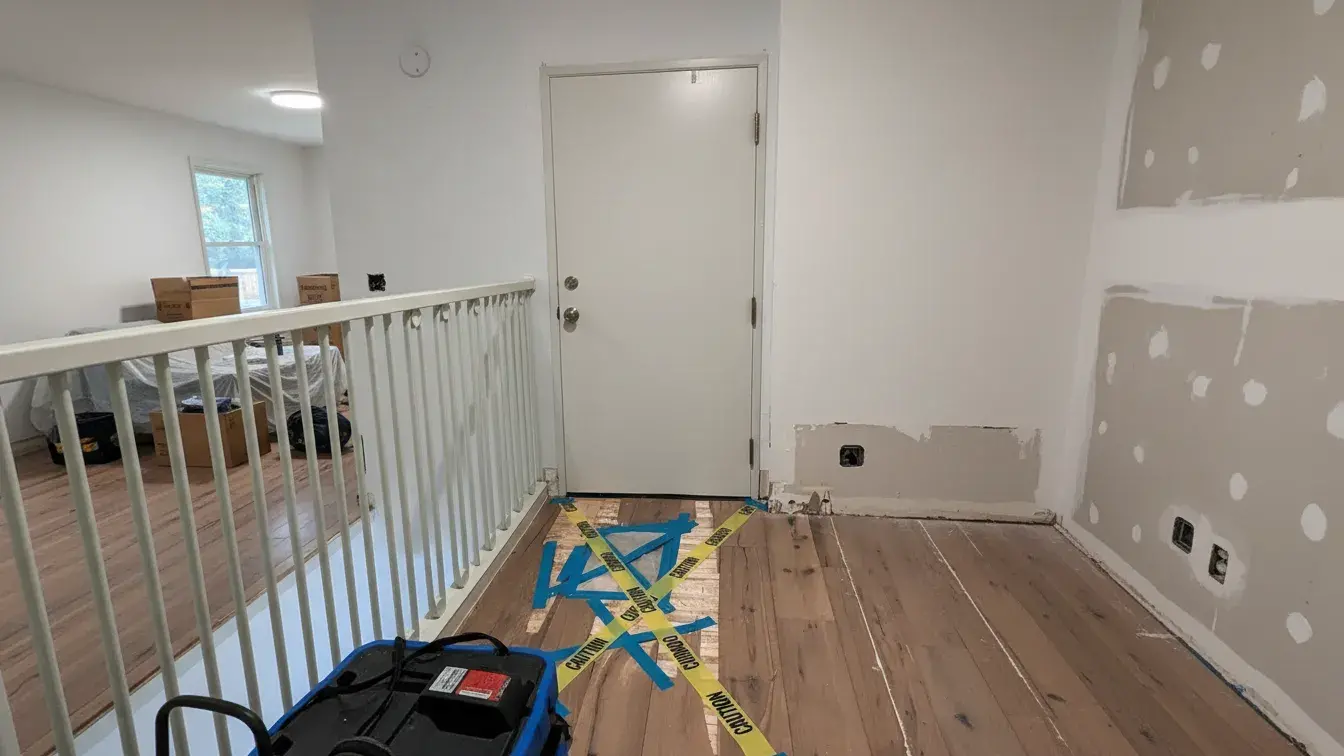
Water intrusion represents one of the most significant threats to property integrity throughout Southern California communities. When moisture penetrates building materials, it initiates a destructive process that can compromise structural stability for years to come. Understanding these long-term risks helps property owners recognize why immediate water damage restoration becomes essential rather than optional when facing moisture-related emergencies.
How Water Damage Progresses Through Building Materials Over Time
The journey of water through a structure follows predictable yet devastating patterns. Initially, moisture affects surface materials like drywall, flooring, and paint. Within hours, water begins migrating deeper into porous materials such as wood framing, insulation, and concrete foundations. This absorption process continues long after the visible water disappears, creating hidden damage that intensifies with each passing day.
Building materials respond differently to prolonged moisture exposure. Wood absorbs water rapidly, swelling and losing structural integrity as cellular bonds weaken. Drywall becomes soft and crumbles, while insulation loses its thermal properties and becomes a breeding ground for microbial growth. Metal components begin oxidizing, and concrete experiences chemical changes that reduce its load-bearing capacity. These transformations occur gradually, making them difficult to detect without professional water extraction service intervention.
The rate of deterioration accelerates when water damage restoration efforts are delayed. What begins as a minor leak can evolve into a major structural concern within weeks. Moisture trapped within wall cavities or beneath flooring creates persistent humidity that continues damaging materials even after the initial water source has been addressed. This ongoing degradation explains why comprehensive Reseda water repair requires more than simply removing standing water—it demands thorough drying and monitoring to prevent long-term consequences.
Temperature and humidity levels in Reseda's climate influence how quickly water damage progresses. Warmer temperatures accelerate evaporation but also speed up biological growth processes. The region's seasonal variations mean that water intrusion during certain months may cause different damage patterns than incidents occurring at other times of year. Yostin Water Damage & Restoration Inc understands these regional factors and adjusts restoration approaches accordingly to address the specific challenges presented by local environmental conditions.
Foundation Compromise: The Silent Threat Beneath Your Property
Foundation damage represents perhaps the most serious long-term consequence of water intrusion. When moisture penetrates concrete foundations, it triggers a series of chemical reactions that weaken the material's structural composition. Calcium leaches from the concrete, reducing its compressive strength. Freeze-thaw cycles, though less common in Reseda than in other regions, can still occur during colder months and create expansion forces that crack compromised concrete.
Water accumulation around foundation perimeters creates hydrostatic pressure that pushes against basement walls and slabs. This constant force can cause bowing, cracking, and eventual failure if left unaddressed. Soil conditions around the foundation change when saturated, losing their ability to provide stable support. Clay soils expand when wet, exerting additional lateral pressure against foundation walls, while sandy soils may wash away, creating voids that allow settling and shifting.
The relationship between water damage repair Reseda and foundation preservation cannot be overstated. Once foundation movement begins, it affects everything built upon it. Floor levels become uneven, doors and windows bind in their frames, and cracks appear in interior walls. These symptoms indicate that structural shifting has progressed beyond surface-level concerns. Yostin Water Damage & Restoration Inc recognizes that addressing water intrusion promptly prevents these cascading failures that can cost tens of thousands of dollars to rectify once foundation damage becomes severe.
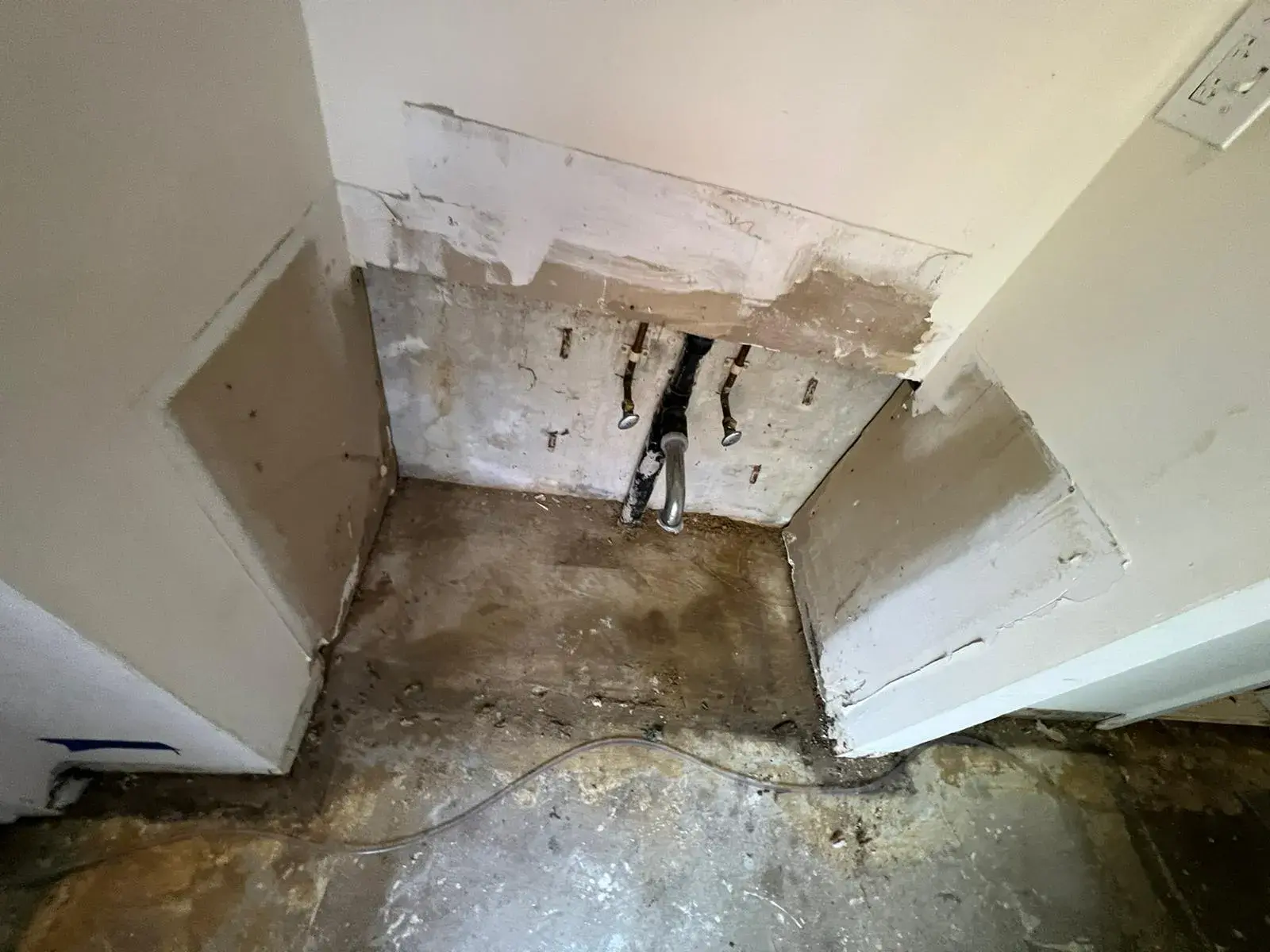
Detecting foundation problems early requires understanding subtle warning signs. Hairline cracks in basement walls often indicate water pressure issues. Efflorescence—white mineral deposits on concrete surfaces—reveals that water is moving through the foundation, carrying dissolved minerals with it. Musty odors in basements suggest persistent moisture that may be affecting foundation integrity. Professional emergency water restoration teams use moisture meters and thermal imaging to identify foundation-related water issues before they cause irreversible damage.
Wood Framing Deterioration and Structural Stability Concerns
Wood framing forms the skeleton of most residential structures in Reseda. When this critical component absorbs moisture, its structural properties change dramatically. Fresh lumber typically contains 15-19% moisture content. When exposure to water raises this level above 20%, wood becomes susceptible to rot, dimensional instability, and insect infestation. At moisture levels exceeding 30%, decay fungi begin colonizing the wood, consuming cellulose and lignin that provide structural strength.
The consequences of compromised wood framing extend throughout the entire building. Load-bearing walls lose their capacity to support upper floors and roof systems. Floor joists develop sag as their stiffness decreases, creating uneven walking surfaces and potential collapse hazards. Roof trusses weakened by water damage may fail under snow loads or during high winds, creating catastrophic safety risks. These scenarios explain why residential flood damage must be addressed with urgency rather than treated as a cosmetic inconvenience.
Wood rot typically begins in hidden locations where moisture accumulates without adequate ventilation. Rim joists at foundation interfaces, wall cavities with plumbing penetrations, and attic areas with roof leaks are common initiation points. The decay spreads from these origins, often remaining invisible until structural failure becomes imminent. Yostin Water Damage & Restoration Inc employs advanced detection methods including moisture mapping and infrared thermography to locate these hidden problem areas before they compromise structural safety.
Treatment of water-damaged wood framing ranges from targeted drying to complete replacement depending on deterioration extent. Surface moisture can sometimes be reversed through aggressive dehumidification and air circulation. However, wood that has developed rot or significant dimensional changes typically requires removal and replacement. This decision requires professional assessment because visual inspection alone cannot determine the internal condition of framing members. Structural engineers may need to evaluate whether temporary supports are necessary during restoration work to maintain building stability.
Electrical and Mechanical System Risks from Moisture Exposure
Water intrusion threatens electrical systems in ways that create both immediate dangers and long-term reliability issues. When moisture contacts electrical components, it creates conductive paths that can cause short circuits, equipment damage, and fire hazards. Corrosion develops on connections, increasing electrical resistance and generating heat that further accelerates deterioration. Circuit breakers, outlets, switches, and wiring all suffer progressive damage when exposed to moisture, even if they continue functioning initially.
The risks extend beyond obvious electrical hazards. Water that infiltrates electrical panels can cause ground faults that trip breakers repeatedly, making portions of the property unusable. Moisture in junction boxes creates arcing conditions that may ignite surrounding materials. Damaged wiring insulation allows current leakage that wastes energy and creates shock hazards. These problems often develop gradually, making them difficult to trace back to their water intrusion origins weeks or months after the initial incident.
Mechanical systems including heating, ventilation, and air conditioning equipment face similar challenges when exposed to water. Furnaces and air handlers contain electrical components susceptible to moisture damage. Ductwork that becomes wet provides ideal conditions for mold growth, which then distributes spores throughout the property via the HVAC system. Water heaters, if affected by flooding, may develop rust and mineral buildup that reduces efficiency and shortens service life. Addressing these concerns requires comprehensive flood cleanup Reseda approaches that consider all affected building systems.
Yostin Water Damage & Restoration Inc coordinates with licensed electricians and HVAC technicians when water damage affects these critical systems. Restoration work cannot be considered complete while electrical or mechanical hazards remain. Professional water mitigation expert teams understand that safety must take priority over cosmetic repairs. They ensure that all affected systems are inspected, tested, and either certified safe or replaced before restoration work concludes. This comprehensive approach protects property occupants from the hidden dangers that moisture exposure creates in these essential building systems.
The Hidden Epidemic: Mold Growth and Indoor Air Quality Deterioration
Mold represents one of the most insidious consequences of unresolved water intrusion. Spores exist everywhere in the environment, waiting for suitable conditions to colonize and reproduce. When building materials remain damp for 24-48 hours, mold finds the moisture it needs to establish growth. Once established, colonies expand rapidly, consuming organic materials and releasing additional spores that spread contamination throughout the property.
The health implications of mold exposure vary widely among individuals. Some people experience no noticeable effects, while others develop respiratory symptoms, allergic reactions, or chronic health conditions. Children, elderly individuals, and those with compromised immune systems face the greatest risks. Common symptoms include coughing, wheezing, nasal congestion, eye irritation, and skin rashes. Long-term exposure may contribute to the development of asthma or other chronic respiratory conditions, though research continues to clarify these connections.
Beyond health concerns, mold causes property damage that intensifies over time. The organisms consume cellulose, the primary component of wood and paper products. Drywall, insulation, carpeting, and structural lumber all provide nutrition for mold colonies. As they consume these materials, structural integrity decreases and surfaces become permanently stained and odorous. The characteristic musty smell associated with mold indicates the presence of microbial volatile organic compounds (MVOCs), chemical byproducts of fungal metabolism that can themselves cause health effects.
Preventing mold requires controlling moisture at its source. This fundamental principle drives effective water damage restoration strategies. Simply killing surface mold with biocides provides only temporary relief if underlying moisture problems persist. New colonies will establish themselves repeatedly until water intrusion is completely resolved and affected materials are properly dried or removed. Yostin Water Damage & Restoration Inc emphasizes this principle in every restoration project, understanding that successful mold prevention service depends on comprehensive moisture control rather than superficial treatments.
Detection of hidden mold growth challenges property owners who may not realize contamination exists until it becomes extensive. Visible mold on surfaces represents only a small fraction of total growth in many cases. Colonies thrive in wall cavities, beneath flooring, above ceiling tiles, and within HVAC systems where they remain invisible until removal of affected materials reveals the extent of contamination. Professional water removal Reseda services include thorough inspection of these hidden areas to identify mold growth before it spreads further.
Remediation strategies vary based on contamination extent and affected materials. Small areas of surface mold on non-porous materials can sometimes be cleaned and sanitized. Porous materials including drywall, insulation, and carpeting typically require removal when contaminated because spores penetrate deeply into these substrates where cleaning cannot reach them. Containment barriers and negative air pressure prevent spore distribution during removal activities. Post-remediation verification ensures that all contamination has been successfully addressed before reconstruction begins.
Insulation Performance Loss and Energy Efficiency Impacts
Insulation materials lose their thermal resistance when saturated with water. The air pockets that normally provide insulating value become filled with moisture, which conducts heat far more efficiently than air. Wet insulation may retain only 10-20% of its original R-value, dramatically increasing heating and cooling costs while reducing occupant comfort. This performance degradation persists even after insulation appears dry because the material's cellular structure may be permanently compromised.
Different insulation types respond variably to water exposure. Fiberglass batts absorb moisture readily and compress when wet, creating gaps that allow thermal bridging. Cellulose insulation, made from recycled paper products, becomes a sodden mass that promotes mold growth and loses all insulating properties. Spray foam insulation generally resists water better than fibrous materials but can trap moisture against structural components if not properly detailed. Understanding these material-specific behaviors helps restoration professionals determine which insulation requires replacement versus thorough drying.
The economic impact of compromised insulation extends beyond immediate energy costs. HVAC systems must work harder to maintain comfortable temperatures, accelerating wear and shortening equipment lifespan. Temperature differentials between heated or cooled interior spaces and wet insulation create condensation that introduces additional moisture into wall and ceiling cavities. This secondary moisture source perpetuates the damage cycle, making comprehensive emergency water restoration essential to breaking the pattern of ongoing deterioration.
Yostin Water Damage & Restoration Inc evaluates insulation condition as part of every water damage assessment. Thermal imaging cameras reveal temperature patterns that indicate wet or missing insulation. Moisture meters confirm whether insulation has absorbed water and whether drying efforts have successfully restored normal moisture levels. When replacement becomes necessary, restoration teams coordinate with insulation contractors to ensure that new materials are properly installed and that vapor barriers are correctly positioned to prevent future moisture accumulation.
Property owners often underestimate the importance of addressing insulation damage promptly. Unlike visible water stains or damaged flooring, wet insulation remains hidden behind walls and above ceilings where its deteriorating condition goes unnoticed. Meanwhile, energy costs climb month after month, and the moisture trapped in the insulation continues damaging surrounding structural components. This hidden damage explains why professional water extraction service should always include comprehensive assessment of insulation systems rather than focusing solely on visible damage.
Flooring Systems: From Surface Damage to Subfloor Failure
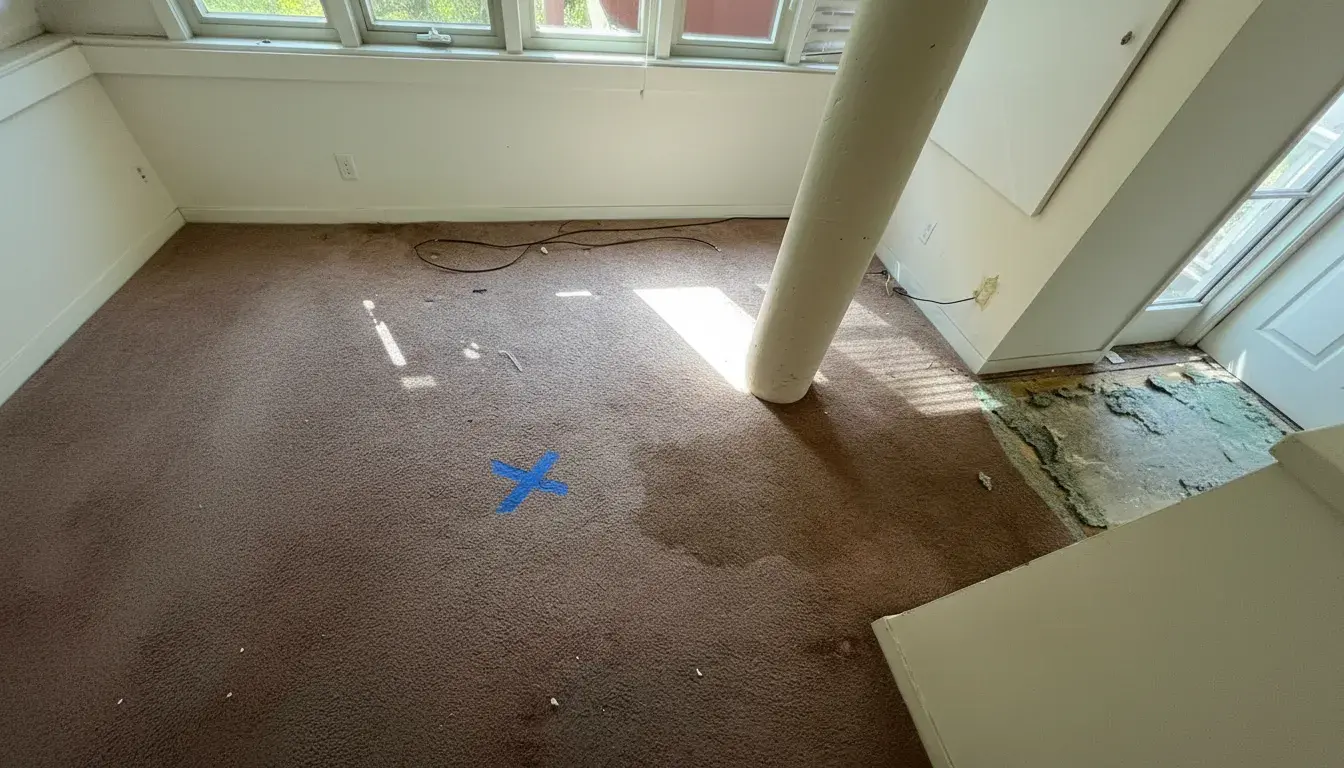
Flooring represents one of the most visually apparent casualties of water intrusion, yet the damage extends far deeper than surface appearances suggest. Hardwood floors cup, crown, and buckle as moisture content varies across their thickness. Laminate flooring delaminates and swells at seams. Tile installations experience grout deterioration and adhesive failure. Carpeting becomes stained, odorous, and contaminated with microorganisms. These surface problems, while concerning, often pale in comparison to the subfloor damage developing beneath.
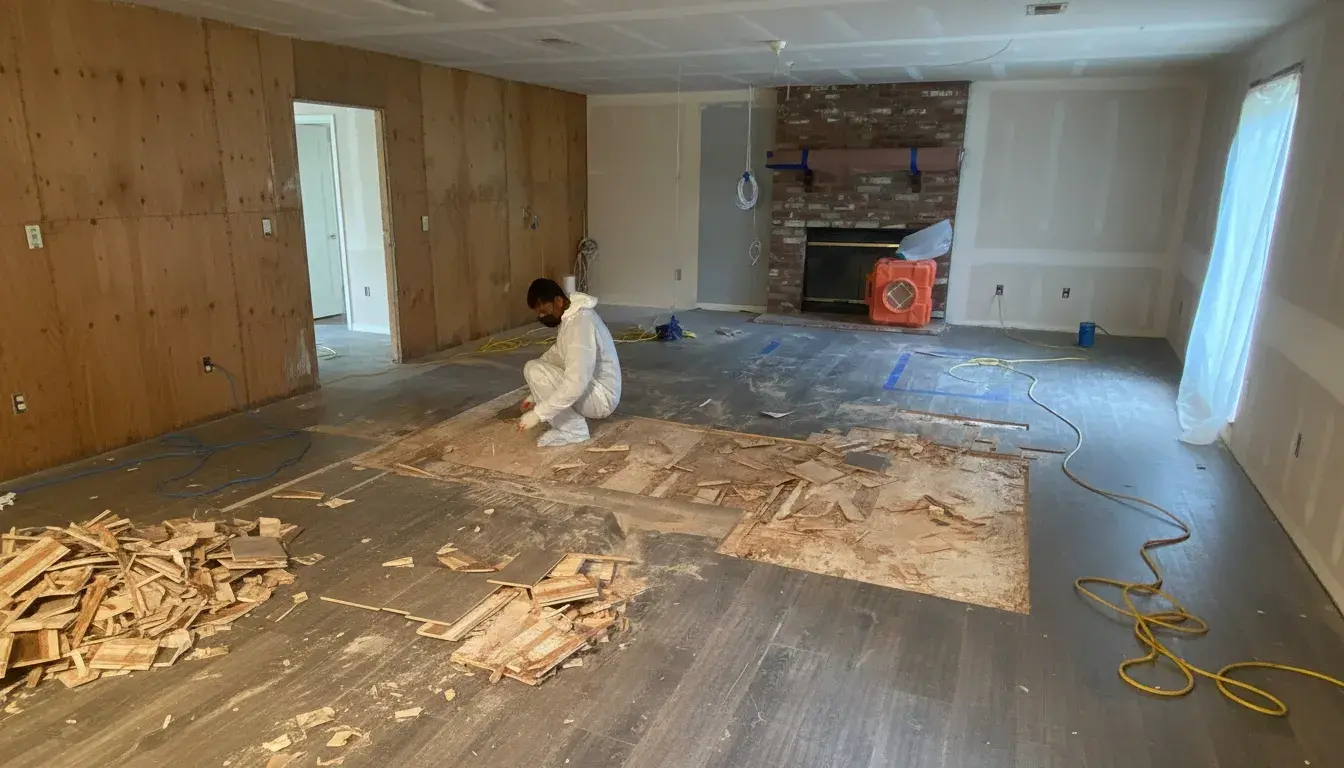
Subfloors provide the structural foundation for finish flooring materials. Plywood and oriented strand board (OSB) commonly used in subfloor applications absorb water readily, swelling and losing structural integrity. As these panel products cycle between wet and dry conditions, they delaminate and lose their ability to hold fasteners. Floor squeaks, bounce, and unevenness indicate that subfloor damage has progressed to a point requiring intervention. In severe cases, subfloor failure can create safety hazards including collapse under load.
The decision to repair versus replace flooring systems depends on multiple factors including water contamination level, exposure duration, and material type. Clean water from supply line failures may allow successful drying of some flooring materials if addressed within hours. Gray water from appliance discharges or groundwater seepage typically requires more aggressive treatment and selective replacement. Black water from sewage backups demands complete removal of affected flooring and subfloor materials due to health hazards and impossibility of adequate sanitization.
Burst pipe restoration often involves extensive flooring damage because supply lines operate under continuous pressure, releasing large volumes of water quickly. By the time the water supply is shut off, thousands of gallons may have saturated flooring systems throughout multiple rooms. The urgency of addressing these situations cannot be overstated—every hour of delay allows water to penetrate more deeply into subfloor materials and migrate to adjacent areas. Yostin Water Damage & Restoration Inc provides 24/7 emergency response specifically because time-sensitive situations like burst pipes require immediate intervention to minimize long-term structural damage.
Moisture mapping guides flooring restoration decisions by revealing the full extent of water penetration. Technicians document moisture readings throughout affected areas, creating a comprehensive picture of which sections require removal and which might be salvageable through aggressive drying. This systematic approach prevents both over-removal of materials that could be saved and under-treatment that leaves hidden damage to cause problems later. Professional documentation also provides insurance companies with the evidence needed to process claims efficiently.
Preventing Cascade Failures: Why Immediate Response Matters
Structural damage from water intrusion follows a cascade pattern where initial problems create conditions that cause additional failures. A roof leak that wets ceiling insulation creates extra weight that stresses ceiling joists. The stressed joists deflect more than designed, pulling drywall screws loose. The gaps around screws allow additional water intrusion, accelerating insulation saturation. Meanwhile, the wet insulation contacts electrical wiring, creating corrosion that leads to electrical failures. This chain reaction demonstrates why comprehensive water damage repair Reseda must address all affected systems rather than just the most visible damage.
Property owners sometimes attempt to save money by addressing only obvious damage while ignoring hidden moisture. This approach virtually guarantees that additional problems will emerge over subsequent weeks and months. What might have been a manageable restoration project becomes a major reconstruction effort as cascade failures multiply. The false economy of incomplete restoration work costs far more in the long run than comprehensive treatment would have required initially.
Insurance considerations also favor immediate, thorough response to water damage. Most policies require property owners to mitigate damage promptly to prevent secondary losses. Delays that allow mold growth or structural deterioration may result in claim denials or reduced payouts. Documentation of immediate response efforts helps establish that the property owner acted responsibly to minimize damage. Yostin Water Damage & Restoration Inc provides detailed documentation of all restoration activities, creating a clear timeline that demonstrates appropriate mitigation efforts for insurance purposes.
The psychological toll of ongoing water damage problems affects property occupants in ways that extend beyond structural concerns. Persistent musty odors, visible damage, and uncertainty about hidden problems create stress and reduce quality of life. Occupants may experience anxiety about health effects or worry that their property is becoming uninhabitable. These concerns are legitimate and deserve attention equal to the physical restoration work. Addressing water damage comprehensively and professionally provides peace of mind along with structural integrity.
Emergency water restoration protocols prioritize actions that prevent cascade failures. Immediate water extraction removes the moisture source, while rapid deployment of drying equipment begins reducing humidity levels within affected spaces. Containment barriers prevent water migration to unaffected areas. Moisture monitoring ensures that drying efforts continue until materials return to normal moisture content. Each of these steps interrupts the cascade failure process at a different point, providing multiple layers of protection against long-term structural compromise.
Real-World Impact: A Restoration Professional's Perspective
During one particularly challenging project, a restoration technician from Yostin Water Damage & Restoration Inc encountered a situation that would stay with them for years to come. The property owners, a young family with two small children, had experienced what seemed like a minor leak from an upstairs bathroom. They'd placed towels to absorb the water and thought little more about it, unaware that moisture was silently infiltrating the wall cavity and spreading to the floor system below. Three months later, when a bedroom ceiling suddenly sagged and cracked, they realized something was terribly wrong. The technician arrived to find the family displaced from their home, the children frightened, and the parents devastated by the extent of damage that had developed from what they'd considered an insignificant incident. As the restoration work progressed, revealing structural damage that could have been prevented with immediate intervention, the technician felt a profound sense of purpose in helping this family understand how to recognize warning signs and respond appropriately to future incidents. The gratitude in the parents' eyes when they could finally move back into their fully restored, safe home—knowing their children would sleep soundly without structural concerns overhead—reinforced why water damage restoration represents more than just a job. It's about protecting families, preserving their most valuable asset, and providing education that prevents future tragedies. That experience transformed the technician's approach to every subsequent project, instilling a passion for thorough communication with property owners about the critical importance of immediate response to any water intrusion, no matter how minor it might initially appear.
The Financial Reality of Delayed Water Damage Restoration
The cost differential between immediate and delayed water damage restoration often surprises property owners. A water intrusion event addressed within the first 24-48 hours might require only water extraction, strategic material removal, and thorough drying—typically a fraction of the cost of allowing damage to progress. That same incident left unaddressed for weeks or months may necessitate foundation repairs, structural framing replacement, mold remediation, and reconstruction of multiple building systems. The expense can increase tenfold or more based solely on response timing.
Insurance coverage considerations compound these financial realities. Policies typically distinguish between sudden, accidental water damage (usually covered) and damage resulting from lack of maintenance or delayed response (often excluded). A burst pipe addressed immediately qualifies as a covered peril. Water damage from that same pipe that was allowed to continue for days while the property owner procrastinated might be denied as resulting from negligence. Understanding these distinctions emphasizes why professional water mitigation expert involvement provides value beyond the immediate restoration work.
Property values suffer when water damage histories become known to potential buyers. Even after complete restoration, disclosure requirements may mandate informing buyers about previous water intrusion events. Buyers often negotiate significant price reductions or request extensive documentation proving that all damage was properly addressed. Properties with incomplete restoration or ongoing moisture issues may become virtually unsalable until problems are resolved. These long-term financial consequences far exceed the cost of thorough, immediate restoration work.
Yostin Water Damage & Restoration Inc approaches each project with an understanding of these financial realities. Detailed estimates outline the work required to prevent long-term structural damage rather than merely addressing cosmetic concerns. While comprehensive restoration requires meaningful investment, it proves far less expensive than dealing with structural failures, health issues, and property devaluation that result from inadequate treatment. The company's commitment to thorough, professional work protects clients' long-term financial interests alongside their immediate property concerns.
The hidden costs of water damage extend to reduced functionality and comfort within affected properties. Rooms rendered unusable by ongoing restoration work reduce available living or working space. Displacement costs for temporary housing add to direct restoration expenses. Business interruption losses for commercial properties can dwarf the physical restoration costs. These indirect expenses reinforce why rapid response and efficient restoration processes matter—they minimize disruption and allow property occupants to resume normal activities as quickly as possible.
Reseda-Specific Challenges: Climate, Construction, and Water Damage
Reseda's climate and typical construction methods create specific vulnerabilities to water damage that restoration professionals must understand. The region's seasonal rainfall patterns mean that most water intrusion occurs during winter months when storms test roofing systems, exterior cladding, and drainage infrastructure. Properties built during different eras feature varying construction details—older homes may lack modern moisture barriers and flashing systems that protect contemporary structures. These factors influence both water damage likelihood and appropriate restoration approaches.
Soil conditions throughout the area affect foundation performance and drainage characteristics. Areas with expansive clay soils experience seasonal volume changes that stress foundation systems and can create pathways for water intrusion. Properties at the base of slopes face increased runoff exposure during heavy rains. Understanding these site-specific factors helps restoration professionals identify likely water intrusion points and address underlying vulnerabilities that might otherwise cause recurring problems.
Building codes and construction practices have evolved significantly over the decades, meaning that Reseda properties built in different periods present different restoration challenges. Mid-century construction often featured tar-and-gravel roofing, copper plumbing, and minimal insulation—each requiring specific approaches when water damage occurs. More recent construction includes oriented strand board sheathing, PEX plumbing, and sophisticated HVAC systems that react differently to moisture exposure than materials used in older properties. Yostin Water Damage & Restoration Inc maintains expertise across these varying construction types, ensuring appropriate restoration techniques for properties regardless of their age or construction method.
The relationship between local water infrastructure and property-specific plumbing affects burst pipe risk and appropriate prevention strategies. Water pressure variations, pipe age, and installation quality all influence failure likelihood. Properties with original plumbing systems reaching 40-50 years old face exponentially increasing failure risk as corrosion, mineral buildup, and material fatigue accumulate. Proactive replacement of aging plumbing represents sound financial planning when weighed against the cost of catastrophic water damage from system failures.
Landscaping and grading around Reseda properties significantly impact water intrusion risk. Improper drainage slopes that direct water toward rather than away from foundations create persistent moisture exposure. Sprinkler systems installed too close to structures introduce water directly against exterior walls. Mature trees with extensive root systems can damage sewer lines and create pathways for groundwater infiltration. These site-specific factors require assessment during water damage restoration to prevent recurring problems from unaddressed underlying causes.
Professional Expertise: The Difference Between Restoration and Reconstruction
Understanding the distinction between water damage restoration and complete reconstruction helps property owners make informed decisions about how to proceed after water intrusion events. Restoration aims to return the property to its pre-loss condition through drying, cleaning, and selective repairs. Reconstruction becomes necessary when structural damage has progressed beyond the point where restoration techniques can adequately address the problems. The line between these approaches depends on damage extent, safety considerations, and cost-effectiveness of different repair strategies.
Professional assessment determines which approach best serves the property and its occupants. Structural engineers may evaluate whether framing members can be salvaged or require replacement. Industrial hygienists assess whether mold contamination can be remediated or if affected materials must be removed. Electricians determine whether wiring can be safely reused or needs replacement. These specialized evaluations ensure that restoration decisions prioritize safety and long-term performance rather than merely achieving the lowest possible cost.
Yostin Water Damage & Restoration Inc coordinates these various specialists when projects require expertise beyond standard restoration work. This collaborative approach ensures that all aspects of water damage receive appropriate attention from qualified professionals. Property owners benefit from comprehensive solutions that address both immediate damage and underlying vulnerabilities, reducing the likelihood of recurring problems.
The technology available to modern restoration professionals far exceeds what was possible even a decade ago. Thermal imaging cameras reveal moisture in hidden locations without destructive investigation. Moisture meters provide precise readings of water content in various building materials. Hydroxyl generators and ozone machines sanitize affected spaces without toxic chemical residues. Low-grain refrigerant dehumidifiers extract moisture far more efficiently than conventional equipment. These technological advances enable more thorough restoration with less property disruption than historical methods required.
Documentation throughout the restoration process serves multiple purposes. Photographic evidence of damage extent supports insurance claims and provides a baseline for measuring progress. Moisture readings logged daily create a verifiable record of drying effectiveness. Detailed inventories of removed materials help prevent disputes about what was discarded versus salvaged. This comprehensive documentation protects both property owners and restoration companies by creating clear records of all work performed and decisions made throughout the project.
Proactive Measures: Reducing Long-Term Water Damage Risk
Prevention strategies significantly reduce water damage likelihood, protecting properties from the structural risks that water intrusion creates. Regular roof inspections identify failing shingles, damaged flashing, and deteriorating sealants before they allow leaks to develop. Gutter cleaning prevents overflow that can saturate fascia boards and infiltrate wall cavities. These simple maintenance activities provide enormous value relative to their modest cost.
Plumbing system monitoring catches developing problems before they cause catastrophic failures. Water heater replacement at appropriate intervals prevents tank failures that flood properties with dozens of gallons. Supply line inspections identify corrosion, mineral buildup, and other conditions that precede burst pipes. Installing automatic shutoff valves that activate when unusual water flow is detected provides additional protection against supply line failures during unoccupied periods.
Grading and drainage improvements address water intrusion from external sources. Extending downspouts away from foundations prevents soil saturation adjacent to basement walls. Installing French drains intercepts groundwater before it can enter crawl spaces. Waterproofing foundation exteriors creates barriers against moisture infiltration. While these improvements require meaningful investment, they prove far less expensive than repeated water damage restoration work or the structural repairs that chronic moisture exposure necessitates.
Yostin Water Damage & Restoration Inc helps property owners develop comprehensive maintenance plans that reduce water damage risk. These strategies consider property-specific vulnerabilities based on construction type, age, location, and historical problem areas. Preventive maintenance proves especially valuable for properties with previous water damage, where underlying vulnerabilities may persist even after successful restoration. Taking a proactive stance protects structural integrity while providing peace of mind that comes from addressing potential problems before they cause damage.
Interior monitoring strategies complement external prevention measures. Checking under sinks and around toilets periodically reveals minor leaks before they cause extensive damage. Installing leak detection devices near water heaters, washing machines, and other appliances provides early warning of problems. Being attentive to subtle signs including musty odors, discolored walls, or unexplained increases in water bills helps identify developing issues while intervention remains relatively simple and inexpensive.
The relationship between property owners and professional restoration companies ideally extends beyond emergency response to include preventive consultation and periodic assessments. Establishing these relationships before emergencies occur ensures that property owners know exactly who to contact when problems develop and that restoration professionals understand property-specific characteristics that influence appropriate response strategies. This proactive relationship model serves everyone's interests by enabling faster, more effective intervention when water damage occurs.
Long-term structural risks from water intrusion represent serious threats to property value, occupant safety, and financial stability. Understanding how moisture affects different building systems, why immediate response proves essential, and what prevention strategies reduce future risk empowers property owners to protect their investments effectively. While water damage can never be completely eliminated as a possibility, informed preparation and rapid professional response when incidents occur minimize the devastating long-term consequences that uncontrolled water intrusion creates. Yostin Water Damage & Restoration Inc stands ready to provide the expertise, technology, and comprehensive service that successful water damage restoration demands, protecting Reseda properties from the cascade failures that turn minor incidents into major structural crises.