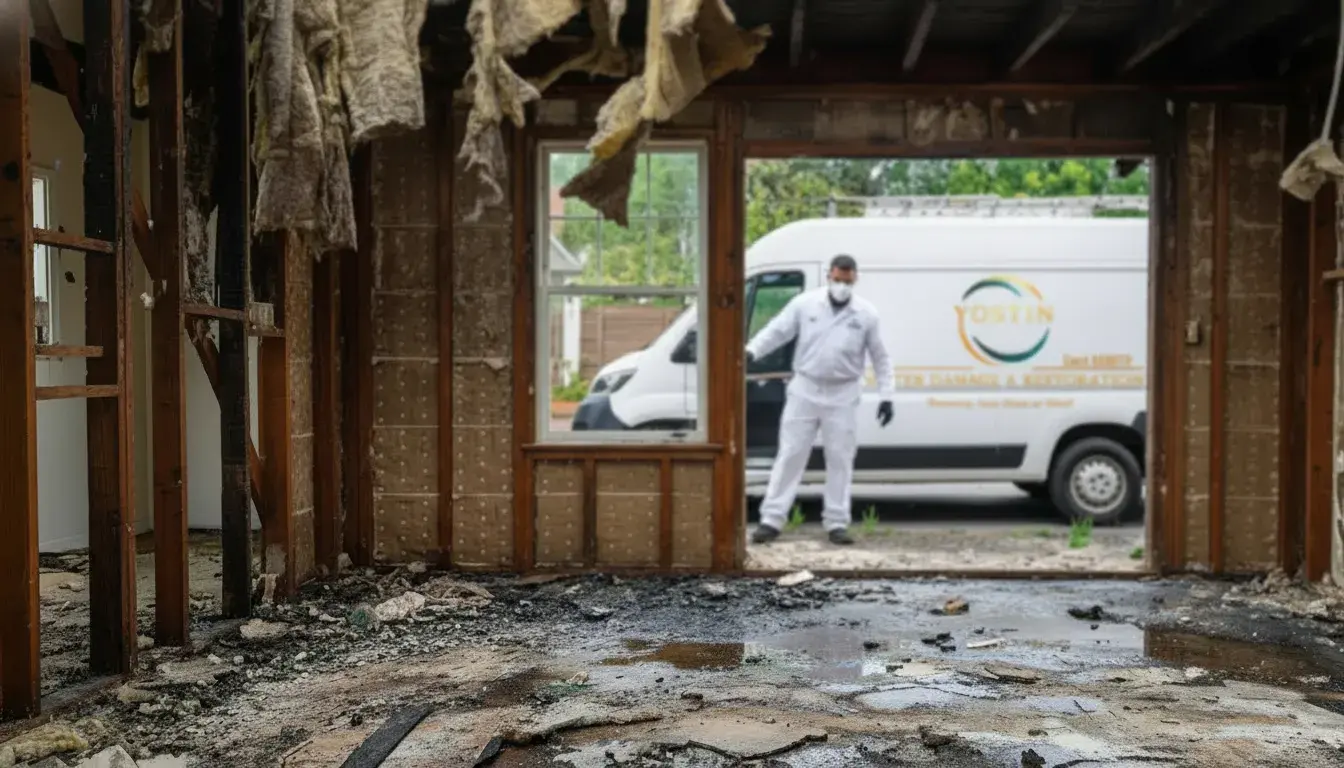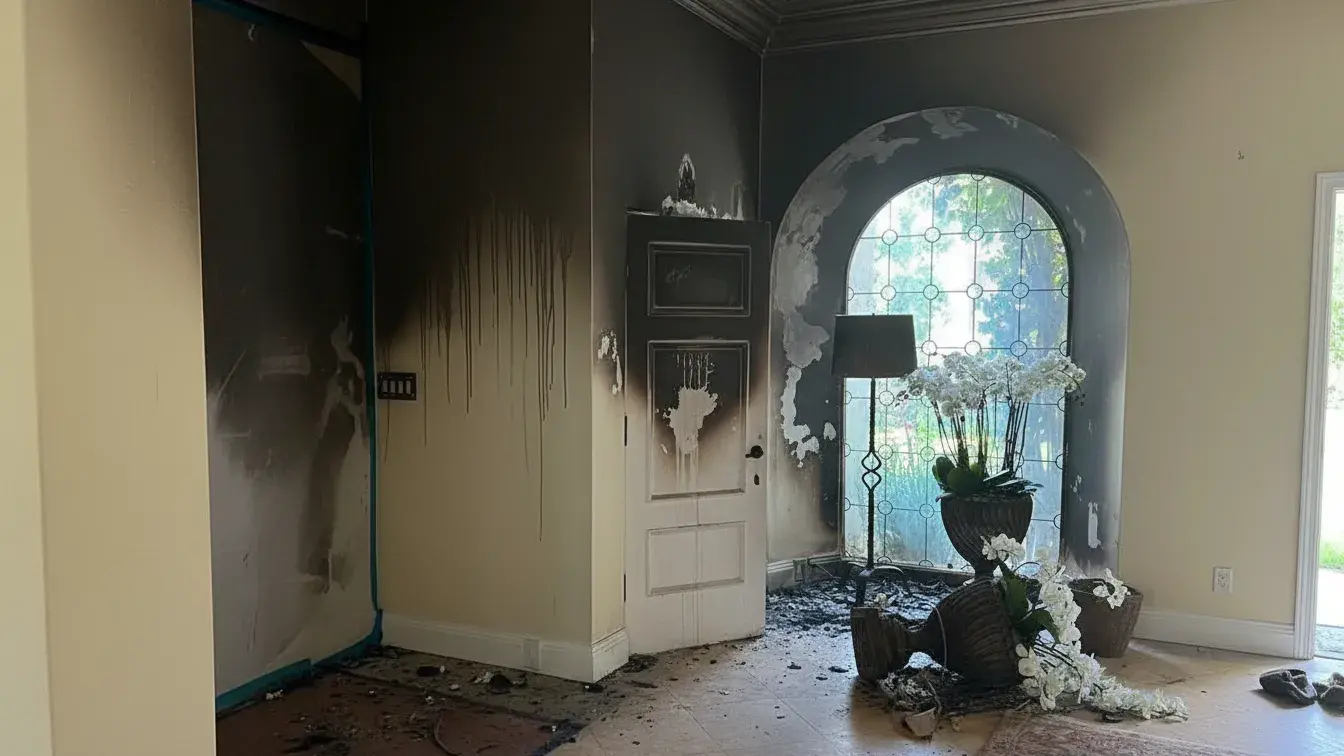
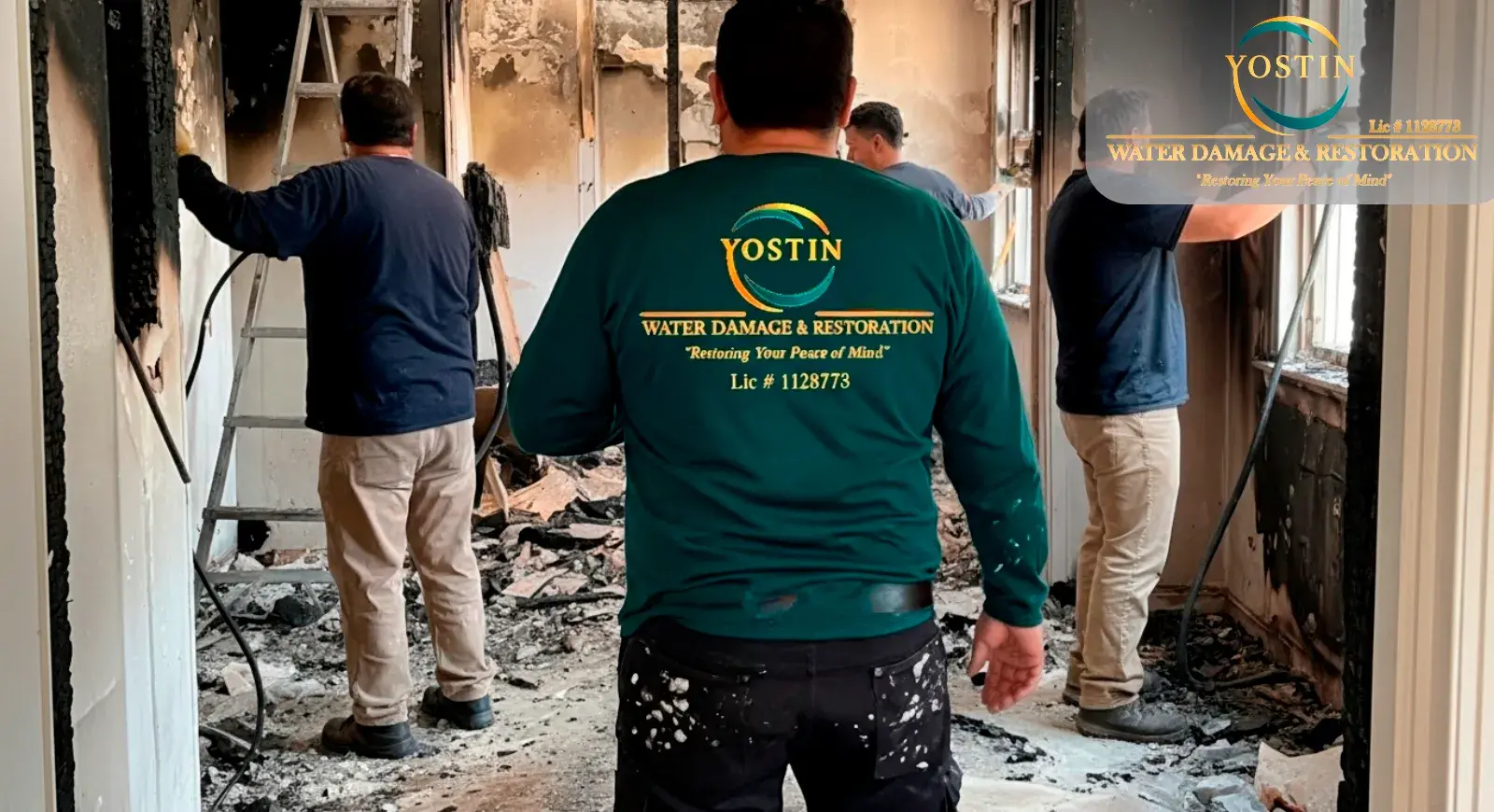
When disaster strikes and flames consume a property, the aftermath presents challenges that extend far beyond the visible damage. Fire damage restoration in Reseda requires navigating a complex landscape of environmental regulations, municipal codes, and safety standards designed to protect both people and the environment. Property owners facing the daunting task of recovery must understand that fire cleanup isn't simply about removing debris and replacing damaged materials—it's about compliance with stringent governmental oversight that ensures every step of the restoration process meets established safety benchmarks.
The Environmental Protection Agency sets forth comprehensive guidelines governing how fire damage restoration must be conducted, particularly when hazardous materials are involved. These federal standards work in tandem with local Reseda fire damage regulations to create a framework that restoration professionals must follow meticulously. Understanding these requirements becomes essential for anyone dealing with fire damage recovery, as non-compliance can result in significant penalties, project delays, and potential health hazards that linger long after the flames have been extinguished.
The regulatory framework governing fire restoration services
The intersection of federal and local authority creates a multi-layered approach to fire damage repair Reseda residents must navigate. The EPA's jurisdiction primarily focuses on hazardous waste management, air quality standards, and the handling of toxic substances that fires often release or expose. When structures burn, they release countless pollutants into the air and leave behind residues containing heavy metals, asbestos fibers, and chemical compounds that pose serious health risks. Emergency fire cleanup operations must address these contaminants according to strict EPA protocols that dictate proper containment, removal, and disposal methods.
City code enforcement in Reseda operates alongside federal regulations, establishing local building standards, structural safety requirements, and zoning compliance that govern how properties can be restored after fire events. These municipal codes address everything from the structural integrity of damaged buildings to the permitting process for reconstruction work. Fire damage restoration professionals working with Yostin Water Damage & Restoration Inc understand that every project requires coordination with local building inspectors who verify that restoration work meets current code standards, which may have evolved since the original construction was completed.
The complexity increases when smoke damage restoration involves materials manufactured before modern safety standards were implemented. Older buildings often contain asbestos insulation, lead-based paints, and other hazardous materials that become airborne health threats when disturbed by fire and subsequent cleanup activities. The EPA's National Emission Standards for Hazardous Air Pollutants specifically regulate how these materials must be handled during fire damage assessment and removal. Certified professionals must conduct thorough testing before beginning work, establish containment zones to prevent cross-contamination, and follow specialized removal procedures that protect workers and occupants.
Reseda's position within Los Angeles County adds another layer of regulatory oversight, as regional air quality management districts impose additional restrictions on activities that could impact air quality during fire restoration services. The South Coast Air Quality Management District maintains some of the nation's strictest emissions standards, requiring restoration companies to use low-VOC cleaning products, implement dust control measures, and sometimes obtain special permits for activities that could release particulates into the atmosphere. These regional requirements reflect the area's ongoing struggle with air quality challenges and demonstrate how local environmental conditions shape regulatory frameworks.
Hazardous materials management during smoke damage restoration
Fire damage restoration in Reseda frequently encounters hazardous materials that require specialized handling under EPA supervision. When synthetic materials burn, they produce toxic residues including dioxins, furans, and polycyclic aromatic hydrocarbons that settle on surfaces throughout affected structures. These compounds don't simply wash away with conventional cleaning—they require targeted remediation techniques using EPA-approved cleaning agents and methods. Yostin Water Damage & Restoration Inc technicians receive extensive training in identifying and addressing these contamination challenges while maintaining full regulatory compliance.
The EPA's Resource Conservation and Recovery Act establishes the legal framework for managing hazardous waste generated during emergency fire cleanup operations. This legislation categorizes waste materials based on their chemical composition and potential environmental impact, requiring different handling, storage, and disposal procedures for each classification. Fire-damaged materials containing heavy metals, chemical residues, or other toxic components cannot be disposed of in standard landfills—they must be transported to specially licensed facilities equipped to process hazardous waste safely. Documentation requirements are extensive, creating a paper trail that tracks hazardous materials from the moment they're identified at the fire scene through their ultimate disposal.
Asbestos management represents one of the most heavily regulated aspects of fire damage repair Reseda contractors encounter. Buildings constructed before 1980 commonly contain asbestos in insulation, ceiling tiles, floor coverings, and textured wall finishes. Fire exposure can damage these materials, releasing microscopic fibers that cause severe respiratory diseases when inhaled. The EPA's Asbestos Hazard Emergency Response Act and National Emission Standards for Hazardous Air Pollutants mandate specific protocols for asbestos testing, containment, removal, and disposal. Only licensed asbestos abatement contractors can perform this work, and they must notify regulatory agencies before beginning removal activities, follow strict containment procedures, and dispose of asbestos-containing materials at approved facilities.
Lead-based paint presents similar challenges during smoke odor removal and surface restoration. When fire damages surfaces coated with lead paint, the heat can vaporize lead particles, which then settle throughout the structure. Subsequent cleaning activities can further disturb lead residues, creating inhalation and ingestion hazards particularly dangerous to children and pregnant women. EPA regulations under the Lead Renovation, Repair, and Painting Rule require certified professionals to use lead-safe work practices including containment, specialized cleaning techniques, and careful waste disposal. Testing before and after remediation confirms that lead levels have been reduced to safe thresholds, protecting future occupants from this persistent neurotoxin.
Environmental compliance in water and fire damage scenarios
The combination of water and fire damage creates unique environmental challenges that intensify regulatory scrutiny. When fire suppression efforts introduce thousands of gallons of water into structures already compromised by flames, the resulting contamination often includes not only fire-related pollutants but also sewage backflows, chemical spills, and biological hazards. The EPA's Clean Water Act governs how this contaminated water can be handled and discharged, prohibiting the release of pollutants into storm drains, waterways, or soil without proper treatment. Yostin Water Damage & Restoration Inc maintains specialized equipment for containing and treating contaminated water according to these federal standards, preventing environmental damage beyond the fire scene itself.
Mold growth following water and fire damage introduces additional regulatory considerations. While mold remediation isn't directly regulated by the EPA at the federal level, the agency provides guidelines that many states and localities have adopted as enforceable standards. When fire restoration services involve addressing mold contamination, professionals must follow protocols for containment, removal, and prevention that protect both workers and building occupants. The CDC and EPA jointly recommend specific air filtration equipment, personal protective gear, and cleaning methods for different levels of mold contamination, creating a framework that responsible restoration companies follow even where not legally mandated.
Stormwater management during fire damage recovery requires careful attention to erosion control and runoff prevention. Fire-damaged properties often have compromised drainage systems and exposed soil vulnerable to erosion, particularly in Reseda's hilly areas. City code enforcement officers monitor construction sites to ensure proper erosion controls are implemented, preventing sediment and contaminants from washing into the municipal stormwater system. Best management practices include silt fencing, sediment basins, and temporary vegetation that stabilize disturbed areas while restoration work progresses. These measures protect local water quality and demonstrate the interconnected nature of environmental regulations affecting fire restoration services.
Structural safety standards and building code compliance
Beyond environmental concerns, fire damage assessment must address structural integrity according to building codes designed to protect public safety. California's stringent seismic standards mean that fire-damaged structures in Reseda require engineering evaluations to verify they can still withstand earthquake forces. When fire weakens structural elements like steel beams, wooden framing, or concrete columns, the building may no longer meet the load-bearing requirements established by code. Structural engineers provide detailed assessments documenting which elements require replacement or reinforcement, creating the technical foundation for permit applications and restoration plans.
The permitting process for Reseda fire damage repair connects property owners with city code enforcement personnel who review restoration plans against current building standards. This review often reveals that bringing fire-damaged structures into full compliance requires upgrades beyond simple repair—older buildings may need updated electrical systems, enhanced fire suppression equipment, improved accessibility features, or structural modifications that weren't required when originally constructed. While these additional requirements can increase restoration costs and timelines, they ultimately create safer, more resilient buildings that better protect occupants and withstand future disasters.
Fire damage restoration work itself must comply with workplace safety regulations administered by the Occupational Safety and Health Administration. OSHA standards protect restoration workers from the numerous hazards present in fire-damaged structures including unstable surfaces, airborne contaminants, electrical hazards, and confined spaces with inadequate oxygen levels. Yostin Water Damage & Restoration Inc implements comprehensive safety programs that exceed minimum OSHA requirements, providing workers with appropriate personal protective equipment, conducting regular safety training, and maintaining emergency response procedures for workplace incidents. This commitment to worker safety not only fulfills legal obligations but also ensures experienced professionals can safely perform the complex tasks fire restoration demands.
Air quality monitoring throughout the fire damage recovery process verifies that remediation efforts successfully eliminate health hazards. The EPA and local air quality authorities establish permissible exposure limits for various contaminants including particulate matter, volatile organic compounds, and specific toxic substances like formaldehyde and benzene. Professional restoration companies conduct baseline air quality testing before beginning work, monitor conditions throughout the project, and perform final clearance testing to confirm that indoor air meets safety standards before occupants return. This data-driven approach provides objective evidence that fire restoration services have effectively addressed contamination, protecting both liability and health.
One Yostin Water Damage & Restoration Inc technician recalls a particularly challenging fire restoration services project where every regulatory framework seemed to converge simultaneously. The century-old structure had suffered extensive fire damage that exposed layers of hazardous materials accumulated over decades—asbestos insulation throughout the attic, lead paint on every surface, and antiquated electrical systems that violated multiple current codes. Coordinating with EPA representatives, city building inspectors, air quality officials, and structural engineers while maintaining the project timeline required extraordinary attention to detail and communication. What made the experience truly meaningful was watching the property owner's tears of relief during the final walkthrough, when clearance testing confirmed the building was not only restored but safer than it had been in generations. That moment crystallized why regulatory compliance matters—it's not bureaucratic red tape but rather a framework ensuring that fire damage restoration genuinely returns properties to safe, healthy conditions that protect families for years to come.
Navigating compliance requirements for property owners
Property owners facing emergency fire cleanup often feel overwhelmed by the regulatory landscape, uncertain where to begin or which agencies to contact. The first critical step involves notifying insurance carriers, who typically require prompt documentation of fire damage and may have specific restoration contractors they prefer working with. However, insurance considerations must align with regulatory requirements—cutting corners to reduce costs or expedite timelines can result in non-compliant restoration work that creates future liability. Yostin Water Damage & Restoration Inc serves as a knowledgeable guide through this process, helping property owners understand which regulations apply to their specific situation and ensuring all necessary permits, notifications, and approvals are obtained before work begins.
The timeline for fire damage restoration in Reseda depends significantly on regulatory processes that cannot be rushed. Environmental testing for hazardous materials may require several days to complete as samples are sent to certified laboratories for analysis. Permit applications submitted to city building departments undergo review periods that vary based on project complexity and department workload. Engineering assessments of structural damage require thorough analysis and documentation. While property owners understandably want rapid restoration, attempting to bypass these regulatory checkpoints inevitably causes more significant delays when work must be halted for non-compliance. Experienced restoration professionals like those at Yostin Water Damage & Restoration Inc build realistic timelines that account for regulatory requirements, setting appropriate expectations and avoiding costly mistakes.
Documentation requirements throughout the fire damage repair Reseda process create a comprehensive record demonstrating compliance with all applicable regulations. This documentation includes hazardous material test results, waste disposal manifests, air quality monitoring data, permit approvals, inspection reports, and engineering certifications. While maintaining these records requires diligence, they provide essential protection if questions about restoration work arise months or years later. Future property sales, refinancing, or insurance claims may require evidence that fire restoration was completed according to code, making thorough documentation invaluable. Professional restoration companies maintain organized project files containing all regulatory documentation, providing property owners with complete records of compliant restoration work.
Coordinating with multiple regulatory agencies
Successful smoke damage restoration requires coordinating with numerous governmental entities, each with distinct jurisdictions and requirements. The EPA exercises federal authority over hazardous materials, the city building department enforces local construction codes, the regional air quality district regulates emissions, and sometimes state agencies become involved when projects impact wetlands, historical structures, or other specially protected resources. Yostin Water Damage & Restoration Inc maintains established relationships with regulatory personnel across these agencies, facilitating communication and ensuring no required approvals are overlooked. This coordination expertise prevents the frustrating scenario where work completed under one agency's approval violates another agency's requirements, necessitating costly corrections.
The inspection process involves multiple site visits by various officials evaluating different aspects of fire restoration services. Building inspectors verify structural repairs meet code requirements, examining foundation work, framing, electrical systems, and plumbing installations at various construction stages. Environmental inspectors may visit to confirm hazardous material abatement was performed correctly and waste was properly disposed. Fire marshals sometimes inspect to verify fire suppression systems, emergency exits, and fire-rated construction assemblies comply with current fire codes. Each inspection represents a regulatory checkpoint where non-compliant work must be corrected before proceeding, reinforcing why getting things right the first time is essential for efficient project completion.
Variances and exceptions sometimes become necessary when strict code compliance would create unreasonable hardship or when alternative approaches provide equivalent safety. The variance process allows property owners to request relief from specific code requirements by demonstrating to city officials that their situation warrants special consideration. For fire damage assessment cases involving historically significant buildings, design variances may permit restoration approaches that preserve architectural character while meeting modern safety standards through alternative means. Obtaining variances requires submitting detailed applications documenting why standard compliance is impractical and how proposed alternatives maintain safety, a process where experienced restoration contractors provide valuable assistance.
Long-term compliance and ongoing maintenance obligations
Fire damage restoration doesn't end when construction finishes—certain regulatory obligations continue long after property occupancy resumes. Some hazardous material remediation projects require ongoing monitoring to verify contamination doesn't recur, with periodic testing and documentation submitted to regulatory agencies. Buildings containing certain fire protection systems must maintain those systems according to manufacturer specifications and code requirements, with regular inspections and maintenance documented for building department review. Property owners should understand these continuing obligations before restoration begins, ensuring they're prepared for long-term compliance responsibilities.
The concept of "betterment" frequently arises during fire damage recovery, referring to improvements beyond simple restoration that increase property value. While betterment is primarily an insurance consideration, it intersects with regulatory compliance when code requirements mandate upgrades to damaged systems. For example, if fire damages an electrical panel manufactured before current code standards were adopted, building codes may require installing a modern panel meeting current safety standards rather than replacing the obsolete unit. Distinguishing between required code upgrades and optional betterment improvements helps property owners understand which expenses are mandated by regulation versus which provide value-added enhancements.
Climate resilience considerations increasingly influence building codes and fire damage restoration requirements. California's escalating wildfire risk has prompted code updates requiring fire-resistant construction materials, defensible space around structures, and ember-resistant vents in fire-prone areas. When fire restoration occurs in Reseda's wildland-urban interface zones, property owners may be required to implement these enhanced fire protection measures even if their original construction predated these requirements. Yostin Water Damage & Restoration Inc stays current with evolving code requirements, advising property owners about new standards that may affect their restoration project and implementing construction approaches that enhance long-term fire resistance.
The financial implications of regulatory compliance cannot be ignored, as proper fire damage restoration performed according to all applicable regulations typically costs more than substandard work cutting corners. However, this investment protects property values, ensures occupant safety, and prevents future liability from non-compliant restoration. Properties restored according to code maintain marketability and insurability, while structures with compliance issues face restrictions that can severely impact value. The higher upfront costs of compliant restoration pale compared to expenses incurred when non-compliant work must be corrected, particularly if discovered during property transactions or after causing harm.
The restoration process under regulatory oversight
Fire restoration services performed under full regulatory compliance follow a systematic process beginning with comprehensive damage assessment. Before any cleanup begins, Yostin Water Damage & Restoration Inc technicians document existing conditions through photographs, videos, and written reports that establish the scope of damage and identify potential hazards requiring special handling. This assessment phase includes testing for hazardous materials, evaluating structural integrity, and identifying damaged building systems needing repair or replacement. The assessment data informs restoration plans submitted to regulatory agencies for review and approval, creating the project roadmap that guides all subsequent work.
Containment and safety measures establish the controlled work environment necessary for compliant smoke odor removal and debris cleanup. Physical barriers prevent contamination from spreading to unaffected areas, negative air pressure systems ensure airborne particles don't escape containment zones, and air filtration equipment captures harmful particles before they can impact indoor or outdoor air quality. These containment protocols satisfy EPA requirements for hazardous material handling while protecting workers and nearby occupants from exposure. The investment in proper containment pays dividends by preventing contamination spread that would expand the restoration scope and increase project costs.
Debris removal and disposal represent major regulatory compliance challenges, as fire-damaged materials frequently contain substances requiring special handling. Mixed debris loads must be sorted to separate hazardous materials from general construction waste, with each category directed to appropriately licensed disposal facilities. Yostin Water Damage & Restoration Inc maintains waste tracking documentation showing what materials were removed from each property, where they were transported, and which facilities accepted them for disposal. This chain of custody documentation proves regulatory compliance and protects property owners from liability if waste is later found improperly disposed at unauthorized locations.
Surface cleaning and decontamination restore fire-damaged areas to safe conditions meeting EPA and health department standards. Different surface materials require specific cleaning approaches—porous materials like drywall often cannot be adequately cleaned and require replacement, while non-porous surfaces may respond to specialized cleaning agents that break down fire residues and neutralize odors. Air scrubbing equipment operates continuously during cleaning phases, capturing particles disturbed by cleaning activities and maintaining acceptable air quality. Post-cleaning testing verifies that contaminant levels have been reduced to safe thresholds, providing objective evidence of successful remediation.
The reconstruction phase brings fire-damaged structures back to code-compliant condition, often improving upon pre-fire construction standards. Modern building materials provide better fire resistance than products used in older construction, and updated electrical, plumbing, and HVAC systems offer enhanced safety and efficiency. City building inspectors review reconstruction work at multiple stages, verifying that framing, mechanical systems, and finishes meet current code requirements before permitting additional construction to proceed. This phased inspection process ensures problems are caught and corrected promptly rather than becoming hidden defects behind finished surfaces. Yostin Water Damage & Restoration Inc coordinates inspection scheduling, ensuring inspectors have access when needed and addressing any deficiencies they identify.
Final clearance testing and inspection provide regulatory closure confirming that fire damage restoration has successfully returned the property to safe, code-compliant condition. Environmental testing verifies that hazardous material levels are below regulatory thresholds and indoor air quality meets health-based standards. Building department final inspections confirm all construction work complies with approved plans and current codes. Fire marshal inspections may verify that fire protection systems function properly and emergency egress routes are unobstructed. Only after all regulatory agencies have approved the completed work can occupancy permits be issued authorizing people to safely inhabit the restored structure. These final approvals represent the culmination of months of carefully managed restoration work, providing official confirmation that the property has been returned to safe condition.
The role professional restoration companies play in navigating this regulatory complexity cannot be overstated. While property owners theoretically could manage fire damage restoration independently, the specialized knowledge required to comply with intersecting federal, state, and local regulations makes professional assistance invaluable. Yostin Water Damage & Restoration Inc brings years of experience working within regulatory frameworks, understanding not just what regulations require but also how to efficiently satisfy those requirements while controlling costs and timelines. This expertise transforms what could be an overwhelming bureaucratic nightmare into a manageable process with clear milestones and predictable outcomes.
Understanding EPA and city code enforcement for fire cleanup in Reseda empowers property owners to make informed decisions during one of life's most challenging experiences. While regulatory requirements may seem burdensome, they exist to protect human health and environmental quality, ensuring that fire damage restoration truly resolves the crisis rather than creating new hazards. Working with knowledgeable professionals like Yostin Water Damage & Restoration Inc who prioritize regulatory compliance alongside quality workmanship provides property owners with restored structures that are not only beautiful but genuinely safe for the families and businesses they shelter. The investment in compliant restoration work pays lasting dividends through enhanced property values, reduced liability exposure, and most importantly, the peace of mind that comes from knowing your home or business has been restored to the highest safety standards our society has established.