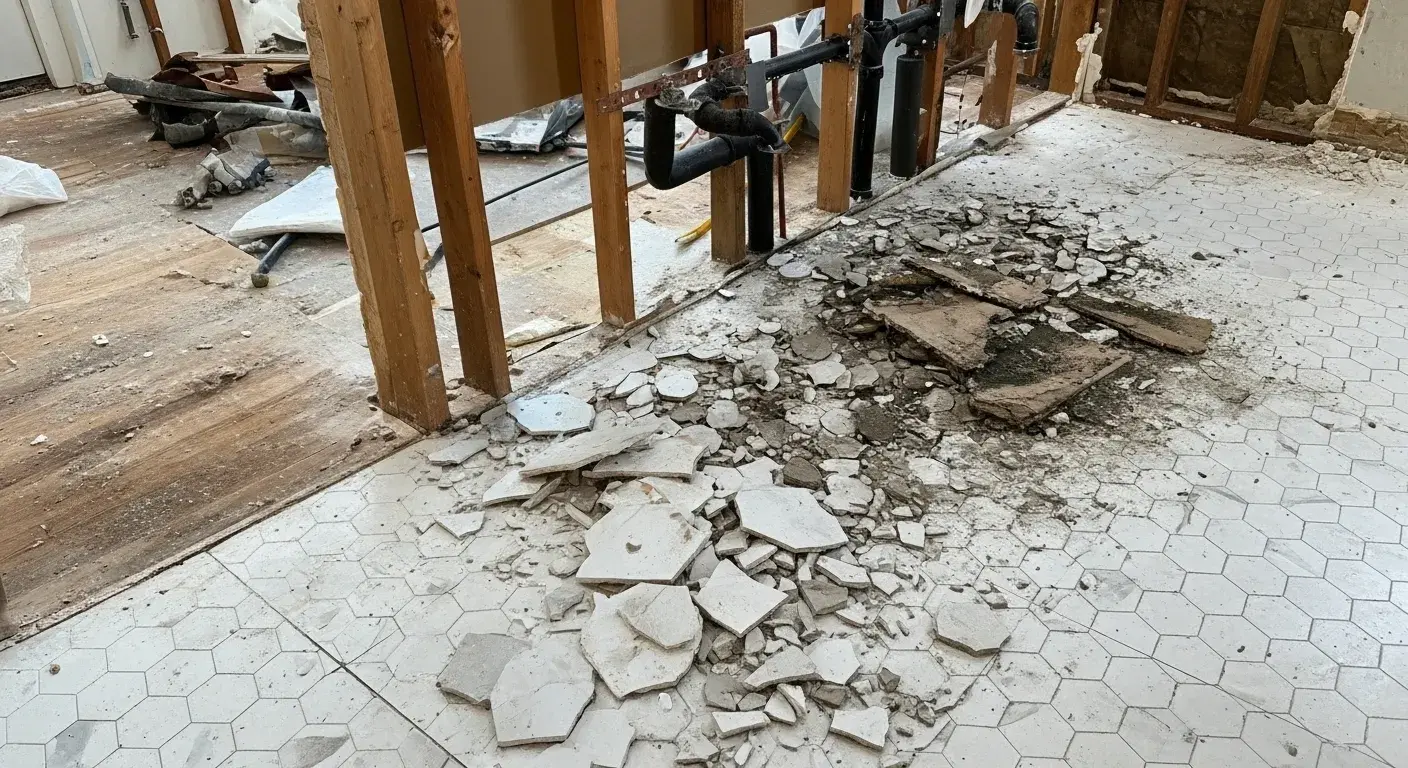
Flooding can be a devastating event for homeowners in Reseda, leading to significant damage to properties and belongings. However, the dangers of floodwater extend beyond just physical damage. It can pose serious biological risks that may not be immediately apparent. Understanding these risks is essential for protecting your health and ensuring a safe recovery process.
Understanding Floodwater Contamination
Floodwater can come from various sources, including heavy rainfall, storm surges, and overflowing rivers or lakes. This water can carry a range of contaminants, including chemicals, sewage, and organic debris, making it a breeding ground for pathogens. It’s crucial to recognize that not all floodwater is the same; it can be classified into three categories:
- Clean Water: Water from a clean source, such as a broken pipe. While it may still cause damage, it is typically less hazardous.
- Gray Water: Water from sources like dishwashers or washing machines that may contain contaminants but are not necessarily harmful.
- Black Water: Highly contaminated water that includes sewage, chemicals, and organic matter. This is the most dangerous type of floodwater and poses significant health risks.
Biological Hazards Associated with Floodwater
Pathogens
Floodwater often contains harmful microorganisms, including bacteria, viruses, and parasites. Common pathogens found in floodwater include:
- E. Coli: Typically found in fecal matter, this bacterium can cause severe gastrointestinal distress.
- Salmonella: Another bacterium associated with contaminated water, leading to food poisoning symptoms.
- Leptospira: This bacterium causes leptospirosis, which can lead to liver damage, kidney failure, and even death if not treated.
Mold Growth
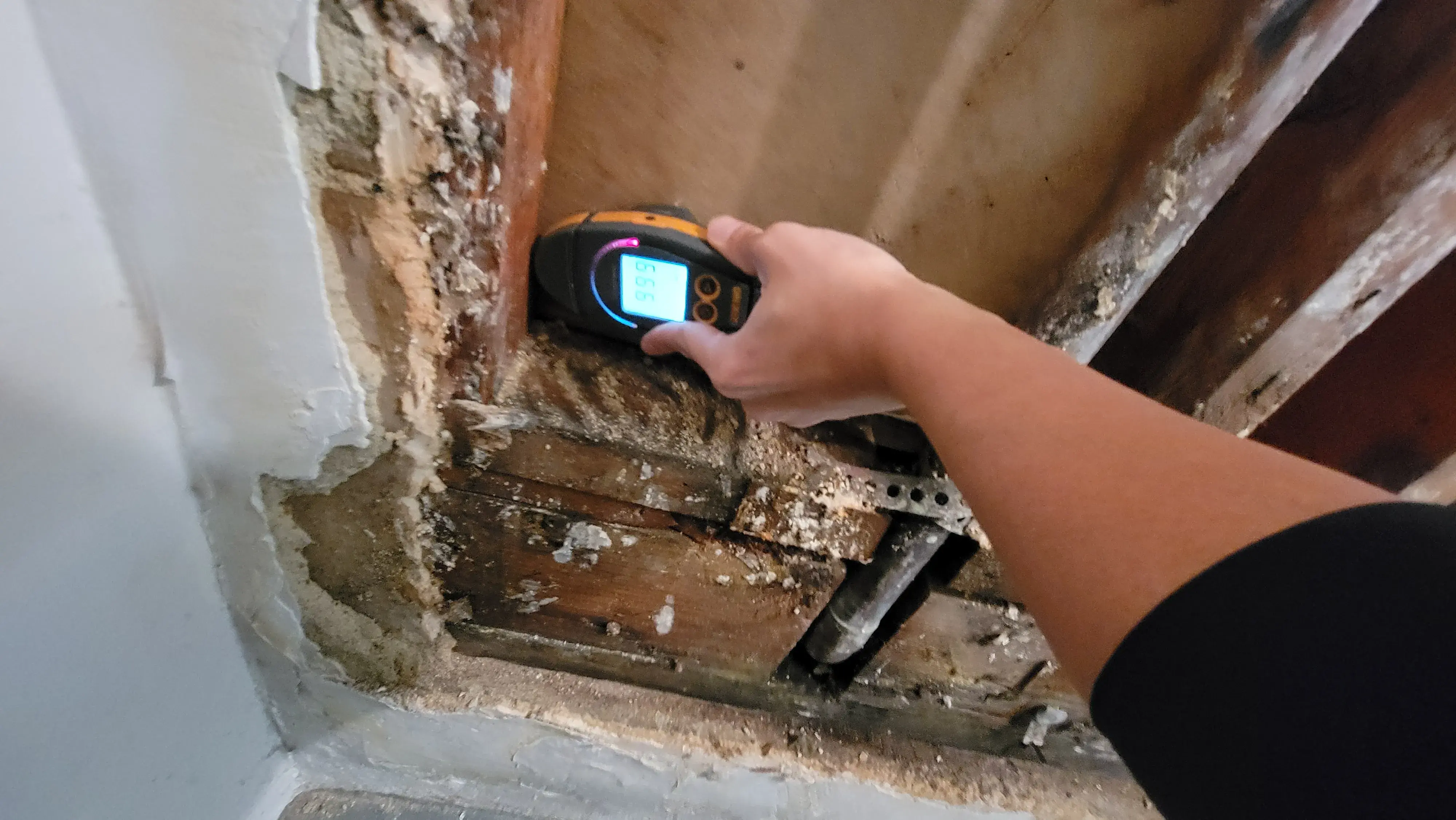
The presence of moisture from floodwater creates an ideal environment for mold growth. Mold can develop within 24 to 48 hours of water exposure, leading to various health issues, including:
- Allergic Reactions: Symptoms like sneezing, coughing, and skin rashes can occur.
- Respiratory Problems: Prolonged exposure to mold can lead to chronic respiratory issues, especially in individuals with asthma or weakened immune systems.
- Toxic Effects: Certain mold types, such as black mold (Stachybotrys chartarum), can produce mycotoxins that are harmful when inhaled or ingested.
Chemical Contaminants
Floodwater can also contain harmful chemicals from various sources, including:
- Household Products: Cleaning agents, paints, and solvents can leach into floodwater, posing chemical exposure risks.
- Pesticides and Herbicides: Agricultural runoff can introduce toxic substances that are harmful to human health.
- Heavy Metals: Industrial areas may contribute to floodwater contamination with heavy metals like lead and mercury, leading to serious health issues over time.
Health Risks of Floodwater Exposure
Exposure to contaminated floodwater can lead to a variety of health complications, which can manifest in different ways:
- Infections: Direct contact with floodwater can lead to skin infections, gastrointestinal diseases, and respiratory infections.** -Long- Term Illnesses: Prolonged exposure to mold and chemicals can result in chronic health issues, including asthma, neurological disorders, and even cancer in extreme cases.
- Mental Health Impact: The stress and trauma associated with flooding can lead to anxiety, depression, and PTSD, compounding the physical health risks.
Prevention and Safety Measures
To mitigate the biological dangers associated with floodwater, it's essential to take proactive measures:
1. Avoid Direct Contact
If your property is flooded, avoid wading through floodwater. Even if the water appears clear, it can still be contaminated. Use protective gear such as gloves and boots if you must enter the area.
2. Assess and Document Damage
Once it is safe, assess the damage to your property. Document the extent of the flooding and any losses for insurance purposes. This information can be crucial when filing claims.
3. Professional Cleanup Services
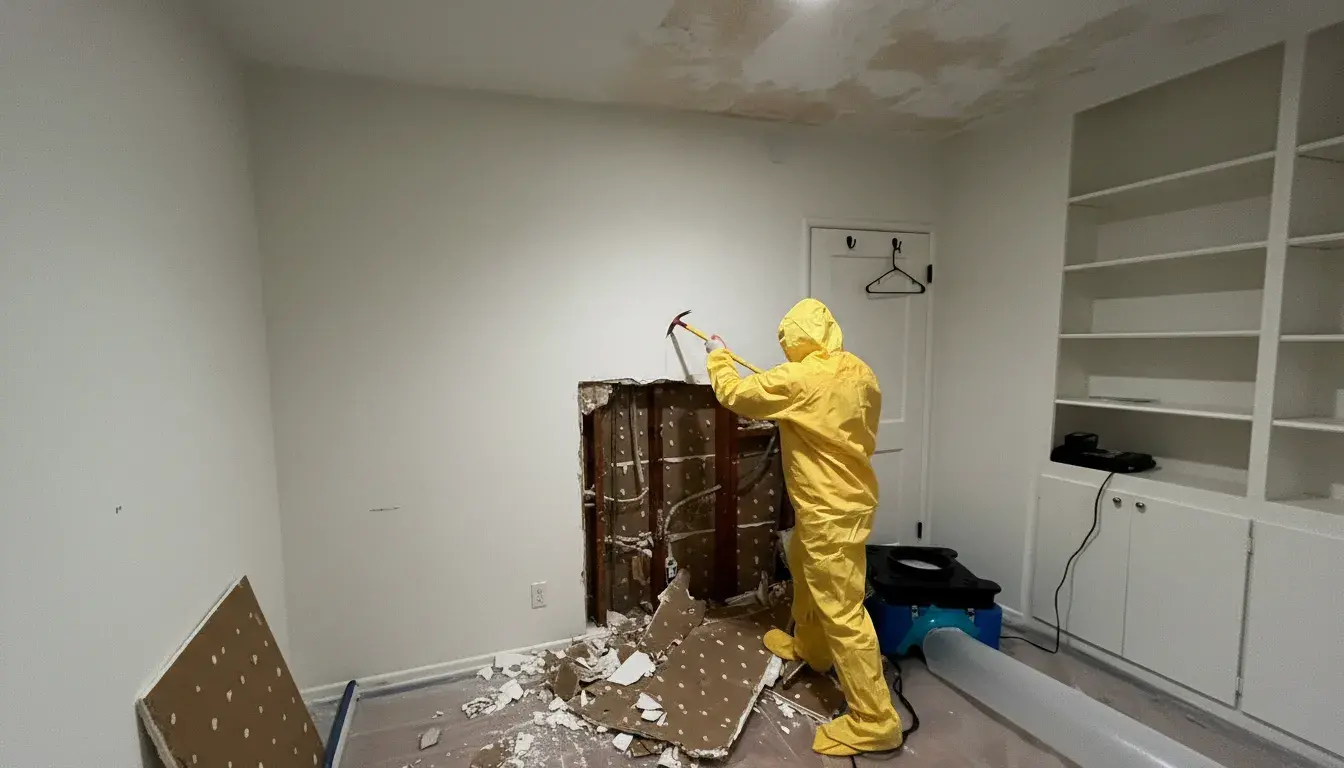
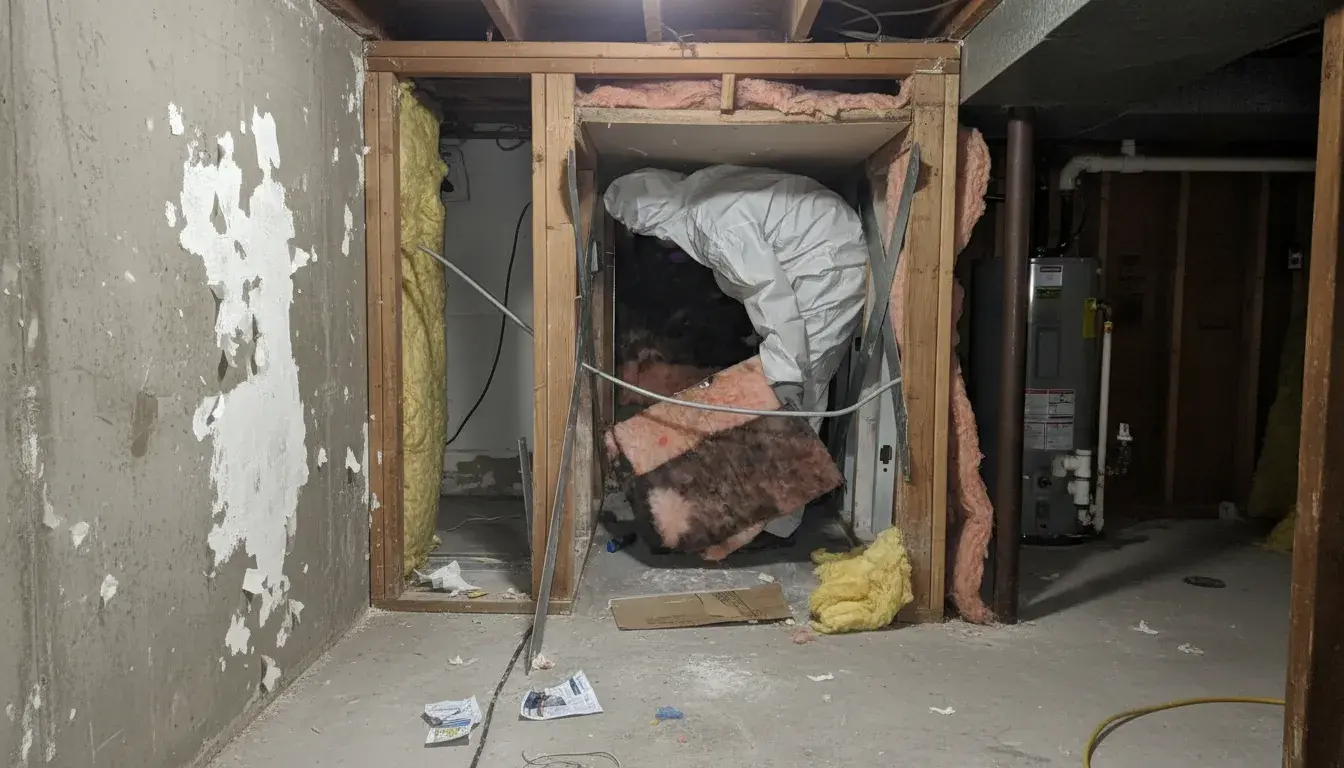
Engaging professional restoration services can ensure that your property is adequately cleaned and restored. Experts, like those at Yostin Restoration, specialize in mold removal and can effectively address biological hazards. They have the equipment and expertise to safely remove contaminants and prevent future issues.
4. Mold Inspection and Remediation
After flooding, a thorough mold inspection is critical. If mold is present, professional remediation is necessary to ensure safe removal and prevent recurrence. This process involves identifying the source of moisture, removing contaminated materials, and applying antifungal treatments.
The hidden biological dangers of floodwater in Reseda properties are significant and should not be underestimated. Awareness of the potential health risks associated with floodwater can help homeowners take the necessary precautions to protect themselves and their families. If your property has been affected by flooding, it is vital to act quickly and seek professional assistance to manage the aftermath effectively. By doing so, you can restore your property while safeguarding your health and well-being for the future.
For more information on restoration services, reach out to Yostin Restoration today and ensure your peace of mind during the recovery process.