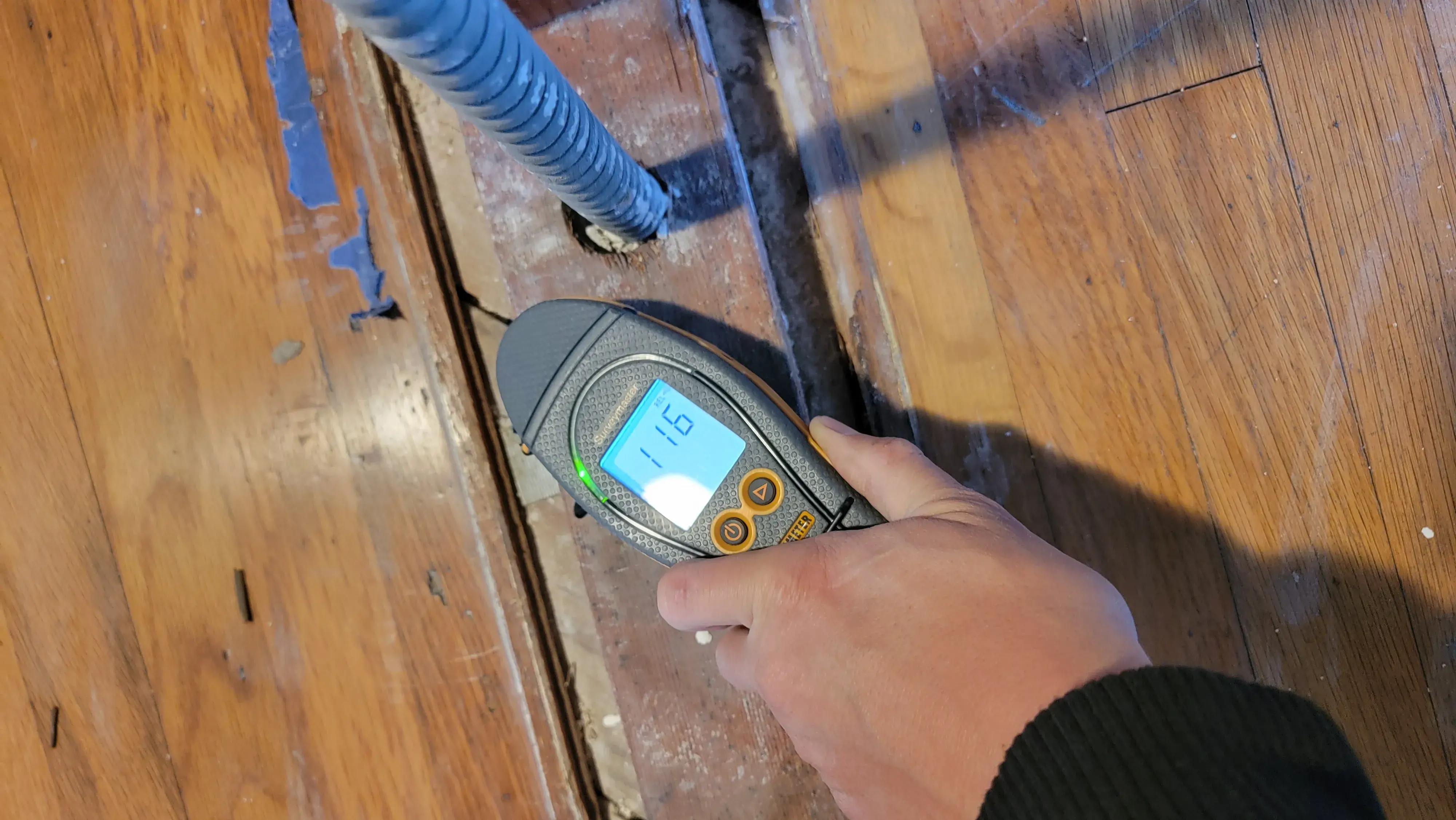
Flooring Options After a Leak or Flood in Your Reseda Home
Experiencing a leak or flooding in your home can be a distressing event, leaving you with water-damaged floors that need immediate attention. When it comes to choosing new flooring after such an incident, it’s essential to consider not only aesthetics but also durability and moisture resistance. This guide will explore various flooring options available for your Reseda home, helping you make an informed decision that suits your needs and lifestyle.
Understanding the Impact of Water Damage on Flooring
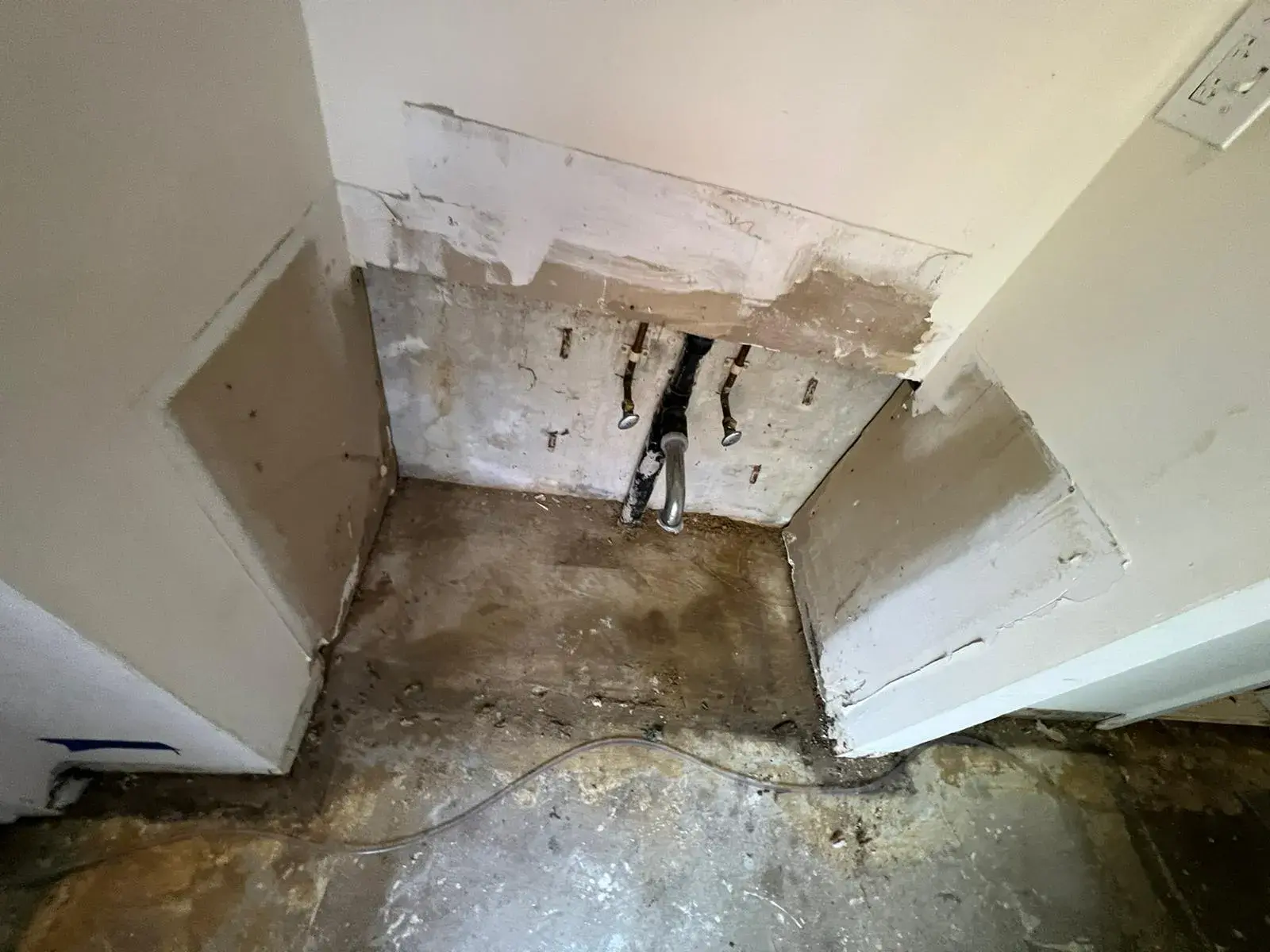
Before diving into flooring options, it’s important to understand how water damage affects different types of flooring materials. Water can weaken the structural integrity of floors, leading to warping, mold growth, and other issues. Here’s a quick overview of how common flooring materials can be impacted:
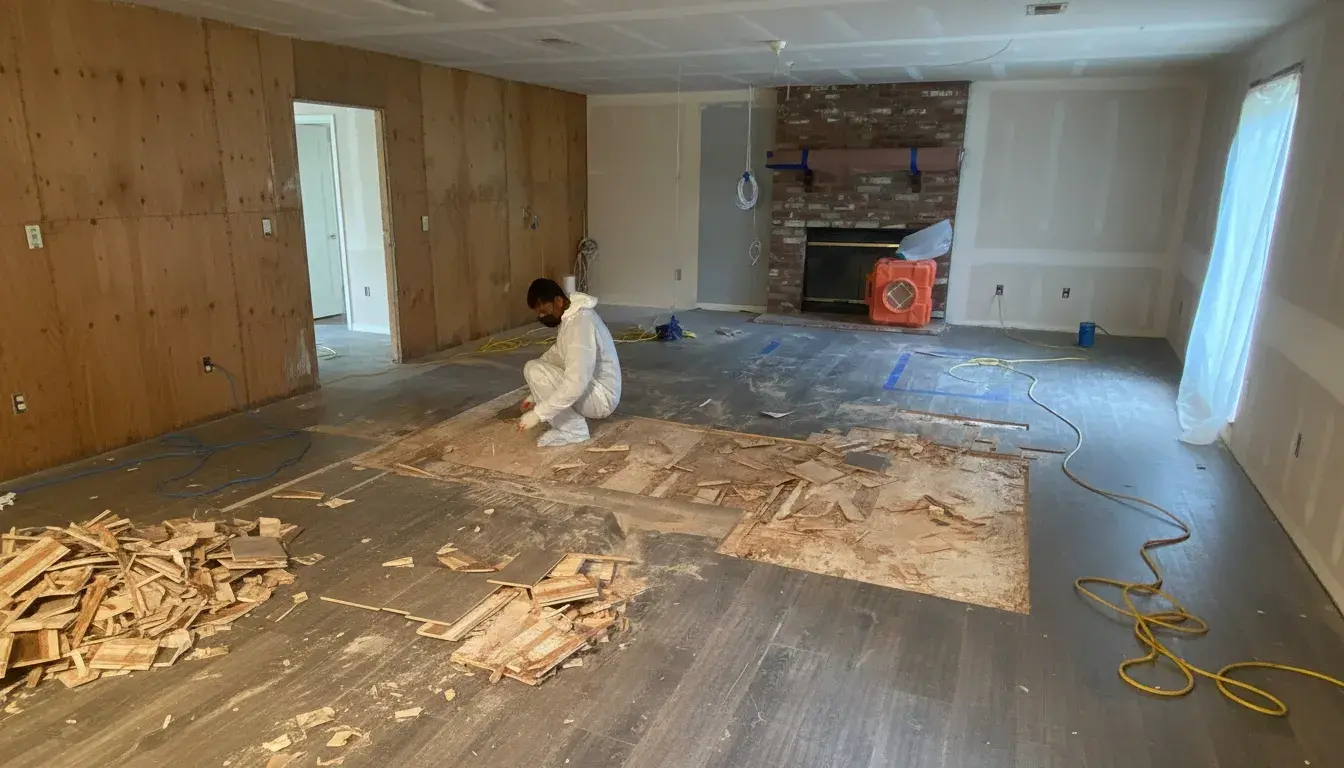
- Hardwood: Water can cause hardwood floors to warp and buckle. If the damage is extensive, you may need to replace the entire floor.
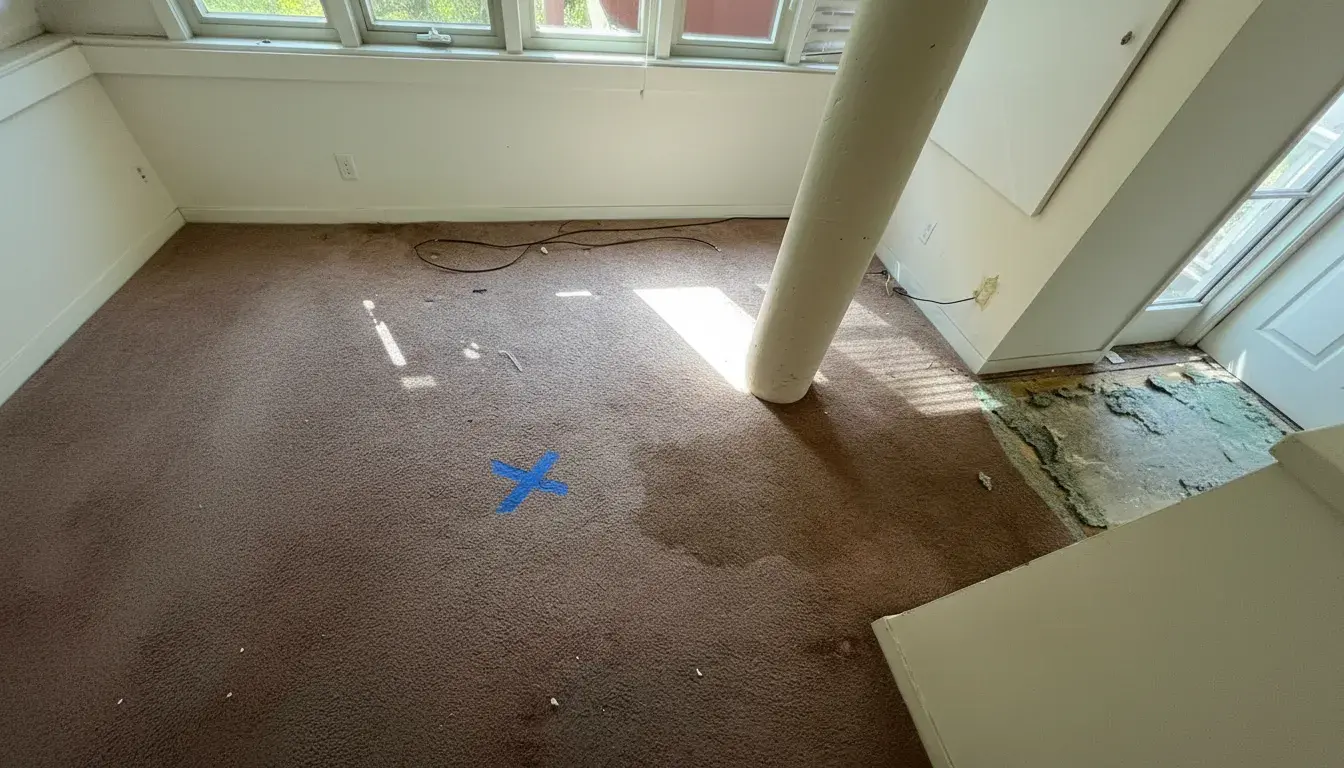
- Carpet: Carpeting can absorb water, leading to mold growth if not dried quickly. In many cases, carpet padding will need to be replaced.
- Laminate: While laminate flooring is more resistant to moisture than hardwood, prolonged exposure can lead to swelling and separation of planks.
- Vinyl: Vinyl flooring is generally water-resistant, but it can still be damaged by standing water if it seeps through seams or cracks.
Flooring Options to Consider
When selecting new flooring after a leak or flood, consider materials that are durable and resistant to moisture. Here are some options that are well-suited for homes in Reseda, especially after water damage.
1. Luxury Vinyl Plank (LVP)
Luxury vinyl plank (LVP) is one of the most popular flooring options post-water damage due to its excellent water resistance and durability.
- Benefits:
- Water-resistant and easy to clean.
- Available in a variety of styles and colors, mimicking natural wood or stone.
- Comfortable underfoot and quieter than other materials.
- Considerations: While LVP can withstand moisture, it’s essential to ensure proper installation to prevent water from seeping underneath the planks.
2. Porcelain or Ceramic Tile
Porcelain and ceramic tiles are excellent options for areas prone to moisture, such as kitchens and bathrooms.
- Benefits:
- Completely waterproof and highly durable.
- Available in an extensive range of designs, sizes, and colors.
- Easy to maintain and resistant to mold and mildew.
- Considerations: Tile can be cold and hard underfoot, so consider adding area rugs for comfort.
3. Engineered Hardwood
If you love the look of hardwood but are concerned about water damage, engineered hardwood could be the solution.
- Benefits:
- Made of a plywood base topped with real hardwood veneer, making it more resistant to moisture than solid hardwood.
- Offers the beauty of hardwood without the risk of warping.
- Considerations: While more resistant than solid hardwood, it’s still advisable to clean up spills promptly to maintain the floor’s integrity.
4. Laminate with Water-Resistant Features
Modern laminate flooring has evolved significantly, with many options now offering enhanced water resistance.
- Benefits:
- Generally more affordable than hardwood or tile.
- Available in a wide variety of styles.
- Easier to install and maintain.
- Considerations: Ensure you choose high-quality laminate designed specifically for high-moisture areas to maximize durability.
5. Cork Flooring
Cork flooring is an eco-friendly option that provides a unique aesthetic and comfort.
- Benefits:
- Naturally resistant to mold and mildew.
- Provides excellent thermal insulation and sound absorption.
- Comfortable underfoot, making it ideal for living areas.
- Considerations: While cork is resistant to moisture, it can be damaged by standing water, so it’s important to address leaks promptly.
Tips for Choosing the Right Flooring
When selecting the right flooring for your home after a leak or flood, consider the following tips:
- Assess the Damage: Determine the extent of water damage before making any decisions. In some cases, you may need professional assistance to evaluate the structural integrity of your flooring.
- Consider Usage: Think about how each room is used. For high-traffic areas or rooms prone to moisture, choose more durable and water-resistant materials.
- Consult Professionals: Don’t hesitate to reach out to experts in restoration and flooring. They can provide valuable insights and recommendations tailored to your specific situation.
The Restoration Process
After deciding on new flooring, it’s crucial to ensure a proper restoration process is followed. At Yostin Restoration, we specialize in water damage restoration and can help you navigate through the recovery phase, ensuring your home is safe and dry before installing new flooring.
Choosing the right flooring after a leak or flood in your Reseda home is essential to maintaining the integrity and aesthetics of your living space. By considering options like luxury vinyl plank, porcelain tile, engineered hardwood, laminate, and cork, you can find a solution that fits both your style and your needs. Always consult with professionals to ensure proper installation and restoration, and don’t hesitate to reach out to us at Yostin Restoration for any water damage concerns.
For additional assistance, feel free to explore our services or reach out for a consultation. Together, we can restore your home and peace of mind.