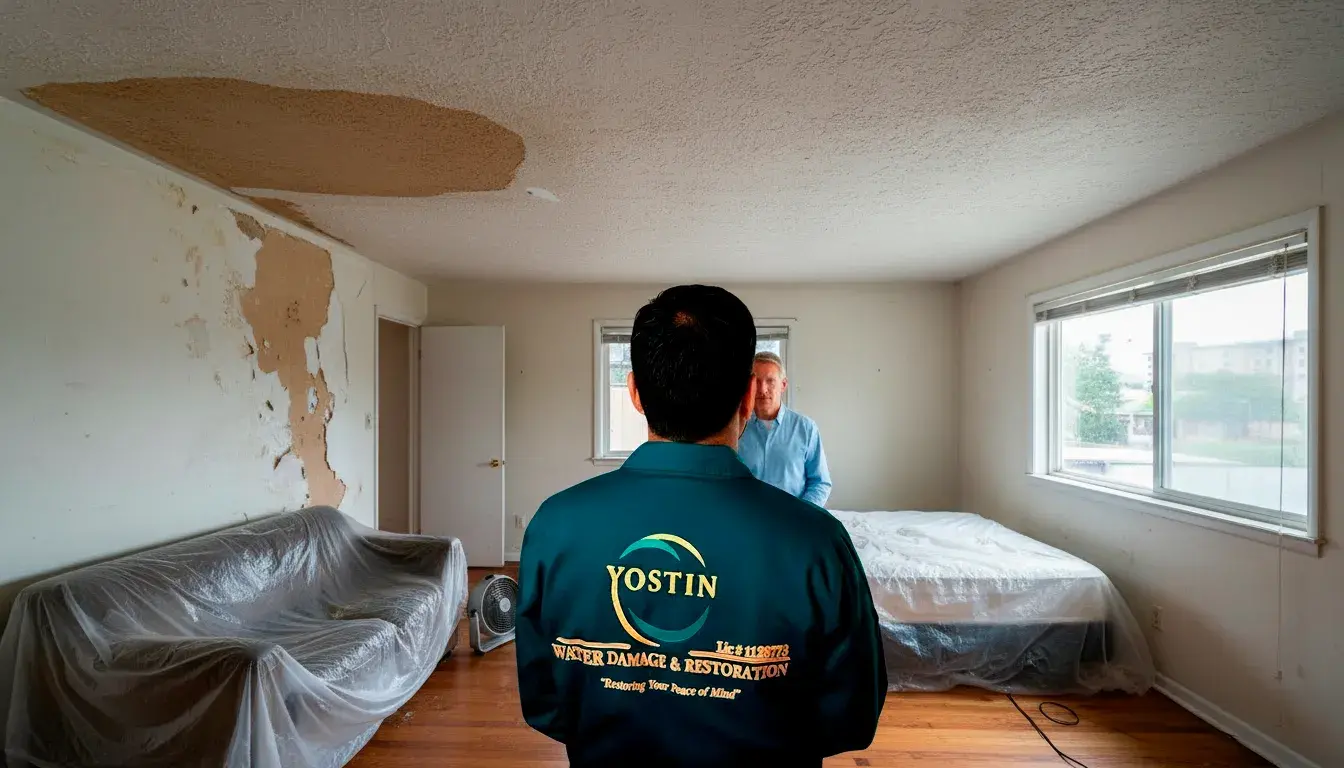
Flooding can devastate homes, businesses, and communities, but the dangers extend far beyond the immediate damage to property. In Reseda and the greater Los Angeles area, exposure to floodwater poses significant health risks that residents must recognize and address promptly. This post explores the dangers associated with floodwater, the health risks involved, and what steps can be taken to mitigate these hazards.
Understanding Floodwater
Floodwater can originate from various sources, including heavy rainfall, overflowing rivers, broken pipes, or storm surges. It may contain a mix of contaminants, including:
- Bacteria and Viruses: Floodwater can harbor harmful microorganisms that pose health risks. -Chemicals: Runoff from roads, agriculture, and industrial sites can introduce toxic substances into floodwaters. -Sewage: Floods can lead to the overflow of sewage systems, resulting in exposure to pathogens.
Understanding the composition of floodwater is crucial in assessing its potential hazards.
Health Risks Associated with Floodwater Exposure
1. Waterborne Diseases
Floodwater exposure can increase the risk of contracting waterborne diseases. These diseases are often caused by bacteria, viruses, and parasites present in contaminated water. Some common waterborne illnesses include:
- Gastroenteritis: Symptoms include diarrhea, vomiting, and abdominal pain, often caused by pathogens such as E. coli and norovirus. -Hepatitis A: This viral infection affects the liver and can be transmitted through contact with contaminated water. -Leptospirosis: Caused by bacteria that enter the body through cuts or abrasions, leptospirosis can lead to severe health issues if left untreated.
2. Mold Growth
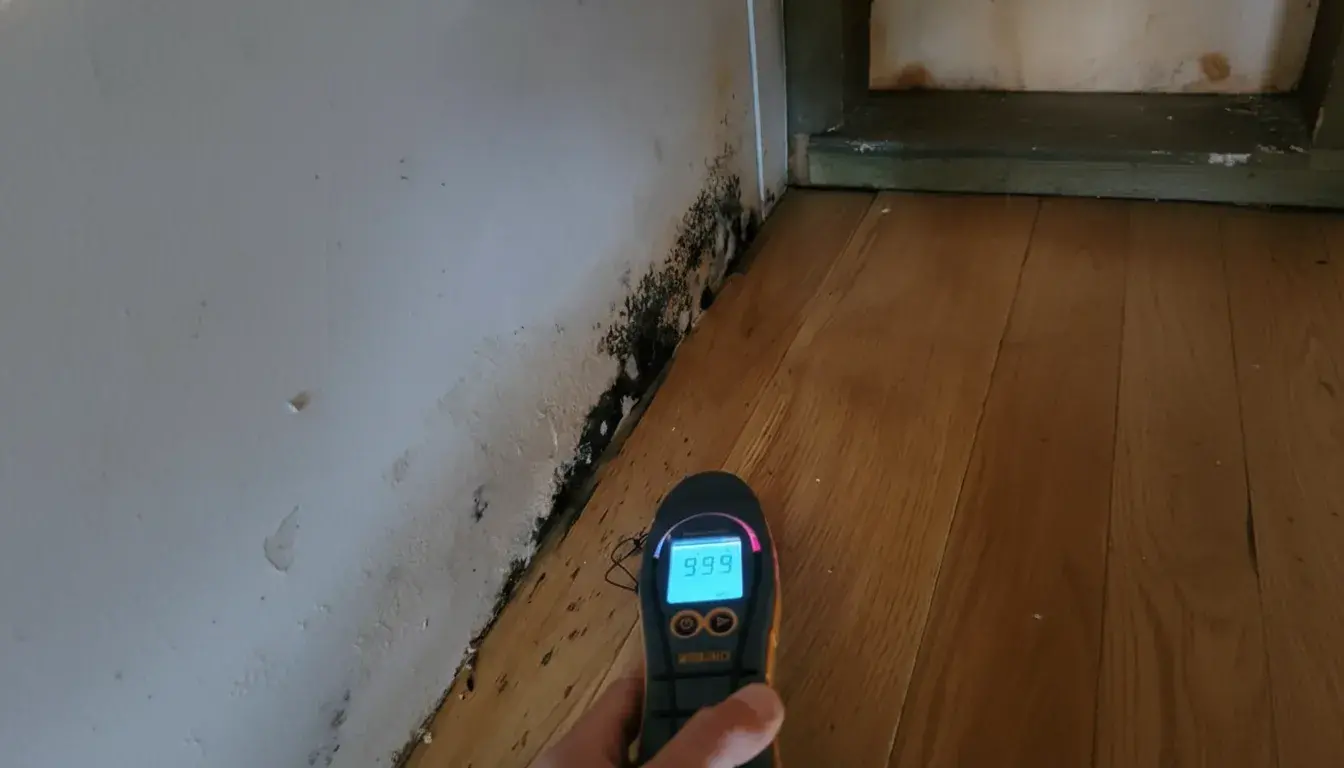
After a flood, the risk of mold growth increases significantly. Mold can develop within 24 to 48 hours in damp environments. Common health problems associated with mold exposure include:
- Respiratory Issues: Mold spores can trigger asthma attacks and other respiratory problems. -Allergic Reactions: Individuals may experience symptoms like sneezing, runny nose, and skin rashes. -Long-term Health Risks: Exposure to certain types of mold can lead to chronic health conditions.
For more information on addressing mold after flooding, check out our mold removal services.
3. Chemical Exposure
Floodwaters can carry harmful chemicals from industrial sites, agricultural areas, and urban runoff. Exposure to these chemicals can lead to various health problems, including:
- Skin Irritation: Contact with contaminated water can cause rashes and other skin issues. -Respiratory Problems: Inhalation of chemical vapors can lead to long-term respiratory complications. -Neurological Issues: Some chemicals found in floodwaters can affect the nervous system, leading to cognitive impairments.
4. Vector-Borne Diseases
Standing water left after a flood can become a breeding ground for mosquitoes. Mosquitoes can transmit diseases such as:
- West Nile Virus: A potentially severe illness that can lead to neurological complications. -Zika Virus: Though it is less common, it can still pose risks, especially to pregnant women.
Preventing Exposure to Floodwater Hazards
1. Stay Informed
Stay updated on local weather forecasts and flood warnings. Understanding the risk of flooding in your area can help you prepare and respond appropriately.
2. Avoid Contact
If you are in an area affected by flooding, avoid contact with floodwater whenever possible. If you must wade through floodwaters, wear protective clothing, including waterproof boots and gloves.
3. Clean Up Safely
If your property has been affected by flooding, follow safety guidelines when cleaning up:
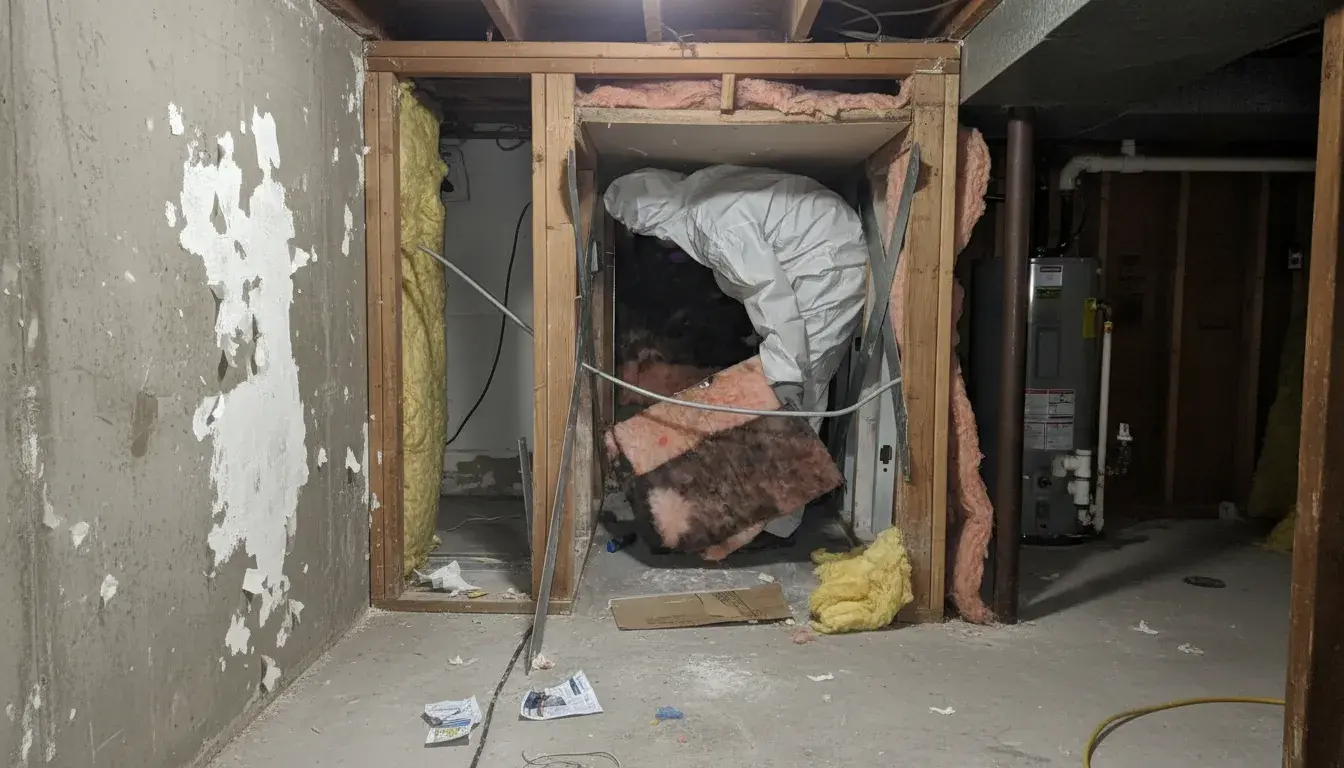
- Wear Protective Gear: Use gloves, masks, and goggles to minimize exposure to contaminants. -Discard Contaminated Items: Items that have been submerged in floodwater, such as carpets and mattresses, should be discarded to prevent mold growth. -Thorough Cleaning: Use disinfectants to clean surfaces that have come into contact with floodwater.
For professional assistance with cleaning and restoration after a flood, consider our comprehensive restoration services at Yostin Restoration. We provide expert mold removal and restoration services to help you recover safely.
4. Seek Prompt Medical Attention
If you experience symptoms after exposure to floodwater, seek medical attention immediately. Early intervention can mitigate health risks and improve recovery outcomes.
Floodwater exposure in Reseda presents serious health risks that require immediate attention and action. From waterborne diseases to mold growth and chemical exposure, understanding these dangers is crucial for protecting yourself and your family. By staying informed, avoiding contact, and following safe cleanup practices, you can significantly reduce the health risks associated with flooding.
If you find yourself dealing with the aftermath of flooding, Yostin Restoration is here to help. Our team of certified professionals is ready to assist you with water damage restoration and mold removal, ensuring your home is safe and healthy once again. Don’t hesitate to reach out for expert assistance.