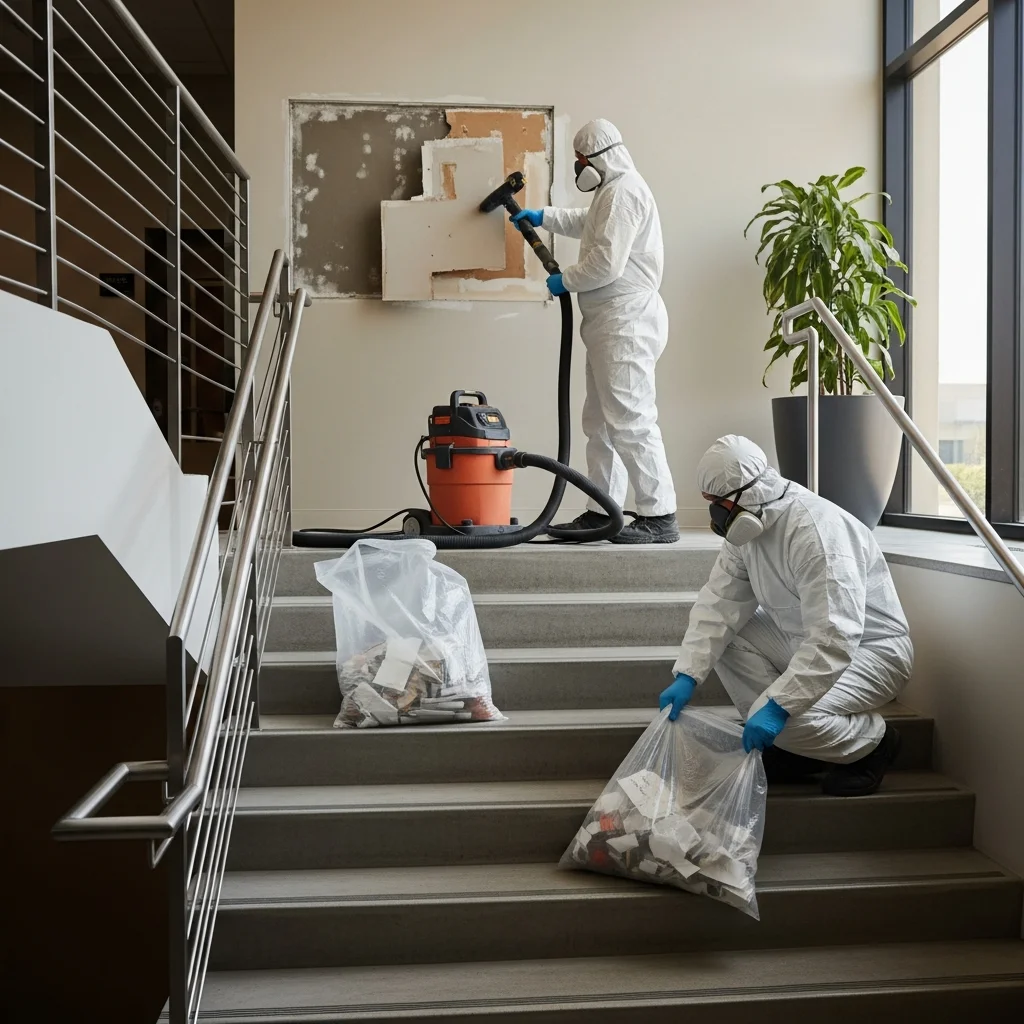
Mold growth in residential and commercial properties represents a serious concern that requires immediate professional attention. When property owners in Reseda discover mold contamination, understanding the comprehensive process that trained specialists follow can provide peace of mind and clarity about what to expect. Professional mold removal involves far more than simply scrubbing visible growth from surfaces—it requires systematic evaluation, containment, remediation, and prevention strategies that address both the symptoms and underlying causes of fungal colonization.
The professionals at Yostin Water Damage & Restoration Inc have developed refined protocols that ensure thorough mold remediation while protecting the health of occupants and the structural integrity of buildings. These proven methodologies combine advanced technology, industry-standard safety measures, and years of hands-on experience dealing with various mold situations throughout Reseda and surrounding communities.
Comprehensive Initial Assessment and Mold Inspection Services
The foundation of effective mold removal begins with a meticulous property evaluation. Before any remediation work commences, certified technicians conduct extensive mold inspection services to determine the full scope of contamination. This critical first step involves visual examination of all accessible areas, including spaces that property owners might overlook such as crawl spaces, attics, wall cavities, and areas behind large appliances.
During the assessment phase, specialists from Yostin Water Damage & Restoration Inc utilize moisture meters, thermal imaging cameras, and other diagnostic equipment to identify hidden water sources that may be fueling mold growth. These tools reveal moisture trapped within building materials that isn't visible to the naked eye, allowing technicians to create a complete picture of the problem. Understanding moisture patterns is essential because mold cannot thrive without adequate water sources, making moisture detection a cornerstone of both remediation and prevention.
Air quality testing often accompanies visual inspections, particularly when dealing with suspected black mold removal situations. These tests measure the concentration of mold spores in the indoor environment and can identify specific mold species present. Laboratory analysis of collected samples provides valuable information that guides the remediation approach and helps establish baseline measurements for post-remediation verification testing.
Documentation during this phase includes detailed photography, written reports, and moisture mapping that creates a permanent record of pre-remediation conditions. This documentation serves multiple purposes: it helps design the remediation plan, provides information for insurance claims when applicable, and establishes benchmarks for measuring the success of remediation efforts. The Reseda mold specialists at Yostin Water Damage & Restoration Inc ensure that every assessment is thorough and properly documented before proceeding to the next phase.
Strategic Containment and Air Quality Control
Once the assessment is complete and a remediation plan is established, the next critical step involves establishing proper containment to prevent mold spores from spreading to unaffected areas during the removal process. This phase is crucial because disturbing mold colonies releases thousands of microscopic spores into the air, which can quickly colonize new areas if not properly controlled.
Professional containment strategies vary depending on the extent of contamination but typically involve creating physical barriers using polyethylene sheeting to isolate the work area from the rest of the property. For extensive mold damage repair projects, specialists may establish multiple containment chambers with airlocks that allow workers to enter and exit without compromising the barrier. These containment zones create negative air pressure environments that ensure air flows from clean areas toward contaminated zones rather than the reverse.
Negative air pressure is maintained using specialized air filtration devices equipped with HEPA (High-Efficiency Particulate Air) filters. These machines continuously pull air from the containment area, filter out mold spores and other particulates, and exhaust clean air outside the building or into unaffected interior spaces. HEPA filtration is essential for emergency mold removal situations where rapid response is needed to protect vulnerable occupants or prevent further damage.
The team at Yostin Water Damage & Restoration Inc pays careful attention to HVAC systems during containment setup. Central heating and cooling systems can distribute mold spores throughout an entire property if they continue operating during remediation. Technicians seal off air supply and return vents within the work area and may temporarily shut down HVAC systems to prevent cross-contamination. This precautionary measure is particularly important in Reseda homes with open floor plans or interconnected ductwork that could facilitate spore distribution.
Personal Protection and Safety Protocol Implementation
Worker safety and occupant protection rank among the highest priorities during professional mold remediation. Before entering contaminated areas, technicians don appropriate personal protective equipment (PPE) that shields them from mold exposure. The specific PPE requirements depend on the contamination level but typically include respirators with HEPA filters, protective coveralls, gloves, and eye protection.
For black mold removal projects or situations involving heavy contamination, workers may use full-face respirators that provide more comprehensive respiratory protection than half-mask respirators. These devices protect not only the lungs but also prevent spores from entering through the eyes or contaminating facial skin. The mold removal experts at Yostin Water Damage & Restoration Inc are trained in proper PPE selection, fitting, and use to ensure maximum protection throughout the remediation process.
Safety protocols extend beyond personal protection to include proper handling and disposal of contaminated materials. Double-bagging systems using heavy-duty plastic bags prevent spore release during material transport from the work area to disposal containers. All contaminated materials exit the containment area through designated pathways that minimize the risk of cross-contamination, and disposal follows local regulations regarding contaminated waste.
Occupants typically need to vacate the property during active remediation, particularly when dealing with extensive contamination or when vulnerable individuals such as young children, elderly residents, or those with respiratory conditions live in the home. The Reseda mold specialists communicate clearly with property owners about when it is safe to return and what post-remediation precautions might be necessary during the final stages of the project.
Material Removal and Surface Treatment Procedures
With containment established and safety measures in place, the actual mold removal work begins. This phase involves carefully removing contaminated porous materials that cannot be effectively cleaned and treating non-porous surfaces that can be salvaged. The distinction between porous and non-porous materials is critical because mold penetrates deeply into porous substances like drywall, insulation, and carpeting, making complete removal impossible through cleaning alone.
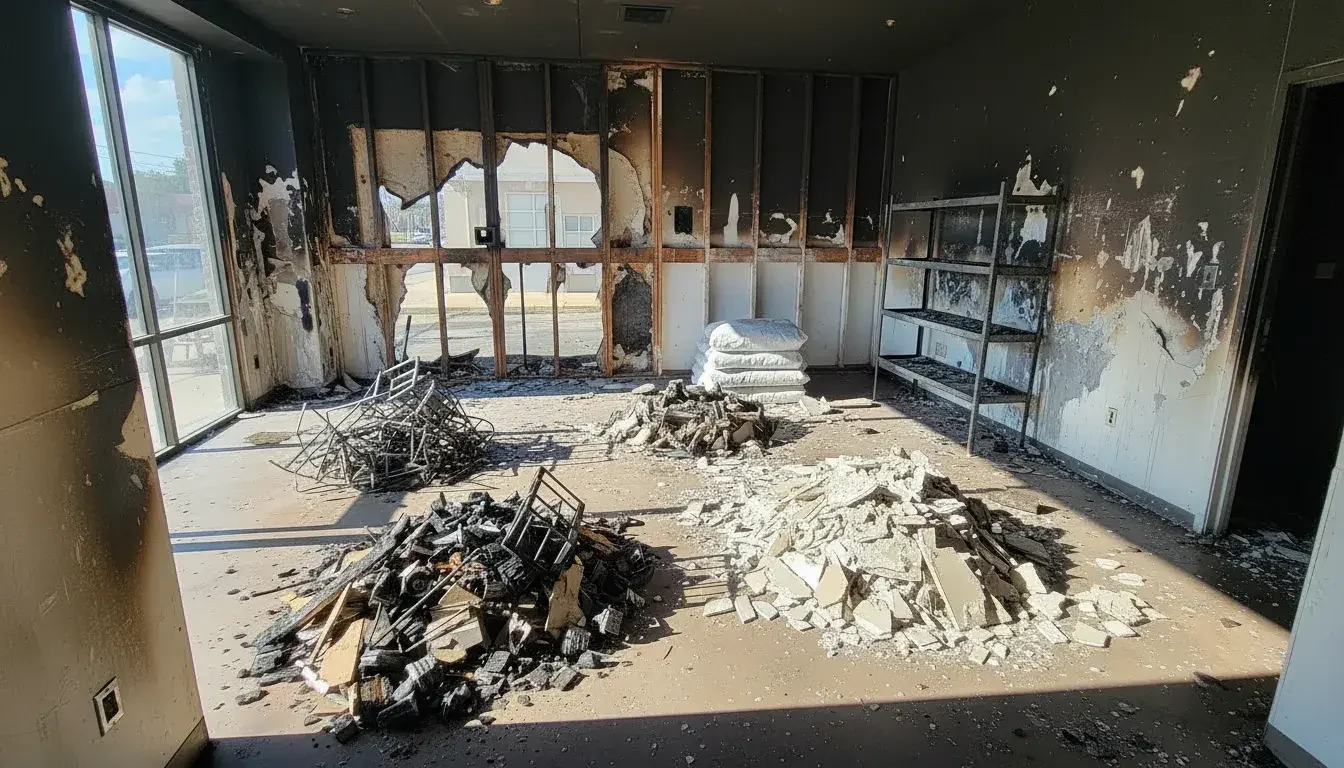
Contaminated drywall is typically cut away with careful precision, extending the removal area slightly beyond visible contamination to ensure that hidden mold within wall cavities is addressed. Insulation harboring mold is completely removed and replaced, as cleaning insulation is neither practical nor effective. Carpeting and padding that have experienced water damage or mold growth are removed and discarded, as these materials provide ideal conditions for mold colonization and are nearly impossible to fully remediate.
Non-porous materials such as metal, glass, hard plastics, and sealed wood surfaces can often be cleaned and salvaged. The home mold treatment process for these materials involves HEPA vacuuming to remove surface spores, followed by cleaning with antimicrobial solutions specifically formulated for mold remediation. Wire brushing or other mechanical cleaning methods may be employed on particularly stubborn growth, always followed by thorough cleaning and application of appropriate treatments.
Throughout the removal process, technicians from Yostin Water Damage & Restoration Inc continuously monitor containment integrity and air filtration performance. Regular inspection of plastic barriers, verification of negative air pressure, and adjustment of air filtration devices ensure that the containment system functions properly throughout the project. This vigilance prevents the very problem that containment is designed to avoid: spreading contamination to previously clean areas.
Structural materials such as wooden framing members present special challenges. When mold affects studs, joists, or other structural wood, specialists must determine whether the growth is superficial or has penetrated deeply into the wood. Surface growth can typically be removed through wire brushing and antimicrobial treatment, while wood with deep penetration may require more aggressive treatment or, in severe cases, replacement. These decisions balance thoroughness with cost-effectiveness and structural considerations.
Advanced Cleaning and Sanitization Techniques
After all contaminated materials have been removed, the remediation process moves to detailed cleaning of all surfaces within the affected area. This phase is labor-intensive and requires meticulous attention to detail, as any remaining spores could potentially regenerate colonies if moisture conditions become favorable in the future. The water damage cleanup and mold remediation process are often interconnected, as moisture issues that caused the mold problem must be fully resolved before completing the project.
HEPA vacuuming represents the first cleaning step, removing loose spores and debris from all surfaces including walls, ceilings, floors, and remaining contents. HEPA-filtered vacuum systems capture particles as small as 0.3 microns with 99.97% efficiency, ensuring that mold spores are trapped rather than redistributed through exhaust air. Every surface receives multiple passes with HEPA vacuums to maximize spore removal.
Following vacuuming, surfaces undergo wet cleaning using specialized antimicrobial cleaning agents. These products are specifically formulated to kill mold and prevent regrowth without causing damage to building materials or leaving harmful residues. The mold damage repair specialists apply these solutions according to manufacturer specifications, allowing proper contact time for maximum effectiveness before wiping clean with microfiber cloths that trap rather than spread particles.
Yostin Water Damage & Restoration Inc utilizes cleaning protocols that involve multiple passes over each surface, progressively moving from more contaminated to less contaminated areas. This systematic approach prevents cross-contamination and ensures thorough cleaning throughout the work area. Particular attention is paid to corners, crevices, and textured surfaces where spores might hide, with technicians using brushes and detailed hand-wiping techniques to address these challenging areas.
Some situations call for additional treatment beyond standard cleaning procedures. Antimicrobial sealants or encapsulants may be applied to certain surfaces, particularly in cases where complete removal of staining is impractical or where additional protection against future mold growth is desired. These products create a barrier that seals any remaining dormant spores and provides a cleanable, moisture-resistant surface. However, encapsulation is never a substitute for proper cleaning and should only be used as a supplementary measure on appropriate surfaces.
Addressing Underlying Moisture Sources
No mold remediation project is complete without addressing the moisture conditions that allowed mold to grow initially. This critical step distinguishes professional mold removal from superficial cleaning that merely treats symptoms while ignoring causes. The water damage cleanup expertise that Yostin Water Damage & Restoration Inc brings to each project ensures that moisture sources are identified and corrected as part of the comprehensive remediation process.
Common moisture sources in Reseda properties include plumbing leaks, roof leaks, poor drainage around foundations, inadequate ventilation in bathrooms and kitchens, and condensation issues related to HVAC systems or inadequate insulation. Each of these problems requires specific solutions: plumbing repairs, roof patching or replacement, installation of proper grading or drainage systems, ventilation improvements, or HVAC modifications and insulation upgrades.
Humidity control represents another important aspect of moisture management. Indoor relative humidity levels above 60% create conditions favorable for mold growth, particularly in poorly ventilated spaces. Technicians may recommend dehumidifiers for particularly humid areas, improved ventilation systems, or other humidity control measures as part of the overall mold prevention strategy. In some cases, simply educating property owners about proper ventilation practices—such as running exhaust fans during and after showers or opening windows to increase air circulation—can make a significant difference.
The emergency mold removal team addresses moisture issues with the same urgency they apply to the actual mold contamination. Rapid drying of water-damaged areas using commercial dehumidifiers and air movers prevents new mold growth from developing during the remediation process. This is particularly important when water damage and mold remediation occur simultaneously, such as after flooding events or major plumbing failures that require immediate attention.
Documentation of moisture corrections provides valuable information for property owners and helps establish that the fundamental cause of the mold problem has been addressed. Technicians photograph repairs, record humidity levels before and after interventions, and may conduct follow-up moisture testing to verify that moisture levels in building materials have returned to acceptable ranges. This documentation provides assurance that the conditions necessary for mold growth have been eliminated.
Post-Remediation Verification and Testing
After completing all cleaning, treatment, and moisture correction work, professional remediation projects undergo verification procedures to confirm that the work has been successful. This quality assurance phase provides objective evidence that mold levels have been reduced to acceptable levels and that the property is safe for occupancy. The Reseda mold specialists understand that thorough verification protects both the property owner and the remediation company by establishing clear evidence of project completion.
Visual inspection represents the first verification step, with technicians carefully examining all surfaces within the remediated area to ensure that no visible mold growth remains and that all contaminated materials have been removed. This inspection also confirms that all cleaning work has been completed to professional standards and that surfaces are in appropriate condition for reconstruction if necessary.
Clearance testing, sometimes called post-remediation verification testing, involves collecting new air samples from the remediated area and comparing the results to samples taken from unaffected areas of the property or to outdoor air samples. This testing determines whether spore levels in the remediated space have been reduced to levels comparable to those in clean areas. Independent third-party testing provides the most credible verification, though many remediation companies including Yostin Water Damage & Restoration Inc can arrange for appropriate testing services.
The goal of clearance testing is not to achieve zero mold spores—mold spores are ubiquitous in the environment and some level of spores is always present in the air. Instead, testing verifies that spore levels and types in the remediated area are comparable to background levels, indicating that the abnormal contamination has been successfully eliminated. When clearance testing confirms acceptable conditions, containment barriers can be safely removed and the space returned to normal use.
Some situations may require additional rounds of cleaning and retesting if initial clearance testing indicates elevated spore levels persist. While rare when proper protocols are followed, this possibility underscores the importance of thorough work throughout the remediation process. The commitment to passing independent verification testing motivates consistent adherence to proper procedures and ensures that projects are truly complete before being closed out.
Reconstruction and Restoration Services
Following successful remediation and clearance testing, properties often require reconstruction to replace materials that were removed during the mold removal process. This restoration phase returns the property to its pre-contamination condition—or sometimes to an improved condition if upgrades are incorporated during reconstruction. Comprehensive service providers offer seamless transitions from remediation to reconstruction, providing property owners with the convenience of working with a single company throughout the entire process.
Drywall replacement is among the most common reconstruction tasks, as contaminated drywall typically requires removal during mold remediation. New drywall is installed, taped, textured, and painted to match surrounding areas. Skilled technicians ensure that repairs blend seamlessly with existing finishes, making it difficult to detect where remediation work occurred. Attention to detail during reconstruction reflects the same professionalism that characterizes the entire remediation process.
Flooring replacement may be necessary when contaminated carpeting, padding, or subflooring materials were removed. Matching existing flooring can be challenging, particularly when dealing with discontinued products, but experienced contractors have the relationships and resources to source appropriate replacement materials. In some cases, property owners choose to upgrade flooring throughout a room or area to avoid obvious mismatches between old and new materials.
Insulation replacement completes the thermal envelope restoration after contaminated insulation is removed from walls, attics, or crawl spaces. Modern insulation products often exceed the performance of older materials, providing property owners with improved energy efficiency as a beneficial side effect of mold remediation. Proper installation techniques ensure that new insulation functions as intended without creating conditions that could trap moisture and lead to future mold problems.
The professionals at Yostin Water Damage & Restoration Inc coordinate all aspects of reconstruction with the same attention to quality and customer service that characterizes their remediation work. This comprehensive approach simplifies the process for property owners who can rely on a single point of contact rather than coordinating multiple contractors. The integration of remediation and reconstruction services also ensures that reconstruction timing doesn't compromise remediation outcomes by beginning before the property is ready.
Employee Testimonial: A Moment of Impact
One technician from the Yostin Water Damage & Restoration Inc team recalls a particularly moving experience that reinforced why this work matters so deeply. The call came in as an emergency mold removal request from a family in Reseda with a young daughter suffering from severe respiratory issues that had puzzled doctors for months. Upon arriving at the property and conducting mold inspection services, the technician discovered extensive hidden mold growth behind the child's bedroom walls, likely caused by a slow plumbing leak that had gone unnoticed for years.
The remediation project was extensive, requiring complete removal of contaminated materials and careful attention to every detail. Throughout the week-long project, the family stayed with relatives, anxiously awaiting the results. When clearance testing confirmed successful remediation and the family returned home, the mother called a few weeks later with tears in her voice. Her daughter's symptoms had dramatically improved—the chronic cough was gone, breathing was easier, and the child was finally sleeping through the night without distress. The technician remembers feeling overwhelmed with gratitude that this work creates such profound positive changes in people's lives. That phone call serves as a powerful reminder that mold removal isn't just about cleaning properties—it's about restoring health, comfort, and peace of mind to families who trust professionals to solve problems they cannot handle themselves. Knowing that thorough, professional mold remediation helped that little girl breathe easier makes every challenging aspect of this work worthwhile.
Ongoing Prevention and Mold Prevention Tips
Professional mold removal addresses existing contamination, but preventing future problems requires ongoing vigilance and implementation of mold prevention tips that property owners can incorporate into regular maintenance routines. Education about prevention represents an important component of professional service, as preventing mold is always preferable to remediating it after problems develop.
Controlling indoor humidity represents the single most important prevention strategy. Property owners should maintain indoor relative humidity between 30% and 50%, using dehumidifiers in particularly humid areas or during humid seasons. Hygrometers—inexpensive devices that measure humidity—provide valuable feedback about indoor moisture levels and help property owners know when intervention is needed. This simple monitoring tool empowers residents to take action before moisture levels reach ranges that support mold growth.
Promptly addressing water damage is essential for preventing mold colonization. When leaks, flooding, or other water intrusion events occur, affected materials should be dried within 24 to 48 hours to prevent mold growth. Quick action during this critical window can prevent a simple water damage cleanup situation from evolving into a more complex mold remediation project. Having immediate access to professional emergency services like those provided by Yostin Water Damage & Restoration Inc ensures that water damage receives appropriate attention before mold becomes established.
Proper ventilation throughout the property reduces moisture accumulation and helps maintain appropriate humidity levels. Bathroom and kitchen exhaust fans should run during activities that generate moisture and continue for at least 15 to 20 minutes afterward to fully remove humid air. Clothes dryers must vent to the exterior rather than into interior spaces, and attic ventilation should be adequate to prevent moisture accumulation in these often-problematic spaces.
Regular maintenance inspections help identify potential moisture problems before they lead to mold growth. Property owners should periodically inspect plumbing fixtures, examine roofs and gutters, check basements and crawl spaces for signs of moisture intrusion, and ensure that grading directs water away from foundations. These simple preventive measures cost little but can prevent expensive mold remediation projects by catching problems early.
When minor mold growth appears on non-porous surfaces such as bathroom tiles or window sills, prompt cleaning with appropriate products can prevent small problems from becoming major ones. However, property owners should understand the limitations of DIY cleaning—mold growth covering more than about 10 square feet, growth on porous materials, or growth associated with sewage or contaminated water should always be handled by professionals due to health risks and the likelihood of hidden contamination.
The Value of Professional Expertise
While some property owners consider attempting mold removal as a do-it-yourself project, the complexity and risks involved make professional service the wiser choice for all but the smallest, most superficial mold situations. The home mold treatment expertise that trained technicians bring to each project encompasses far more than simple cleaning knowledge—it includes understanding building science, moisture dynamics, contamination control, health and safety protocols, and the subtleties of different mold species and their growth patterns.
Professional training and certification programs ensure that mold removal experts possess current knowledge about industry best practices and standards. Organizations such as the Institute of Inspection, Cleaning and Restoration Certification (IICRC) provide comprehensive training and certification programs that establish competency standards for remediation professionals. Property owners should verify that contractors performing mold remediation possess appropriate training and certifications that demonstrate their qualifications.
Access to specialized equipment represents another significant advantage of professional service. Commercial-grade HEPA filtration devices, industrial dehumidifiers, moisture meters, thermal imaging cameras, and other specialized tools allow professionals to work more effectively and efficiently than would be possible with consumer-grade equipment. The investment in professional equipment makes sense for companies that use these tools regularly but would be impractical for property owners facing a single remediation project.
Experience handling diverse mold situations provides invaluable perspective that guides decision-making throughout the remediation process. The mold removal experts at Yostin Water Damage & Restoration Inc have encountered countless different scenarios and learned from each one, developing the judgment necessary to adapt standard protocols to unique circumstances. This experience helps avoid common pitfalls and ensures that projects are completed efficiently without compromising thoroughness.
Professional remediation also provides liability protection for property owners. When hiring qualified contractors, the responsibility for proper handling, worker safety, and appropriate disposal of contaminated materials rests with the service provider rather than the property owner. This transfer of liability offers important protection, particularly in rental properties or commercial buildings where owner liability for health impacts on occupants could be significant.
Why Choose Experienced Local Professionals
Selecting the right contractor for mold remediation significantly impacts project outcomes, making it essential for property owners to carefully evaluate their options. Local companies with established reputations in the community offer advantages that national franchises or distant contractors may not provide. The deep understanding of local conditions, building practices, and common moisture problems specific to the Reseda area that local Reseda mold specialists possess enhances their ability to deliver superior results.
Responsiveness is particularly important for emergency mold removal situations where rapid action prevents problem escalation. Local companies can typically provide faster response times than distant contractors, getting projects started more quickly and minimizing the duration of occupant displacement. The ability to reach a local business quickly when questions or concerns arise during a project provides property owners with valuable peace of mind.
Reputation within the community provides important quality assurance that helps property owners make informed decisions. Local businesses depend on community reputation and word-of-mouth referrals, creating strong motivation to deliver excellent service on every project. Checking references, reading reviews, and speaking with previous clients helps establish that a contractor consistently delivers quality work and treats customers fairly.
Comprehensive service offerings that extend beyond basic mold remediation add significant value by simplifying the overall restoration process. Companies that also handle water damage cleanup, structural repairs, and reconstruction enable property owners to work with a single provider throughout the entire project rather than coordinating multiple contractors. This integrated approach typically results in better communication, shorter project timelines, and more cohesive outcomes.
The commitment to quality, thoroughness, and customer satisfaction that characterizes the work of Yostin Water Damage & Restoration Inc exemplifies the professional standards that property owners should expect when hiring mold remediation contractors. By choosing experienced professionals who follow industry best practices and prioritize both technical excellence and customer service, property owners protect their investment, ensure occupant health and safety, and achieve lasting solutions to mold problems.
Understanding the comprehensive steps that professionals take to eliminate mold safely and effectively helps property owners appreciate the complexity of proper black mold removal and mold remediation. This knowledge also enables informed decision-making when mold problems arise, helping property owners recognize the value of professional service and understand what to expect throughout the remediation process. With the right professional partner, mold problems can be thoroughly resolved, allowing properties to return to safe, healthy conditions that protect both the building and its occupants for years to come.