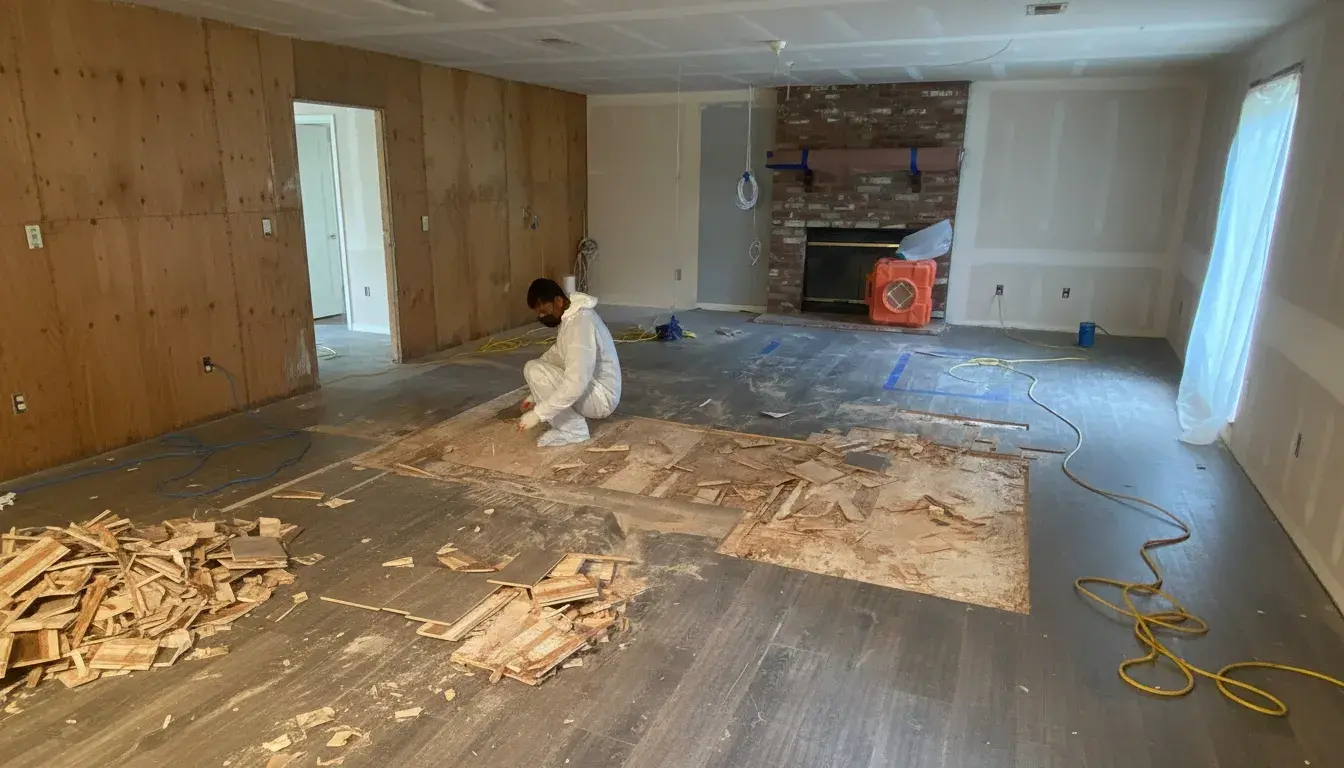
Water damage can wreak havoc on your home, especially when it comes to flooring. Hardwood and laminate floors are particularly vulnerable due to their material composition, and improper handling can lead to significant damage, affecting both aesthetics and functionality. If you're facing this challenge in Reseda, this guide will provide you with detailed steps to restore your flooring, ensuring your home returns to its former glory.
Understanding Water Damage to Flooring
Before diving into restoration techniques, it's crucial to understand how water damage impacts hardwood and laminate flooring.
Causes of Water Damage
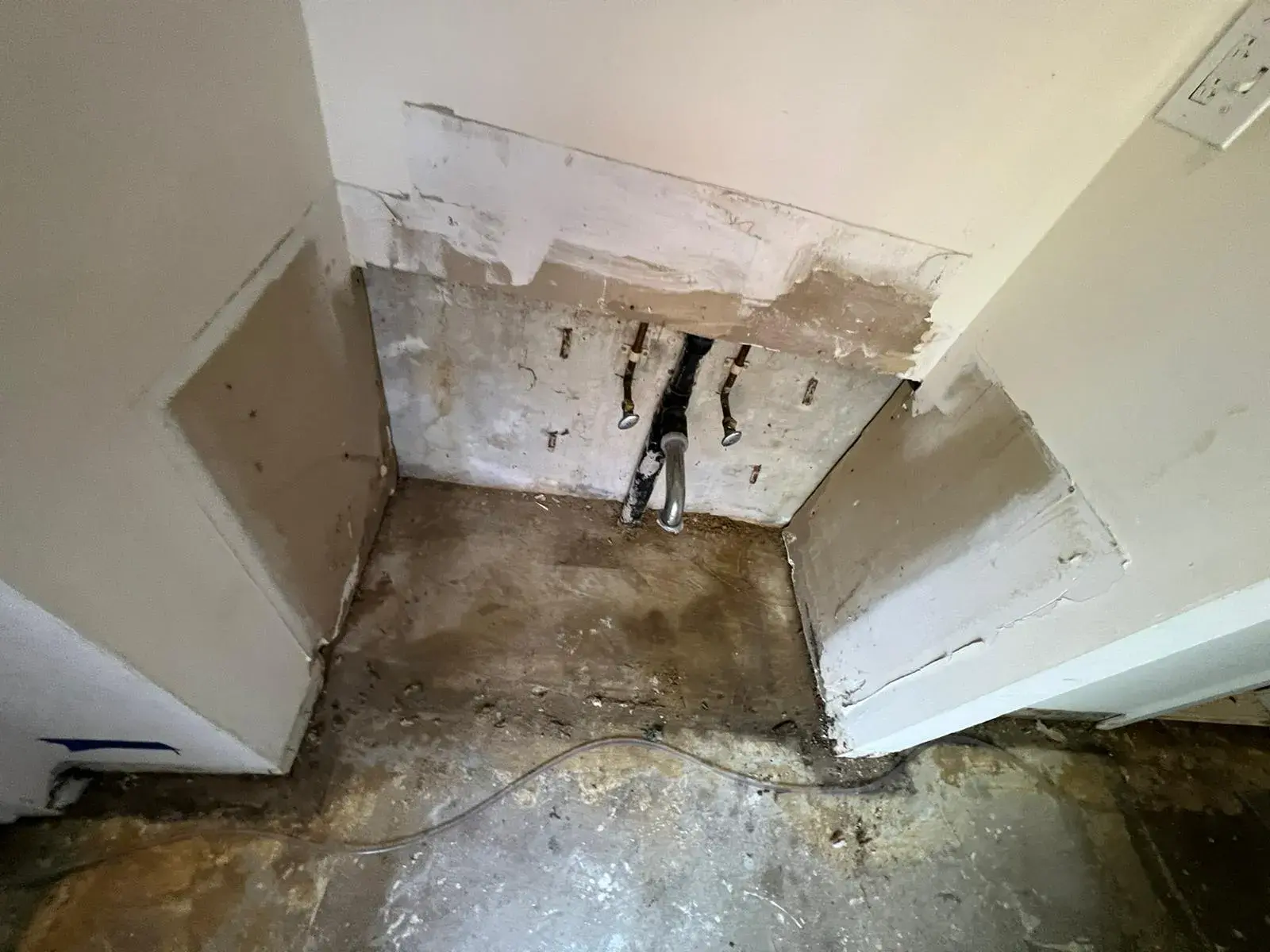
Water damage can stem from various sources, including:
- Flooding: Heavy rains or local flooding can lead to water intrusion.
- Plumbing Issues: Leaking pipes or overflows from sinks and bathtubs can saturate flooring.
- Appliance Failure: Malfunctioning appliances, such as dishwashers or refrigerators, can release water onto your floors.
Types of Damage
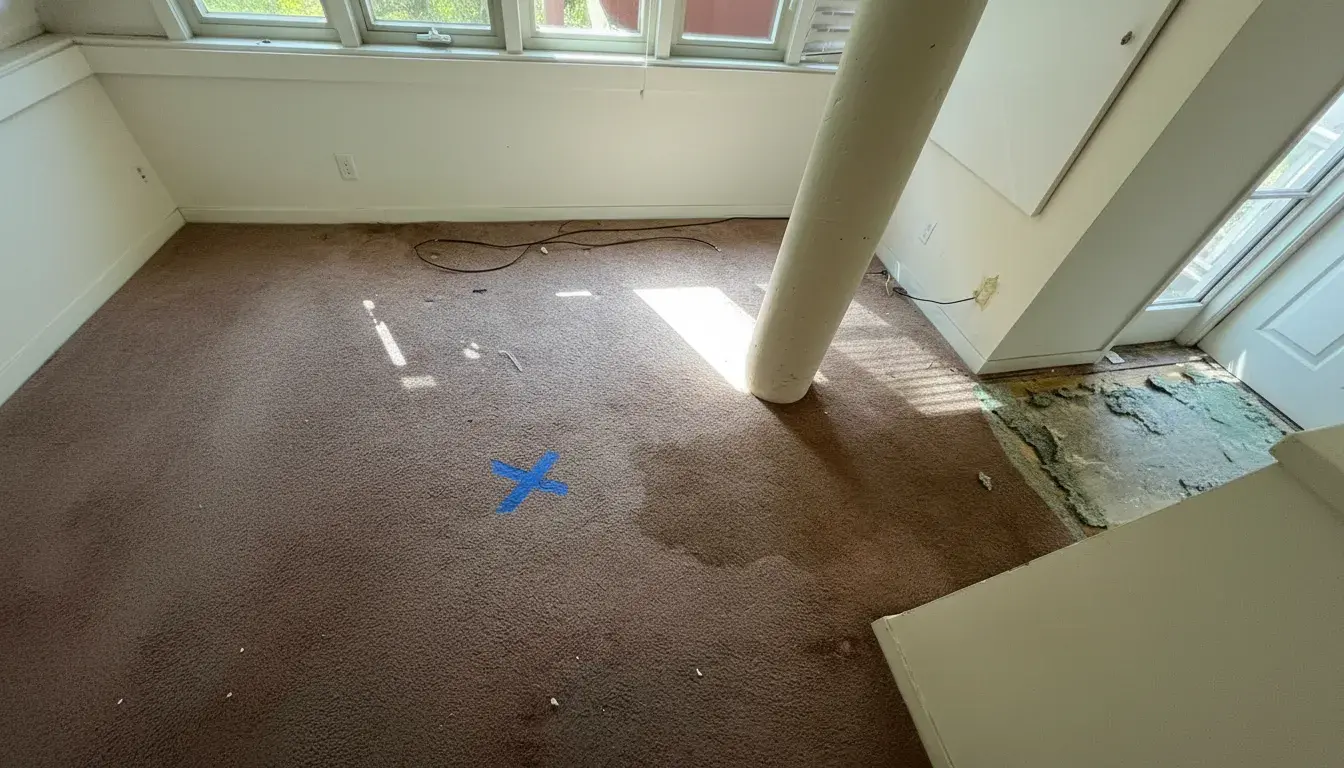
- Surface Damage: This includes warping or bubbling of the floor surface.
- Structural Damage: Prolonged exposure to water can cause boards to swell, crack, or even rot.
- Mold Growth: Moist environments promote mold growth, which can pose health risks.
Initial Steps: Safety First
Before starting any restoration process, prioritize safety:
- Turn Off Power: If water has reached electrical outlets, turn off the power to avoid electrocution.
- Wear Protective Gear: Use gloves and a mask to protect yourself from mold spores and contaminants.
Assessing the Damage
Visual Inspection
Begin with a thorough visual inspection of the affected areas:
- Check for Warping: Look for signs of warping or buckling in the flooring.
- Inspect Baseboards: Examine baseboards and surrounding areas for water stains and mold.
Moisture Testing
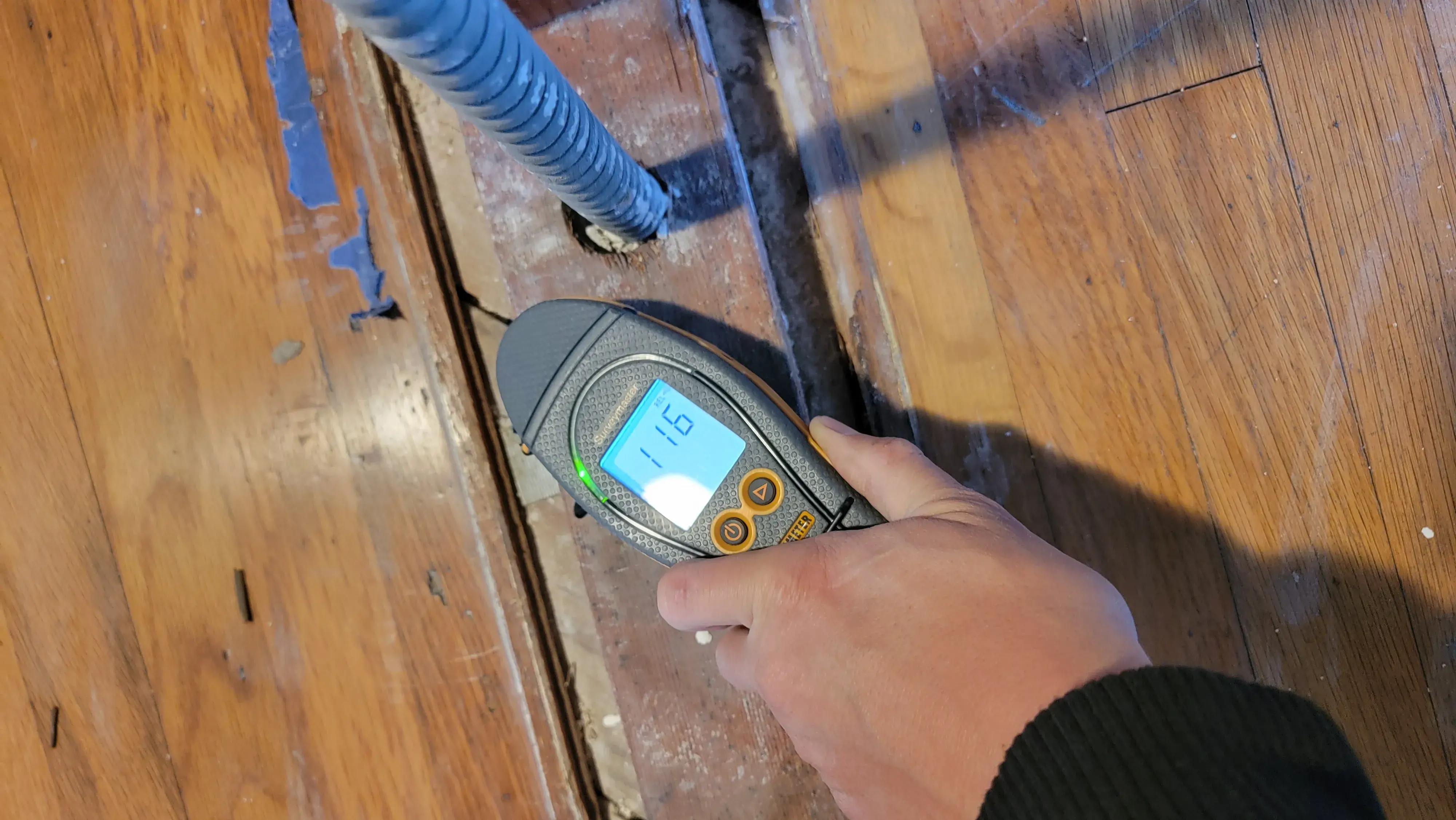
For a more precise assessment, use a moisture meter to gauge the moisture levels in the flooring. This will help determine the extent of the damage and the best course of action.
Restoration Process for Hardwood Floors
Restoring hardwood floors can be a bit more labor-intensive, but with the right steps, you can rejuvenate them.
1. Remove Standing Water
Using a wet/dry vacuum, remove as much standing water as possible. If the damage is extensive, consider calling in a professional for water damage restoration.
2. Drying the Area
- Air Circulation: Open windows and doors to promote airflow. Use fans and dehumidifiers to expedite drying.
- Heat Treatment: If conditions allow, you can use heat to facilitate evaporation.
3. Inspect for Damage
After drying, inspect the flooring again. Look for:
- Swelling: If boards are swollen, they may need to be replaced.
- Cracking: Check for cracks that may have developed.
4. Repairing Minor Damage
If the damage is minor, you might be able to:
- Sand the Floors: Sanding can remove surface stains and restore the finish.
- Refinish: Apply a new coat of finish to protect the wood.
5. Replace Severely Damaged Boards
For boards that are too damaged to repair, follow these steps:
- Remove Affected Boards: Carefully pry up the damaged boards.
- Install New Boards: Replace them with new hardwood, ensuring they match the existing flooring as closely as possible.
Restoration Process for Laminate Floors
Laminate floors have different restoration needs than hardwood.
1. Remove Water and Dry
Similar to hardwood, start by removing standing water with a wet/dry vacuum. Ensure thorough drying using fans and dehumidifiers.
2. Inspect the Underlayment
If the underlayment is wet, it may need replacement. The underlayment is crucial for moisture control and can affect the integrity of the laminate flooring.
3. Replace Damaged Planks
For laminate floors, damaged planks can often be replaced without removing the entire flooring:
- Identify the Damaged Plank: Determine which planks are damaged.
- Remove and Replace: Use a laminate pull bar to remove the damaged planks and snap in new ones.
4. Seal the Edges
Once repairs are made, seal the edges to prevent future water intrusion. Use a laminate sealant specifically designed for this purpose.
Preventing Future Water Damage
After restoring your flooring, take proactive steps to prevent future damage:
- Regular Inspections: Check for leaks in plumbing and appliances regularly.
- Humidity Control: Maintain indoor humidity levels between 30-50% to prevent mold growth.
- Install Drainage Systems: If flooding is a common issue in your area, consider installing drainage systems around your property.
When to Call a Professional
While the above steps can help you restore your hardwood and laminate floors, some situations may require professional assistance. If the water damage is extensive or if mold growth is detected, it is advisable to reach out to professionals like Yostin Restoration. Our team specializes in water damage restoration and can ensure your home is safe and restored effectively.
Restoring hardwood and laminate flooring after water damage in Reseda is a manageable task if approached with the right knowledge and tools. By acting quickly and following these steps, you can minimize damage and restore the beauty of your floors. Remember, for severe cases or if you're unsure about the restoration process, don't hesitate to contact professionals to assist you. Your peace of mind and the integrity of your home are worth it!