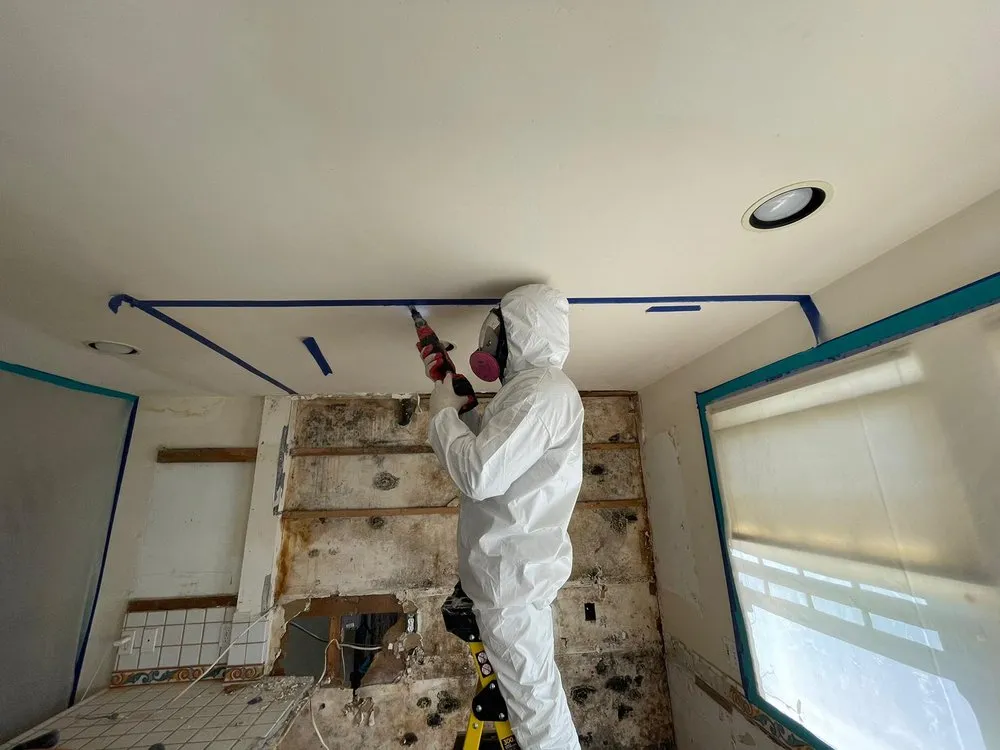
Mold isn't always dramatic or obvious. It doesn't roar into your home the way fire does, nor does it create the sudden chaos of a burst pipe. Instead, mold creeps in silently, growing behind walls, beneath flooring, inside air ducts, or along damp corners where it often goes unnoticed. But while mold may develop quietly, the impact it has on your home—and on your health—can be significant. For many homeowners in Reseda and surrounding communities, mold represents both a physical threat and an emotional one. It affects the air you breathe, the safety of the people you love, and the sense of comfort you expect within your home.
Understanding the health effects of mold exposure gives homeowners the power to protect their families. When you know what symptoms to look for, where mold commonly hides, and why professional mold removal is essential, you gain the clarity needed to take action before small problems become serious ones. Mold is more than a maintenance issue—it's an indoor air quality concern, and it deserves attention grounded in knowledge, prevention, and expert care. With the support of dedicated professionals like Yostin Water Damage & Restoration Inc, homeowners can ensure their living environment remains safe, clean, and healthy year-round.
Why Mold Exposure Is More Serious Than Many People Realize
Mold affects people differently, but the risks are far more widespread than most homeowners assume. Mold spores are microscopic and easily inhaled. Once airborne, they spread throughout the home, moving from room to room and entering HVAC systems where they circulate constantly. For individuals with allergies, asthma, respiratory sensitivities, or weakened immune systems, mold exposure can quickly lead to health complications. Even those who consider themselves healthy may develop symptoms when exposed long enough.
Some homeowners treat mold as an inconvenience—something unpleasant but not dangerous. Yet studies consistently show that mold exposure can influence respiratory health, skin sensitivity, and general wellbeing. Children, seniors, and individuals with existing health challenges are particularly vulnerable. And because symptoms often mimic common illnesses, many families live with mold exposure for months without realizing the true cause of their discomfort.
Understanding the seriousness of mold is not meant to create fear; it's meant to create awareness. Mold becomes most dangerous when ignored. When addressed quickly through proper mold removal, its impact can be minimized, and your home can be restored to a healthy living environment.
Common Health Effects Linked to Mold Exposure
The effects of mold exposure vary depending on the person, the type of mold, and the length of exposure. Some individuals feel symptoms almost immediately, while others develop issues gradually.
Respiratory Symptoms
One of the first signs of mold exposure is respiratory irritation. Mold spores can inflame airways and make breathing feel more difficult. Homeowners often report persistent coughing, wheezing, throat irritation, or a sensation of tightness in the chest. For people with asthma, these symptoms can become severe.
Allergic Reactions
Mold is a powerful allergen. Individuals may experience sneezing, itchy or watery eyes, nasal congestion, sinus pressure, or skin rashes. These symptoms come and go but often worsen when spending time indoors. For many homeowners in Reseda, this leads to frustration—they clean regularly, yet allergy symptoms persist.
Fatigue and Headaches
Long-term mold exposure affects more than the lungs. Some individuals develop chronic fatigue, headaches, or difficulty concentrating. These symptoms are often overlooked, but they improve noticeably once the mold is removed and indoor air quality is restored.
Heightened Risks for Vulnerable Groups
Infants, young children, elderly family members, and individuals with immune system conditions are far more sensitive to mold. Even small amounts can cause discomfort or trigger more serious reactions. In these households, early detection and prompt mold removal are essential for long-term health.
Where Mold Hides—and Why You Don't Always See It
One of the biggest dangers of mold is that it grows where you least expect it. Homeowners often associate mold with visible black spots in bathrooms or damp basements, but most mold colonies develop in concealed spaces. By the time visible mold appears, the colony may already be extensive underneath the surface.
Hidden mold thrives in places such as:
- Behind drywall affected by past leaks
- Under carpeting or flooring where moisture was trapped
- Inside air ducts or HVAC systems
- Behind kitchen cabinets or bathroom vanities
- Inside attics with poor ventilation
- Around windows where condensation accumulates
- Within crawl spaces exposed to moisture
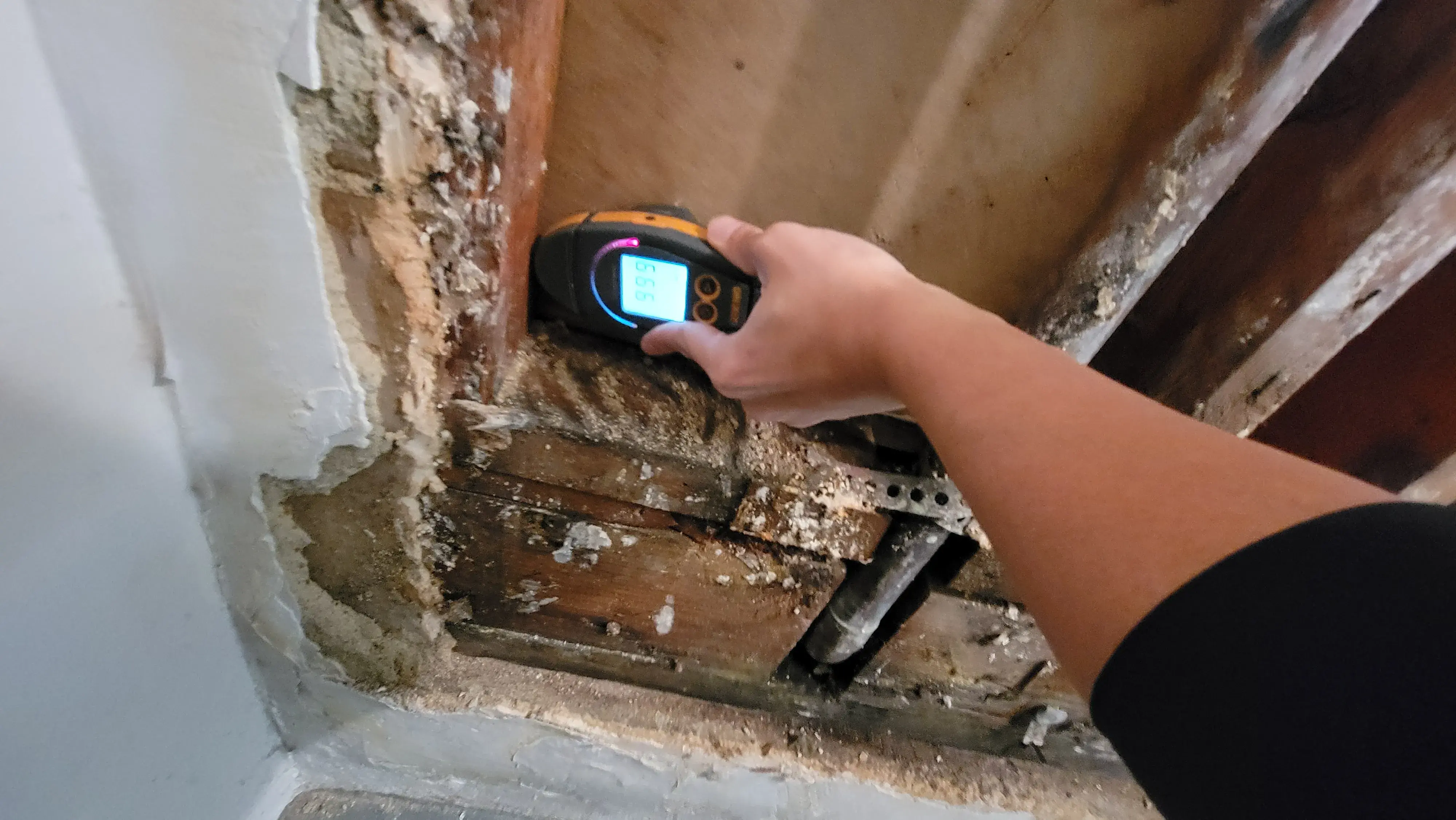
This hidden growth is why professional inspections are so important. Experts use moisture meters, thermal imaging, and industry-backed assessment tools to locate mold colonies that homeowners would never find on their own. When mold is addressed early, health effects can be reduced, and structural damage can be prevented.
A Technician's Anecdote: "I Knew Something Was Wrong Before They Did"
"One of the most memorable homes I worked in was a two-story house in Reseda. The family kept getting sick—coughing, headaches, the kids felt tired all the time, and they couldn't figure out why. When I walked in, the house looked spotless. No visible mold anywhere. But something felt off.
I started checking the usual high-risk areas. When I pulled out the dishwasher just a few inches, I smelled it—strong, earthy, unmistakable. The hose had been leaking for months. Warm water had created the perfect environment for mold to grow. When I opened the wall cavity, it was filled with thick, hidden mold colonies spreading behind the cabinets.
The homeowner was shocked. They had blamed their symptoms on seasonal allergies. But within weeks of completing the mold removal and drying everything properly, the headaches stopped. The kids stopped coughing. The whole house felt different.
Moments like this remind me how important our work is. Mold isn't always obvious—but once it's gone, the change in a family's wellbeing is undeniable."
Why Professional Mold Removal Is Essential
Mold cannot be effectively removed with household cleaners alone. Scrubbing the surface may make it look cleaner temporarily, but it does nothing to address the deeper growth in porous materials or hidden areas. In many cases, disturbing the mold without proper containment actually makes the problem worse by releasing more spores into the air.
Professional mold remediation includes:
- Identifying the source of moisture
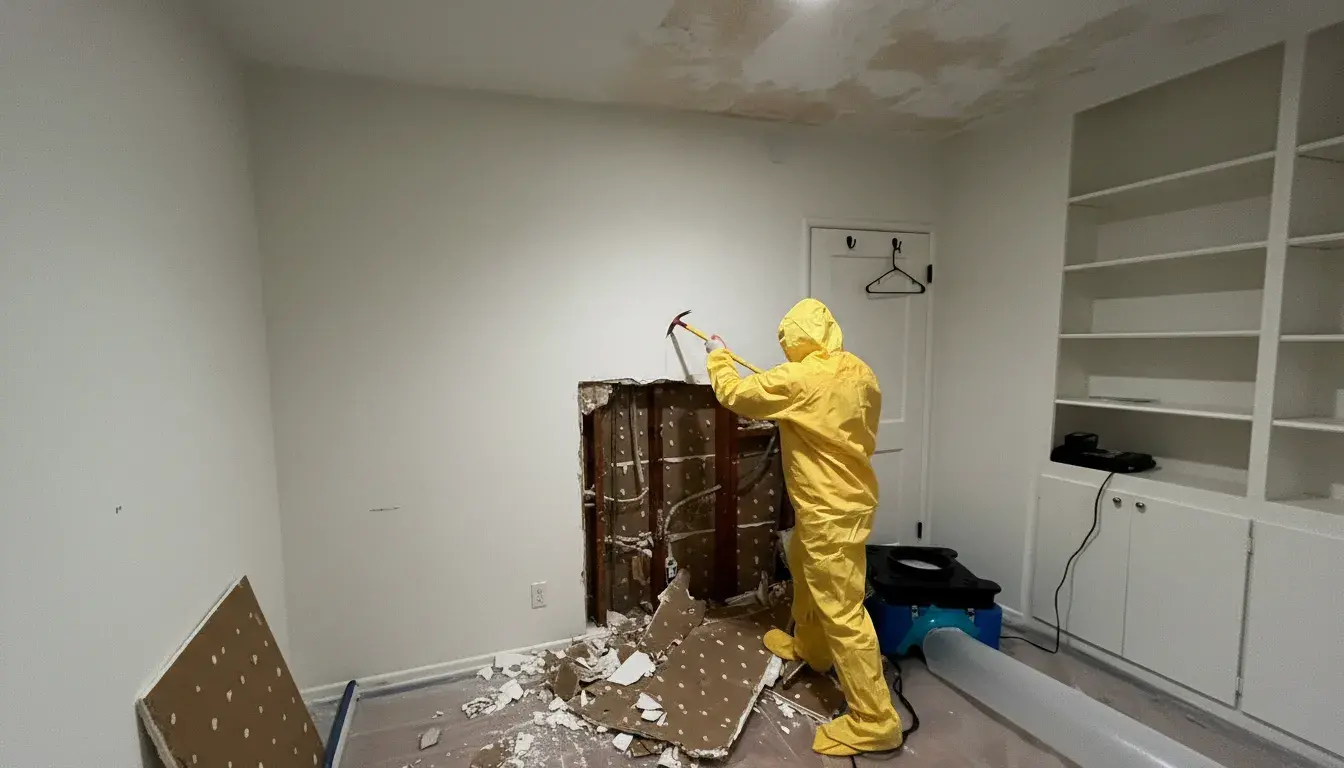
- Containing contaminated areas
- Removing affected materials safely
- Cleaning and sanitizing all surfaces
- Purifying the air with advanced filtration
- Restoring the home to safe living conditions
Companies like Yostin Water Damage & Restoration Inc follow strict industry protocols to ensure mold is removed safely, thoroughly, and permanently.
How Mold Spreads and Why Quick Action Matters
Mold spreads through microscopic spores that travel effortlessly through the air. These spores settle on moist surfaces, where they begin to grow and reproduce. What makes mold particularly dangerous is its ability to thrive in hidden areas—inside walls, deep in insulation, beneath flooring, or within duct systems. Once established, mold colonies expand rapidly, feeding on building materials such as wood, drywall, paper backing, and fabric. In warm climates like Reseda, growth is even faster because mold thrives in humidity and trapped moisture.
This is why quick action is crucial. The longer mold remains undetected or untreated, the more it spreads. A small colony behind a bathroom wall can multiply into an entire cross-room contamination in a matter of weeks. Once mold infiltrates structural materials, repairs become more extensive and often more costly. Early intervention not only limits structural damage but also reduces the health effects caused by airborne spores. Prompt mold removal prevents long-term issues and restores indoor air quality before the family's health is compromised.
Understanding the Full Mold Removal Process
Proper mold removal is a careful, multi-step procedure that prioritizes safety, precision, and long-term prevention. Homeowners sometimes underestimate how methodical the process must be, but a structured approach is essential for ensuring the mold does not return.
Inspection and Moisture Detection
Professionals begin with a detailed evaluation of the property, identifying not just where mold is present but why it developed. Moisture is always the root cause—whether from a leak, condensation, poor ventilation, or past flooding. Moisture meters, hygrometers, and thermal imaging devices reveal the full scope of contamination.
Containment and Air Filtration
Containment barriers are installed to prevent spores from spreading during removal. Negative air pressure machines and HEPA air scrubbers continuously pull contaminants from the environment. This protects unaffected rooms and ensures that the cleanup process does not make the situation worse.
Safe Removal of Contaminated Materials
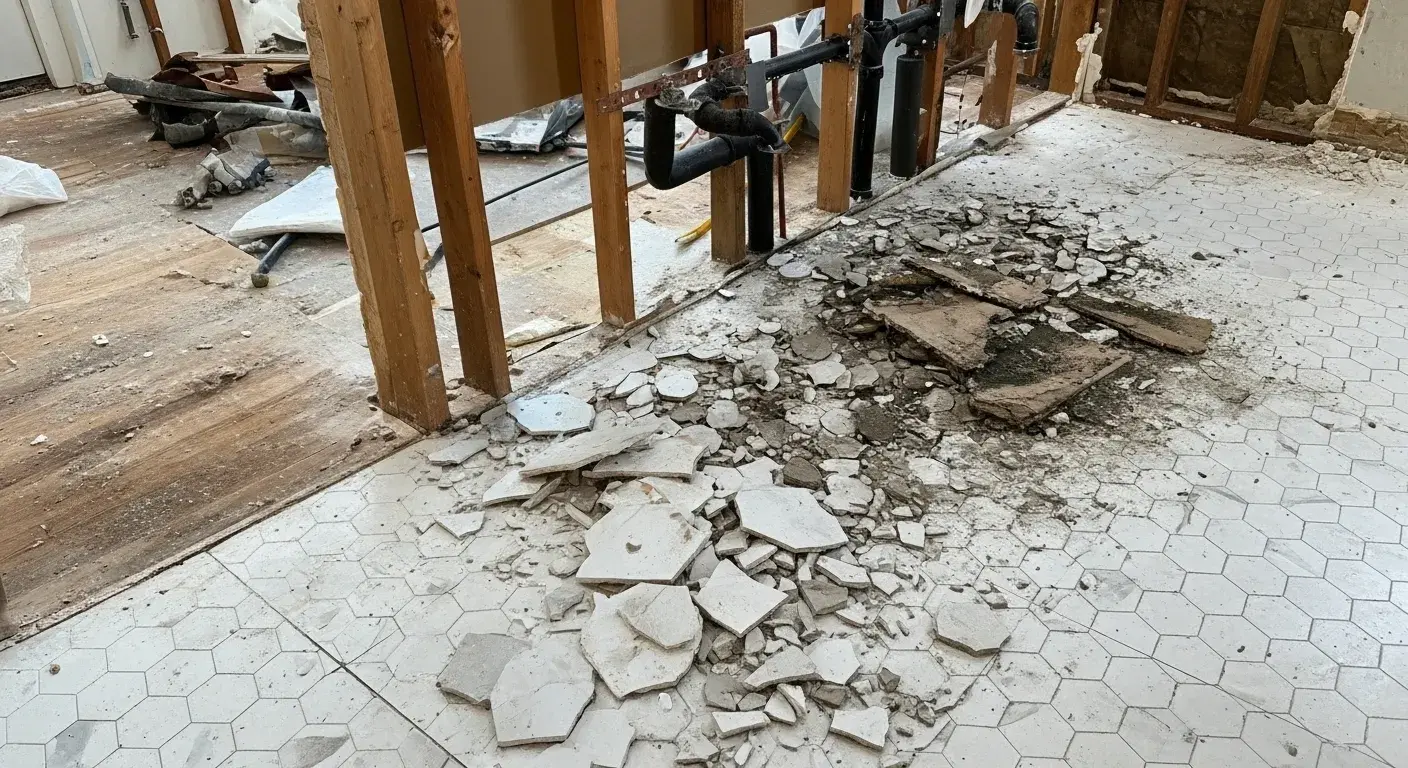
Depending on the severity of growth, professionals may remove drywall, insulation, flooring, or cabinets that have been compromised. These materials are disposed of according to industry guidelines to ensure spores do not spread. What remains is thoroughly cleaned, treated, and prepared for restoration.
Cleaning and Decontamination
All affected surfaces are deep-cleaned with antimicrobial agents. Special tools remove embedded particles, and filtration captures airborne spores. HVAC ducts may also be cleaned if the system has circulated contaminated air.
Drying and Moisture Elimination
Eliminating the source of moisture is essential. Air movers, dehumidifiers, and ventilation adjustments restore healthy humidity levels. Without this step, mold will return—even after the most thorough cleaning.
Restoration and Reconstruction
Once the environment is safe and dry, structural repairs begin. This may include replacing walls, flooring, paint, cabinetry, or insulation. By the end of the process, the space feels new, clean, and breathable—a stark contrast to the unhealthy environment mold once created.
Why DIY Mold Removal Often Makes Things Worse
Many homeowners are tempted to handle mold themselves with store-bought cleaners or bleach. Unfortunately, these methods only clean the surface and do nothing to address the deeper growth. Bleach can even cause mold to retreat deeper into porous materials, making the problem harder to solve later. In addition, disturbing mold without proper containment spreads spores throughout the home, increasing contamination and posing serious health risks.
Attempting DIY mold cleanup also exposes homeowners to unnecessary health hazards. Without protective equipment, HEPA filtration, and proper containment, spores become airborne and inhaled. Professional mold removal ensures the job is done correctly, safely, and completely—protecting both the home and the family.
Preventing Mold From Returning
Removing mold is only part of the solution. Preventing its return requires addressing the underlying moisture issues and making smart changes within the home.
Improve Ventilation
Bathrooms, kitchens, attics, and laundry areas need consistent airflow. Using exhaust fans, opening windows, and improving circulation keeps humidity under control.
Fix Water Leaks Promptly
Even small leaks behind toilets, under sinks, or within walls can create the exact conditions mold needs. Regular inspections prevent slow, hidden moisture buildup.
Manage Indoor Humidity
Humidity levels above 60% create ideal mold growth conditions. Dehumidifiers, proper HVAC maintenance, and insulation improvements help regulate moisture.
Keep Areas Dry After Water Spills
Immediate drying of spills and damp surfaces prevents mold from establishing itself. Even small daily habits make a meaningful difference.
Inspect High-Risk Areas Regularly
Basements, attics, crawl spaces, and around appliances are common mold hotspots. Routine checks help identify early warning signs before colonies spread.
When homeowners stay proactive, the risk of serious mold problems decreases dramatically. Prevention keeps your indoor environment healthy and reduces the need for extensive remediation.
Regaining Confidence in Your Home After Mold Removal
The presence of mold affects more than indoor air quality—it affects your sense of comfort and emotional wellbeing. Many families feel uneasy sleeping, breathing, or even relaxing in a home they know has been affected. This discomfort is normal. Mold disrupts the sense of safety that a home should provide.
But the restoration process brings reassurance. As contaminated materials are removed, as air quality improves, and as the home is rebuilt, the environment gradually feels safe again. Families begin to breathe easier—literally and emotionally. The home transforms from a place of worry back into the sanctuary it's meant to be.
Companies like Yostin Water Damage & Restoration Inc understand this emotional journey. Their role isn't just to eliminate mold but to restore trust in the home, giving families the confidence that their living spaces are healthy, secure, and truly safe for their loved ones.
A Fresh Start: The Transformation After Mold Removal
When mold is finally eliminated, the air feels cleaner, rooms smell fresher, and the tension that once hung over the household begins to fade. Homeowners often describe an immediate difference in how they feel—better breathing, fewer allergy symptoms, clearer air, and a renewed sense of peace. This transformation marks more than just the end of a mold problem. It symbolizes a fresh start, a healthier future, and a restored sense of comfort.
With expert support from Yostin Water Damage & Restoration Inc, homeowners can move forward knowing their house is not just repaired—but renewed. Mold removal becomes a turning point, restoring not only the property but the wellbeing of the entire family.