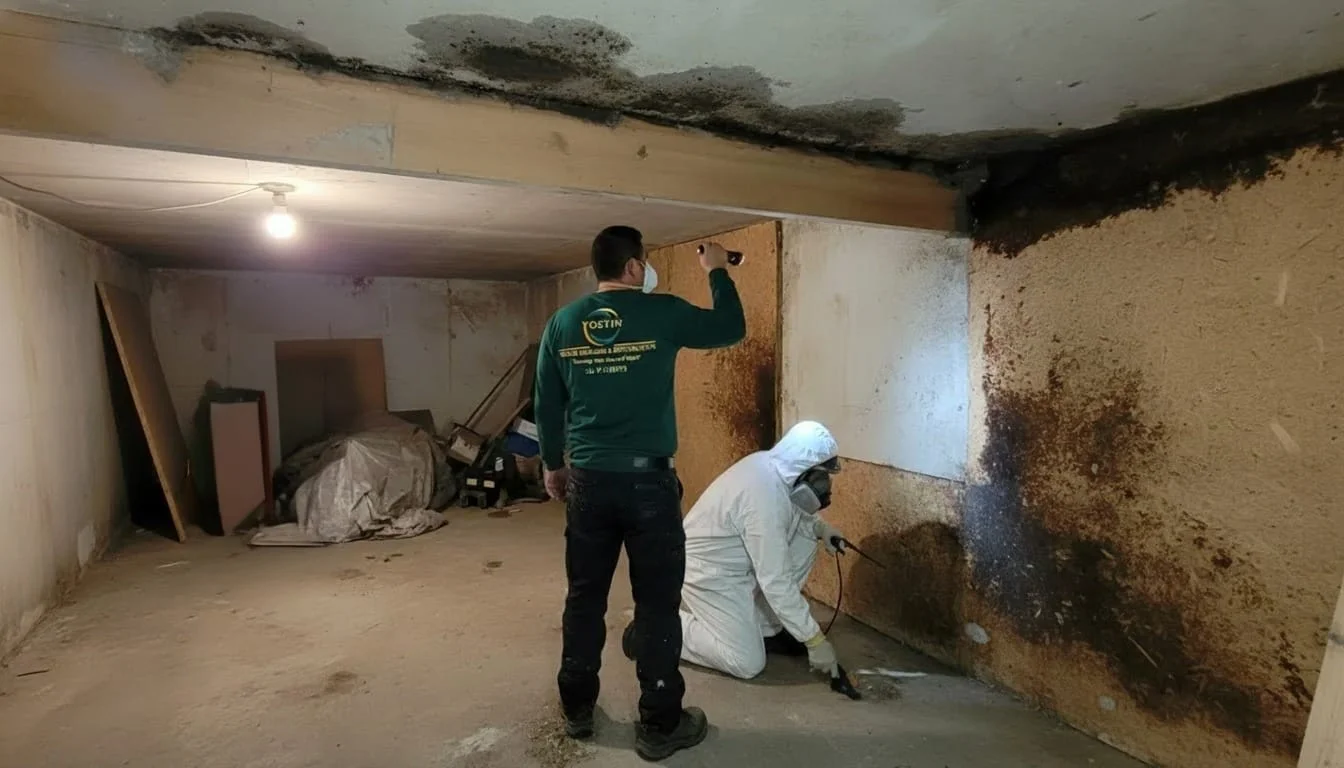
When water damage strikes, whether from heavy rain, flooding, or plumbing mishaps, the aftermath can be overwhelming. One of the most effective tools in managing excess moisture is the dehumidifier. For homeowners in the San Fernando Valley, understanding how dehumidifiers can prevent long-term damage is crucial. This blog post explores the role of dehumidifiers in restoration efforts, the types of damage they prevent, and why their timely use is essential for safeguarding your property.
Understanding Water Damage
Water damage can manifest in various forms, including:
- Structural Damage: Excess moisture can weaken the structural integrity of your home, leading to costly repairs over time.Water damage can manifest in various forms, including: - Structural Damage: Excess moisture can weaken the structural integrity of your home, leading to costly repairs over time.
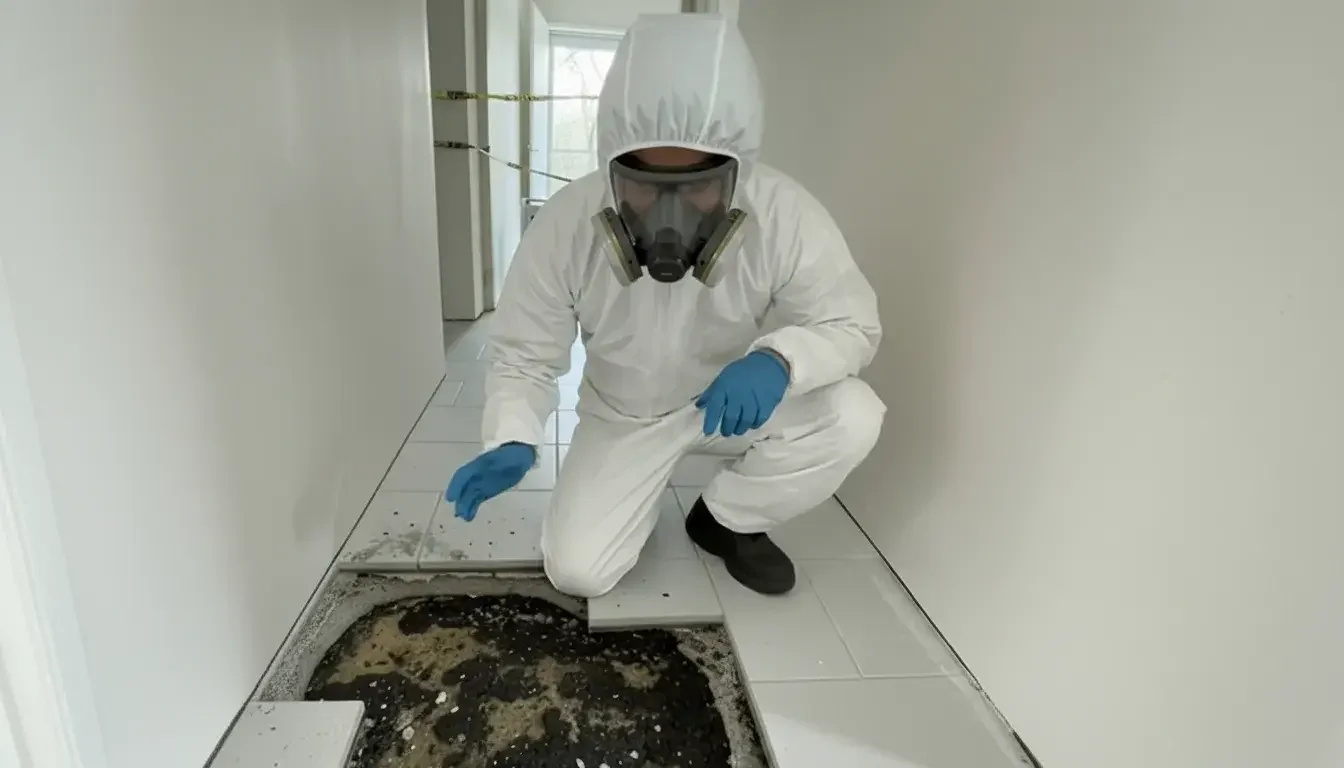
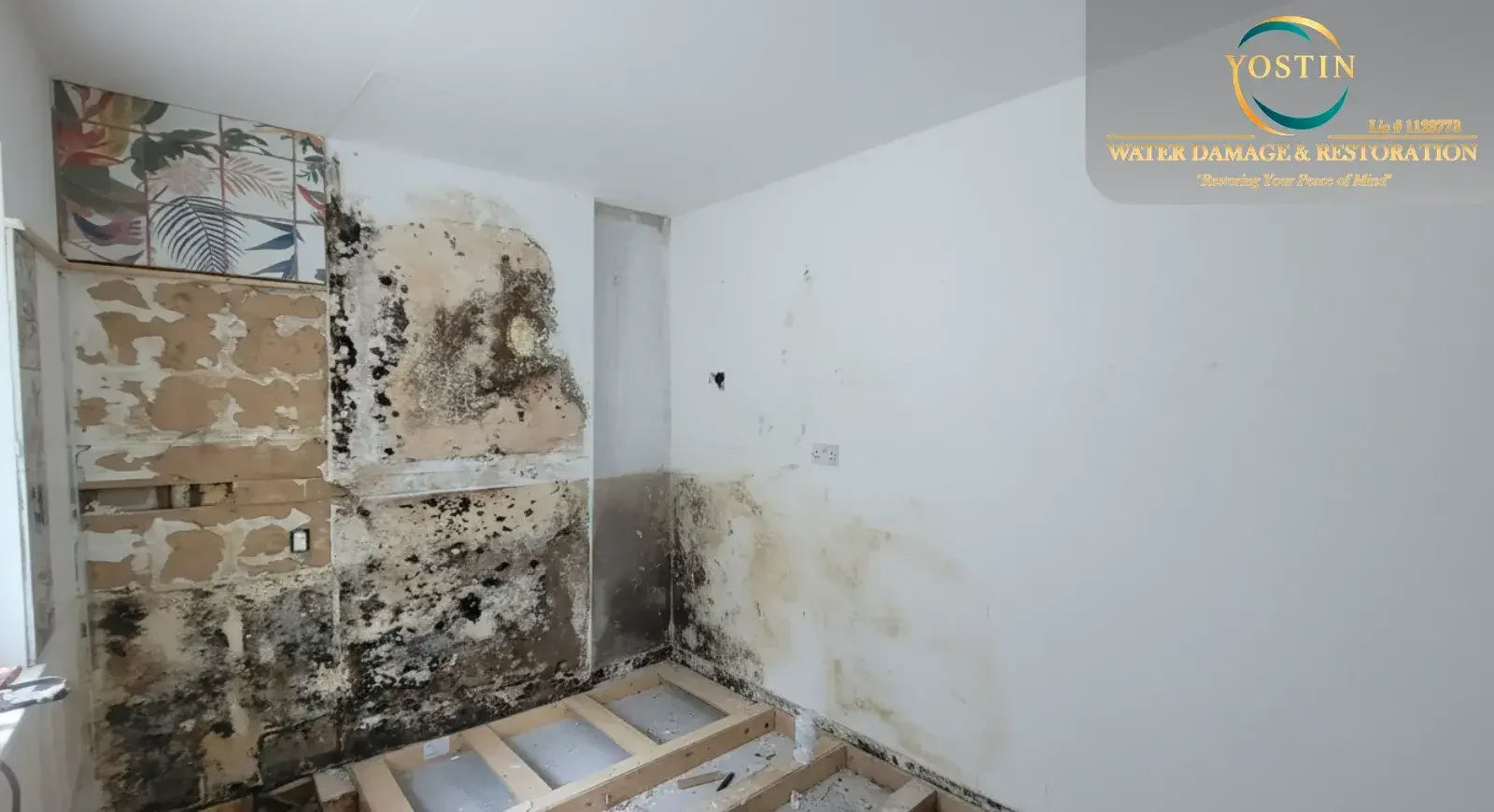
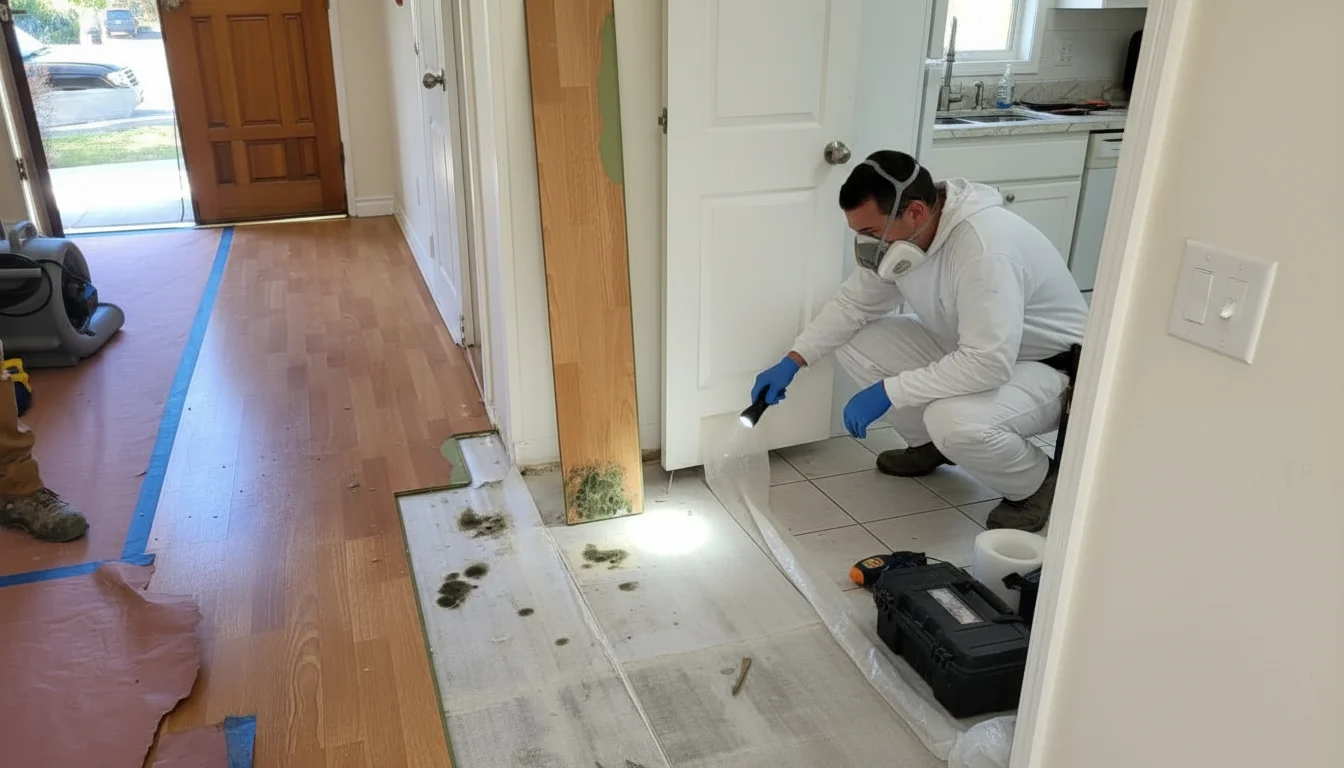
- Mold Growth: A damp environment is the perfect breeding ground for mold, which can pose serious health risks.
- Pest Infestations: Stagnant water and humidity can attract pests, leading to further complications and potential damage.
In the San Fernando Valley, seasonal rains and occasional flooding create a perfect storm for these issues. Thus, addressing water damage promptly is essential.
The Role of Dehumidifiers in Water Damage Restoration
Dehumidifiers are devices designed to reduce and maintain the level of humidity in the air. Their primary function is to extract moisture from the environment, making them invaluable in water damage scenarios. Here’s how they contribute to the restoration process:
1. Rapid Drying of Affected Areas
After a water event, it’s crucial to dry out the affected areas quickly. Dehumidifiers accelerate the drying process by pulling moisture from the air, which in turn helps to dry out walls, floors, and furniture. This rapid drying is vital in preventing further damage, such as mold growth.
2. Preventing Mold Growth
Mold can begin to develop within 24 to 48 hours after water exposure. By using dehumidifiers, homeowners can maintain humidity levels below 60%, significantly reducing the risk of mold spores settling and proliferating. Mold removal can be a challenging and costly process, so prevention is always the best strategy. For more information on mold management, check out our mold removal services.
3. Improving Indoor Air Quality
Excess humidity can lead to musty odors and poor indoor air quality. Dehumidifiers help to eliminate these odors by reducing moisture levels, resulting in a fresher environment. This is particularly important for families with children or individuals with respiratory issues.
4. Protecting Structural Integrity
Excess moisture can weaken building materials over time. Wood can warp, drywall can sag, and metal can corrode. By controlling humidity levels, dehumidifiers help preserve the structural integrity of your home, preventing costly repairs down the line.
Types of Dehumidifiers
There are several types of dehumidifiers available, each suited for different situations:
1. Refrigerant Dehumidifiers
These are the most common type for home use. They work by cooling the air, creating condensation, which is then collected in a tank. They are effective in warm, humid conditions but may struggle in cooler environments.
2. Desiccant Dehumidifiers
Using materials that absorb moisture, desiccant dehumidifiers are ideal for colder climates or spaces where lower temperatures exist. They are less energy-efficient compared to refrigerant models but can operate effectively in various conditions.
3. Whole-House Dehumidifiers
These units are installed within your home’s HVAC system, providing consistent humidity control throughout the entire property. They are particularly useful for larger homes or areas prone to persistent humidity.
Best Practices for Using Dehumidifiers
To maximize the effectiveness of dehumidifiers during water damage events, consider the following best practices:
1. Start Early
As soon as water intrusion is detected, deploy dehumidifiers to begin the drying process. The sooner you act, the more effective they will be in preventing damage.
2. Positioning Matters
Place dehumidifiers in the most affected areas, such as basements or near water-logged furniture. Ensure that there’s enough space around the units for optimal air circulation.
3. Monitor Humidity Levels
Use a hygrometer to keep track of humidity levels in your home. Aim to maintain levels below 60% to effectively prevent mold growth and other moisture-related issues.
4. Regular Maintenance
Keep your dehumidifier clean and well-maintained. Empty the water tank regularly, replace filters as needed, and ensure the unit is functioning correctly for maximum efficiency.
When to Call a Professional
While dehumidifiers can be incredibly effective, they may not be a one-size-fits-all solution. If you experience significant water damage, it’s crucial to consult with professionals. Restoration experts can assess the situation and provide comprehensive services, including mold remediation and structural repairs. For more information on our services, visit our services page.
Dehumidifiers play a vital role in preventing long-term damage following water events in the San Fernando Valley. By reducing moisture levels, they help mitigate mold growth, protect structural integrity, and improve indoor air quality. Understanding how and when to use dehumidifiers can save homeowners not only money but also peace of mind. If you find yourself facing water damage, don’t hesitate to reach out for professional assistance to ensure your home remains safe and healthy.