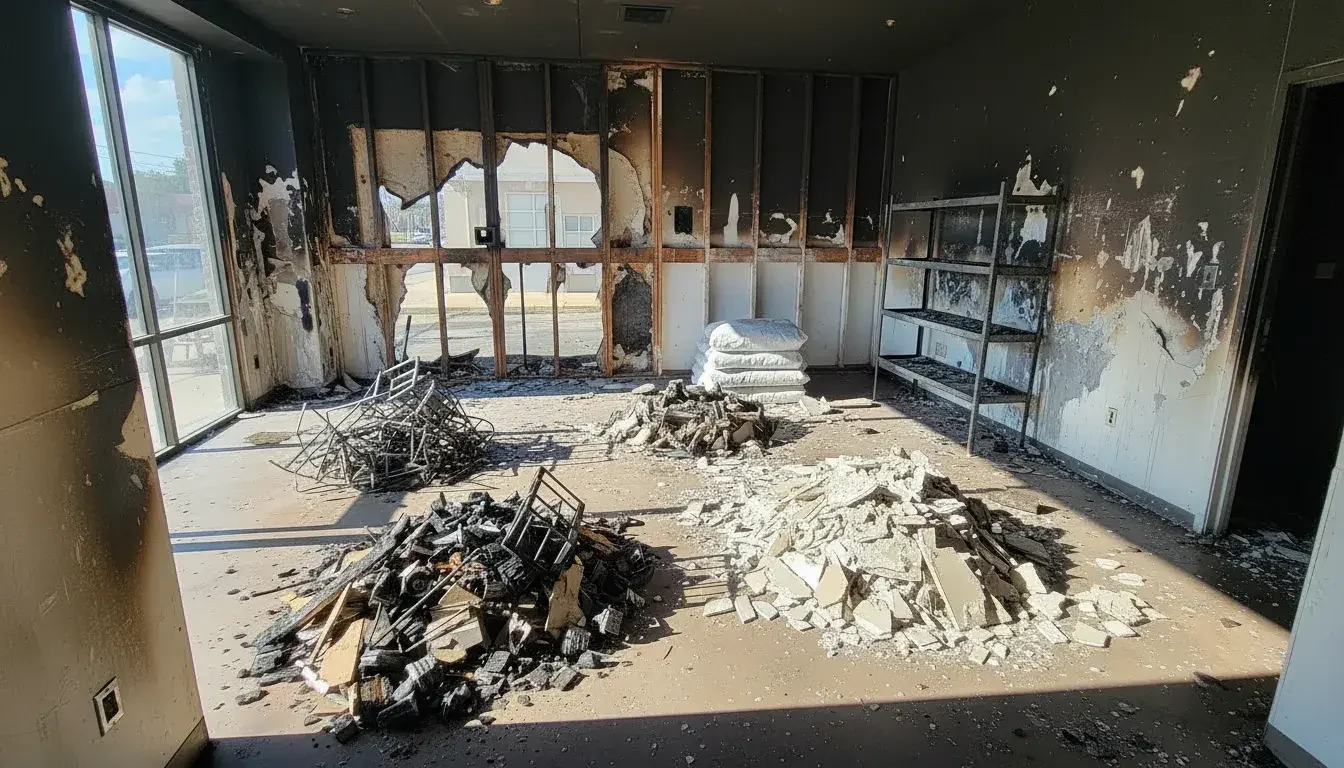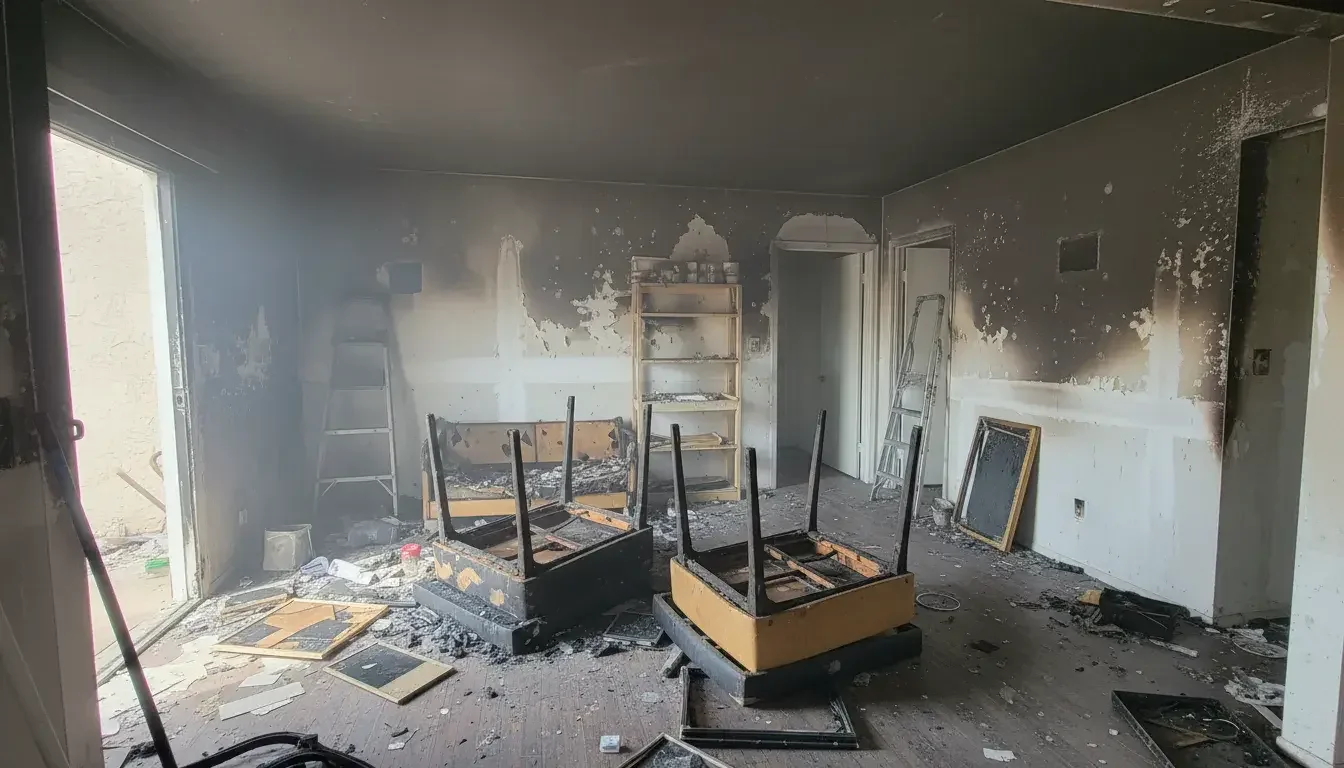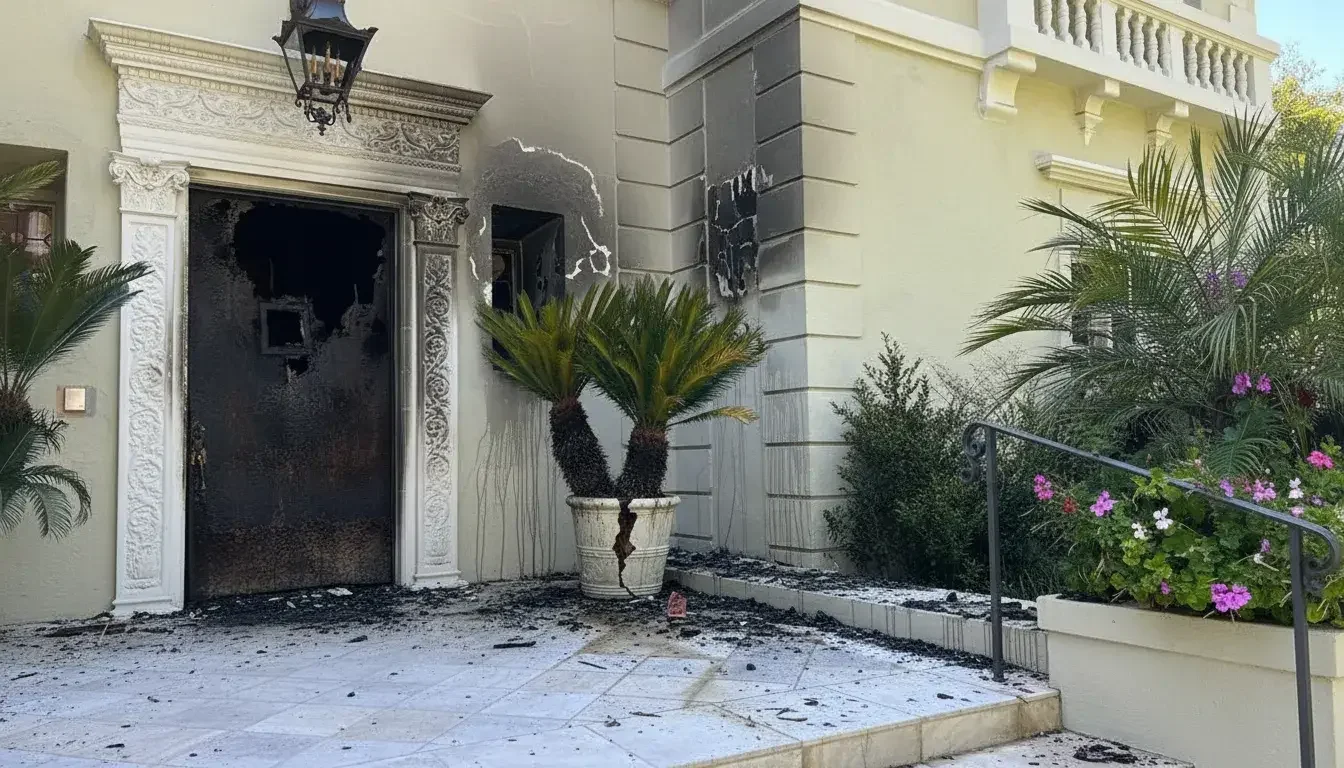
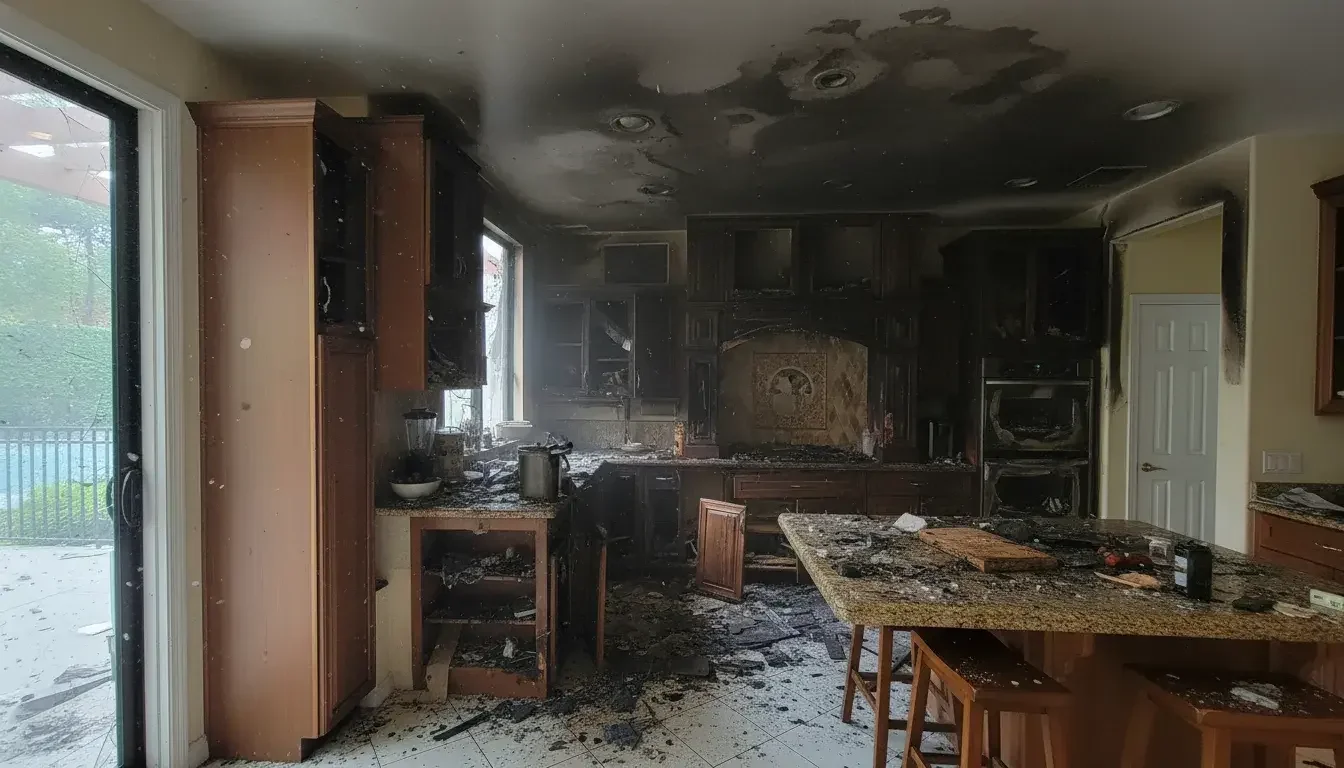
Fire incidents leave behind more than charred structures and smoke-stained walls. Among the most insidious byproducts of residential fires is soot—a fine, powdery substance that infiltrates every surface, crevice, and air space within affected properties. While immediate fire damage often captures attention, the long-term health and structural risks posed by soot exposure represent a persistent threat that many San Fernando Valley homeowners underestimate. Understanding these risks and the importance of professional fire damage restoration helps protect families and properties from consequences that can persist for years after flames are extinguished.
Soot particles are not merely cosmetic nuisances that discolor walls and furnishings. These microscopic particles contain complex mixtures of carbon, acids, chemicals, metals, and other toxic substances produced during incomplete combustion. When fires burn through modern homes filled with synthetic materials, plastics, treated woods, and various household products, the resulting soot becomes a toxic cocktail that poses serious health hazards. Yostin Water Damage & Restoration Inc emphasizes that comprehensive smoke damage restoration must address not only visible soot deposits but also the airborne particles and chemical residues that continue threatening occupant health long after fire cleanup appears complete.
The San Fernando Valley's unique environmental conditions compound soot-related challenges. The region's climate patterns, indoor-outdoor living styles, and housing characteristics create specific vulnerabilities that make professional fire damage repair Reseda residents require particularly critical. Delayed or inadequate soot remediation transforms temporary fire damage into permanent health risks and property degradation, making informed decision-making about fire restoration services essential for protecting long-term wellbeing and property values.
Health Consequences of Prolonged Soot Exposure
The human health implications of living with residual soot contamination extend far beyond temporary respiratory irritation. Soot particles measure small enough to penetrate deep into lung tissue, with the finest particles—those under 2.5 micrometers—capable of entering the bloodstream through the alveoli. This deep penetration means soot exposure affects not just respiratory health but cardiovascular, neurological, and overall systemic function.
Respiratory system impacts represent the most immediately recognized health consequences. Individuals exposed to soot-contaminated environments frequently experience persistent coughing, wheezing, shortness of breath, and exacerbation of pre-existing conditions like asthma and chronic obstructive pulmonary disease. The acidic nature of soot particles irritates delicate lung tissues, causing inflammation that can become chronic with ongoing exposure. Children, whose respiratory systems are still developing, face heightened vulnerability to these effects, potentially experiencing impacts that influence lung function throughout their lives.
Cardiovascular effects from soot exposure demonstrate how these particles create systemic health impacts beyond the respiratory tract. Research has linked fine particulate matter exposure—including soot—to increased risk of heart attacks, strokes, arrhythmias, and accelerated atherosclerosis. The mechanisms involve inflammatory responses triggered by particle inhalation, oxidative stress, and direct effects on blood vessel function. For San Fernando Valley residents with existing cardiovascular risk factors, lingering soot contamination following fire incidents represents a serious ongoing health threat that emergency fire cleanup must address comprehensively.
Neurological impacts and cognitive effects associated with soot exposure have emerged as significant concerns through recent research. Fine particulate matter can reach the brain through both the bloodstream and direct pathways via olfactory nerves. Studies have connected long-term exposure to increased risks of dementia, cognitive decline, and neurological inflammation. While single-incident fire exposure differs from chronic environmental pollution, the concentrated soot levels in fire-damaged homes create exposure intensities that warrant serious concern, particularly for vulnerable populations including children and elderly residents.
Carcinogenic compounds within soot add another dimension to long-term health risks. Many substances released during combustion—including polycyclic aromatic hydrocarbons (PAHs), formaldehyde, benzene, and various heavy metals—are known or suspected carcinogens. Extended residence in inadequately cleaned fire-damaged properties means ongoing exposure to these substances through inhalation, dermal contact, and inadvertent ingestion via contaminated surfaces. Yostin Water Damage & Restoration Inc approaches fire damage restoration with full awareness that thoroughness directly impacts occupant cancer risk over subsequent decades.
Vulnerable Populations and Enhanced Risk Factors
Certain individuals face disproportionately severe consequences from soot exposure, making comprehensive smoke odor removal and complete fire damage assessment even more critical when these populations occupy affected properties. Infants and young children experience greater exposure relative to body weight, breathe more rapidly than adults, and have developing systems less capable of managing toxic exposures. Their tendency to play on floors and put objects in their mouths increases contact with soot-contaminated surfaces.
Pregnant women represent another high-risk group, as particulate matter exposure has been linked to adverse pregnancy outcomes including low birth weight, preterm birth, and developmental impacts on fetuses. The placenta does not fully protect developing babies from maternal exposure to fine particles and associated toxins. Fire restoration services addressing homes occupied by pregnant women should prioritize especially thorough remediation to protect both maternal and fetal health.
Individuals with compromised immune systems—whether from medical conditions, treatments like chemotherapy, or immune disorders—face heightened infection risks and reduced capacity to manage toxic exposures. For these individuals, even low-level residual soot contamination can trigger serious health complications. Similarly, people with existing respiratory or cardiovascular conditions experience symptom exacerbation and disease progression acceleration when exposed to soot-contaminated environments.
Elderly residents often combine multiple vulnerability factors: age-related immune system decline, pre-existing health conditions, reduced physiological resilience, and sometimes cognitive impairments that affect their ability to recognize and report symptoms. When fire damage recovery efforts fall short of complete soot elimination, elderly occupants bear disproportionate health burdens. Yostin Water Damage & Restoration Inc recognizes that protecting vulnerable populations requires not just standard remediation protocols but enhanced attention to thoroughness and verification testing that confirms complete soot removal.
Chemical Composition and Toxicity of Modern Fire Soot
Understanding what soot actually contains illuminates why professional fire damage restoration proves essential rather than optional. The composition varies based on materials burned, but modern residential fires produce particularly hazardous soot due to the prevalence of synthetic materials in contemporary homes. Plastics, polyurethane foams, synthetic fabrics, treated woods, and electronic components all release toxic compounds during combustion.
Polycyclic aromatic hydrocarbons (PAHs) form when organic materials burn incompletely. These compounds are among the most concerning soot constituents due to their known carcinogenic, mutagenic, and teratogenic properties. PAHs bind readily to soot particles, creating long-lasting contamination on surfaces throughout fire-affected properties. Unlike water-soluble contaminants that simple cleaning might address, PAHs require specific cleaning agents and techniques for effective removal.
Heavy metals including lead, cadmium, chromium, and arsenic enter soot from various burned materials. Electronics contain numerous heavy metals, as do certain paints, treated woods, and other common household items. When these materials burn, metals vaporize and then condense onto soot particles as temperatures cool. Heavy metal exposure carries numerous health risks including neurological damage, kidney dysfunction, and cancer. Reseda fire damage scenarios involving older homes may include lead-based paint combustion, creating particularly hazardous soot profiles.
Acidic compounds form during combustion of various materials, giving soot its corrosive properties. Hydrochloric acid, sulfuric acid, and nitric acid all appear in fire soot, creating pH levels that corrode metals, damage electronics, etch glass, and deteriorate various building materials. The acidic nature also contributes to respiratory irritation and tissue damage when soot particles are inhaled. Effective smoke damage restoration must neutralize these acidic residues to prevent ongoing property damage and health impacts.
Volatile organic compounds (VOCs) represent another toxic component of fire soot and smoke residues. Formaldehyde, benzene, toluene, and numerous other VOCs off-gas from soot deposits, creating ongoing air quality problems even after visible cleaning appears complete. These compounds contribute to the persistent smoke odor that characterizes inadequately remediated fire damage, while also creating exposure pathways through inhalation of contaminated indoor air. Comprehensive smoke odor removal requires addressing VOC sources, not just masking odors.
Property Damage From Persistent Soot Contamination
Beyond health impacts, soot creates progressive property damage that worsens over time without proper remediation. The acidic and corrosive nature of soot means it actively degrades materials it contacts, transforming cosmetic damage into structural deterioration. This ongoing degradation makes timely, thorough fire damage repair Reseda property owners invest in essential for preserving property value and preventing escalating restoration costs.
Metal surfaces experience accelerated corrosion when soot deposits remain. HVAC components, structural steel, plumbing fixtures, appliances, and electrical systems all suffer from soot-induced corrosion. The process begins immediately upon soot deposition and continues as long as acidic residues remain. Corrosion compromises structural integrity, reduces equipment lifespan, and creates safety hazards as electrical systems and structural components deteriorate. Yostin Water Damage & Restoration Inc documents numerous cases where delayed fire restoration services resulted in equipment failures and structural issues costing far more than prompt, comprehensive cleanup would have required.
Painted and finished surfaces experience discoloration, etching, and finish degradation from soot exposure. The acidic nature attacks paint films and clear coatings, causing yellowing, dulling, and eventual coating failure. Attempting to simply paint over soot-contaminated surfaces without proper cleaning and sealing results in paint failure, bleed-through, and persistent odors. Professional fire repair experts understand that surface preparation—thorough soot removal, chemical neutralization, and appropriate sealing—determines whether aesthetic restoration succeeds or fails.
Fabrics, upholstery, and porous materials absorb soot deeply into their structures, making remediation particularly challenging. Curtains, carpeting, upholstered furniture, and clothing trap soot particles within fibers where simple surface cleaning cannot reach. The oily nature of soot helps it bind tenaciously to fabrics, resisting ordinary laundering or cleaning attempts. Some materials prove impossible to fully remediate and require replacement, while others respond to specialized cleaning techniques that professional fire damage restoration providers employ.
Electronic equipment suffers multiple forms of soot damage. Acidic residues corrode circuit boards, connections, and components. Soot deposits interfere with cooling systems, causing overheating. Conductive soot particles create short circuits and electrical failures. Even electronics not directly exposed to fire often experience soot-related failures weeks or months after fire incidents as contamination spreads through properties via air circulation systems. Proper emergency fire cleanup includes specialized electronics cleaning to prevent delayed equipment losses.
HVAC System Contamination and Distribution
Heating, ventilation, and air conditioning systems play a dual role in fire-damaged properties: they suffer contamination themselves while also distributing soot throughout structures. When fires occur, smoke and soot infiltrate ductwork, coat system components, and embed in filtration media. Subsequently operating contaminated HVAC systems spreads soot to every room they serve, extending contamination far beyond areas directly affected by fire.
Ductwork surfaces provide extensive area for soot deposition. The oily nature of soot helps it adhere to duct interiors, creating persistent contamination sources that release particles into airstreams each time systems operate. Sheet metal ducts may be cleanable through specialized techniques, while porous duct materials like fiberglass duct board often require replacement after significant soot exposure. Water and fire damage scenarios—where firefighting water saturates contaminated ducts—create particularly challenging remediation situations as wet soot penetrates materials more deeply.
Air handlers, blowers, coils, and other mechanical components accumulate thick soot deposits that interfere with system operation while creating ongoing contamination sources. Coil deposits reduce heat transfer efficiency, increasing energy costs and reducing comfort. Blower contamination creates balance issues and accelerates wear. These operational impacts continue indefinitely until professional cleaning or component replacement occurs, making HVAC remediation an essential element of comprehensive fire damage restoration.
Filtration systems trap some soot during fire incidents, becoming heavily contaminated in the process. Standard filters lack the efficiency to capture fine soot particles, allowing significant quantities to pass through into system components and occupied spaces. Post-fire operation without filter replacement spreads retained soot while allowing new contamination to circulate. Yostin Water Damage & Restoration Inc always includes HVAC system assessment and remediation in fire restoration services, recognizing that neglecting these systems undermines all other cleaning efforts.
Hidden Contamination in Building Cavities
Soot infiltrates wall cavities, attic spaces, crawl spaces, and other concealed areas where it remains undetected without professional fire damage assessment. Smoke follows pressure differentials and temperature gradients, penetrating surprisingly far from fire origins. Once deposited in hidden cavities, soot can remain undisturbed for years, creating ongoing air quality problems as buildings breathe and seasonal temperature changes drive air movement.
Wall cavities present particular challenges because soot contamination isn't visible without invasive investigation. Insulation materials absorb and retain soot, making remediation often impossible without insulation removal and replacement. Electrical wiring within walls experiences corrosion from soot exposure, creating shock and fire hazards that may not manifest until years later. Detecting and addressing these hidden contamination areas requires expertise and equipment beyond what cosmetic surface cleaning involves.
Attic spaces often suffer severe contamination as hot smoke rises and accumulates in upper building areas. Roof decking, framing, insulation, and stored items all absorb soot. Inadequate attic remediation means ongoing contamination migration downward into living spaces through ceiling penetrations and air infiltration pathways. Summer heat drives off-gassing from contaminated attic materials, creating odor and air quality problems that prompt homeowners to finally seek professional help months or years after fires.
Crawl spaces and subfloor areas trap soot that infiltrates during fires, particularly when fires originate in or affect lower building levels. These areas' typically poor ventilation means contamination persists indefinitely without intervention. Moisture common in these spaces interacts with soot deposits, enhancing corrosion and creating conditions for microbial growth on organic materials contaminated with soot residues. Comprehensive fire damage recovery must address these hidden areas to prevent ongoing property damage and health impacts.
The Compounding Effect of Delayed Remediation
Time works against property owners following fire incidents. Each day soot remains in contact with surfaces, acidic corrosion progresses. Each week contaminated HVAC systems operate, they spread soot further. Each month occupants breathe soot-contaminated air, health impacts accumulate. The window for cost-effective, complete remediation narrows as time passes and damage compounds.
Immediate professional intervention minimizes both health exposure and property damage. Fresh soot, before it has time to chemically bond with surfaces and react with materials, responds more readily to cleaning. Prompt HVAC system shutdown and remediation prevents contamination spread. Early material assessment allows salvaging items that would become unsalvageable with delayed attention. Yostin Water Damage & Restoration Inc emphasizes that emergency response isn't just about addressing immediate safety concerns—it's about preventing the exponential damage progression that delayed remediation allows.
Insurance considerations also favor prompt action. Most policies require reasonable and timely mitigation of damages. Allowing soot damage to worsen through delayed remediation can complicate claims and potentially reduce settlements. Professional documentation of initial damage extent and prompt remediation efforts supports appropriate claim resolution while protecting property values.
The psychological burden of living in fire-damaged properties with persistent smoke odors and visible soot staining compounds stress and impedes emotional recovery from fire trauma. Families struggling with the aftermath of fire deserve prompt return to safe, comfortable homes. Delayed remediation extends displacement, maintains visible reminders of traumatic events, and creates ongoing anxiety about health impacts. Comprehensive, prompt smoke damage restoration supports not just physical recovery but emotional healing as well.
Employee Perspective: Witnessing the Impact of Thorough Fire Damage Restoration
A devoted team member at Yostin Water Damage & Restoration Inc vividly remembers a San Fernando Valley project that demonstrated the profound difference comprehensive soot remediation makes. The family had experienced a kitchen fire six months earlier and attempted cleanup themselves, believing surface washing would suffice. When their young son's asthma symptoms worsened despite medication adjustments, they finally requested professional evaluation. Testing revealed soot contamination throughout the home's HVAC system and hidden within wall cavities near the fire origin.
The family's anguish upon learning their home remained hazardous despite their cleaning efforts was heartbreaking. They had been unknowingly exposing their children to toxic soot residues for half a year. The mother broke down, blaming herself for not seeking professional help immediately. Over the following three weeks, the restoration team performed comprehensive fire damage restoration—HVAC system remediation, selective wall opening for cavity cleaning, specialized surface treatment, and complete air quality restoration. The transformation was remarkable.
When final clearance testing confirmed successful remediation and the family returned to their fully restored home, the gratitude they expressed was overwhelming. Seeing the son's improved breathing and the family's relief that their home was finally safe created a profound sense of purpose. The father's tearful thanks and his statement that the team had "given us our home and peace of mind back" captured the human significance of this work. That project reinforced how fire restoration services extend far beyond physical property repair—they restore families' safety, health, and emotional wellbeing. Moments like these make the challenging, detail-oriented work of soot remediation deeply meaningful.
Advanced Remediation Techniques for Soot Contamination
Effective soot removal requires far more sophisticated approaches than ordinary cleaning. The chemical complexity of modern fire soot, its tendency to penetrate porous materials, and its corrosive properties demand specialized techniques and professional-grade equipment. Understanding what comprehensive fire damage repair Reseda specialists employ helps property owners evaluate whether proposed remediation approaches will actually eliminate contamination or merely redistribute it.
Dry cleaning techniques using specialized sponges and vacuums equipped with HEPA filtration remove loose soot from surfaces without spreading or embedding it further. These initial dry methods capture the majority of surface contamination before wet cleaning introduces moisture. Skipping dry cleaning phases often drives soot deeper into materials, making subsequent remediation more difficult and less successful. Fire repair experts understand sequencing matters—the order of cleaning steps significantly impacts outcomes.
Chemical cleaning employs formulated products designed specifically for soot chemistry. Alkaline cleaners neutralize acidic soot residues while breaking down oily binding agents that help soot adhere to surfaces. Different surface types require different cleaning chemistry—what works on painted drywall may damage natural stone or wood finishes. Professional fire damage restoration providers maintain inventories of specialized cleaning agents and the expertise to match products to materials, ensuring effective cleaning without inadvertent damage.
Thermal fogging and ozone treatment address odor-causing VOCs that persist after physical soot removal. Thermal foggers produce microscopic droplets of odor-neutralizing compounds that penetrate materials much as smoke did during fires, reaching contamination deep within porous materials. Ozone generators produce highly reactive ozone molecules that oxidize odor-causing compounds at molecular levels. These technologies, properly applied, eliminate odors rather than merely masking them, creating genuinely restored indoor environments.
Sealing and encapsulation techniques prevent residual contamination—soot traces remaining after cleaning—from continuing to impact air quality or cause staining. Specialized sealers bond to surfaces, trapping microscopic contamination and preventing off-gassing. This approach proves especially valuable for porous materials like unsealed concrete, wood framing, and masonry where complete soot removal proves impractical. Yostin Water Damage & Restoration Inc applies sealing as a final barrier against residual contamination, ensuring indoor environments meet safety standards even when substrate cleaning cannot achieve complete removal.
Air Quality Testing and Clearance Verification
Confirming successful fire damage restoration requires objective measurement rather than subjective evaluation. Air quality testing before, during, and after remediation provides quantifiable data about contamination levels and remediation effectiveness. This testing serves multiple purposes: establishing baseline conditions, verifying work quality, supporting insurance claims, and providing peace of mind that homes are genuinely safe for reoccupation.
Particle count testing measures concentrations of airborne particulates in various size ranges. Post-remediation testing should demonstrate particle levels comparable to outdoor air or below established indoor air quality standards. Elevated particle counts indicate incomplete remediation, ongoing contamination sources, or inadequate HVAC filtration. This testing provides clear, objective criteria for remediation success rather than relying on visual inspection or odor assessment alone.
VOC testing identifies and quantifies specific volatile organic compounds in indoor air. Many soot-associated VOCs have characteristic signatures that testing readily detects. Demonstrating that post-remediation VOC levels return to background levels confirms successful smoke odor removal and elimination of off-gassing contamination sources. This testing proves particularly valuable when dealing with insurance carriers or preparing properties for sale, as objective data carries more weight than subjective assessments.
Surface sampling using tape-lift, swab, or bulk material collection provides direct evidence of contamination presence or absence on cleaned surfaces. Laboratory analysis can identify soot residues, characterize contamination types, and quantify contamination levels. Surface sampling complements air testing, together providing comprehensive assessment of remediation completeness. Properties passing both air and surface testing clearance criteria demonstrably meet safety standards for reoccupancy.
Third-party testing—conducted by independent environmental professionals rather than restoration contractors—provides additional credibility and objectivity. While restoration companies typically conduct their own testing as quality control measures, independent verification eliminates any appearance of conflict of interest. Yostin Water Damage & Restoration Inc welcomes third-party verification testing, confident that thorough remediation work withstands independent scrutiny.
Regional Considerations for San Fernando Valley Properties
The San Fernando Valley's distinctive characteristics influence both fire damage patterns and remediation requirements. The region's architectural styles, climate conditions, and lifestyle patterns create specific challenges that fire restoration services must address. Understanding these regional factors helps property owners appreciate why standardized, one-size-fits-all approaches often fall short of comprehensive remediation needs.
The Valley's warm, dry climate means properties often feature extensive indoor-outdoor connections—sliding doors, open windows, outdoor living areas. These features, while desirable during normal use, complicate fire damage scenarios. Smoke readily escapes through openings, contaminating outdoor areas, landscaping, and neighboring properties. Conversely, attempting to ventilate fire-damaged properties drives contamination outward while potentially drawing soot-laden air into adjacent areas. Climate-appropriate fire damage assessment must account for these ventilation patterns and outdoor contamination.
Older Valley homes, particularly mid-century construction prevalent throughout the region, often feature building materials and techniques that complicate remediation. Plaster walls, wood paneling, original hardwood flooring, and vintage fixtures may require specialized restoration approaches. Balancing historic preservation with thorough soot remediation demands expertise in both restoration technology and architectural conservation. Modern fire damage recovery techniques must adapt to legacy construction rather than assuming contemporary building assemblies.
The Valley's temperature extremes—hot summers and cool winters—drive seasonal building behaviors that affect contamination patterns and remediation strategies. Summer heat accelerates off-gassing from soot-contaminated materials, intensifying odors and air quality problems. Winter heating system operation distributes contamination via forced-air systems. Understanding these seasonal dynamics helps restoration professionals time interventions appropriately and address season-specific challenges.
Property values in desirable Valley neighborhoods mean inadequate fire damage restoration threatens significant financial investments. Thorough remediation protects property values while incomplete work creates disclosure obligations and sale complications. Yostin Water Damage & Restoration Inc recognizes that Valley homeowners deserve restoration quality that fully protects their property investments and maintains neighborhood character and values.
Prevention Strategies and Risk Reduction Approaches
While fire damage restoration addresses contamination after fires occur, understanding prevention strategies helps property owners reduce fire risks and minimize damage extent when incidents do happen. Fire prevention directly translates to soot exposure prevention, making risk reduction a logical extension of contamination awareness. Education about fire risks specific to San Fernando Valley properties empowers homeowners to protect their families and investments proactively.
Cooking equipment represents the leading cause of residential fires nationwide, with unattended cooking particularly dangerous. Valley residents' busy lifestyles and multitasking tendencies increase risks of cooking fires. Simple precautions—remaining in kitchens while cooking, keeping combustibles away from heat sources, maintaining clean cooking surfaces—significantly reduce fire risks. When cooking fires do occur, proper use of appropriate fire extinguishers or pan lids contains damage, preventing smoke and soot contamination throughout homes.
Electrical system maintenance prevents another common fire cause. Aging wiring in older Valley homes, overloaded circuits from modern electrical demands, and damaged extension cords all create fire hazards. Professional electrical inspections, circuit upgrades, and replacement of damaged cords eliminate many potential ignition sources. When electrical fires occur, they often smolder before flaming, creating extensive smoke damage with relatively limited flame damage—scenarios that produce severe soot contamination requiring comprehensive emergency fire cleanup.
Smoking materials, when not fully extinguished before disposal, cause numerous residential fires. Designated outdoor smoking areas with proper ash disposal reduce risks significantly. When smoking-related fires occur in upholstered furniture or bedding, synthetic material combustion produces particularly toxic soot requiring professional fire damage restoration given the hazardous chemical profiles these materials create when burned.
Heating equipment maintenance and proper use prevent winter fires. Furnace inspections, chimney cleaning, proper clearances around space heaters, and safe fireplace operation all reduce heating-related fire risks. Yostin Water Damage & Restoration Inc often responds to fire damage from heating equipment failures that proper maintenance would have prevented, underscoring how prevention investments prove far more cost-effective than fire restoration services.
Insurance Navigation and Documentation Best Practices
Fire damage claims involve complex interactions between insurance coverage provisions, restoration requirements, and long-term health protection. Understanding policy language and documentation requirements helps ensure appropriate claim settlements that fund complete remediation rather than merely cosmetic repairs. The distinction between superficial cleanup and comprehensive fire damage restoration often determines whether soot exposure risks are truly eliminated or merely concealed.
Standard homeowners' policies typically cover fire damage and resulting smoke damage, but coverage extent and limitations vary significantly between policies. Understanding whether policies cover code upgrades, temporary living expenses during restoration, and contents cleaning or replacement affects financial planning and restoration decision-making. Policy review before fires occur—identifying coverage gaps and considering endorsements—provides better protection than discovering limitations after losses occur.
Documentation immediately following fires proves crucial for claim support. Photography of damage extent, inventories of affected contents, and prompt professional damage assessment create records supporting appropriate settlements. Delayed documentation allows conditions to change, making it difficult to distinguish original fire damage from subsequent deterioration or additional damages. Reseda fire damage scenarios benefit from immediate professional involvement that creates the documentation trail insurers require.
Distinguishing between emergency mitigation, remediation, and restoration helps clarify coverage and approval processes. Emergency services preventing damage progression—boarding up openings, extracting water, providing temporary power—typically receive rapid approval under policy provisions for reasonable and necessary mitigation. Comprehensive smoke damage restoration and reconstruction often require detailed scopes, estimates, and approval processes. Understanding these distinctions prevents delays and ensures appropriate emergency response without jeopardizing coverage for comprehensive work.
Professional restoration contractors experienced in insurance processes provide valuable advocacy for property owners. Yostin Water Damage & Restoration Inc maintains expertise in both technical restoration and insurance claim navigation, translating technical remediation requirements into language and documentation formats insurers understand. This dual expertise ensures families receive appropriate settlements funding complete fire damage restoration rather than settling for inadequate repairs that leave soot contamination unaddressed.
Long-Term Monitoring and Maintenance After Restoration
Even after successful fire damage restoration, vigilance regarding potential recurring symptoms or issues provides early warning of any overlooked contamination. While comprehensive professional remediation should eliminate soot-related risks, monitoring confirms sustained success and catches any developing problems before they become serious. This ongoing attention demonstrates commitment to long-term property and health protection rather than merely addressing immediate visible damage.
Indoor air quality awareness helps identify potential problems. Persistent or recurring unusual odors, respiratory symptoms developing after returning to restored properties, or unexplained headaches and fatigue warrant investigation. While these symptoms have many potential causes, they can indicate incomplete remediation or newly identified contamination sources. Responding promptly to concerning symptoms—through additional testing or professional consultation—ensures issues are addressed before significant exposure occurs.
HVAC system maintenance takes on added importance following fire damage. Regular filter replacement, periodic system inspections, and duct cleaning as needed maintain the air quality gains achieved through professional remediation. Contaminated systems can reconstitute indoor air quality problems even after structural and surface cleaning, making system maintenance critical for sustained air quality. Professional fire repair experts often recommend enhanced filtration and more frequent maintenance following fire incidents.
Seasonal building inspections help identify any late-developing issues. Temperature and humidity changes drive building material movements and air migration patterns that can reveal previously concealed contamination. Spring and fall inspections—timed with HVAC system seasonal changeovers—provide opportunities to assess whether restoration work continues performing as intended or whether follow-up attention becomes necessary.
Yostin Water Damage & Restoration Inc often maintains relationships with clients beyond immediate restoration projects, providing ongoing consultation and responsive service for any concerns. This extended relationship reflects understanding that truly comprehensive fire damage restoration includes supporting families through years following incidents, not just weeks of active remediation work.
Educational Outreach and Community Protection
Fire damage restoration expertise carries responsibilities beyond individual client service. Sharing knowledge about soot risks, remediation importance, and prevention strategies benefits entire communities by helping residents make informed decisions protecting health and property. Educational outreach transforms specialized technical knowledge into community-wide safety improvements.
Homeowner education about recognizing inadequate remediation helps prevent exploitation by unqualified contractors. Understanding that visible cleaning doesn't equal comprehensive remediation, that persistent odors indicate incomplete work, and that proper restoration includes testing and verification empowers consumers to demand appropriate service quality. This knowledge protects families from health risks while promoting industry professionalism through informed consumer expectations.
Collaboration with real estate professionals helps ensure fire-damaged properties receive appropriate remediation before sales. Disclosure requirements and professional ethics demand that fire damage history be communicated to prospective buyers. Ensuring such properties have received comprehensive fire restoration services rather than cosmetic touch-ups protects buyers while supporting market integrity. Real estate professionals educated about soot risks and remediation requirements become valuable community resources for fire-affected property owners.
Public awareness campaigns about fire prevention reduce incident frequency, thereby preventing soot exposure risks community-wide. Fire safety education in schools, community organizations, and through local media reaches diverse audiences with potentially life-saving information. Yostin Water Damage & Restoration Inc views community education as integral to mission fulfillment—preventing fire damage proves even more valuable than expertly remediating it.
Building code officials and inspectors who understand long-term soot risks can better evaluate whether post-fire repairs meet safety standards. Code enforcement ensuring comprehensive remediation rather than accepting cosmetic repairs protects subsequent occupants while maintaining community building stock quality. Professional restoration contractors working collaboratively with building departments support appropriate regulatory oversight protecting public health and safety.
Technological Advances Improving Restoration Outcomes
Fire damage restoration continues evolving as new technologies, techniques, and understanding emerge. Staying current with industry advances ensures the most effective remediation approaches are employed, maximizing occupant protection while potentially reducing costs and timeline requirements. These technological improvements benefit San Fernando Valley residents by making comprehensive fire restoration services increasingly effective and accessible.
Advanced detection technologies identify contamination invisible to naked eyes. Particle counters provide real-time feedback during cleaning, confirming when soot removal achieves acceptable levels. Thermal imaging reveals temperature differentials indicating hidden contamination or moisture. Photo-ionization detectors measure VOC concentrations, guiding remediation efforts and verifying odor elimination. These technologies transform remediation from art to science, providing objective metrics rather than subjective assessments.
Improved cleaning chemistry delivers better results with less environmental impact. Modern cleaning formulations balance effectiveness against surface compatibility and environmental responsibility. pH-neutral cleaners suitable for sensitive materials expand the range of salvageable items. Biodegradable formulations reduce environmental impacts while maintaining cleaning effectiveness. These chemistry advances mean more contents and structural materials can be successfully restored rather than requiring replacement.
Enhanced air filtration technologies—including HEPA filters, activated carbon systems, and photocatalytic oxidation—provide superior air cleaning during and after restoration. These systems capture particles, adsorb VOCs, and destroy odor-causing molecules, accelerating indoor air quality restoration. Portable and whole-building filtration options address both acute remediation needs and long-term air quality maintenance.
Documentation technologies including detailed photography, 3D scanning, and comprehensive project management software improve communication, quality assurance, and claim support. Visual documentation creates clear records of damage extent and restoration completeness. Project management systems ensure no remediation steps are overlooked. Digital communication platforms keep property owners informed throughout restoration processes. Yostin Water Damage & Restoration Inc employs these technologies to deliver superior service while maintaining transparency property owners deserve.
Moving Forward With Confidence and Protection
Understanding the long-term risks soot exposure creates empowers San Fernando Valley residents to make informed decisions protecting their families and properties. Fire incidents create immediate drama and obvious destruction, but the invisible threat of persistent soot contamination often poses greater long-term risks to health and property values. This knowledge transforms how property owners approach fire damage recovery, elevating comprehensive professional remediation from optional to essential.
The health consequences—respiratory impacts, cardiovascular effects, neurological risks, and cancer concerns—establish that soot contamination represents serious medical threats requiring professional intervention. Property damage progression from acidic corrosion, ongoing contamination distribution, and hidden cavity contamination demonstrates why cosmetic surface cleaning fails to address true remediation needs. Together, these health and property considerations make professional fire damage restoration a clear necessity rather than a debatable option.
Technological advances, specialized expertise, and comprehensive approaches available through professional fire restoration services like those Yostin Water Damage & Restoration Inc provides offer San Fernando Valley residents effective solutions to soot contamination challenges. From advanced detection through specialized cleaning, air quality restoration, and verification testing, modern fire damage restoration delivers results that protect both immediate and long-term wellbeing.
Fire-affected families deserve restoration partners who understand that addressing visible damage represents only part of recovery requirements. Complete soot remediation protecting health for years to come, preserving property values, and restoring genuine safety and comfort to homes reflects the comprehensive approach fire damage demands. While fire incidents bring devastation and disruption, professional restoration services return properties to safe conditions while supporting families through some of their most challenging experiences. Knowing that complete recovery is achievable through professional expertise provides hope during difficult circumstances and confidence moving forward into safely restored homes.