When a property experiences fire damage, the aftermath involves more than just emotional recovery and structural repairs. Property owners and fire damage restoration professionals in Reseda must navigate a complex landscape of legal requirements governing the handling and disposal of fire debris. Understanding these regulations is essential for ensuring compliance, protecting public health, and facilitating efficient fire damage restoration. The process of managing fire-damaged materials involves specific protocols that address environmental safety, hazardous waste management, and community protection standards that every property owner should understand.
Understanding Fire Debris Classification and Hazardous Materials Management
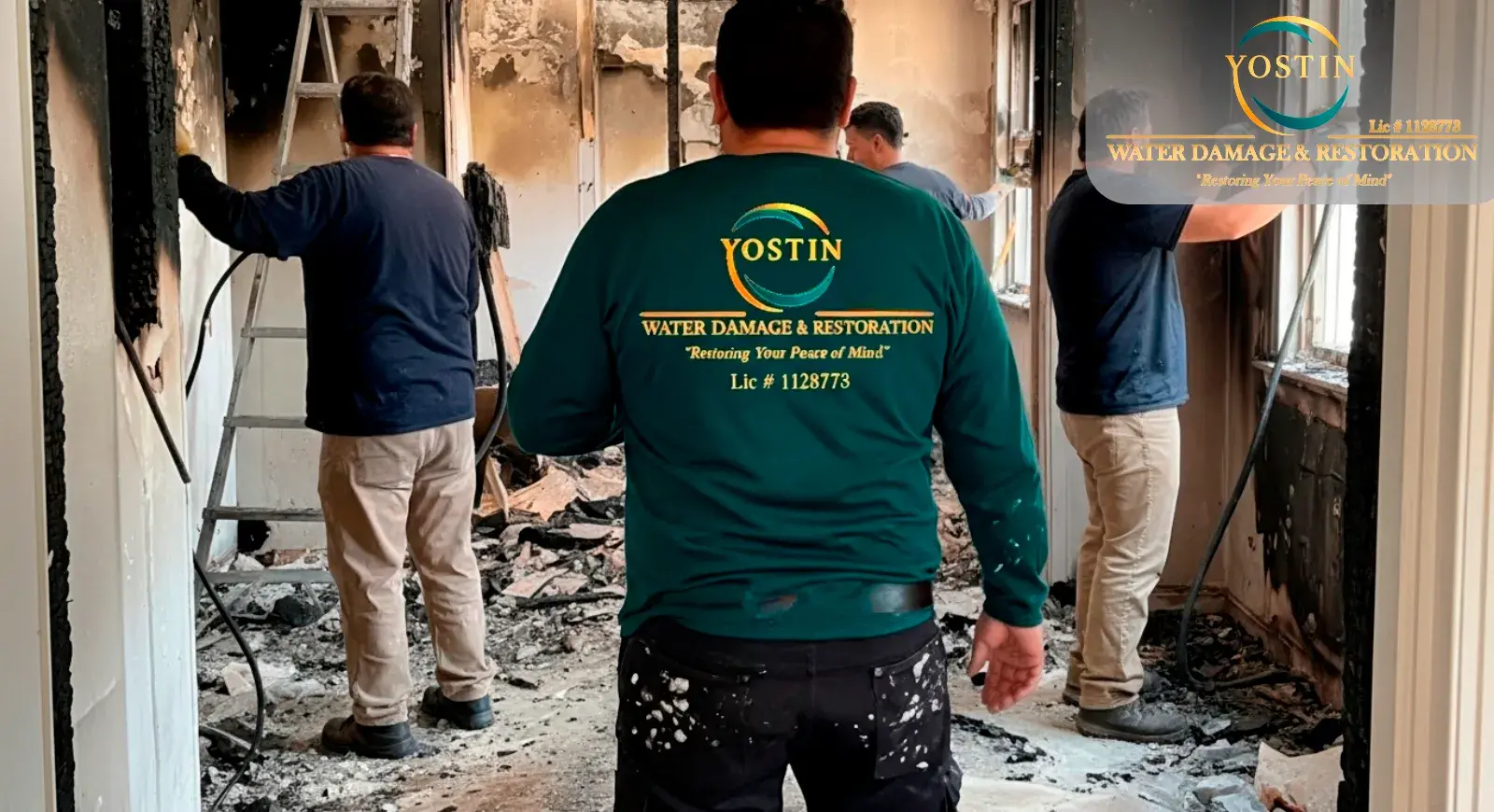
Fire debris comprises various materials that require careful evaluation before disposal. The destruction caused by flames creates a mixture of ordinary construction waste and potentially hazardous substances that demand specialized handling. When Yostin Water Damage & Restoration Inc conducts fire damage restoration projects throughout Reseda, their teams perform comprehensive fire damage assessment to identify materials requiring special disposal protocols.
The California Department of Toxic Substances Control maintains strict classifications for fire debris. Ordinary combustible materials like untreated wood, certain metals, and non-contaminated concrete may qualify as standard construction debris. However, materials exposed to intense heat often contain asbestos fibers, lead particles from paint, mercury from fixtures, and chemical residues from synthetic materials. These substances fall under hazardous waste categories requiring specialized fire restoration services and disposal methods.
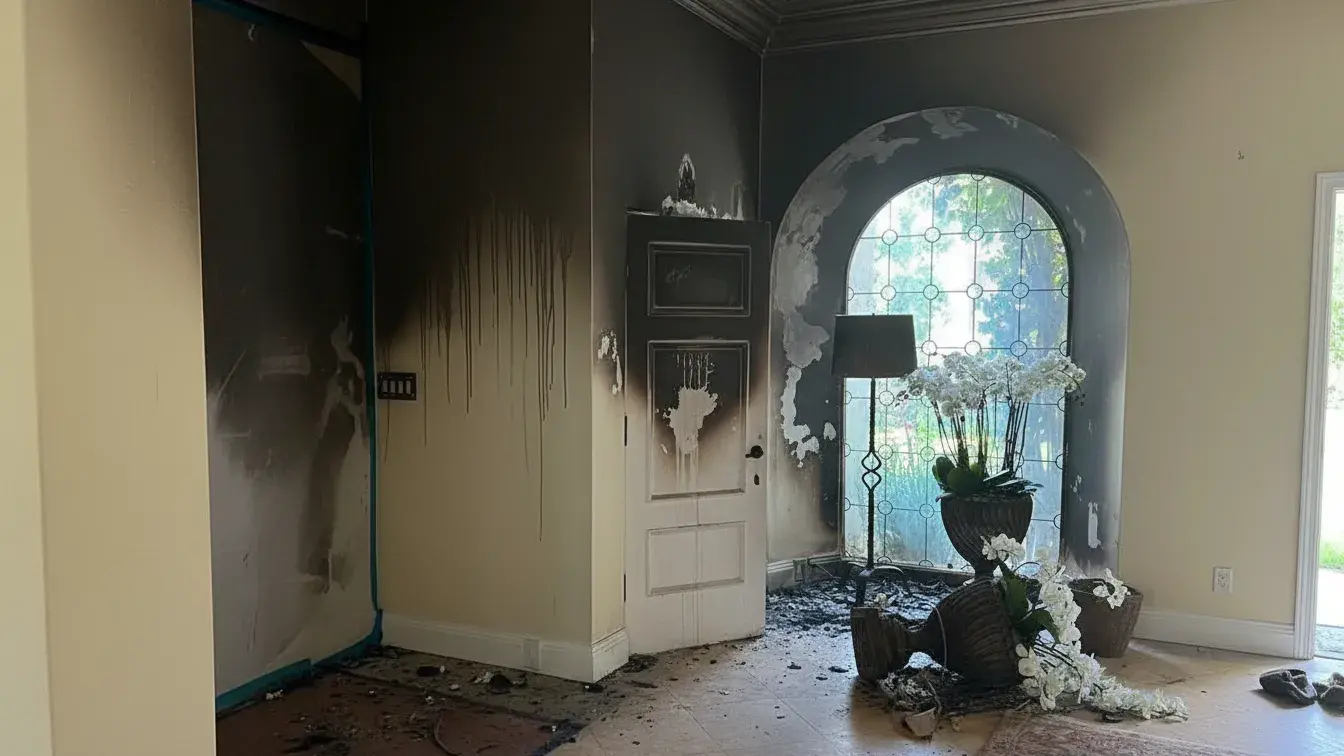
Smoke damage restoration becomes particularly complex when addressing materials that absorbed toxic compounds during combustion. Insulation materials, carpeting, and porous surfaces often retain carcinogenic substances like polycyclic aromatic hydrocarbons. Professional fire damage repair Reseda services understand these distinctions and implement appropriate containment strategies during emergency fire cleanup operations.
The legal framework distinguishes between materials that pose immediate health risks and those requiring long-term environmental considerations. Batteries, electronics, and chemical containers damaged during fires must be separated from general debris. Yostin Water Damage & Restoration Inc trains their technicians to recognize these materials during the initial fire damage assessment phase, ensuring compliance with state and federal disposal regulations.
Property owners bear legal responsibility for proper debris classification, even when delegating restoration work. California Health and Safety Code sections 25100-25250 establish liability frameworks that hold property owners accountable for improper hazardous waste disposal. Working with certified fire repair experts who understand these classifications protects property owners from potential legal consequences and environmental fines.
Permits and Documentation Requirements for Fire Debris Removal
Reseda property owners must obtain appropriate permits before beginning fire damage restoration activities involving debris removal. The Los Angeles Department of Building and Safety requires demolition permits for structures damaged beyond specific thresholds. These permits ensure that fire damage recovery operations follow established safety protocols and environmental standards.
Documentation requirements extend beyond initial permitting. Manifests tracking hazardous materials from generation through final disposal create legal accountability chains. Yostin Water Damage & Restoration Inc maintains meticulous records for every fire restoration services project, documenting material classifications, transportation routes, and disposal facility certifications. These records protect property owners during potential audits or environmental investigations.
California's Certified Unified Program Agencies require businesses generating hazardous waste to maintain generator identification numbers. While residential property owners typically receive temporary generator status during fire damage restoration, commercial properties must comply with ongoing reporting requirements. The complexity of these regulations underscores the value of partnering with experienced smoke damage restoration professionals who navigate permitting processes daily.
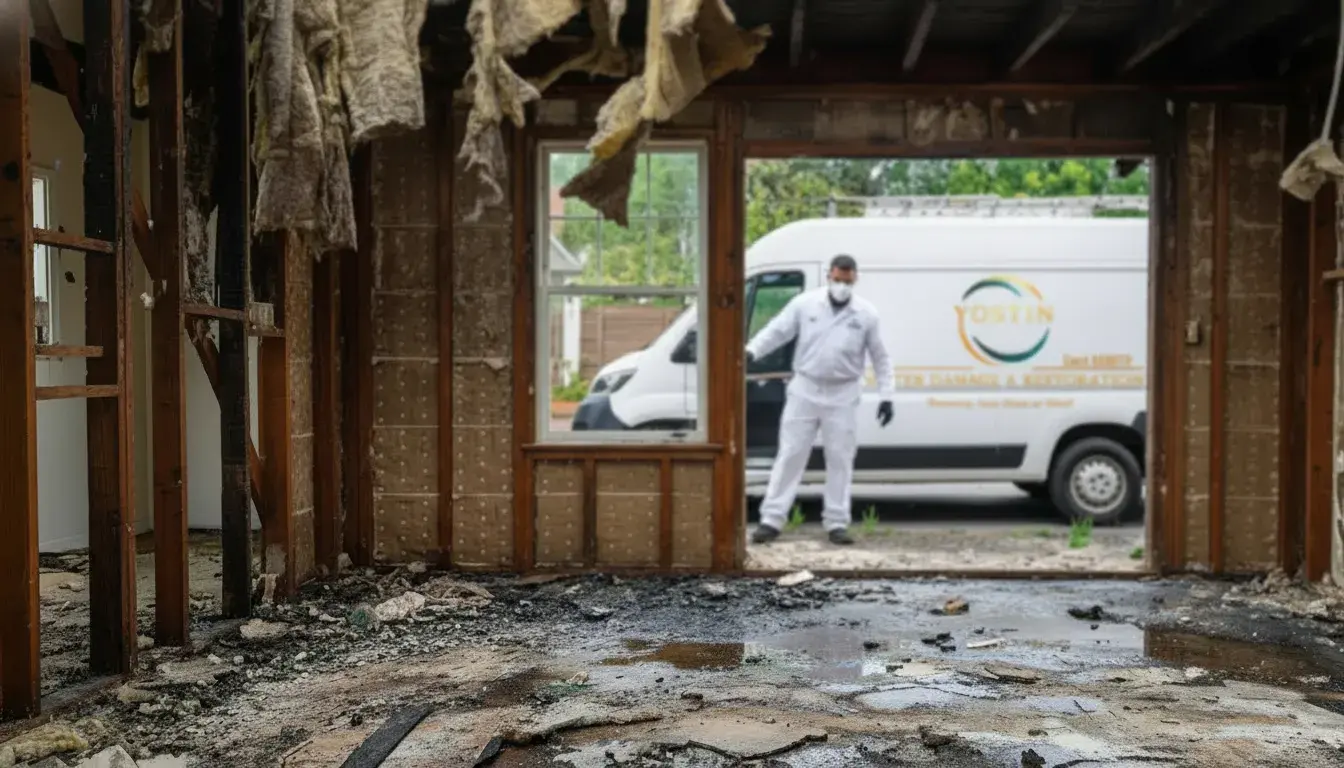
Transportation of fire debris requires adherence to Department of Transportation regulations governing hazardous materials. Vehicles transporting contaminated materials must display appropriate placards, and drivers must possess hazardous materials endorsements. Professional fire damage repair Reseda companies maintain compliant vehicles and trained personnel, eliminating these concerns for property owners managing fire damage recovery.
Timeline requirements embedded within permits create urgency for debris removal operations. Many jurisdictions impose completion deadlines to prevent abandoned fire-damaged structures from becoming public safety hazards. Yostin Water Damage & Restoration Inc coordinates with local authorities to establish realistic timelines that balance thorough fire damage restoration with regulatory compliance requirements.
Environmental Protection Standards During Fire Debris Handling
Environmental protection regulations governing fire debris handling address air quality, water contamination, and soil preservation. The South Coast Air Quality Management District enforces strict standards for activities generating airborne particulates during emergency fire cleanup operations. Dust suppression measures, including water misting systems and containment barriers, prevent smoke damage restoration activities from creating secondary environmental impacts.
Stormwater protection represents a critical compliance area during fire damage restoration projects. The Regional Water Quality Control Board prohibits fire debris runoff from entering storm drainage systems. Sediment controls, containment berms, and filtration systems protect Reseda's water resources during fire repair experts' remediation activities. These measures prevent heavy metals and chemical residues from contaminating groundwater supplies.
Soil contamination assessment becomes necessary when fire damage extends to ground contact or when firefighting efforts introduce contaminants into landscaping. California's voluntary cleanup programs provide frameworks for addressing soil contamination discovered during fire damage recovery. Yostin Water Damage & Restoration Inc collaborates with environmental consultants when fire damage assessment reveals potential soil contamination requiring remediation beyond standard fire restoration services.
Asbestos regulations present particularly stringent requirements for properties constructed before 1980. The California Air Resources Board mandates surveys identifying asbestos-containing materials before demolition or renovation activities. When fire damage restoration involves disturbing these materials, specialized abatement procedures under licensed contractors become legally required. Smoke damage restoration in older Reseda properties frequently encounters asbestos considerations demanding careful regulatory compliance.
Noise ordinances affecting fire damage repair Reseda operations limit equipment usage hours and decibel levels in residential zones. While emergency fire cleanup activities may receive temporary exemptions, ongoing fire restoration services must comply with local noise restrictions. Professional restoration companies schedule high-noise activities during permitted hours, maintaining community relationships while progressing through fire damage recovery phases.
Disposal Facility Requirements and Waste Stream Segregation
California law prohibits disposing of fire debris in standard landfills without proper authorization. Designated facilities equipped to handle contaminated materials must receive hazardous components identified during fire damage assessment. The Department of Resources Recycling and Recovery maintains registries of approved facilities authorized to accept various fire debris classifications.
Waste stream segregation maximizes recycling opportunities while ensuring regulatory compliance. Metals, concrete, and clean wood separated during smoke damage restoration can enter recycling channels, reducing disposal costs and environmental impact. Yostin Water Damage & Restoration Inc implements comprehensive sorting protocols during fire restoration services, directing materials toward appropriate end destinations based on composition and contamination levels.
Electronic waste generated during fires requires specialized handling under California's Electronic Waste Recycling Act. Televisions, computers, and appliances damaged beyond repair cannot enter standard waste streams. Certified e-waste recyclers must receive these materials, with documentation tracking their processing. Fire repair experts familiar with these requirements prevent costly violations during water and fire damage restoration projects.
Universal waste regulations govern batteries, mercury-containing devices, and certain lighting fixtures damaged during fires. These materials require temporary storage meeting specific standards before transportation to authorized treatment facilities. Professional fire damage repair Reseda services maintain compliant temporary storage areas, preventing property owners from inadvertently creating regulatory violations during emergency fire cleanup activities.
Construction and demolition debris facilities accepting fire-damaged materials must verify absence of prohibited substances before accepting loads. Rejection of contaminated loads creates project delays and additional expenses. Yostin Water Damage & Restoration Inc conducts pre-disposal screening ensuring materials meet facility acceptance criteria, streamlining the fire damage restoration process and avoiding costly load rejections.
Insurance and Liability Considerations in Fire Debris Management
Insurance coverage for fire damage restoration extends beyond structural repairs to encompass proper debris handling and disposal. Policies typically require compliance with applicable regulations as conditions of coverage. Violations discovered during claims processing may result in coverage denials or reduced settlements, emphasizing the importance of working with compliant fire restoration services providers.
Liability transfer occurs when property owners engage professional fire damage recovery services. However, California law maintains ultimate responsibility with property owners for environmental violations resulting from improper disposal. Contracts with fire repair experts should explicitly address debris handling responsibilities, insurance requirements, and indemnification provisions protecting property owners from contractor violations.
Worker safety regulations under Cal/OSHA impose specific requirements on fire damage restoration activities. Respiratory protection, personal protective equipment, and exposure monitoring become mandatory when handling contaminated fire debris. Yostin Water Damage & Restoration Inc maintains comprehensive safety programs ensuring worker protection during smoke damage restoration while protecting property owners from workplace liability claims.
Third-party liability arising from improper fire debris management can extend for years after disposal. Environmental contamination discovered at disposal sites may trigger cost recovery actions against original waste generators. This long-tail liability risk emphasizes the importance of selecting certified disposal facilities and maintaining thorough documentation throughout the Reseda fire damage remediation process.
Professional liability insurance carried by qualified fire restoration services providers offers additional protection layers. Errors and omissions coverage addresses mistakes in material classification or disposal facility selection. Property owners should verify that fire damage repair Reseda contractors maintain adequate insurance covering environmental liabilities associated with debris management activities.
One restoration technician from Yostin Water Damage & Restoration Inc recalls a particularly moving experience that reinforces the company's commitment to proper fire debris handling. While conducting fire damage assessment at a family home in Reseda, the team discovered treasured photo albums and heirlooms buried beneath charred debris. Rather than treating everything as disposable waste, the crew carefully excavated these precious items, understanding that proper fire damage restoration means more than regulatory compliance—it means honoring what matters most to families. As they meticulously separated hazardous materials from salvageable belongings, the homeowner broke down in tears of gratitude. That moment crystallized the profound responsibility restoration professionals carry: handling each property with the care and respect families deserve during their darkest hours, while maintaining unwavering commitment to legal and environmental standards that protect the entire community.
Municipal Regulations Specific to Reseda and Los Angeles County
Local ordinances supplement state and federal requirements with jurisdiction-specific provisions affecting fire damage restoration operations. The City of Los Angeles maintains additional requirements through its Fire Code and Building Code chapters addressing fire-damaged structures. These regulations establish inspection protocols, temporary securing requirements, and demolition timelines applicable to Reseda properties experiencing fire damage.
The Los Angeles County Department of Public Health enforces health and safety orders addressing properties with extensive smoke damage restoration needs. Structures deemed uninhabitable require posting and securing to prevent unauthorized entry. Property owners must demonstrate compliance with these orders before resuming occupancy, creating dependencies between debris removal progress and habitability certifications.
Neighborhood preservation ordinances in certain Reseda districts impose aesthetic standards affecting fire damage recovery timelines. Properties must avoid becoming community blights during restoration processes. These regulations create practical pressure to expedite emergency fire cleanup while maintaining quality standards ensuring thorough fire restoration services completion.
Stormwater management requirements established by the Los Angeles Regional Water Quality Control Board impose best management practices during fire damage repair Reseda projects. Site-specific stormwater pollution prevention plans become necessary for larger projects, documenting erosion controls and contamination prevention measures implemented during debris removal operations.
Tree protection ordinances may affect fire damage restoration when protected species exist on affected properties. Even when trees sustain fire damage, removal permits may be required before clearing vegetation. Yostin Water Damage & Restoration Inc navigates these local requirements alongside fire restoration services, ensuring comprehensive regulatory compliance throughout recovery processes.
The relationship between proper debris management and successful fire damage restoration cannot be overstated. Every regulation governing fire debris handling exists to protect public health, environmental quality, and community welfare. Property owners facing water and fire damage challenges in Reseda benefit tremendously from partnering with knowledgeable professionals who integrate regulatory compliance into every aspect of smoke odor removal and structural restoration activities.
Professional fire repair experts bring specialized knowledge transforming complex regulatory landscapes into manageable processes. Their understanding of material classifications, disposal facility requirements, and permitting procedures prevents costly violations while accelerating recovery timelines. Yostin Water Damage & Restoration Inc exemplifies this professional approach, combining technical expertise with comprehensive regulatory knowledge ensuring every fire damage restoration project meets legal requirements while exceeding client expectations.
The financial implications of regulatory non-compliance far exceed the investment in proper debris management. Fines, cleanup orders, and potential litigation create risks dwarfing the cost differences between compliant and non-compliant approaches. Smart property owners recognize that cutting corners during fire damage recovery generates long-term liabilities outweighing any short-term savings.
Community responsibility extends beyond individual property boundaries. Proper fire debris disposal protects neighbors from environmental exposure, preserves community resources, and maintains property values throughout affected areas. When property owners choose certified fire restoration services prioritizing regulatory compliance, they contribute to broader community resilience and environmental stewardship.
Looking forward, regulatory frameworks governing fire debris management continue evolving as scientific understanding of fire-related contaminants advances. Staying current with these changes requires ongoing education and professional development. Yostin Water Damage & Restoration Inc invests in continuous training ensuring their teams remain at the forefront of regulatory compliance, bringing cutting-edge knowledge to every Reseda fire damage project they undertake.
The pathway through fire damage restoration involves numerous decisions affecting legal compliance, financial outcomes, and community impacts. Understanding debris handling requirements represents a foundational element ensuring successful navigation through this challenging process. Property owners equipped with this knowledge make informed decisions protecting their interests while contributing to responsible community recovery following fire events.
Emergency fire cleanup situations demand immediate action, but haste should never compromise regulatory compliance. Professional fire damage repair Reseda services balance urgency with thoroughness, implementing efficient processes meeting tight timelines without sacrificing safety or legal adherence. This balanced approach characterizes quality fire restoration services distinguishing professional providers from inadequate alternatives.
Technology integration increasingly supports compliance efforts during fire damage assessment and debris management. Digital documentation systems, GPS tracking for waste transportation, and electronic manifesting streamline record-keeping requirements while improving accuracy. Progressive restoration companies leverage these tools enhancing service quality while simplifying compliance verification for property owners and regulators.
The human element remains central despite technological advances. Experienced technicians identifying hazardous materials, making real-time classification decisions, and implementing appropriate handling protocols form the foundation of successful smoke damage restoration. Yostin Water Damage & Restoration Inc recognizes this reality, investing in personnel development ensuring their teams possess both technical knowledge and practical judgment necessary for complex fire damage recovery scenarios.
Looking beyond immediate recovery, proper debris management during fire restoration services protects long-term property values and marketability. Future buyers and lenders increasingly scrutinize environmental compliance histories. Properties with documented compliant debris disposal demonstrate responsible stewardship, avoiding disclosure complications and potential liability transfers affecting subsequent transactions.
Educational outreach helping property owners understand debris management requirements represents an important industry responsibility. Informed clients make better decisions, ask relevant questions, and participate meaningfully in fire damage restoration planning. Yostin Water Damage & Restoration Inc embraces this educational role, ensuring clients understand not just what happens during their project, but why specific protocols matter for their protection and community welfare.
The complexity of legal requirements governing fire debris handling in Reseda should not discourage property owners facing fire damage recovery challenges. Instead, this complexity reinforces the value of professional partnerships with experienced fire repair experts who navigate these requirements daily. Proper guidance transforms potentially overwhelming regulatory landscapes into manageable processes supporting successful recovery outcomes.
Ultimately, regulatory compliance during fire damage restoration serves purposes far beyond avoiding penalties. These requirements protect worker safety, preserve environmental quality, safeguard public health, and support community resilience. When property owners and restoration professionals embrace compliance as shared responsibility rather than bureaucratic burden, they contribute to outcomes benefiting everyone touched by fire damage events.