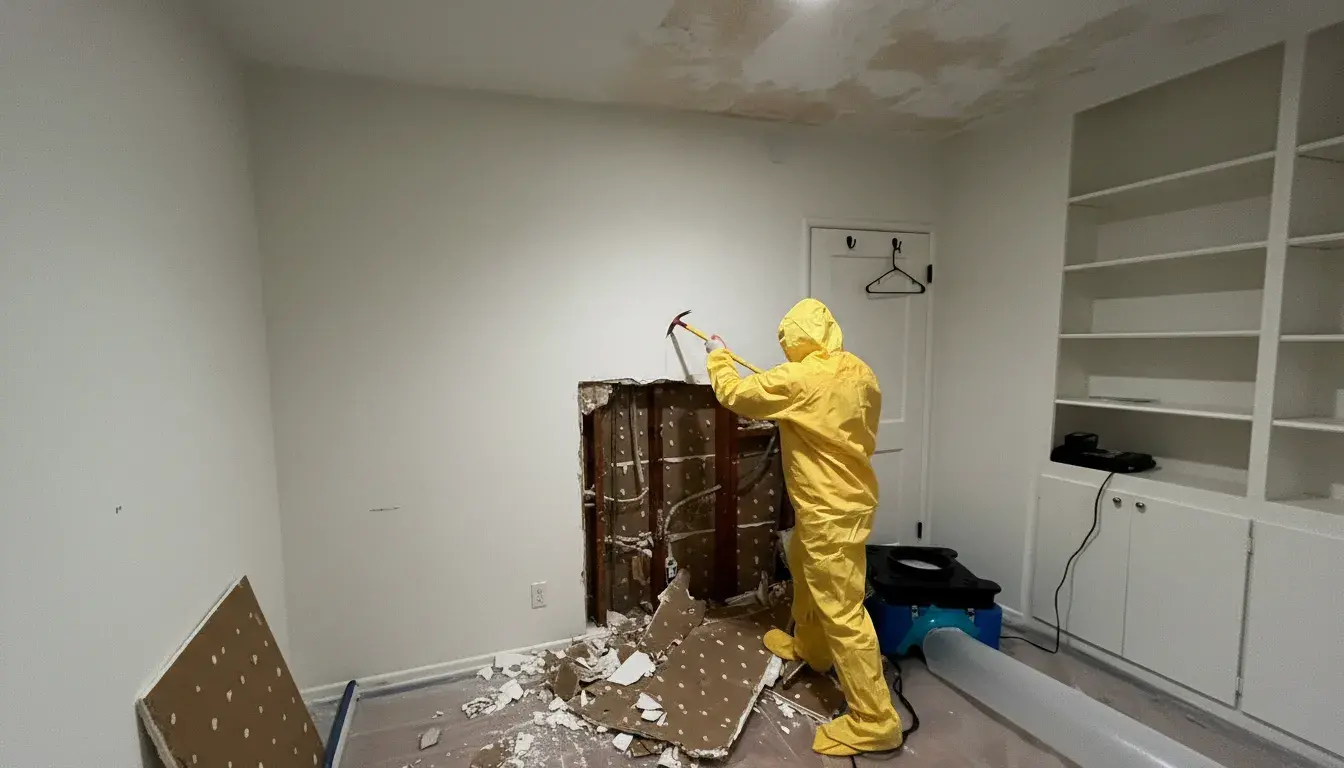
Flooding can have devastating effects on homes and businesses, especially in areas like Reseda, California. When water inundates properties, it can bring a host of contaminants that pose serious health risks and complicate the restoration process. Understanding these contaminants is crucial for effective cleanup and ensuring the safety of occupants. In this article, we will explore the common contaminants found in flooded areas, their sources, potential health risks, and how to address them.
Types of Contaminants in Flooded Areas
Floodwaters can carry a variety of contaminants that can affect both health and property. Here are some of the most common types of contaminants found in flooded areas:
1. Biological Contaminants
Biological contaminants are one of the most concerning issues following a flood. These include:
- Bacteria: Floodwaters can contain harmful bacteria such as E. coli, Salmonella, and Vibrio cholerae. These pathogens can cause severe gastrointestinal illnesses and other infections.
- Viruses: Waterborne viruses can also be present in floodwaters. Norovirus and Hepatitis A are examples of viruses that can spread through contaminated water.
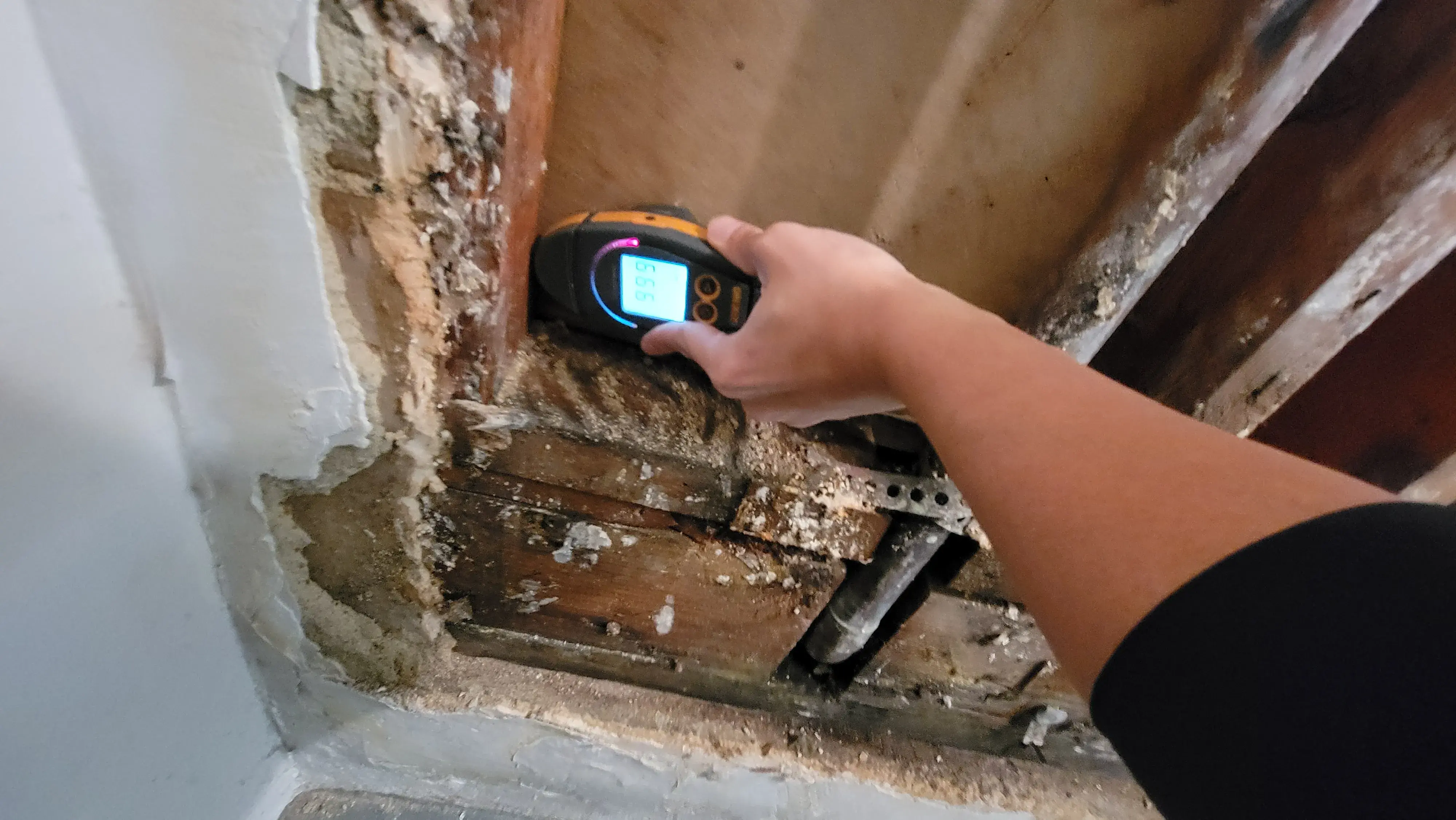
- Mold and Fungi: When floodwaters recede, the damp conditions are ideal for mold growth. Mold can develop within 24-48 hours, leading to respiratory issues and allergic reactions.
2. Chemical Contaminants
Floodwaters can pick up a range of chemicals from various sources, including:
- Pesticides and Herbicides: Agricultural runoff can introduce harmful chemicals into floodwaters, posing risks to human health and the environment.
- Heavy Metals: Flooding can disturb soils and lead to the leaching of heavy metals like lead, arsenic, and mercury into the water supply. These metals can have serious long-term health effects.
- Petroleum Products: Leaks from vehicles and tanks during flooding can contaminate water with gasoline or oil, which are harmful to both humans and wildlife.
3. Physical Contaminants
In addition to biological and chemical hazards, physical contaminants can also pose risks:
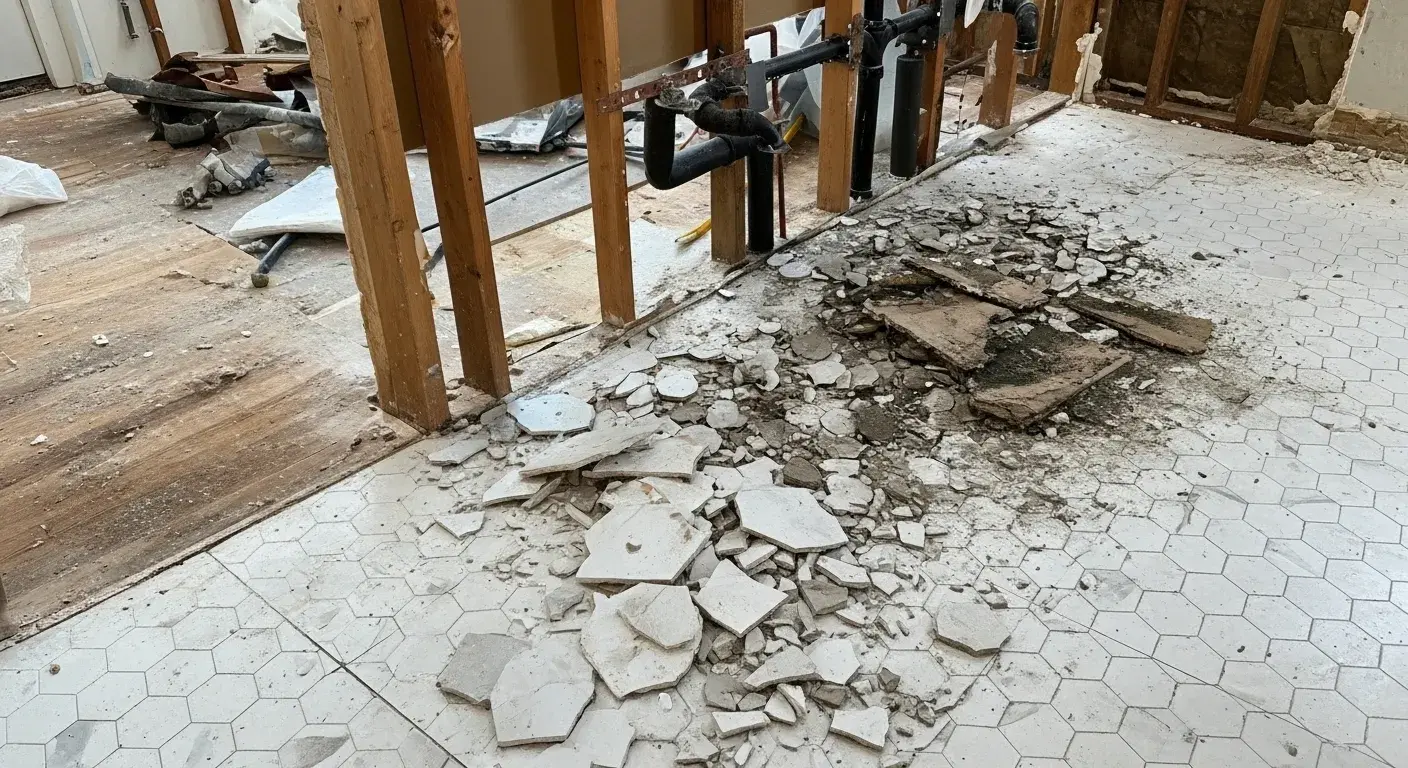
- Debris: Floodwaters can carry a mix of debris, including broken glass, sharp metal pieces, and other hazardous materials. These can cause injuries during cleanup efforts. -Silt and Mud: The presence of silt and mud can harbor bacteria and other contaminants, making thorough cleaning essential.
Health Risks Associated with Flood Contaminants
Exposure to the contaminants found in flooded areas can lead to various health issues. Understanding these risks can help prioritize safety during cleanup efforts:
- Gastrointestinal Illnesses: Bacteria and viruses can lead to severe gastrointestinal distress, including diarrhea, vomiting, and fever.
- Respiratory Problems: Mold spores can trigger asthma attacks, allergic reactions, and other respiratory issues, particularly in sensitive individuals.
- Skin Infections: Direct contact with contaminated water can cause skin irritations and infections.
- Long-term Effects: Prolonged exposure to heavy metals and chemicals can result in chronic health conditions, including neurological damage and cancer.
Addressing Contaminants After Flooding
Effective remediation is crucial in ensuring the safety and health of residents after a flood. Here are some steps to consider:
1. Safety First
- Personal Protective Equipment (PPE): When dealing with flood cleanup, always wear appropriate PPE, including gloves, masks, and waterproof boots to minimize exposure to contaminants.
- Avoid Contact with Contaminated Water: Refrain from wading through floodwaters unless absolutely necessary, as this can expose you to harmful pathogens.
2. Professional Cleanup Services
In many cases, it is best to hire professional restoration services that specialize in flood damage and mold remediation. At Yostin Restoration, our certified technicians are trained to handle hazardous materials safely and effectively. We provide comprehensive services, including:
- Water Extraction: Removing standing water quickly to prevent further damage and contamination.
- Mold Removal: Addressing mold growth with specialized techniques to ensure a safe environment. For more information, visit our mold removal service page.
3. Proper Disposal of Contaminated Materials
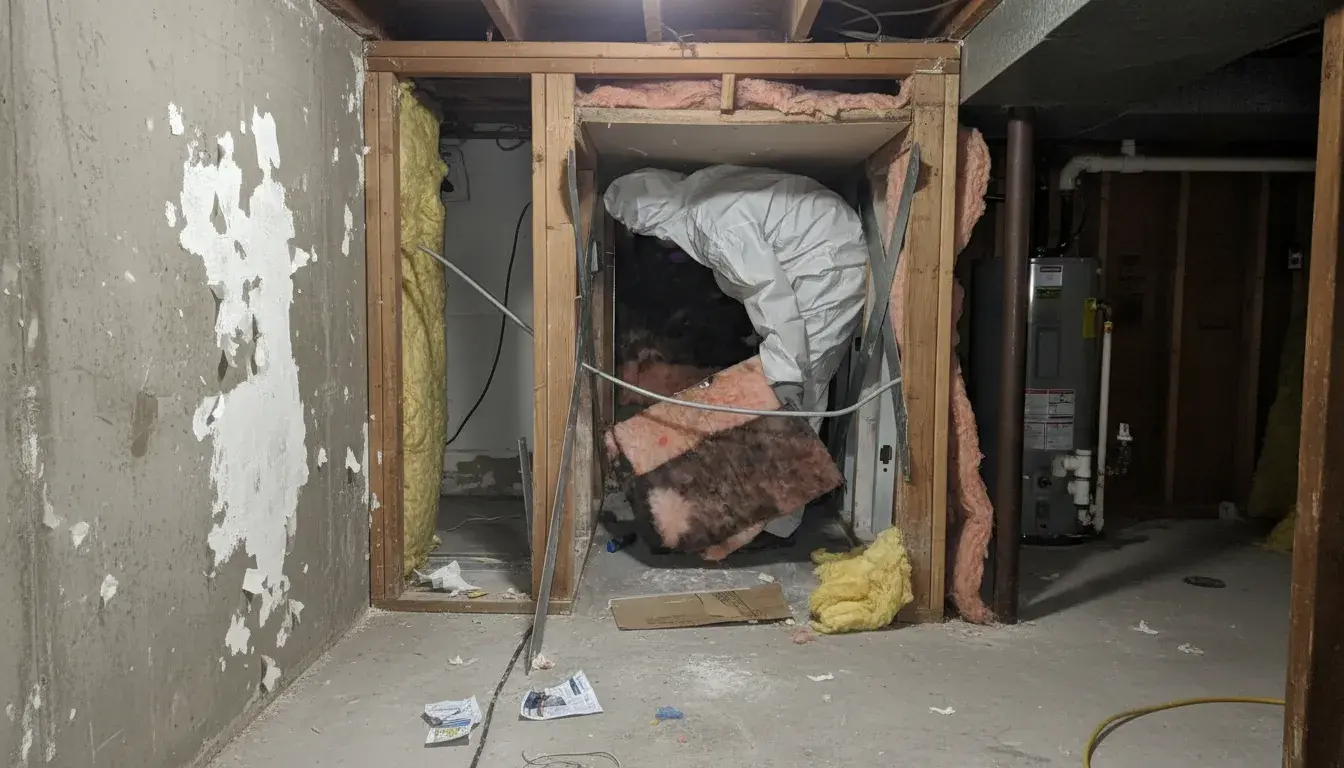
- Disposal Guidelines: Follow local regulations for the disposal of contaminated materials, including damaged household items, insulation, and drywall. These items may need to be treated as hazardous waste.
4. Air Quality Management
- Ventilation: After flood cleanup, ensure proper ventilation in your home to reduce moisture levels and minimize mold growth. Use fans and dehumidifiers to improve air quality.
- Air Quality Testing: Consider professional air quality testing to identify any lingering contaminants, particularly if mold or chemical exposure is suspected.
Flooding in Reseda can introduce a wide range of contaminants that pose serious health risks. Understanding these contaminants and taking appropriate measures for cleanup and restoration is crucial for safeguarding your health and property. If you find yourself in need of assistance, Yostin Restoration is here to help with our professional restoration services. Our team is available 24/7 to respond to emergencies, ensuring your peace of mind during challenging times. For more information on our services, please visit our services page or contact us today.