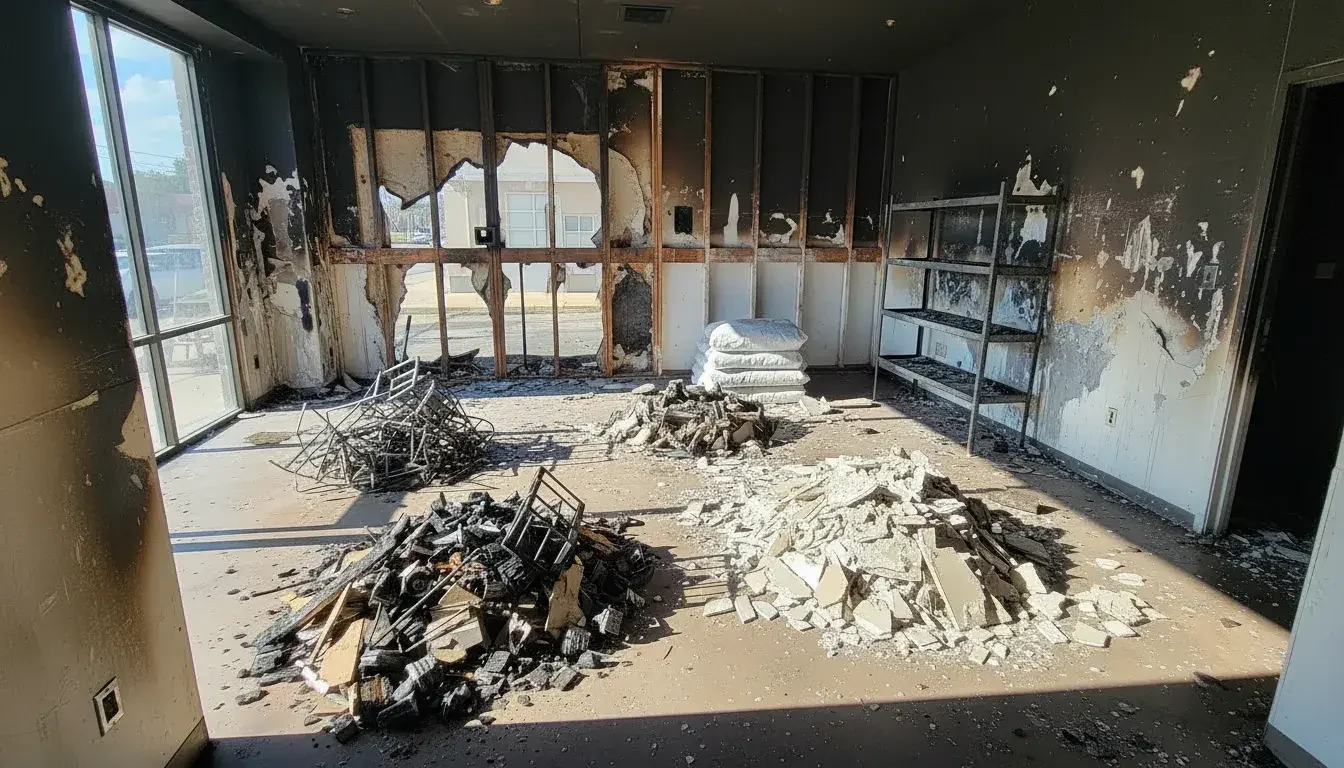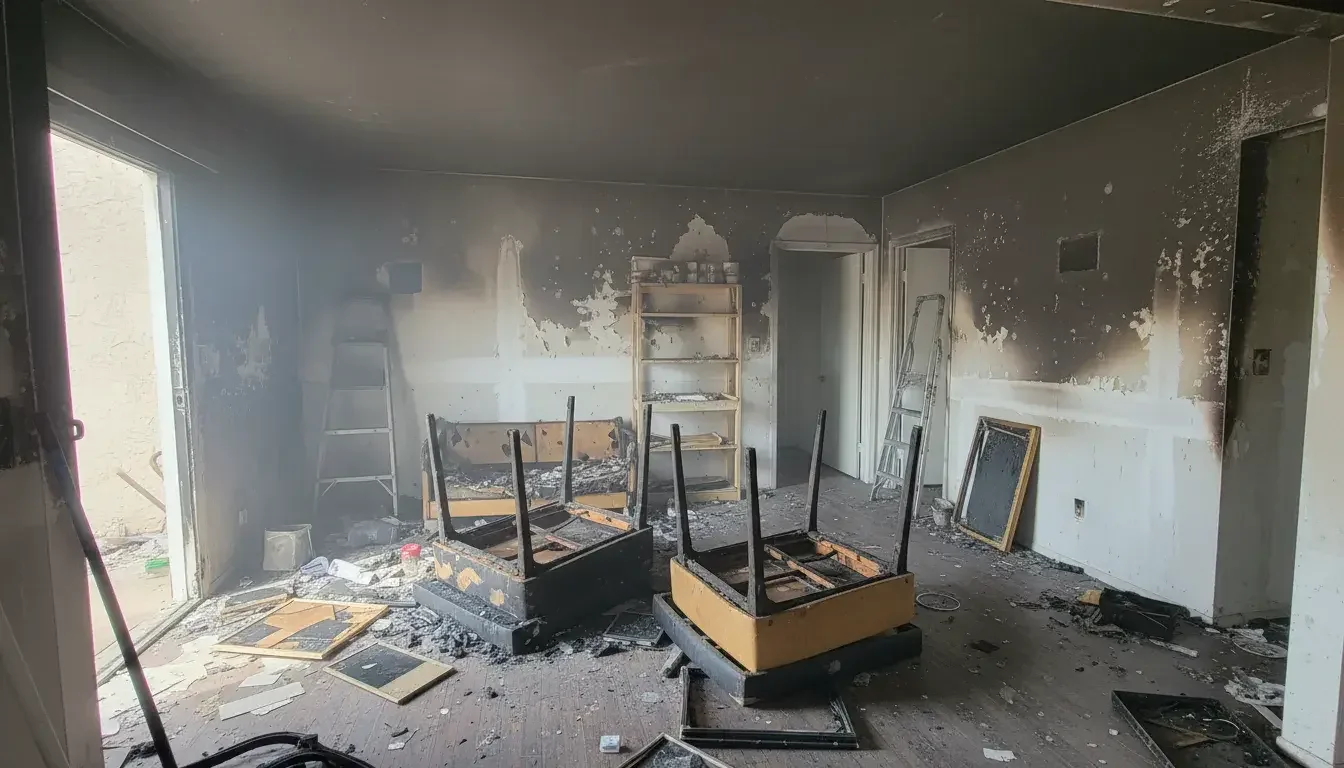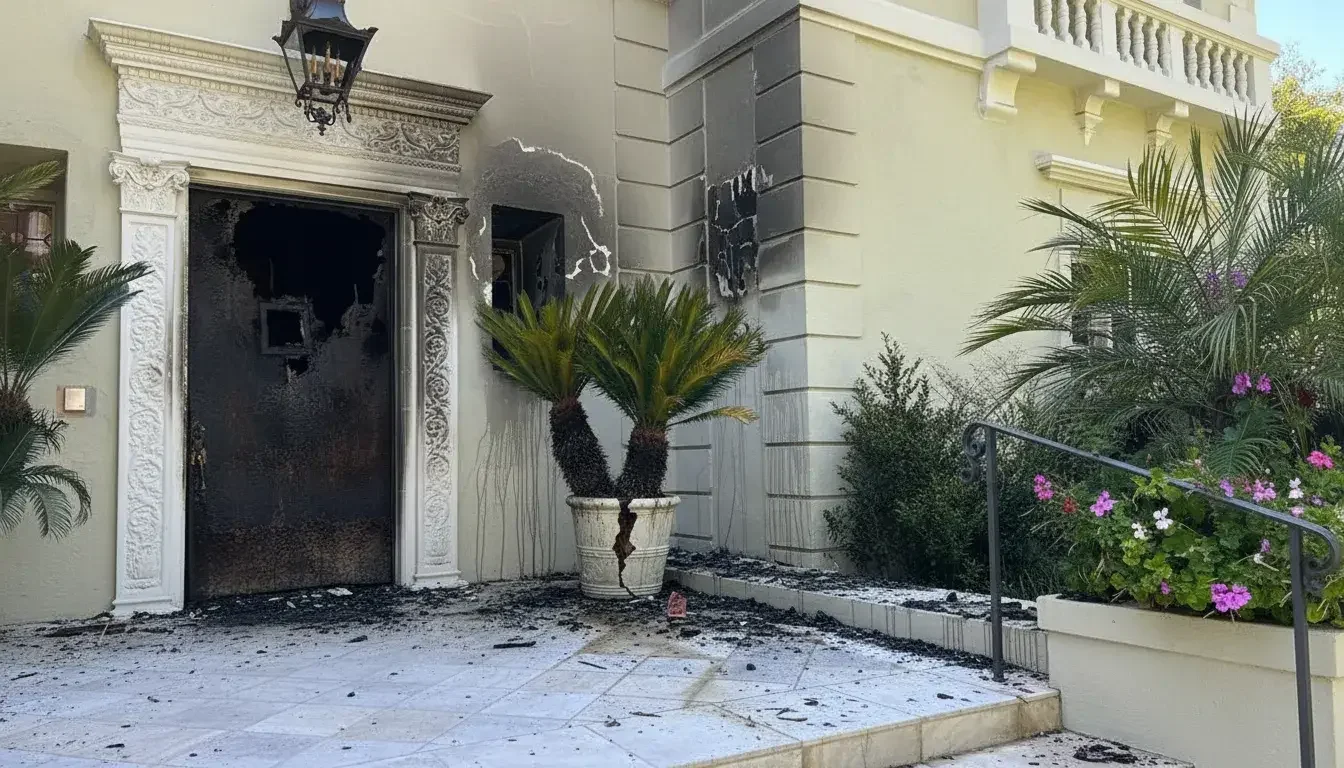
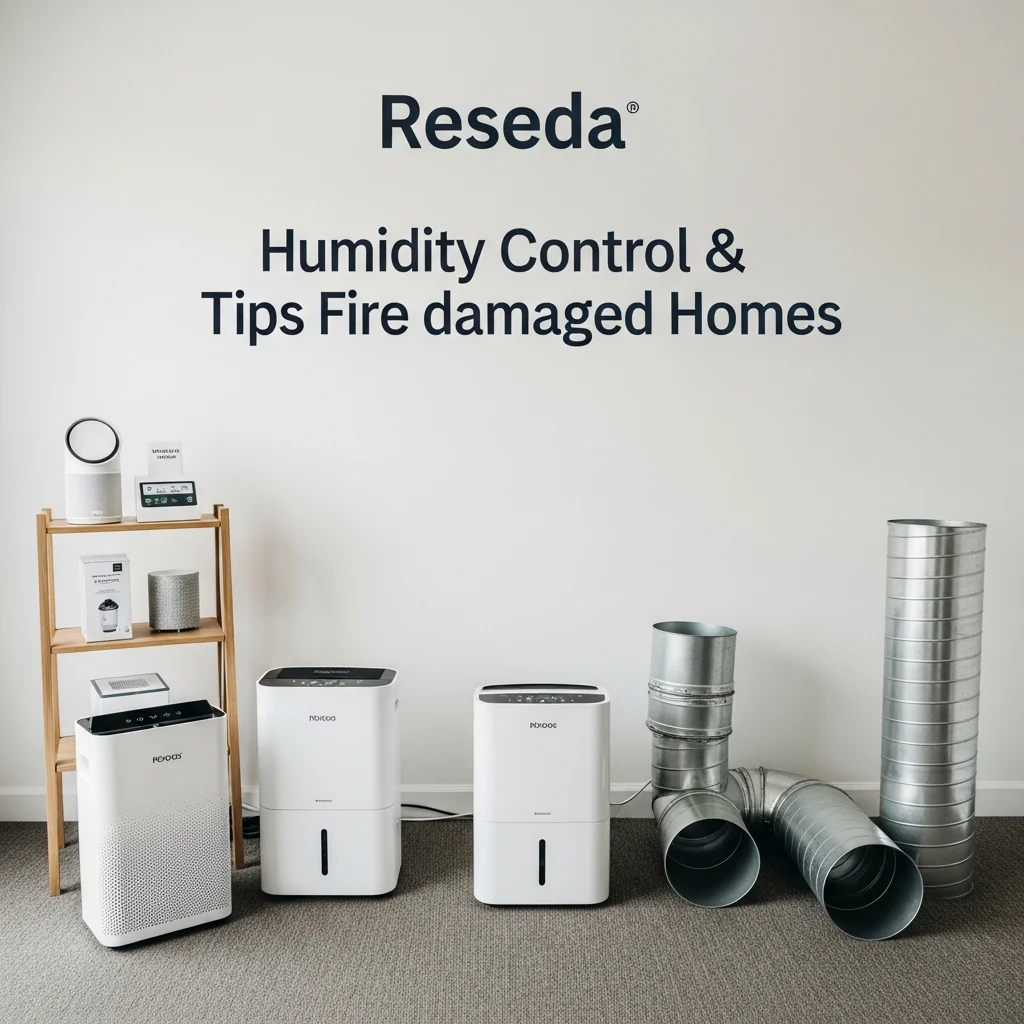
Fire damage creates devastating consequences that extend far beyond visible charring and smoke stains. One of the most overlooked yet critical challenges facing fire-damaged homes involves managing indoor humidity levels and establishing proper ventilation. When firefighters extinguish flames using thousands of gallons of water, they inadvertently transform the property into an environment ripe for secondary damage—particularly mold growth. Understanding how to control humidity and restore effective ventilation becomes essential for protecting structural integrity, indoor air quality, and occupant health during the recovery period.
The connection between fire damage, elevated humidity, and mold contamination creates a complex restoration challenge requiring immediate attention. Yostin Water Damage & Restoration Inc has observed that properties receiving prompt humidity management and ventilation restoration experience significantly better outcomes than those where these factors are addressed as afterthoughts. The difference between successful recovery and prolonged problems often hinges on how quickly and effectively moisture conditions are controlled following fire suppression activities.
Reseda's climate presents unique considerations for fire-damaged properties. The warm temperatures throughout much of the year accelerate mold growth when combined with excess moisture from firefighting efforts. Seasonal variations in humidity, coupled with compromised building envelopes following fire damage, create environmental conditions that demand proactive management. Without strategic intervention, even minor humidity elevations persist long enough to enable extensive mold establishment, requiring comprehensive mold removal that could have been prevented through early moisture control.
Understanding Humidity Dynamics in Fire-Damaged Properties
Fire fundamentally alters how buildings manage moisture. Compromised roofing, broken windows, damaged siding, and destroyed vapor barriers eliminate the protective envelope that normally regulates indoor environmental conditions. When firefighting water saturates structural materials already weakened by heat exposure, the resulting moisture load overwhelms the building's natural drying capacity. Understanding these altered dynamics provides the foundation for developing effective humidity control strategies.
Building materials absorb water differently based on their composition and porosity. Wood framing can absorb significant moisture, swelling and potentially warping as it does so. Drywall becomes saturated quickly, with water wicking vertically through capillary action and horizontally through the paper facing. Insulation acts like a sponge, holding water against structural components and creating hidden reservoirs that maintain elevated humidity long after surface water disappears. Concrete and masonry absorb tremendous quantities of water and release it extremely slowly over weeks or months.
The moisture release patterns from these saturated materials create ongoing humidity challenges. As materials dry, they release water vapor into the indoor air, elevating relative humidity levels throughout the property. Without adequate ventilation to remove this moisture-laden air and replace it with drier outdoor air, indoor humidity remains elevated. This sustained high humidity provides exactly the conditions necessary for mold colonization, making humidity control inseparable from effective mold remediation Reseda properties require after fire damage.
Yostin Water Damage & Restoration Inc emphasizes that humidity management must begin within hours of fire suppression, not days or weeks later. The biological clock of mold growth starts ticking immediately when moisture and organic materials meet under favorable temperature conditions. Delaying humidity control measures allows mold spores—which exist everywhere in the environment—to germinate and establish colonies that then require extensive black mold removal procedures rather than simple prevention.
Temperature interactions with humidity create additional complexity in fire-damaged environments. Warm air holds more moisture than cool air, meaning as temperatures fluctuate through daily and seasonal cycles, relative humidity levels change even when absolute moisture content remains constant. Fire-damaged properties with compromised HVAC systems experience greater temperature swings than intact structures, resulting in corresponding humidity variations that can periodically reach ranges supporting mold growth.
Initial Moisture Assessment and Monitoring Protocols
Effective humidity control begins with comprehensive moisture assessment establishing baseline conditions throughout the property. Professional mold inspection services utilize specialized moisture detection equipment to map the full extent of water intrusion and saturation. Non-invasive moisture meters measure material moisture content without causing damage, while penetrating meters provide precise readings in thick materials like framing lumber and subflooring.
Thermal imaging cameras reveal moisture patterns invisible to visual inspection alone. Temperature differentials created by evaporative cooling identify wet areas behind finished surfaces, within wall cavities, and under flooring materials. These hidden moisture reservoirs pose the greatest risk for undetected mold establishment, making their identification essential for comprehensive water damage cleanup planning. Documentation through thermal imaging creates a visual record of moisture extent that guides remediation strategies and provides insurance documentation.
Ambient humidity monitoring establishes indoor environmental conditions and tracks drying progress over time. Digital hygrometers placed throughout the property record relative humidity levels continuously, identifying problem areas where moisture accumulation exceeds safe thresholds. The industry standard for mold prevention maintains indoor relative humidity below sixty percent, though fire-damaged properties initially experience much higher levels that require aggressive intervention to reduce.
Creating a moisture map documenting all affected areas, material types, and saturation levels provides the foundation for developing targeted drying strategies. Different materials require different approaches—hardwood flooring benefits from mat drying systems that create airflow beneath the surface, while wall cavities may need injection drying or controlled demolition for adequate moisture removal. Yostin Water Damage & Restoration Inc develops customized drying plans based on comprehensive moisture assessment, ensuring resources focus where they provide maximum benefit.
Ongoing monitoring throughout the restoration period tracks progress and identifies any emerging problems. Daily moisture readings document drying curves, showing how quickly materials release moisture under current environmental controls. Stalled drying curves indicate inadequate ventilation, insufficient dehumidification, or hidden moisture sources requiring additional investigation. This data-driven approach ensures drying goals are achieved before reconstruction proceeds, preventing moisture entrapment that guarantees future mold problems.
Strategic Ventilation Approaches for Fire-Damaged Structures
Natural ventilation, while limited in fire-damaged properties with compromised openings, still plays a role in moisture management when outdoor conditions permit. Opening salvageable windows and doors creates air exchange that removes moisture-laden indoor air while introducing drier outdoor air. However, this approach requires careful consideration of outdoor humidity levels—introducing humid outdoor air provides no benefit and may worsen conditions. Reseda's climate generally features lower humidity levels during warmer months, making strategic natural ventilation viable during daytime hours.
Cross-ventilation strategies maximize natural air exchange efficiency by creating airflow paths through the structure. Opening windows on opposite sides of the building harnesses prevailing winds to drive air movement, while vertical ventilation between lower and upper levels leverages stack effect where warm, moist air rises and exits through upper openings while cooler, drier air enters below. Understanding these natural airflow patterns allows optimization of passive ventilation even in significantly damaged structures.
Mechanical ventilation becomes essential when natural ventilation proves insufficient or when security and weather protection concerns prevent leaving openings unsealed. Industrial air movers—high-velocity fans designed for restoration applications—create directed airflow across wet surfaces, accelerating evaporation rates dramatically. Positioning these air movers strategically focuses drying energy on the most saturated materials, while ensuring adequate air circulation throughout all affected spaces prevents stagnant pockets where humidity accumulates.
Air scrubbers with HEPA filtration serve dual purposes in fire-damaged properties: they clean particulate-contaminated air while creating air circulation that supports drying. These units pull air through multi-stage filtration systems that capture smoke particles, soot, and mold spores, then discharge filtered air back into the space. Continuous operation maintains air quality during the restoration period while supporting the ventilation necessary for effective mold damage repair.
Negative air pressure systems prove particularly valuable when mold contamination exists alongside fire damage. These specialized ventilation systems exhaust air from contained work areas to the building exterior, creating lower air pressure within the work zone than surrounding areas. This pressure differential prevents contaminated air from migrating into unaffected portions of the building, containing mold spores generated during emergency mold removal activities within the remediation zone where filtration systems can capture them.
Dehumidification Equipment and Deployment Strategies
Professional-grade dehumidification equipment forms the cornerstone of effective humidity control in fire-damaged properties. These industrial units far exceed residential dehumidifier capacity, removing hundreds of pints of moisture daily rather than the modest amounts consumer units extract. Refrigerant dehumidifiers work by cooling air below its dew point, causing moisture to condense and collect in reservoirs or drain systems, then reheating the air before returning it to the space.
Desiccant dehumidifiers utilize moisture-absorbing materials in a rotating wheel design, offering advantages in cooler environments where refrigerant units lose efficiency. These systems prove particularly effective during winter months or in unheated spaces where temperatures drop below the effective operating range of refrigerant models. The ability to maintain dehumidification performance across a wide temperature range makes desiccant units valuable in fire-damaged properties with compromised heating systems.
Equipment sizing and placement determine dehumidification effectiveness. Undersized units run continuously without achieving target humidity levels, while properly sized equipment cycles appropriately and maintains desired conditions. Yostin Water Damage & Restoration Inc calculates dehumidification requirements based on structural volume, moisture load, and environmental conditions, deploying sufficient equipment to achieve and maintain target humidity levels throughout the drying period.
Strategic placement positions dehumidifiers where they maximize moisture extraction while maintaining appropriate air circulation. Central locations within open floor plans serve broader areas, while confined spaces like bathrooms or closets may require dedicated units. Coordination between dehumidification and air movement ensures moisture-laden air circulates to dehumidifier intakes rather than stagnating in corners or closed spaces where it supports mold growth.
Condensate management addresses the substantial water volumes extracted during dehumidification. Continuous drain connections eliminate the need for manual reservoir emptying, ensuring uninterrupted operation. In properties with compromised plumbing, temporary drain systems route condensate to appropriate discharge locations. Proper condensate management prevents spills that reintroduce moisture into the drying environment, undermining humidity control efforts.
HVAC System Considerations in Fire-Damaged Properties
Fire damage frequently impacts heating, ventilation, and air conditioning systems, creating additional challenges for humidity control and indoor air quality management. Smoke infiltration contaminates ductwork, while heat may damage mechanical components. Operating contaminated HVAC systems distributes particulates, odors, and potentially mold spores throughout the property, making system assessment and cleaning essential before restoration equipment operates.
Professional HVAC cleaning removes fire residues from ductwork, registers, and mechanical components. Specialized equipment including negative air machines, compressed air tools, and antimicrobial treatments address contamination throughout the air distribution system. This cleaning prevents recirculation of smoke particulates and creates a clean ventilation system supporting the property's humidity management during restoration and after occupancy resumes.
System functionality assessment determines whether mechanical equipment remains operational or requires repair or replacement. Heat exchangers exposed to intense temperatures may have warped or cracked, creating safety hazards or performance deficiencies. Blower motors, electrical components, and control systems all require inspection to verify safe operation. Yostin Water Damage & Restoration Inc coordinates HVAC restoration with overall property recovery, ensuring systems support rather than hinder humidity control objectives.
Temporary HVAC alternatives maintain environmental control when permanent systems are inoperable. Portable heating units, ventilation fans, and spot cooling equipment provide localized climate control supporting both worker comfort and drying conditions. These temporary systems bridge the gap between fire damage and permanent system restoration, preventing project delays while ensuring environmental conditions remain conducive to effective drying and mold prevention.
Smart system operation balances competing demands during restoration. Running air conditioning provides dehumidification and temperature control but may not provide adequate ventilation for drying purposes. Heating accelerates drying but can elevate indoor humidity if not paired with sufficient dehumidification. Understanding these interactions allows optimization of HVAC operation supporting restoration goals while managing energy costs during extended drying periods.
Material-Specific Drying Techniques and Timeframes
Different building materials require tailored drying approaches respecting their unique moisture absorption and release characteristics. Hardwood flooring benefits from specialized mat systems creating airflow beneath the surface while applying controlled heat accelerating moisture release. These systems prevent cupping and warping that occurs when surface drying outpaces moisture release from the wood core, preserving expensive flooring that might otherwise require replacement.
Wall assemblies present particular challenges due to hidden cavities where moisture accumulates behind finished surfaces. Controlled demolition removing baseboards and creating small openings allows air injection into stud bays, creating the circulation necessary for cavity drying. Alternatively, in-place drying systems inject air through strategic access points, accelerating drying without extensive demolition. The choice between these approaches balances drying effectiveness, cost, and reconstruction requirements.
Structural framing, especially heavy timber components, releases moisture very slowly due to the thickness and density of the material. These elements require extended drying periods under optimal conditions—adequate air circulation, controlled temperature, and dehumidification. Rushing reconstruction before framing achieves safe moisture levels entraps residual moisture within wall and ceiling assemblies, creating hidden environments where home mold treatment becomes necessary months after apparent restoration completion.
Concrete and masonry demand patience, as these dense materials absorb tremendous quantities of water but release it at glacial rates. Basements and concrete slab floors in fire-damaged properties may require weeks or even months of continuous dehumidification before reaching acceptable moisture levels for floor covering installation. Yostin Water Damage & Restoration Inc emphasizes that attempting to accelerate this process through excessive heat application can damage these materials, making controlled, patient drying the only viable approach.
- Employee Perspective: The Transformative Impact of Proper Humidity Control**
A seasoned restoration technician at Yostin Water Damage & Restoration Inc shares a powerful memory that reinforces why humidity control expertise matters so profoundly. The project involved a Reseda family home devastated by fire during the summer months. Initial assessment revealed catastrophic water damage from fire suppression combined with severe heat damage to the structure. The family faced displacement and overwhelming emotional distress, having lost not just possessions but their sense of security and normalcy.
Understanding the urgency, the team deployed comprehensive dehumidification and ventilation systems within hours of contract signing. Industrial dehumidifiers hummed around the clock while air movers created constant circulation throughout the saturated structure. Daily moisture readings documented steady progress as materials gradually released their water content. What could have become a mold remediation nightmare instead remained a controllable drying project because proper humidity management began immediately.
Three weeks into the restoration, moisture levels had dropped sufficiently to begin reconstruction. The family visited during this phase and stood amazed seeing their home, which had appeared destroyed beyond salvage, now revealing its recovery potential. The mother's voice broke with emotion as she thanked the team not just for technical expertise but for the hope their rapid response and effective work provided. Knowing that proper humidity control had prevented additional mold contamination—and the health risks it would have posed to her elderly father living with them—made the long days of equipment monitoring and adjustment deeply worthwhile. This experience exemplifies how technical excellence in humidity management translates into profoundly human outcomes, making challenging restoration work genuinely meaningful.
Preventing Cross-Contamination During Ventilation Activities
Ventilation strategies must account for preventing contamination spread from damaged areas to unaffected portions of the property. Fire-damaged zones contain smoke particulates, chemical residues, and potentially mold growth requiring containment during drying activities. Simply opening all windows and running fans without containment barriers distributes contamination throughout the building, creating larger cleanup challenges than initially existed.
Physical barriers using heavy plastic sheeting create separation between damaged and undamaged zones. These containment walls include sealed pass-throughs for equipment power cords and air hoses while preventing air exchange between zones. Negative air pressure within contained areas—created by exhausting air to the exterior while maintaining sealed barriers—ensures any air movement flows from clean areas toward contaminated zones rather than the reverse.
Air scrubber deployment within containment zones captures particulates and spores that ventilation activities disturb. High-efficiency filtration prevents these contaminants from escaping to building exteriors where they might affect neighbors or from passing through imperfect containment barriers into protected zones. Continuous air scrubbing throughout drying activities maintains acceptable indoor air quality for workers while protecting property areas not requiring remediation.
Ductwork sealing prevents contaminated air from infiltrating the HVAC system during ventilation activities. Temporarily sealing supply and return registers in work zones isolates the air distribution system from contamination, preventing widespread distribution should the system operate inadvertently. This protection proves particularly important in occupied displacement scenarios where portions of the building remain habitable during restoration of fire-damaged areas.
Strategic work sequencing progresses from least to most contaminated areas when multiple zones require attention. This directional workflow prevents workers from tracking contamination from heavily damaged areas into spaces requiring only minor attention. The mold removal experts at Reseda mold specialists understand that effective contamination control requires as much planning and discipline as technical remediation activities themselves.
Addressing Seasonal Variations in Reseda's Climate
Reseda's Mediterranean climate creates seasonal variations affecting optimal ventilation and humidity control strategies for fire-damaged properties. Summer months bring warm, dry conditions ideal for natural ventilation strategies. Lower outdoor humidity levels mean opening windows and doors actively supports interior drying by removing moisture-laden indoor air and replacing it with drier ambient air. Extended daylight hours and warmer temperatures accelerate evaporation rates, making summer the most favorable season for fire recovery from a drying perspective.
Winter conditions, while milder in Reseda than many regions, still present complications for natural ventilation approaches. Cooler temperatures slow evaporation rates, while occasional rain events increase outdoor humidity levels and create infiltration risks through compromised building envelopes. Mechanical dehumidification becomes more critical during winter months when passive drying proves less effective. Heating may be necessary to maintain temperatures supporting adequate evaporation and preventing condensation on cooler surfaces.
Transitional spring and fall periods bring variable conditions requiring flexible response strategies. Morning fog and overnight temperature drops can temporarily elevate humidity levels, while midday conditions often favor natural ventilation. Monitoring both indoor and outdoor humidity guides real-time decisions about when to utilize natural ventilation versus relying solely on mechanical systems. This adaptive approach optimizes resource efficiency while maintaining continuous progress toward drying goals.
Microclimates within Reseda create localized variations even during the same season. Properties in lower-lying areas may experience different humidity patterns than those at slightly higher elevations. Proximity to vegetation, surrounding structures, and sun exposure all influence site-specific drying conditions. Yostin Water Damage & Restoration Inc evaluates these local factors when developing humidity control strategies, recognizing that standardized approaches must be adapted to specific property circumstances.
Long-term weather forecasting informs strategic planning for extended drying projects. Approaching rainy seasons necessitate prioritizing weather protection measures—temporary roofing, window boarding, or plastic sheeting over openings—before precipitation events occur. Planning reconstruction timelines around seasonal weather patterns prevents setbacks from weather-related re-wetting of materials approaching safe moisture levels.
Monitoring Indoor Air Quality During Restoration
Indoor air quality degradation following fire damage stems from multiple sources: smoke residues, chemical off-gassing from damaged materials, disturbed insulation fibers, and mold growth when moisture control proves inadequate. Comprehensive restoration addresses these air quality concerns alongside visible damage, ensuring returning occupants breathe safe, clean air rather than contaminated environments that appear visually restored but remain hazardous.
Particulate monitoring quantifies airborne particle concentrations, establishing whether air cleaning efforts effectively remove contamination. Particle counters measure concentrations across size ranges from large soot particles to microscopic mold spores. Comparing readings from work areas against outdoor baselines and unaffected interior spaces verifies remediation effectiveness and identifies any air quality problems requiring additional attention.
Volatile organic compound (VOC) testing detects chemical contamination from burned materials, plastics, and synthetic furnishings. These compounds create odor problems and potential health concerns even when present at low concentrations. Air sampling and laboratory analysis identify specific VOCs present, informing targeted ventilation and air cleaning strategies for removal. Activated carbon filtration proves particularly effective for VOC remediation, supplementing HEPA filtration focused on particulate removal.
Mold spore sampling establishes whether elevated concentrations exist compared to outdoor air and unaffected building areas. Air samples collected via spore trap methods capture representative samples of airborne fungal material. Laboratory analysis identifies mold genera present and quantifies spore concentrations, determining whether elevated levels warrant mold inspection services beyond what visual assessment revealed. This objective data supports decision-making about remediation scope while providing clearance verification after work completion.
Continuous real-time monitoring using portable air quality meters provides immediate feedback on ventilation system effectiveness. These devices track particulate levels, VOC concentrations, carbon dioxide buildup, and humidity simultaneously, alerting restoration teams to any degradation requiring intervention. The ability to identify problems immediately rather than waiting for laboratory analysis allows rapid response preventing worker exposure or contamination spread.
Odor Management Through Effective Ventilation
Fire odor persistence long after visible damage remediation creates significant occupant dissatisfaction and may indicate incomplete restoration. Smoke odor molecules penetrate porous materials deeply, requiring more than surface cleaning for elimination. Strategic ventilation supporting thermal fogging, ozone treatment, or hydroxyl generation helps distribute odor-neutralizing treatments throughout affected materials while removing odor-laden air from the structure.
Source elimination proves more effective than masking approaches. Removing unsalvageable porous materials saturated with smoke odor—carpet, padding, insulation, drapery—eliminates primary odor sources that ventilation alone cannot adequately address. Yostin Water Damage & Restoration Inc balances material salvage attempts against the reality that some items retain odor indefinitely, making removal more practical than endless deodorization attempts.
Ventilation timing during deodorization treatments affects effectiveness. Some approaches like ozone treatment require sealed environments during application, with thorough ventilation afterward to remove ozone and liberated odor compounds. Other methods like hydroxyl generation can operate continuously alongside ventilation systems, providing ongoing odor treatment throughout the drying period. Understanding these technical differences ensures proper application and optimal results.
Ductwork cleaning mentioned earlier in HVAC discussion becomes particularly important for odor management. Smoke infiltrating air distribution systems creates persistent odor problems every time heating or cooling operates. Professional duct cleaning removes these contaminated deposits, eliminating a common source of recurring odor complaints. Combining duct cleaning with comprehensive ventilation and deodorization treatments addresses odor from all sources rather than leaving contamination reservoirs that undermine other remediation efforts.
Long-term odor prevention requires complete moisture control preventing mold establishment. Musty mold odors compound smoke odor problems, creating combined smells even more objectionable than either alone. Effective mold prevention tips include maintaining indoor humidity below sixty percent, ensuring adequate ventilation in bathrooms and kitchens, and responding immediately to any water intrusion events. These practices prevent odor problems from emerging after restoration completion.
Creating Sustainable Humidity Management for Long-Term Property Health
Post-restoration ventilation and humidity management protects against future problems in properties having experienced significant fire and water damage. Building materials stressed by fire exposure and saturated during suppression may remain more vulnerable to moisture problems indefinitely. Implementing enhanced moisture management practices provides added protection margins accounting for this increased vulnerability.
Mechanical ventilation systems—heat recovery ventilators or energy recovery ventilators—provide continuous fresh air introduction without the energy penalties of opening windows. These systems exchange indoor and outdoor air while transferring heat between airstreams, maintaining indoor air quality and managing humidity with minimal energy consumption. Installation during reconstruction provides long-term benefits extending well beyond fire recovery specifically.
Bathroom and kitchen exhaust fans sized properly and vented directly to building exteriors remove moisture at its source before it distributes throughout the property. Timer switches or humidity sensors ensure these fans operate whenever moisture generation occurs, preventing the elevated indoor humidity that supports mold growth. Proper installation—tight duct connections, adequate airflow, exterior terminations rather than attic venting—maximizes effectiveness.
Building envelope improvements made during reconstruction enhance natural moisture management. Quality vapor barriers, proper insulation installation, and air sealing reduce moisture infiltration while managing condensation risk. These improvements work synergistically with mechanical systems, creating structures more resilient to moisture challenges than pre-fire condition. Yostin Water Damage & Restoration Inc incorporates these enhancements where reconstruction scope permits, transforming disaster recovery into genuine property improvement.
Occupant education about moisture management practices helps homeowners maintain the healthy indoor environments restoration created. Simple behaviors—running exhaust fans during showers, promptly addressing plumbing leaks, maintaining HVAC systems according to manufacturer schedules—significantly impact long-term property health. Providing this education during property turnover ensures knowledge transfer supporting sustained success rather than assuming moisture management knowledge already exists.
Integration of Humidity Control With Comprehensive Fire Restoration
Effective fire damage recovery requires viewing humidity management not as an isolated task but as integral to comprehensive restoration. Water damage cleanup begins immediately upon fire suppression completion, not after structural repairs or contents processing. This integrated timeline ensures moisture never remains long enough to enable mold establishment requiring extensive remediation rather than simple prevention.
Project scheduling coordinates humidity control equipment deployment with other restoration activities. Dehumidifiers and air movers arrive before demolition activities generate dust and debris that could clog equipment filters. Containment barriers precede equipment startup, ensuring ventilation patterns support contamination control rather than spreading problems. This coordination requires detailed planning and project management ensuring all restoration disciplines work harmoniously rather than conflicting.
Resource allocation balances equipment deployment across affected areas. Limited equipment spreads thinly provides inadequate drying everywhere, while concentrated deployment dries some areas quickly but leaves others untreated. Strategic distribution based on moisture assessment prioritizes critical areas—those most saturated or most vulnerable to mold growth—while providing adequate coverage throughout the property. Periodic redistribution as drying progresses focuses resources where they continue providing maximum benefit.
Communication with property owners about humidity control importance prevents premature equipment shutdown. The constant noise and inconvenience of industrial drying equipment operating continuously for weeks tests occupant patience. Explaining why maintaining this discomfort prevents far worse problems later—extensive mold remediation, reconstruction delays, health risks—helps property owners maintain perspective. Regular updates documenting drying progress through moisture meter readings and photographs demonstrate that equipment operation serves essential purposes rather than continuing from inertia.
The transition from active drying to passive monitoring marks an important project milestone. When moisture levels throughout the structure reach safe ranges—typically below fifteen percent for wood materials, below one percent for concrete—intensive dehumidification can cease. However, monitoring continues during reconstruction ensuring moisture levels remain stable rather than rebounding. This verification phase prevents premature equipment demobilization that could allow moisture levels to climb back into concerning ranges before enclosure.
Advanced Technologies Supporting Humidity and Ventilation Management
Innovation in restoration technology continues improving humidity control effectiveness and efficiency. Wireless moisture monitoring systems track conditions throughout large or complex properties without manual meter rounds. Sensors placed at strategic locations transmit data to centralized displays or cloud platforms, allowing restoration managers to monitor dozens of readings simultaneously and identify any anomalous patterns requiring attention.
Automated dehumidification systems adjust operation based on real-time humidity sensing, operating at maximum capacity when conditions warrant while reducing energy consumption when target humidity is achieved. This responsive operation maintains optimal conditions without constant manual adjustment, particularly valuable during overnight and weekend periods when properties remain unattended. The energy savings over extended restoration periods substantially reduce operational costs while maintaining superior environmental control.
Infrared moisture scanning supplements point moisture meters, covering large surface areas quickly while identifying moisture patterns guiding more detailed investigation. These scanners reveal moisture distribution across entire walls or ceilings in minutes, compared to hours required for comprehensive point measurements. The ability to scan daily tracks drying patterns and identifies any areas resisting remediation requiring investigation or modified treatment approaches.
Building information modeling adapted for restoration applications creates three-dimensional visualizations incorporating moisture data, equipment placement, and containment zones. These visual tools improve stakeholder communication—property owners, insurance adjusters, and trades contractors all understand project scope and progress more clearly when viewing graphic representations rather than text reports alone. Yostin Water Damage & Restoration Inc continues adopting emerging technologies that improve restoration outcomes while enhancing client communication and satisfaction.
Psychrometric calculations using specialized software optimize equipment deployment for specific environmental conditions. These calculations determine the most efficient combinations of dehumidification, heating, and ventilation for particular drying scenarios. What might appear optimal based on experience can be refined through engineering analysis, ensuring resource deployment maximizes drying effectiveness within available equipment and energy budgets.
Navigating Regulatory and Insurance Considerations
Building code compliance during fire restoration addresses ventilation requirements often more stringent than original construction standards. Modern codes require mechanical ventilation in bathrooms, range hoods in kitchens, and overall building ventilation rates ensuring healthy indoor air quality. Reconstruction provides opportunity to address any pre-existing deficiencies, bringing properties into full compliance while implementing superior moisture management supporting long-term property health.
Insurance coverage for humidity control equipment and extended drying operations varies by policy language and adjuster interpretation. Most policies cover reasonable mitigation costs preventing additional damage, which clearly includes dehumidification and ventilation preventing mold establishment. However, documentation demonstrating necessity and reasonableness proves essential for claim approval. Moisture readings, equipment logs, and progress reports create this evidentiary record supporting reimbursement claims.
Environmental regulations govern condensate discharge, particularly when dehumidification operations continue for extended periods extracting thousands of gallons. Discharge to sanitary sewer systems typically requires no special permitting, while direct ground discharge may face restrictions depending on volumes and local regulations. Understanding and complying with these requirements prevents regulatory complications during already-stressful restoration periods.
Professional licensing and certification requirements ensure humidity control activities meet industry standards. Certified restoration technicians understand proper equipment operation, safety protocols, and effective drying strategies. Insurance carriers and property owners gain confidence working with credentialed professionals, while certifications require continuing education keeping practitioners current with evolving best practices. Yostin Water Damage & Restoration Inc maintains comprehensive certification across water restoration, mold remediation, and fire restoration disciplines, ensuring qualified personnel handle every project aspect.
Documentation standards support insurance claims while creating quality assurance records. Daily moisture logs, equipment operation records, and environmental monitoring data demonstrate diligent mitigation efforts. Photographic documentation shows equipment placement, moisture conditions, and progressive improvement throughout the drying period. This comprehensive documentation protects all parties' interests—property owners receive transparent information about restoration progress, while contractors maintain records supporting their professional efforts and claim submissions.
Protecting Properties From Future Moisture Challenges
Fire-damaged properties undergoing comprehensive restoration present opportunities for implementing moisture management improvements reducing future vulnerability. The necessity of reconstruction allows incorporation of modern moisture control features—quality vapor barriers, improved drainage, enhanced ventilation—potentially creating buildings more resilient than pre-fire condition. This forward-thinking approach transforms disaster into opportunity for meaningful property enhancement.
Grading and drainage improvements address moisture intrusion risks at the building perimeter. Fire damage frequently affects landscaping and hardscaping, providing opportunity to correct grading directing water toward foundations rather than away from structures. Proper slope, functioning gutters and downspouts, and French drains where necessary create comprehensive water management protecting against future moisture intrusion regardless of source.
Foundation waterproofing and drainage systems installed or improved during reconstruction provide basement and crawl space protection. These often-neglected spaces become moisture problems when water accumulates either from external infiltration or internal condensation. Exterior waterproofing membranes, perimeter drains, and sump pumps create multiple protection layers, while proper ventilation prevents condensation problems common in underground spaces.
Interior moisture management features—exhaust ventilation, dehumidification systems, moisture-resistant materials—create additional protection layers. Using mold-resistant drywall in moisture-prone areas, installing adequate bathroom and kitchen exhaust, and considering whole-house dehumidification in humid climates all contribute to long-term moisture control. These features complement building envelope improvements, creating comprehensive systems managing moisture from multiple approaches.
Property owner education completes the moisture protection strategy, as even excellent building systems require proper maintenance and appropriate use. Understanding that exhaust fans should run during and after showers, that indoor humidity should remain below sixty percent, and that any water intrusion requires immediate attention empowers occupants to protect their investment. This knowledge transfer represents the final element in comprehensive fire restoration creating healthy, resilient properties serving occupants well for decades ahead.