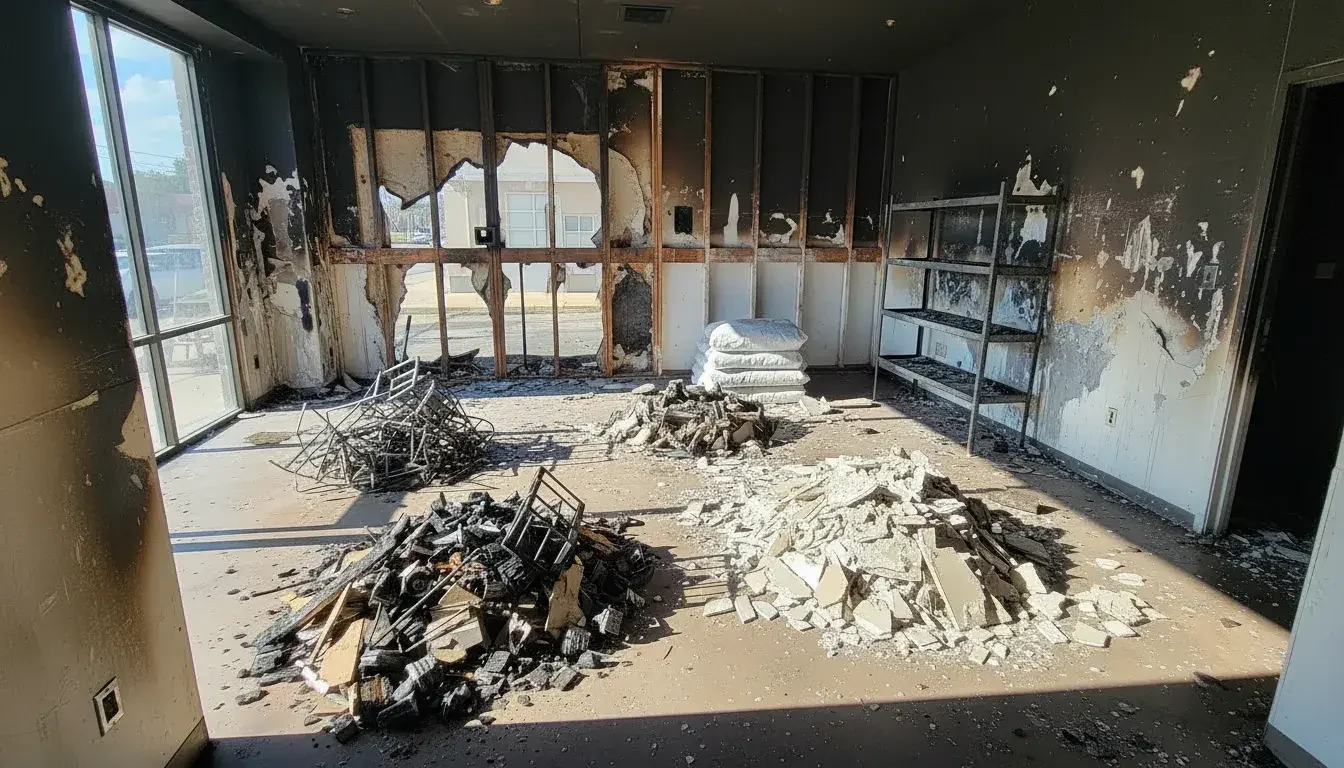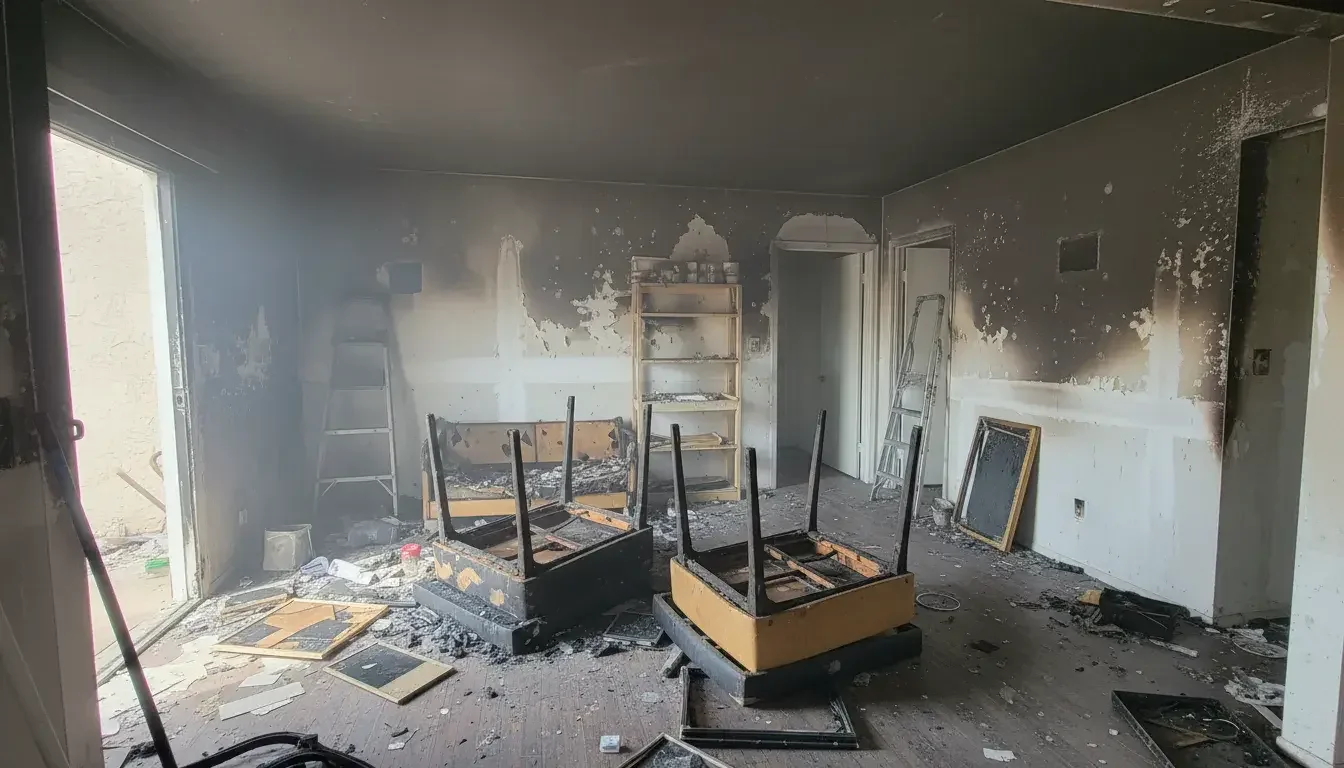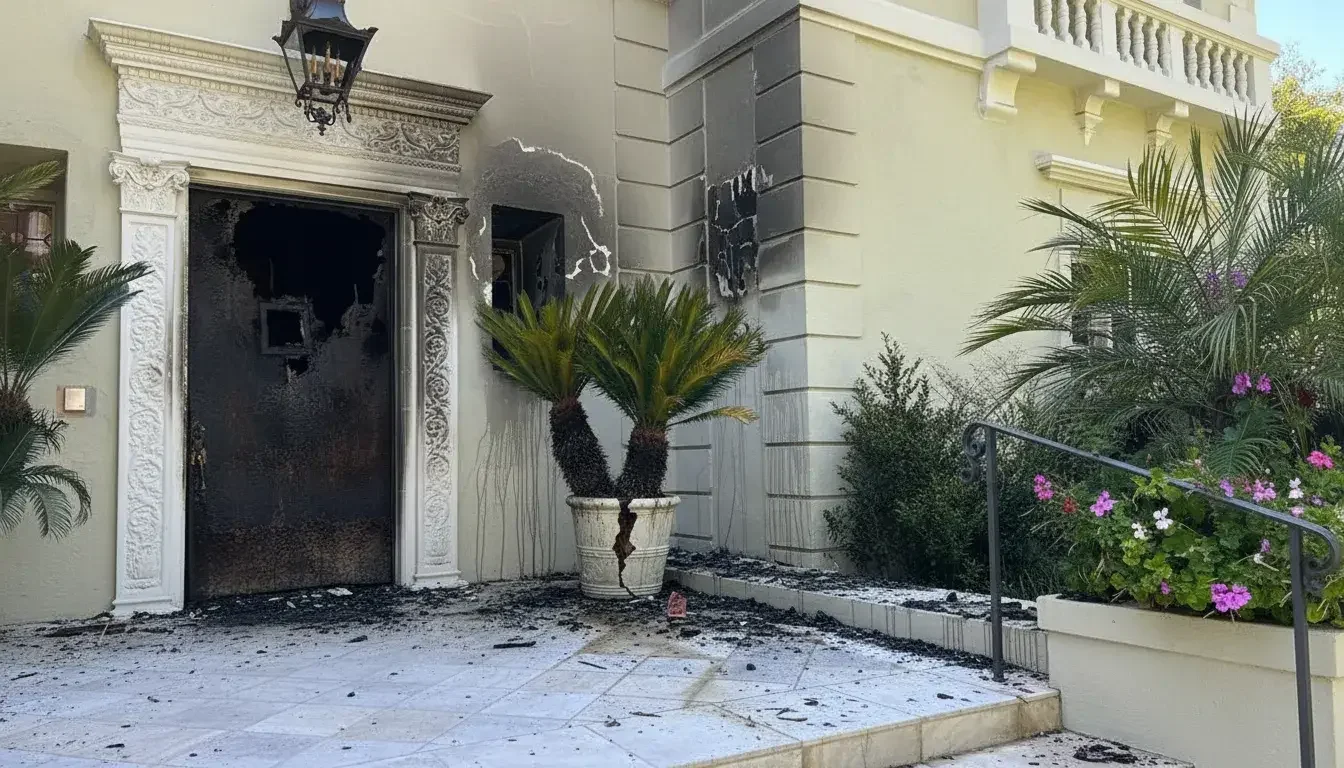
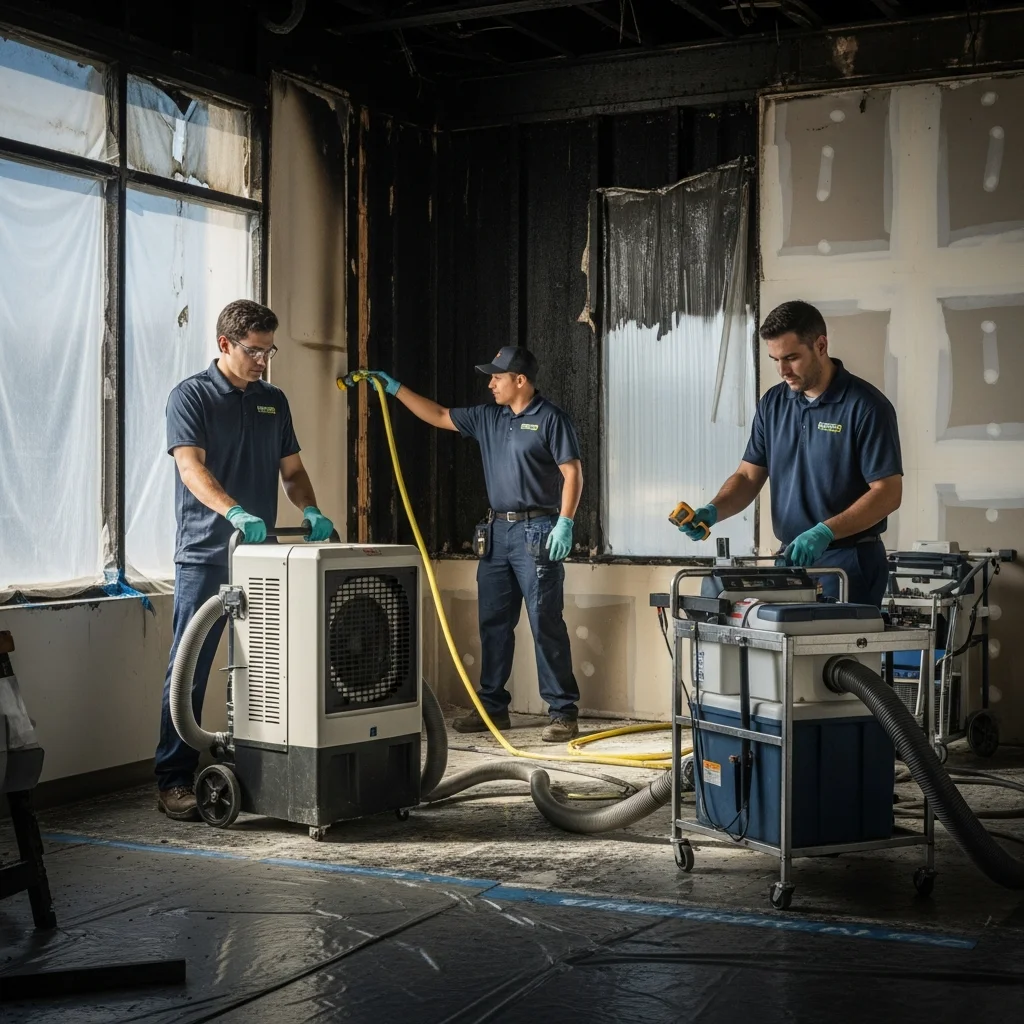
Fire damage creates devastating losses for property owners, destroying possessions, compromising structural integrity, and displacing families from their homes. However, the immediate fire damage represents only part of the restoration challenge. The water used to extinguish flames introduces thousands of gallons of moisture into building materials, creating conditions ripe for secondary damage that can rival or exceed the original fire destruction. Understanding how professional restoration teams prevent mold growth during post-fire recovery reveals the sophisticated strategies that protect properties from compounding disasters.
The connection between firefighting activities and mold establishment is direct and scientifically proven. Mold spores exist everywhere in the environment, remaining dormant until moisture, organic material, and favorable temperatures converge. Fire suppression efforts create precisely these conditions, saturating wood, drywall, insulation, and other cellulose-rich materials. Without immediate intervention using proven mold prevention strategies, colonization begins within 24-48 hours, spreading rapidly throughout affected structures. Yostin Water Damage & Restoration Inc has developed comprehensive protocols that interrupt this progression, protecting Reseda properties from the dual threats of fire and mold damage.
Professional restoration teams approach post-fire scenarios with an understanding that time represents the most critical factor in preventing mold establishment. Every hour of delay allows moisture to penetrate deeper into building assemblies, increases the area requiring treatment, and elevates the likelihood of extensive mold remediation becoming necessary. The systematic, science-based approaches employed by experienced restoration professionals transform what could become catastrophic mold contamination into manageable recovery processes that restore properties to safe, healthy conditions.
Rapid Response Protocols That Minimize Mold Risk
The foundation of effective mold prevention during post-fire recovery begins with immediate mobilization. Professional restoration companies maintain 24/7 emergency response capabilities specifically because delays measured in hours dramatically affect outcomes. When contacted about fire damage, experienced teams dispatch personnel and equipment immediately, understanding that the window for preventing mold establishment closes rapidly once moisture enters building materials.
Initial response focuses on immediate moisture mitigation even before comprehensive damage assessment is complete. Portable extraction equipment removes standing water from floors and saturated materials. Temporary power generation enables equipment operation even when building electrical systems are compromised. Air movers and dehumidifiers begin creating airflow and reducing ambient humidity within the first hours of arrival, interrupting the conditions that support mold growth before colonization begins.
Yostin Water Damage & Restoration Inc emphasizes that effective emergency mold removal prevention requires simultaneous action across multiple fronts. While some team members extract water and establish drying conditions, others conduct preliminary damage assessment to identify hidden moisture reservoirs. This parallel processing ensures comprehensive moisture management begins immediately rather than waiting for sequential completion of individual tasks. The efficiency gained through coordinated team deployment measurably reduces mold risk compared to slower, sequential approaches.
Containment establishment represents another critical early response activity. Even before mold growth occurs, preventing cross-contamination between fire-damaged areas and unaffected portions of the structure protects property value and reduces restoration scope. Physical barriers, negative air pressure systems, and controlled access points ensure that soot, smoke residues, and moisture don't migrate to clean areas during the restoration process. These same containment measures prove essential if mold inspection services later identify established growth requiring remediation.
Comprehensive Moisture Detection and Mapping
Visible water damage reveals only a fraction of the moisture challenge in fire-affected properties. Water flows through building cavities, travels along structural members, and accumulates in hidden spaces where visual inspection cannot reach. Professional moisture detection employs specialized equipment that identifies all affected materials, ensuring drying efforts address the complete moisture challenge rather than just obvious surface conditions.
Thermal imaging cameras reveal temperature differentials that indicate moisture presence. Wet materials maintain different temperatures than dry materials due to evaporative cooling, creating thermal signatures visible through infrared imaging. This technology guides restoration teams to hidden moisture pockets behind walls, above ceilings, and beneath flooring where mold removal experts know growth will establish if left unaddressed. The investment in thermal imaging technology delivers returns through more complete moisture identification and more efficient resource deployment.
Moisture meters provide quantifiable data about material saturation levels, establishing baselines for tracking drying progress. Penetrating pin-type meters measure moisture content within wood framing, subflooring, and other structural components. Non-invasive meters detect moisture through finished surfaces without causing additional damage. Together, these tools create comprehensive moisture maps that guide drying strategies and verify successful moisture elimination before reconstruction begins.
Yostin Water Damage & Restoration Inc maintains detailed moisture documentation throughout the drying process, creating records that demonstrate systematic moisture reduction to acceptable levels. This documentation serves multiple purposes: quality assurance that ensures nothing is missed, evidence for insurance claims establishing appropriate restoration scope, and baseline data for any future assessment should questions arise. The thoroughness of professional moisture mapping distinguishes comprehensive restoration from superficial approaches that leave hidden moisture to support mold establishment.
Strategic Equipment Deployment for Optimal Drying
The equipment arsenal deployed for post-fire water damage cleanup extends far beyond household fans and shop vacuums. Industrial-grade air movers generate high-velocity airflow across saturated materials, accelerating evaporation rates dramatically compared to natural air circulation. Strategic placement based on airflow principles and building configuration maximizes drying efficiency, ensuring treated air reaches all affected surfaces.
Dehumidification represents the other critical component of structural drying systems. As water evaporates from building materials into the air, humidity levels rise. Without dehumidification, this moisture-laden air reaches saturation, at which point evaporation stops regardless of air movement. Industrial dehumidifiers extract moisture from the air, maintaining low humidity levels that allow continued evaporation from saturated materials. The size and capacity of dehumidification equipment must match building volume and moisture load for optimal performance.
The science of psychrometrics—the study of air and moisture relationships—guides professional drying strategies. Temperature, humidity, and air movement interact in complex ways that affect drying rates. Heating the air increases its moisture-carrying capacity, accelerating evaporation. However, excessive heat can damage certain materials or set smoke residues, requiring balanced approaches. Reseda mold specialists understand these relationships and adjust equipment deployment to optimize drying while protecting materials from additional damage.
Specialized drying techniques address unique challenges in fire-damaged properties. Injection drying systems deliver heated, dehumidified air into wall cavities, beneath flooring, and into other enclosed spaces where standard air movers cannot reach. Desiccant dehumidifiers that operate through absorption rather than refrigeration prove more effective in certain temperature ranges or for specific materials. The equipment diversity available to professional restoration teams enables customized approaches matching specific property conditions rather than one-size-fits-all methods that may prove inadequate.
Continuous Monitoring and Adjustment of Drying Conditions
Effective moisture management during post-fire recovery requires constant monitoring and responsive adjustment of drying systems. Moisture levels don't decline linearly—drying rates vary based on material type, saturation levels, and environmental conditions. Professional restoration teams monitor progress multiple times daily, adjusting equipment placement and settings to maintain optimal drying conditions as situations evolve.
Remote monitoring technology enables continuous oversight even when technicians aren't physically present. Wireless sensors track temperature, humidity, and moisture levels, transmitting data to central monitoring systems. Alerts notify team members if conditions drift outside optimal ranges, enabling rapid response to equipment failures or changing building conditions. This technology-enabled vigilance ensures drying progresses continuously rather than stalling during unmonitored periods.
Yostin Water Damage & Restoration Inc employs systematic inspection schedules that verify equipment operation, assess drying progress, and identify any emerging issues requiring attention. These scheduled inspections complement continuous remote monitoring, providing human judgment that recognizes subtle changes automated systems might miss. The combination of technology and experienced observation creates robust quality assurance throughout the drying process.
Documentation of drying progress creates transparency and accountability. Daily moisture readings tracked against baseline levels demonstrate systematic moisture reduction. Equipment logs record operational hours and any adjustments made. Photographic documentation shows equipment placement and captures changing conditions throughout recovery. This comprehensive record-keeping ensures nothing is overlooked while providing evidence that professional standards have been maintained throughout the restoration process.
Material-Specific Drying Strategies That Prevent Mold Damage
Different building materials require tailored drying approaches based on their porosity, thickness, and vulnerability to mold growth. Hardwood flooring demands careful moisture management to prevent cupping, warping, or finish damage while ensuring thorough drying that prevents mold establishment beneath finish surfaces. Drywall may require removal if saturation exceeds salvageability thresholds, as the paper facing becomes ideal substrate for mold growth once wet.
Insulation materials present particular challenges in post-fire scenarios. Fiberglass insulation loses effectiveness when wet and typically requires replacement rather than drying. Cellulose insulation, being organic material, becomes prime substrate for mold damage repair needs if not removed promptly after water exposure. The decision to attempt drying versus replacement depends on saturation levels, contamination with fire residues, and accessibility for thorough treatment.
Structural components like wood framing require verification of complete drying before enclosure in reconstruction activities. Wood accepts and releases moisture slowly, meaning surface dryness doesn't ensure internal moisture levels have reached acceptable ranges. Moisture meter readings from multiple depths and locations verify that structural members have achieved stability below the moisture content that supports mold growth, typically below 15-16% moisture content for wood materials.
Concrete and masonry present unique drying challenges due to their density and low permeability. These materials absorb tremendous water volumes during fire suppression and release moisture very slowly. Specialty equipment like injectidry systems or heat-assisted drying accelerates moisture removal from these dense materials. Yostin Water Damage & Restoration Inc recognizes that rushing reconstruction over insufficiently dried masonry creates enclosed moisture reservoirs that will support mold growth, making patient, thorough drying essential despite timeline pressures.
Antimicrobial Treatments and Surface Preparation
Once initial moisture extraction and active drying reduce saturation to manageable levels, attention shifts to treating surfaces to prevent mold establishment during continued drying and reconstruction phases. Antimicrobial applications inhibit microbial growth on treated surfaces, providing protection during the vulnerable period between fire damage and completion of reconstruction when materials remain exposed and vulnerable.
Professional-grade antimicrobial products differ substantially from consumer disinfectants in their formulation, effectiveness, and residual protection duration. EPA-registered antimicrobials designed for restoration use provide proven efficacy against mold spores while meeting safety standards for indoor application. Application techniques ensure complete surface coverage without oversaturation that could introduce additional moisture, defeating the purpose of careful drying efforts.
The timing of antimicrobial application requires careful consideration. Applied too early while materials remain saturated, products become diluted and ineffective. Applied too late after mold establishment has occurred, surface treatments prove inadequate for true mold remediation Reseda properties require. Professional restoration teams apply antimicrobials at the optimal point when surface moisture has reduced sufficiently for product effectiveness but before conditions have allowed mold colonization to begin.
Fire residue removal often occurs in conjunction with antimicrobial treatment, as soot and smoke byproducts must be removed to allow antimicrobial contact with building surfaces. Specialized cleaning agents address different types of fire residues—protein residues from natural material combustion, petroleum residues from synthetic material burning, and the various chemical byproducts that modern fires create. Thorough cleaning eliminates nutrients that could support mold growth while preparing surfaces for protective treatments.
Controlled Demolition and Selective Material Removal
Not all fire and water-damaged materials can or should be salvaged. Professional judgment determines which materials require removal versus which can be successfully treated and retained. This decision-making process balances multiple factors: degree of damage, contamination levels, economic salvageability, and mold growth risk. Materials showing active growth, heavy saturation in porous substrates, or structural compromise typically require removal rather than attempted remediation.
Controlled demolition during post-fire restoration serves mold prevention by removing materials that cannot be adequately dried or cleaned. Water-saturated insulation, fire-damaged drywall with compromised paper facing, and charred structural components all present ongoing mold risk if retained. Removing these materials eliminates moisture reservoirs and potential growth substrates, simplifying the remaining drying challenge and reducing long-term mold risk.
Yostin Water Damage & Restoration Inc approaches material removal systematically, creating detailed inventories of removed items for insurance documentation while ensuring complete removal of all compromised materials. Partial removal that leaves hidden contaminated materials creates ongoing problems, making thoroughness essential. However, unnecessary removal increases costs and project timelines, making accurate assessment of salvageability important for balancing competing priorities.
Containment during demolition activities prevents cross-contamination to areas being preserved. Even if mold growth hasn't yet established, disturbing saturated materials releases moisture and particulates that could contaminate clean areas. HEPA filtration within contained work zones captures airborne particles while negative air pressure prevents their escape to other building areas. These same containment protocols prove essential during mold inspection services if assessment reveals that growth has already established despite rapid response efforts.
Environmental Controls That Suppress Mold Growth
Beyond extracting moisture and drying materials, professional restoration teams manipulate environmental conditions to create atmospheres hostile to mold establishment. Temperature management, humidity control, and air circulation all contribute to environments where mold cannot thrive even if complete drying requires extended periods to achieve.
Maintaining indoor relative humidity below 60% proves critical for mold prevention, as most mold species cannot establish or sustain growth below this threshold. Industrial dehumidification systems achieve and maintain these low humidity levels even as moisture continues evaporating from building materials. Continuous operation throughout the drying period, typically multiple days to several weeks depending on damage extent, ensures sustained unfavorable conditions for mold growth.
Air circulation prevents the stagnant, moisture-rich microclimates where mold preferentially establishes. High-velocity air movers create turbulent airflow that disrupts these microclimates, distributing moisture more evenly throughout the space where dehumidification can remove it. Strategic placement ensures air circulation reaches all affected areas, preventing isolated pockets of high humidity even when overall conditions are well-controlled.
Temperature manipulation provides another control dimension. Mold growth rates increase with temperature within certain ranges, meaning cooler conditions slow potential establishment. However, cooler air holds less moisture, potentially slowing drying rates. Professional restoration teams balance these competing factors, often using moderate heating to accelerate drying while maintaining dehumidification to control humidity levels despite increased evaporation rates.
- Employee Perspective: The Satisfaction of Successful Mold Prevention**
A dedicated professional at Yostin Water Damage & Restoration Inc recalls responding to a devastating house fire in Reseda where an elderly couple had lost nearly everything to flames and water damage. The scope of destruction was heartbreaking—family photos, heirlooms, and the home they'd lived in for forty years all severely damaged. What made the situation even more precarious was that the couple's limited insurance coverage and fixed income meant they couldn't afford extensive mold remediation on top of fire restoration costs.
The team worked with extraordinary care and urgency, deploying equipment within hours of receiving the call and maintaining round-the-clock monitoring for the critical first week. Every moisture reading was tracked meticulously, every piece of equipment positioned strategically to maximize drying efficiency. The pressure was intense—knowing that any failure to prevent mold growth would financially devastate this vulnerable family—but it drove everyone to perform at their absolute best.
Three weeks later, when final moisture readings confirmed successful drying without any mold establishment, the relief and pride were overwhelming. The couple's gratitude, expressed through tears and tight embraces, made every overnight equipment check and weekend monitoring visit worthwhile. They could direct their limited resources toward rebuilding rather than mold removal, and their home would be restored without the health concerns mold contamination would have created. That project reinforced the profound importance of mold prevention during fire recovery—it's not just about buildings and materials, but about protecting families during their most vulnerable moments.
Integration of Black Mold Removal Expertise Into Prevention Protocols
Experience with challenging black mold removal projects informs prevention strategies employed during post-fire recovery. Understanding how toxic mold species like Stachybotrys chartarum establish and proliferate guides efforts to disrupt these processes before colonization occurs. The cellulose-rich materials common in building construction—drywall paper, wood, and organic insulation—provide ideal substrates for black mold when moisture is present, making prevention far more cost-effective and safer than later remediation.
Professional restoration teams trained in mold biology recognize the specific conditions different species require and target their prevention efforts accordingly. While most common mold species can establish within 24-48 hours of water exposure, some toxic varieties require slightly longer periods, creating a narrow window where aggressive drying can prevent their establishment entirely. This knowledge drives the urgency and intensity of early response efforts.
Air quality monitoring during post-fire restoration provides early warning if mold establishment begins despite prevention efforts. Spore sampling establishes baseline conditions and tracks changes over time. Significant increases in airborne spore concentrations signal that established growth requires remediation rather than continued prevention-focused treatment. This monitoring enables rapid pivot to appropriate response strategies if conditions deteriorate despite best prevention efforts.
Yostin Water Damage & Restoration Inc maintains that prevention-focused approaches prove more successful and less costly than attempting to salvage properties where mold has already established. While black mold removal technologies and protocols are highly effective when needed, the disruption, cost, and health concerns associated with established toxic mold make prevention the clearly superior strategy whenever possible through rapid, professional intervention.
Coordination With Fire Damage Restoration Activities
Post-fire recovery requires careful coordination between multiple specialty activities—structural assessment, debris removal, content restoration, and reconstruction all proceed simultaneously or in carefully sequenced phases. Water damage cleanup and mold prevention must integrate seamlessly with these other activities rather than operating as isolated specialty services. This coordination ensures that activities supporting one objective don't inadvertently compromise others.
Structural stabilization sometimes requires temporary enclosure of fire-damaged areas to prevent weather intrusion or unauthorized access. However, premature enclosure before adequate drying creates exactly the enclosed, moisture-rich environments where mold thrives. Professional project management ensures drying requirements are met before enclosure occurs, even when this extends timelines beyond what might be desired for security or weather protection purposes.
Content pack-out and cleaning activities must coordinate with structural drying to avoid reintroducing contaminated items into remediated spaces. Smoke-damaged possessions can harbor mold spores or become contaminated if stored in inadequately controlled environments during restoration. Professional home mold treatment approaches address both structural and content considerations, ensuring comprehensive contamination prevention across all property components.
Reconstruction activities cannot begin until thorough drying verification confirms moisture levels have reached acceptable ranges. Enclosing moisture within rebuilt walls, ceilings, or floors guarantees future mold problems regardless of surface finishes applied. The patience to wait for verified drying completion, even when pressure exists to expedite reconstruction, distinguishes professional restoration from approaches that prioritize speed over quality outcomes.
Advanced Technologies Supporting Mold Prevention
Innovation in restoration technology continually improves mold prevention capabilities during post-fire recovery. Advances in monitoring equipment, drying systems, and treatment products enhance effectiveness while often reducing treatment duration. Professional restoration companies invest in these technologies because improved outcomes benefit clients while operational efficiencies improve business performance.
Thermal imaging technology has revolutionized moisture detection, revealing hidden water accumulation invisible to visual inspection. Recent advances in camera resolution and sensitivity enable detection of smaller temperature differentials, identifying minor moisture intrusions before they become major problems. This enhanced detection capability supports more targeted drying efforts and better verification of drying completeness.
Desiccant dehumidification systems that operate through moisture absorption rather than refrigeration-based condensation expand the environmental range where effective dehumidification is possible. These systems work efficiently in cooler temperatures where refrigerant dehumidifiers become ineffective, extending the treatment season and enabling effective drying in challenging conditions. Yostin Water Damage & Restoration Inc deploys both refrigerant and desiccant systems, selecting the appropriate technology based on specific project conditions.
Remote monitoring and control systems enable continuous oversight of drying operations even when technicians aren't physically present. Internet-connected sensors track temperature, humidity, and equipment operation, transmitting real-time data to monitoring platforms accessible from anywhere. This technology enables rapid response to any deviations from optimal conditions, ensuring drying progresses consistently without costly delays from undetected equipment failures.
Hydroxyl generators and ozone treatments provide additional tools for addressing smoke odors while supporting mold prevention. These technologies oxidize organic compounds, including both odor molecules and mold spores, providing sanitation benefits beyond traditional cleaning. However, their use requires expertise to ensure safe application and effectiveness, making professional deployment important for optimal results without creating additional problems.
Quality Assurance Through Testing and Verification
Successful mold prevention during post-fire recovery requires verification through objective testing rather than relying solely on visual assessment or assumptions. Multiple testing protocols provide different information types, collectively ensuring that restoration has achieved safe, healthy conditions before reconstruction proceeds and families return to their homes.
Moisture testing at project conclusion verifies that all building materials have reached acceptable dryness levels. Compared against baseline readings from project commencement, final moisture content documentation demonstrates successful moisture elimination. Professional standards exist for acceptable moisture content in different materials—typically below 15-16% for wood, below 1% for concrete, and dry to touch for drywall—providing objective benchmarks for determining drying completion.
Air quality testing samples indoor air for mold spore concentrations and species identification. Results compared against outdoor baseline samples establish whether indoor levels remain within normal ranges or show elevation indicating hidden growth. This testing provides assurance that mold prevention efforts have succeeded, or identifies problems requiring additional investigation and treatment before reconstruction proceeds.
Surface sampling through tape lifts or swab samples can identify whether surfaces harbor elevated mold concentrations even when airborne levels appear normal. This testing proves particularly valuable for verifying that antimicrobial treatments have successfully protected surfaces during the drying period. Results guide decisions about whether additional treatment is needed before surfaces are enclosed during reconstruction.
Yostin Water Damage & Restoration Inc considers verification testing non-negotiable for quality assurance. While testing represents additional cost, the assurance it provides that mold prevention has succeeded justifies this investment. More importantly, testing protects families from returning to homes with hidden mold problems that could affect health and require costly future remediation.
Education and Communication Throughout the Restoration Process
Property owners facing post-fire recovery often feel overwhelmed by the complexity of restoration requirements, insurance processes, and the sheer scope of what must be accomplished. Professional restoration teams recognize that technical excellence must be paired with clear communication that helps owners understand what's happening, why specific activities are necessary, and what they can expect as recovery progresses.
Explaining the connection between fire suppression and mold risk helps owners understand why extensive drying operations are necessary even in areas that seem dry. Many property owners don't realize that water from firefighting activities penetrates far beyond visibly wet areas, creating hidden moisture problems requiring professional detection and treatment. This education builds appreciation for comprehensive approaches versus superficial treatments that leave problems unaddressed.
Sharing mold prevention tips empowers property owners to recognize warning signs and respond appropriately to minor moisture intrusions in the future. Understanding that prompt response to water damage minimizes problems, that persistent musty odors warrant professional investigation, and that proper ventilation and humidity control prevent mold establishment provides knowledge that protects properties long after restoration completion.
Progress updates throughout the drying process maintain transparency and build confidence that work is proceeding appropriately. Sharing moisture readings, explaining equipment placement rationale, and discussing timeline expectations prevents unpleasant surprises while demonstrating professional competence. This communication proves especially important when drying requires longer than owners might expect, as explaining the science behind thorough drying builds patience for necessary treatment duration.
Yostin Water Damage & Restoration Inc views education and communication as integral to quality restoration service, not optional additions to technical work. Informed clients make better decisions, have more realistic expectations, and experience less stress during what is already a difficult situation. This commitment to client support distinguishes truly professional restoration services from contractors who focus solely on technical tasks while neglecting the human dimension.
Proactive Approaches to Emerging Challenges
Post-fire restoration presents constantly evolving challenges as work progresses and new issues emerge. Proactive restoration teams anticipate potential problems and implement preventive measures before issues escalate. This forward-thinking approach minimizes disruptions, prevents costly surprises, and ensures recovery proceeds as smoothly as possible given the inherent complexity of fire damage scenarios.
Weather considerations influence post-fire recovery timelines and strategies. Properties with compromised roofing or broken windows remain vulnerable to weather damage during restoration. Temporary weather protection—tarps, board-up services, or temporary enclosures—prevents additional water intrusion that would compound drying challenges and increase mold risk. These protective measures must be implemented without creating enclosed, unventilated spaces that trap moisture, requiring thoughtful design and installation.
Utility coordination ensures that necessary services are available for restoration equipment operation while preventing safety hazards from damaged systems. Electrical service must be verified safe before connecting drying equipment. Water service may require temporary shut-off if plumbing damage creates ongoing leak risks. HVAC systems damaged by fire require assessment before operation to prevent spreading contamination or introducing additional moisture. Professional coordination with utility providers and specialized contractors ensures these systems support rather than hinder restoration efforts.
Security concerns arise from fire damage that compromises locks, windows, or doors. Board-up services prevent unauthorized access and weather intrusion, but must allow necessary access for restoration crews and periodic owner inspection. Balancing security requirements with operational needs requires coordination and clear communication among all parties involved in recovery.
Reseda mold specialists understand that successful post-fire recovery requires managing these diverse challenges simultaneously while maintaining focus on the primary objectives: moisture elimination, mold prevention, and property restoration. This comprehensive perspective distinguishes professional restoration from limited specialty services that address isolated issues without considering their broader context and interactions.
Building Resilience Against Future Incidents
While no one wishes to experience fire damage, the recovery process creates opportunities to enhance property resilience against future incidents. Modern building materials, improved construction techniques, and upgraded systems can create properties better equipped to resist damage and support faster recovery if future incidents occur. Professional restoration teams help owners understand these opportunities and make informed decisions about value-added improvements during reconstruction.
Water-resistant building materials minimize moisture absorption and damage when water intrusion occurs. Mold-resistant drywall, moisture-barrier floor systems, and enhanced insulation materials all contribute to properties less vulnerable to mold establishment following water damage. The incremental cost of these upgraded materials during reconstruction often proves modest compared to their long-term protective value.
Improved ventilation systems reduce ambient humidity levels and increase air circulation, creating environments less favorable for mold growth. Upgraded HVAC equipment, bathroom exhaust fans, and kitchen ventilation all contribute to healthier indoor environments while reducing mold risk. These improvements provide daily benefits through improved comfort and indoor air quality beyond their protective value during moisture events.
Early detection systems provide warning of moisture intrusions before extensive damage occurs. Water sensors beneath water heaters, near washing machines, or in basements alert property owners to leaks enabling rapid response. Humidity sensors monitor indoor conditions, flagging elevations that warrant investigation. These relatively inexpensive technologies provide valuable early warning that supports prevention of minor issues before they escalate into major problems.
Yostin Water Damage & Restoration Inc discusses these resilience-building options with clients during restoration planning, helping them understand how strategic investments during reconstruction can provide long-term protection and value. While not every improvement makes sense for every property or budget, informed decision-making ensures owners can choose enhancements aligned with their priorities and resources.
The Intersection of Science and Service
Effective mold prevention during post-fire recovery rests on scientific understanding of mold biology, material science, building physics, and restoration technology. However, technical knowledge alone proves insufficient without service excellence that translates expertise into practical outcomes meeting clients' needs. The intersection of science and service defines truly professional restoration that protects both properties and the families who depend on them.
Mold biology knowledge informs understanding of growth requirements, colonization timelines, and species-specific concerns. This knowledge guides prevention strategies targeting the specific conditions mold requires, disrupting establishment before it occurs. However, this scientific knowledge must be communicated in accessible terms that help property owners understand why specific restoration activities are necessary and what outcomes they can expect.
Material science understanding enables appropriate treatment decisions for different building components. Knowing which materials can be salvaged through drying and treatment versus which require removal prevents both unnecessary demolition and inadequate remediation that leaves problems unresolved. This technical judgment must be balanced with economic realities, insurance coverage, and owner preferences, requiring communication skills that complement technical knowledge.
Building physics and psychrometrics provide the scientific foundation for drying strategies, but practical application requires experience recognizing how theoretical principles manifest in real-world conditions. Understanding how air flows through specific building configurations, how different materials respond to drying efforts, and how equipment should be deployed for optimal results develops through years of varied project experience supplementing formal education.
Emergency mold removal prevention represents the ultimate goal guiding all post-fire restoration efforts. By preventing mold establishment through rapid, comprehensive moisture management, restoration teams protect properties from compounding damage while enabling more efficient, less costly, and less disruptive recovery. This prevention-focused approach serves property owners' best interests while demonstrating the value professional expertise brings to complex restoration challenges.