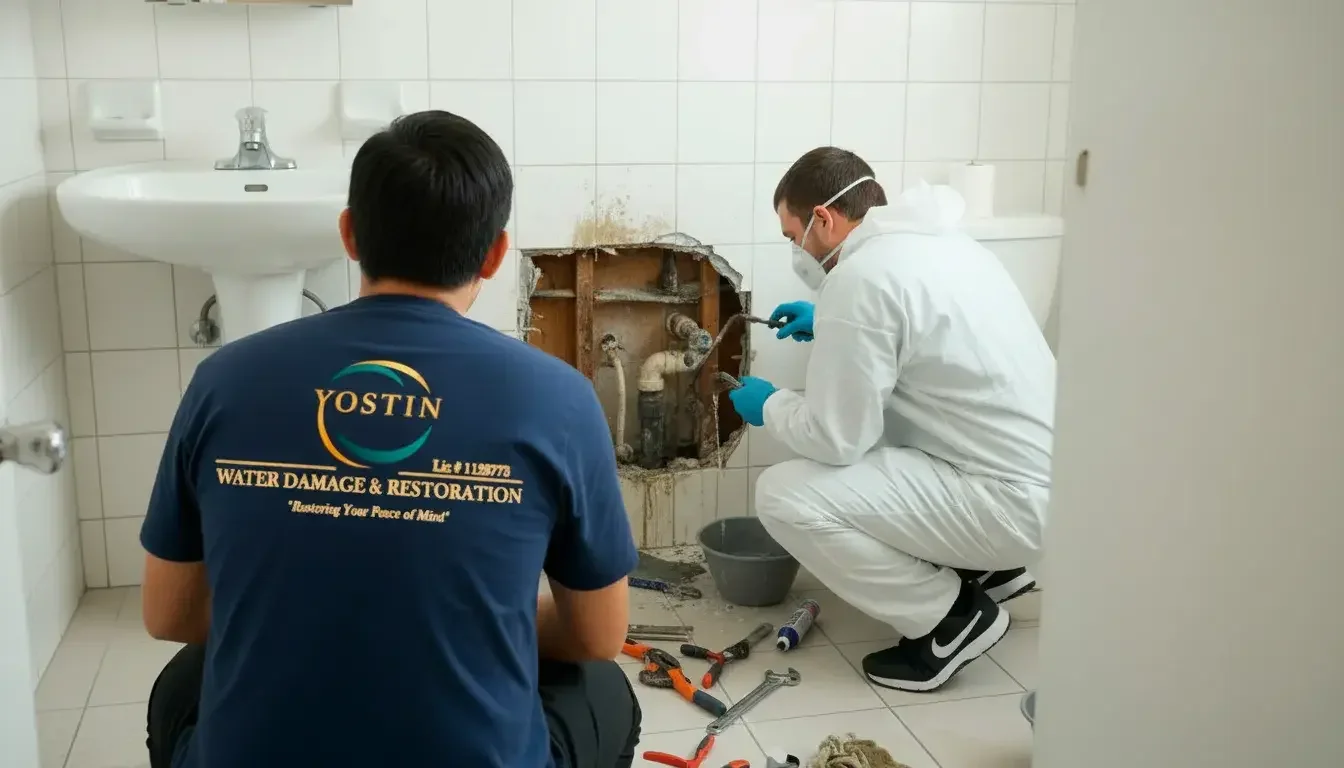
Basement flooding represents one of the most stressful water damage scenarios property owners face in the San Fernando Valley. Whether caused by heavy rainfall, plumbing failures, or groundwater intrusion, standing water in below-grade spaces creates immediate urgency and serious concerns about structural integrity, mold growth, and property loss. Understanding how professional water damage restoration services address flooded basements helps property owners appreciate the complexity involved and why expert intervention produces vastly superior outcomes compared to do-it-yourself approaches.
The unique challenges of basement flooding differentiate it from water damage occurring on upper floors. Gravity works against drainage efforts, making water removal more labor-intensive and time-consuming. Concrete foundation walls absorb tremendous moisture quantities, creating long-term drying challenges. Electrical systems, HVAC equipment, and water heaters often reside in basements, creating safety hazards when submerged. The combination of these factors makes professional flood cleanup Reseda property owners require a specialized service demanding technical expertise, proper equipment, and systematic methodology.
Yostin Water Damage & Restoration Inc has developed comprehensive protocols specifically addressing the complexities of basement water damage restoration throughout the San Fernando Valley. These procedures account for local construction patterns, regional weather influences, and the specific challenges basement environments present. From initial emergency response through final restoration completion, every phase follows industry best practices while adapting to each property's unique circumstances.
Initial Assessment and Safety Evaluation in Flooded Basements
Before any water extraction begins, professional restoration technicians conduct thorough safety assessments addressing electrical hazards, structural concerns, and contamination risks. Flooded basements may contain energized electrical circuits, creating electrocution dangers that require power disconnection before personnel enter standing water. Circuit breakers serving basement areas must be identified and disabled, with verification testing ensuring complete de-energization before proceeding.
Structural stability evaluation identifies compromised foundation walls, saturated support columns, and weakened floor systems that might pose collapse risks. Hydrostatic pressure from exterior groundwater combined with interior water weight stresses foundation systems beyond their normal loads. Cracks, bowing walls, or separation between foundation elements indicate serious structural issues requiring engineering assessment before water extraction service can safely proceed. Yostin Water Damage & Restoration Inc maintains relationships with structural engineers who provide rapid consultation for questionable situations, ensuring safety never compromises in pursuit of faster restoration.
Water contamination category determines safety protocols and disposal requirements throughout the restoration process. Clean water from supply line breaks requires standard precautions, while gray water from appliance discharge or sump pump failures demands enhanced protective measures. Black water containing sewage, exterior floodwater, or other heavily contaminated sources necessitates the highest level of safety protocols, specialized cleaning procedures, and careful material disposal. Proper categorization early in the assessment process ensures appropriate safety measures protect both restoration workers and future building occupants.
The assessment phase also inventories affected contents, mechanical systems, and building materials to establish restoration scope and develop comprehensive project plans. Photographs and detailed documentation create records supporting insurance claims while providing baseline information for tracking restoration progress. This methodical approach, though time-consuming initially, prevents oversights that lead to incomplete restoration or surprise discoveries mid-project that disrupt timelines and budgets.
Advanced Water Extraction Techniques for Below-Grade Spaces
Removing standing water from basements requires specialized equipment designed for below-grade applications where gravity cannot assist drainage. Submersible pumps capable of handling thousands of gallons per hour provide primary water removal capacity, with pump selection depending on water depth, debris content, and available discharge locations. Trash pumps handle water containing sediment or small debris, while clearer water allows use of more efficient centrifugal pumps with higher flow rates.
Strategic pump placement maximizes extraction efficiency while protecting equipment from damage. Low spots where water naturally accumulates receive priority placement, with additional pumps positioned to prevent water migration toward sensitive equipment or stored contents. Discharge hose routing considers elevation changes, distance to acceptable discharge locations, and prevention of discharged water re-entering the building through exterior drainage paths. Experienced Reseda water repair technicians anticipate these challenges, positioning equipment for optimal performance while avoiding common pitfalls that extend extraction timelines.
The final inches of standing water present unique challenges, as submersible pumps cannot operate in extremely shallow water without air intake risking motor damage. Wet/dry vacuums equipped with appropriate filtration handle this final extraction phase, removing residual water that would otherwise require days of evaporation. Floor squeegees direct water toward collection points, accelerating this labor-intensive final extraction phase. Attention to complete water removal pays dividends during subsequent drying, as every gallon extracted mechanically represents moisture not requiring evaporative removal.
Yostin Water Damage & Restoration Inc deploys multiple pump systems simultaneously for extensive flooding, recognizing that rapid water extraction service significantly improves outcomes by reducing saturation time for porous building materials. Each hour water remains in contact with drywall, wood framing, or insulation increases absorption depth, extending required drying time and increasing likelihood of permanent material damage requiring replacement rather than drying and salvage.
Moisture Detection and Mapping Throughout Basement Structures
Once standing water is removed, comprehensive moisture mapping identifies all affected materials requiring drying attention. This critical step prevents the common mistake of assuming visible water extent matches actual moisture penetration. Concrete basement floors, walls, and foundations absorb water through capillary action, wicking moisture far beyond areas that were visibly flooded. Without detection equipment, these saturated but not visibly wet areas receive no drying attention, guaranteeing future mold growth and material deterioration.
Moisture meters provide quantitative measurements of material moisture content, with different meter types suited to various materials. Pin-type meters penetrate material surfaces, directly measuring electrical resistance that correlates with moisture content. Non-invasive meters use electromagnetic fields to detect moisture without surface penetration, ideal for finished surfaces where penetration would cause damage. Skilled emergency water restoration technicians interpret readings in context, understanding that different materials have different moisture content ranges and that a reading indicating saturation in drywall might represent normal conditions in concrete.
Thermal imaging cameras reveal moisture patterns invisible to standard inspection. Evaporation creates cooling effects that show as temperature differentials in thermal images, identifying wet areas even when surface appearance seems normal. These cameras prove especially valuable detecting moisture within wall cavities, beneath flooring materials, and in other concealed locations where direct measurement is difficult or impossible. The comprehensive picture created through multiple detection methods ensures no moisture reservoirs escape attention where they could support mold growth or material deterioration.
Moisture mapping documentation creates before-and-after comparisons tracking drying progress throughout the restoration. Initial maps establish baseline conditions and guide equipment placement, while subsequent measurements verify drying effectiveness and identify areas requiring additional attention. This data-driven approach removes guesswork from water damage repair Reseda properties require, ensuring decisions rest on objective measurements rather than assumptions or visual appearances that can mislead.
Contamination Assessment and Sanitization Protocols
Floodwater contamination significantly impacts cleaning and restoration approaches required for safe building reoccupancy. Basement flooding from exterior sources often introduces soil, bacteria, chemicals, and other hazardous substances requiring specialized cleaning beyond simple water extraction and drying. Even apparently clean water becomes contaminated after contact with building materials, especially in basements where stored items, mechanical systems, and building materials may harbor various contaminants.
Category 1 water damage involves clean water from sanitary sources like supply lines or rain water not having contacted contaminated surfaces. This classification permits the least invasive cleaning approaches, though monitoring for contamination elevation remains important as water migrates through building materials. Category 2 gray water contains some contamination from sources like washing machine discharge, dishwasher overflow, or toilet overflow containing only urine. Significantly more precautions protect workers and occupants during restoration, with affected materials requiring antimicrobial treatment.
Category 3 black water contains grossly unsanitary substances and pathogens, originating from sewage backups, exterior flooding, or any water having contacted contaminated materials and remained stagnant for extended periods. Residential flood damage involving black water demands the most stringent safety protocols, extensive material removal, and thorough sanitization of any salvaged materials. Yostin Water Damage & Restoration Inc treats all basement flooding from exterior sources as Category 3 regardless of appearance, recognizing that floodwater universally contains pathogenic contamination requiring appropriate response.
Sanitization methods appropriate to contamination category ensure safe restoration outcomes. Antimicrobial treatments applied to salvageable materials eliminate bacterial and fungal contamination, while HEPA filtration controls airborne contaminants during demolition and cleaning. Disposal of contaminated materials follows appropriate protocols, with heavily contaminated items requiring special handling beyond standard construction debris procedures. These measures protect both restoration workers and future building occupants from contamination exposure, meeting both regulatory requirements and ethical obligations for safe restoration practices.
Comprehensive Drying Systems for Basement Environments
Basement drying presents unique challenges compared to above-grade water damage restoration due to limited air exchange, below-grade temperature profiles, and high-mass building materials like concrete that release absorbed moisture very slowly. Professional drying systems address these challenges through equipment combinations creating optimal conditions for moisture evaporation and removal despite basement environmental constraints.
Industrial dehumidifiers form the foundation of basement drying systems, removing moisture from air through refrigerant or desiccant processes. Refrigerant dehumidifiers work efficiently in warmer conditions, condensing moisture from air as it passes over cold coils similar to air conditioning systems. Desiccant dehumidifiers use moisture-absorbing materials effective in cooler conditions where refrigerant systems lose efficiency, making them particularly valuable for basement applications where temperatures often remain lower than main living spaces. Yostin Water Damage & Restoration Inc maintains extensive dehumidifier inventories including both types, selecting optimal equipment for specific project conditions.
Air movers create airflow across wet surfaces, accelerating evaporation rates and transporting moisture-laden air to dehumidifiers for processing. Strategic placement directs airflow along basement walls, across flooring, and through affected contents, maximizing surface area exposure to moving air. The number and positioning of air movers dramatically affects drying speed, with proper deployment cutting drying time by half or more compared to minimal equipment approaches. Professional water mitigation experts understand airflow principles, creating circulation patterns that maximize efficiency while avoiding dead zones where stagnant air permits moisture to linger.
Temperature manipulation accelerates drying when conditions permit, as warmer air holds more moisture and increases evaporation rates. Supplemental heating equipment may be deployed in cooler basements, though safety considerations and energy costs must be balanced against drying time benefits. Conversely, some situations benefit from controlled temperature reduction when it improves dehumidifier efficiency or prevents secondary damage to temperature-sensitive contents. Climate control decisions require understanding psychrometric principles relating temperature, humidity, and evaporation rates.
Contained drying environments maximize equipment efficiency by concentrating efforts on affected areas rather than conditioning entire basement volumes unnecessarily. Temporary barriers create drying chambers where equipment maintains optimal conditions for moisture removal. This approach proves especially cost-effective in large basements where flooding affected only portions of the total area. Containment also prevents moisture migration to unaffected areas that could expand damage beyond the original footprint.
Structural Drying and Material Salvage Decisions
Concrete foundation walls and floors present particular drying challenges due to their density and moisture storage capacity. These high-mass materials absorb tremendous water quantities during flooding events but release it extraordinarily slowly during drying. While surface drying may occur within days, deep concrete saturation can require weeks of continuous drying attention before moisture content reaches acceptable levels preventing future problems.
Specialized drying techniques address concrete moisture through multiple approaches. Surface airflow accelerates evaporation from exposed concrete surfaces. Dehumidification maintains low ambient humidity, creating concentration gradients that draw moisture from concrete depths toward surfaces where evaporation can occur. In severe cases, injection drying systems introduce warm, dry air into wall cavities and beneath floor slabs, attacking moisture from multiple directions simultaneously. These aggressive approaches significantly reduce concrete drying time compared to passive methods.
Wall cavity drying requires creating access points allowing air circulation and moisture removal from concealed spaces. Small holes drilled through drywall at floor level permit air mover placement directing airflow into wall cavities. Insulation removal may be necessary when saturation levels exceed salvageability thresholds, as wet insulation provides no thermal value while creating ideal conditions for mold growth. Yostin Water Damage & Restoration Inc bases these material removal decisions on actual measured moisture content rather than arbitrary rules, salvaging materials whenever safely possible while removing those beyond practical restoration.
Wood framing members absorb water readily but also dry reasonably well when exposed to proper drying conditions. Monitoring moisture content throughout drying verifies that framing lumber returns to acceptable levels, typically below 15% moisture content for most wood species in structural applications. Elevated moisture readings persisting despite adequate drying time may indicate concealed water sources requiring investigation, such as hidden plumbing leaks or exterior drainage problems continuing to introduce water even as extraction and drying proceed.
Flooring material salvageability depends on water exposure duration, contamination category, and material composition. Ceramic tile typically survives flooding well, though substrate damage may necessitate removal and reinstallation despite tile condition. Vinyl flooring shows mixed results, with sheet vinyl often salvageable while vinyl plank products frequently suffer adhesive failure or dimensional changes. Concrete basement floors eliminate many flooring concerns, though moisture must reach acceptable levels before installing floor coverings or moisture-sensitive finishes.
Content Restoration and Salvage Priorities
Basement flooding affects not just building structures but also contents stored in these below-grade spaces. Furniture, appliances, stored belongings, mechanical systems, and seasonal items all suffer water exposure requiring evaluation for salvageability. Quick action during the initial hours after flooding significantly improves salvage rates, as many items tolerating brief water exposure suffer permanent damage if exposure extends beyond critical windows.
Electronics and electrical appliances require careful handling after water exposure, as powering up water-damaged equipment risks short circuits, permanent component damage, and fire hazards. Professional evaluation determines whether specialized electronics restoration might recover valuable items or whether replacement becomes necessary. Even if ultimately unsalvageable, proper handling prevents additional damage and preserves manufacturer warranty coverage or insurance claim validity that might be voided by improper handling.
Porous contents like upholstered furniture, mattresses, and paper materials present significant salvage challenges, especially when contaminated water is involved. Professional mold prevention service often recommends disposal of heavily saturated porous materials that would require extensive specialized restoration exceeding replacement costs. While emotionally difficult, these decisions prevent ongoing contamination risks and focus restoration resources on items with realistic salvage potential. Sentimental items receive extra consideration, with specialized restoration firms sometimes capable of recovering materials that seem beyond hope through advanced techniques.
Non-porous and semi-porous contents generally salvage well through proper cleaning and drying. Metal furniture, plastic containers, glass items, and similar materials clean readily when handled promptly. Wood furniture shows variable results depending on construction quality, finish condition, and water exposure duration. Solid wood items typically salvage better than particle board or MDF construction that swells and delaminates when saturated. Yostin Water Damage & Restoration Inc coordinates content restoration specialists for valuable items exceeding in-house capabilities, ensuring appropriate expertise addresses each salvage challenge.
Content documentation through photographs and detailed inventories creates essential insurance claim support while tracking items through the restoration process. Contents removed for off-site cleaning and storage require careful tracking preventing loss or confusion as items return to the property following restoration. Pack-out services provide controlled storage environments where contents stabilize and dry safely while building restoration proceeds, then return cleaned items once the property is ready for reoccupancy.
Mechanical System Evaluation and Restoration
Basement flooding often affects critical mechanical systems including HVAC equipment, water heaters, electrical panels, and sump pumps. These systems require specialized evaluation beyond general water damage restoration expertise, typically involving licensed electricians, plumbers, or HVAC technicians qualified to assess equipment safety and functionality after water exposure. Attempting to operate flooded mechanical equipment without proper evaluation and restoration risks equipment damage, system failure, fire, or explosion hazards.
Electrical systems demand particular caution after basement flooding. Submerged electrical panels, outlets, switches, and wiring require professional inspection before re-energization. Sediment deposits within electrical components, corrosion developing on connections, and insulation compromise all create serious hazards that visual inspection alone cannot fully evaluate. Licensed electricians testing insulation resistance, measuring ground continuity, and inspecting components provide the expertise necessary for safe electrical system restoration after flood exposure.
HVAC equipment varies widely in water damage tolerance depending on system type and submersion extent. Furnaces with electronic controls, circuit boards, and ignition components frequently require replacement when flooded, as water damage to sensitive electronics creates reliability and safety concerns. Air conditioning condensers and evaporator coils may survive flooding with proper cleaning and evaluation, though motors, compressors, and control circuits require careful assessment. Ductwork that fills with water requires professional water removal Reseda specialists provide, preventing moisture and contaminant distribution throughout the building when systems resume operation.
Water heaters that have been submerged face both immediate and long-term concerns. Gas control valves contaminated with floodwater may malfunction, creating carbon monoxide or explosion risks. Electric heating elements and thermostats may fail catastrophically when re-energized after water damage. Tank corrosion accelerates dramatically after flooding, even in tanks that initially seem functional. Most insurance policies and manufacturer warranties consider flooded water heaters total losses, recommending replacement rather than attempting restoration given the serious safety implications of water heater failures.
Sump pumps ironically often fail during the very flood events they should prevent, either from mechanical overload, debris clogging, or power outages coinciding with storms causing flooding. Post-flood sump pump evaluation determines failure causes and addresses them through repair or replacement as appropriate. Battery backup systems add resilience against future power-outage flooding, while water-powered backup pumps provide additional redundancy without relying on electrical power availability. Yostin Water Damage & Restoration Inc helps property owners evaluate options for enhanced basement flood protection following restoration, preventing recurrence of the disaster they've just endured.
Employee Perspective: The Emotional Journey of Basement Restoration
A seasoned technician at Yostin Water Damage & Restoration Inc recalls a basement flood restoration project that profoundly illustrated why this work matters beyond technical expertise. The call came during a heavy rainstorm, with a family frantically reporting their finished basement completely underwater. Upon arrival, the devastation was overwhelming—a beautiful recreation room, home office, and children's playroom sat beneath three feet of murky floodwater. The family stood at the top of the basement stairs, stunned and tearful, watching years of memories and investments seemingly destroyed.
Over the following ten days, what unfolded became one of the most rewarding experiences in this technician's career. The methodical process of emergency water restoration began immediately, with powerful pumps removing thousands of gallons while family members anxiously watched. As water receded, careful content salvage recovered toys, furniture, and irreplaceable family photographs that seemed lost forever. The children's excitement when their favorite playroom items emerged cleaned and restored brought tears to everyone's eyes. The father's gratitude when the home office equipment was professionally dried and restored, allowing him to resume work without devastating business interruption, reinforced the profound impact of this work.
By project completion, the basement wasn't just restored—strategic improvements made it more beautiful and resilient than before the flood. Watching the family's transformation from devastated victims to hopeful homeowners planning even better use of their reclaimed space demonstrated that water damage restoration isn't merely technical work—it's helping families recover their homes, their memories, and their futures. That transformation remains one of the most meaningful rewards of this challenging profession.
Mold Prevention Strategies During and After Basement Drying
Mold growth represents the most common secondary complication following basement flooding, developing rapidly when moisture levels remain elevated beyond 48-72 hours. Prevention through rapid, thorough drying dramatically reduces mold risk compared to attempting remediation after colonies establish. Every aspect of professional burst pipe restoration and flood cleanup focuses partially on mold prevention, recognizing that incomplete drying guarantees future mold problems regardless of initial cleanup quality.
Air filtration throughout the restoration process captures mold spores disturbed during demolition, content handling, and other activities. HEPA filtration removes 99.97% of particles 0.3 microns and larger, effectively capturing airborne mold spores before they settle and colonize new locations. Negative air pressure systems contain airborne contamination within work areas, preventing spread to unaffected building zones. These containment and filtration strategies prove especially critical when dealing with previously finished basements where mold may have established before professional restoration began.
Antimicrobial treatments applied to structural materials after cleaning inhibit mold growth during the drying period and beyond. These treatments work through various mechanisms—some create hostile surface conditions preventing spore germination, while others provide residual antimicrobial activity killing organisms attempting to colonize treated surfaces. Treatment selection considers material compatibility, occupant sensitivities, and specific antimicrobial spectrum required for identified or anticipated contamination types. Yostin Water Damage & Restoration Inc uses EPA-registered antimicrobials appropriate for residential applications, balancing effectiveness against safety for future building occupants.
Humidity control extending beyond active restoration prevents mold establishment during reconstruction phases when moisture-sensitive new materials enter the environment before full enclosure and climate control restoration. Maintaining relative humidity below 60% creates conditions unfavorable for mold growth, buying time for reconstruction completion without mold complications. Continuous monitoring with hygrometers ensures conditions remain within acceptable ranges, with dehumidification equipment added if readings trend toward problematic levels.
Post-restoration moisture management education helps property owners maintain the dry basement conditions professional restoration achieved. Understanding that basements naturally tend toward higher humidity than above-grade spaces, recognizing the importance of functional gutters and exterior drainage, and knowing when to run dehumidifiers during humid seasons all contribute to long-term mold prevention. Providing this education transforms property owners from passive restoration recipients into active partners in maintaining healthy indoor environments.
Reconstruction and Restoration to Pre-Loss Condition
Once structural drying reaches completion with verified moisture levels appropriate for reconstruction, rebuilding flooded basements to pre-loss or improved condition begins. This phase transforms disaster-damaged spaces back into functional, attractive areas while incorporating improvements preventing or mitigating future flood risks. Coordination between water damage restoration teams and reconstruction contractors ensures seamless transitions between project phases without gaps creating scheduling delays or responsibility confusion.
Foundation repairs address any structural damage resulting from flooding, hydrostatic pressure, or pre-existing conditions that flooding revealed. Crack sealing, waterproofing applications, and drainage system improvements create more resilient foundation systems better equipped to handle future water challenges. While not always covered under insurance policies focused on restoration to pre-loss condition, property owners frequently elect these improvements recognizing the value of preventing future disasters exceeding the additional investment required.
Interior finishes selection balances aesthetics with practical considerations for below-grade environments. Water-resistant materials in areas prone to moisture issues provide enhanced durability over traditional products. Mold-resistant drywall, waterproof flooring options, and moisture-tolerant trim materials all contribute to basements better equipped to tolerate humidity and minor moisture events without suffering damage. These product selections represent lessons learned from the flood experience, transforming disaster into opportunity for meaningful improvement.
Electrical and mechanical system upgrades often accompany basement restoration, either because flooding necessitated replacement or because property owners recognize opportunities for improvement. Relocating electrical panels above potential flood levels, elevating HVAC equipment on platforms, and installing flood-resistant appliances all reduce future vulnerability. Code compliance requirements may mandate certain upgrades, while others represent proactive choices enhancing safety and reducing future loss potential. Yostin Water Damage & Restoration Inc guides property owners through these decisions, explaining options and implications while respecting that ultimate choices rest with property owners balancing various priorities.
Final cleaning and detailing transforms restored basements from construction sites back into welcoming living spaces. Professional cleaning removes construction dust, prepares surfaces for occupancy, and provides the finishing touches that complete the transformation from disaster to recovery. This attention to detail demonstrates respect for property owners who've endured significant disruption and deserve the satisfaction of truly completed restoration, not projects abandoned at minimal acceptable completion levels.
Insurance Coordination and Claims Documentation
Basement flooding typically involves substantial insurance claims given the extent of water damage, content loss, and comprehensive restoration required. Professional water damage repair Reseda property owners experience includes detailed documentation supporting accurate claim settlements and preventing disputes over coverage scope or restoration necessity. From initial damage assessment through final reconstruction completion, comprehensive documentation creates the evidentiary record insurance adjusters require for proper claim processing.
Emergency mitigation documentation establishes baseline conditions and justifies rapid response actions taken before complete insurance approval. Photographs showing standing water depth, affected contents, and overall damage extent demonstrate urgency requiring immediate action preventing additional damage. Equipment deployment records, moisture readings, and daily progress notes create audit trails showing appropriate response and systematic progress toward mitigation goals. This documentation protects both property owners and restoration contractors should questions arise about response appropriateness or cost reasonableness.
Moisture mapping data supports drying scope decisions, demonstrating affected areas extended beyond visibly flooded zones requiring professional attention. Insurance adjusters sometimes challenge drying scope when visible flood lines sit lower than areas receiving drying equipment, not understanding capillary wicking and moisture migration through porous building materials. Thermal imaging and moisture meter documentation proves affected areas based on objective measurements rather than visible appearance alone, supporting appropriate equipment deployment and drying duration claims.
Demolition and material removal documentation through photographs and detailed inventories justifies disposal of non-salvageable materials while demonstrating appropriate salvage efforts for items with restoration potential. Claims disputes sometimes arise when adjusters second-guess material removal decisions, questioning whether disposed items truly required replacement versus drying and cleaning. Documentation showing measured moisture content, contamination category, and material condition provides objective support for these difficult decisions made under time pressure during active restoration.
Yostin Water Damage & Restoration Inc maintains detailed estimate and billing documentation clearly connecting charges to specific activities, materials, and equipment deployment. Line-item estimates explaining what work is necessary and why help insurance adjusters understand restoration scope even when they lack technical restoration expertise. This transparency serves everyone's interests—property owners understand what they're receiving, insurance carriers verify appropriate coverage application, and restoration contractors demonstrate value provided through systematic, professional service delivery.
Specialized Challenges in San Fernando Valley Basement Flooding
The San Fernando Valley's unique geographic and climatic characteristics create specific basement flooding patterns and challenges that distinguish restoration requirements from other regions. While less humid than coastal areas, intense winter rains produce localized flooding overwhelming drainage systems and creating basement flood risks. Summer dry periods cause soil shrinkage and foundation settlement that create vulnerability to water intrusion when rains return. Understanding these regional patterns helps restoration professionals anticipate challenges and customize approaches for optimal outcomes.
Valley soil compositions including expansive clays create foundation pressure dynamics as soil moisture fluctuates between seasons. These soil movements stress foundation systems, creating cracks and separations that become water entry paths during flood events. Basement flooding restoration may reveal pre-existing foundation vulnerabilities that contributed to water intrusion, requiring foundation repair specialists to address underlying structural issues beyond surface waterproofing measures. Coordinating these specialty services ensures comprehensive solutions preventing recurrence rather than temporary fixes addressing only immediate flood damage.
Older Valley properties frequently feature basement designs and construction methods that wouldn't meet current building codes or best practices for below-grade moisture management. Lack of vapor barriers, inadequate drainage systems, and compromised waterproofing create chronic moisture challenges that flooding events intensify. Restoration following major floods provides opportunities to retrofit modern moisture management systems into older basements, dramatically improving long-term performance and occupant comfort while reducing future flood damage risk.
Municipal sewer systems in portions of the Valley occasionally experience capacity exceedance during major storms, creating sewage backup risks for basement drains and toilets. These backup events introduce Category 3 black water contamination requiring the most extensive restoration protocols and creating significant health hazards. Backwater valve installation prevents future sewer backups, representing valuable protection for properties in areas with known backup histories. Yostin Water Damage & Restoration Inc helps property owners understand these local risk factors and available protection strategies based on extensive Valley service experience.
Permitting and inspection requirements vary across Valley municipalities, with some jurisdictions requiring permits and inspections for extensive basement restoration while others take more lenient approaches. Navigating these regulatory requirements ensures restoration work meets local code compliance while avoiding complications that could arise from unpermitted work discovered during future property transactions. Professional restoration contractors familiar with local jurisdictional requirements streamline these processes, handling permitting and inspection coordination as part of comprehensive project management.
Long-Term Monitoring and Preventive Maintenance
Successful basement flood restoration extends beyond immediate recovery to establishing systems and practices preventing future flooding or quickly detecting issues before they escalate into major problems. Property owners who've experienced basement flooding often become highly motivated to implement preventive measures, having learned through difficult experience that prevention costs far less than repeated restoration. Professional guidance helps direct this motivation toward genuinely effective measures rather than ineffective but expensive false security.
Sump pump systems represent primary basement flood defense in many Valley properties, yet require regular maintenance ensuring functionality when needed. Testing pumps monthly by pouring water into collection basins verifies proper operation, while annual professional servicing addresses wear items and checks electrical connections. Battery backup systems require battery replacement every few years, as backup capacity degrades over time reducing runtime during power outages. These simple maintenance tasks prevent the ironic situation of sump pump failure during the exact flood event they should prevent.
Exterior drainage systems including gutters, downspouts, and grading require seasonal maintenance ensuring effective function during rainy periods. Clogged gutters overflow, directing water toward foundations rather than away from structures. Downspouts discharging too close to foundations contribute water directly to basement flood risk. Negative grading sloping toward rather than away from structures channels surface water toward basement walls. Regular inspection and maintenance of these systems dramatically reduces basement flooding risk while representing relatively minor ongoing effort and expense.
Interior moisture monitoring through periodic humidity measurements and visual inspections identifies developing problems before they escalate. Musty odors, condensation on cold surfaces, or visible water staining all indicate moisture issues requiring investigation and correction. Addressing these warning signs promptly prevents minor problems from developing into major water damage events requiring professional intervention. Yostin Water Damage & Restoration Inc often provides monitoring guidance to recently serviced clients, empowering them to protect their properties through informed observation and timely response.
Foundation crack monitoring tracks whether observed cracks remain stable or actively expand, signaling structural movement requiring professional evaluation. Simple crack width monitoring with marked reference points reveals concerning expansion patterns warranting structural engineer consultation. While not all foundation cracks indicate serious problems, distinguishing stable historic cracking from active structural movement allows appropriate response matching actual risk rather than unnecessary panic or dangerous neglect.
Advanced Technologies in Modern Basement Flood Restoration
Technology advances continuously improve water damage restoration capabilities, allowing faster, more thorough, and more cost-effective outcomes than methods available just a decade ago. Property owners benefit from these technological improvements through reduced restoration timelines, improved salvage rates, and enhanced verification of restoration completeness. Understanding these technologies helps property owners appreciate value differences between professional restoration services and less sophisticated approaches.
Moisture detection technology improvements include non-invasive meters providing accurate readings without surface penetration and thermal imaging cameras revealing moisture patterns invisible to standard inspection. These tools identify all affected materials requiring attention while avoiding unnecessary demolition based on proximity assumptions rather than actual measured moisture presence. The precision these technologies enable reduces both restoration costs and disruption by focusing intervention exactly where needed rather than applying broad-brush approaches affecting excessive areas.
Drying equipment efficiency improvements allow faster moisture removal using less energy than older equipment generations. Variable-speed dehumidifiers adjust output to match actual moisture loads, maintaining optimal drying conditions while reducing energy consumption during lower-demand periods. Low-grain refrigerant dehumidifiers extract moisture even from very dry air, pushing final moisture content lower than traditional equipment achieves. These efficiency gains reduce operating costs while improving outcomes through more precisely controlled drying environments.
Documentation technology including digital photography, moisture mapping software, and project management platforms creates comprehensive project records accessible to all stakeholders. Insurance adjusters review damage documentation without requiring site visits, accelerating claim processing. Property owners track restoration progress through photo updates and equipment readings without disrupting work through excessive site visits. This transparency benefits everyone involved while creating permanent records valuable for future reference should questions arise about restoration scope or quality.
Antimicrobial treatment technologies evolve continuously, with newer products offering improved effectiveness, reduced environmental impact, and better occupant safety profiles than earlier generation chemicals. EPA registration requirements ensure products meet efficacy and safety standards, while ongoing research develops innovations like botanical-based antimicrobials providing effective protection with reduced chemical concerns. Yostin Water Damage & Restoration Inc continuously evaluates emerging technologies and products, adopting genuinely beneficial innovations while avoiding unproven approaches marketed more on novelty than demonstrated advantage.
Remote monitoring capabilities allow restoration professionals to track drying progress without constant physical presence at job sites. Equipment sensors transmit temperature, humidity, and operating status data to central monitoring systems, alerting technicians to equipment failures or unexpected readings requiring investigation. This technology enables rapid response to developing issues while reducing monitoring labor costs and allowing more efficient technician scheduling across multiple simultaneous projects.
Building Resilience and Moving Forward
Basement flood restoration represents significant disruption and expense that no property owner wishes to experience. However, when flooding occurs, professional restoration transforms disaster into opportunity for property improvement and increased resilience against future challenges. The knowledge gained through flood experience, combined with strategic improvements during restoration, creates basements better equipped to resist future water intrusion while providing enhanced functionality and enjoyment.
The emotional journey from flood discovery through restoration completion tests property owners' patience and resilience. Professional restoration partners who combine technical expertise with compassionate communication make this journey less traumatic by maintaining transparency about realistic timelines, explaining what's happening and why, and respecting the emotional difficulty of watching one's home undergo major restoration. The relationship between property owners and restoration professionals should feel collaborative rather than adversarial, with shared goals of optimal outcomes achieved efficiently and professionally.
Yostin Water Damage & Restoration Inc approaches every basement flood restoration project understanding that behind the technical challenges lies a family or business experiencing significant stress and disruption. This awareness informs every interaction, from initial emergency response through final project completion, ensuring services address both physical property restoration and human needs for communication, respect, and reliable follow-through on commitments. Technical excellence matters tremendously, but delivering it with empathy and professionalism transforms good restoration into exceptional service that property owners remember and recommend.
The San Fernando Valley community deserves restoration services that understand local conditions, respect property owner concerns, and deliver outcomes justifying the trust placed in professional expertise. Whether addressing emergency flood situations requiring immediate response or planning strategic improvements reducing future vulnerability, comprehensive water damage restoration services protect Valley properties and families against one of homeownership's most challenging disasters. Through continued investment in training, equipment, and customer service excellence, professional restoration providers ensure Valley property owners have access to expert help whenever water damage threatens their properties and peace of mind.