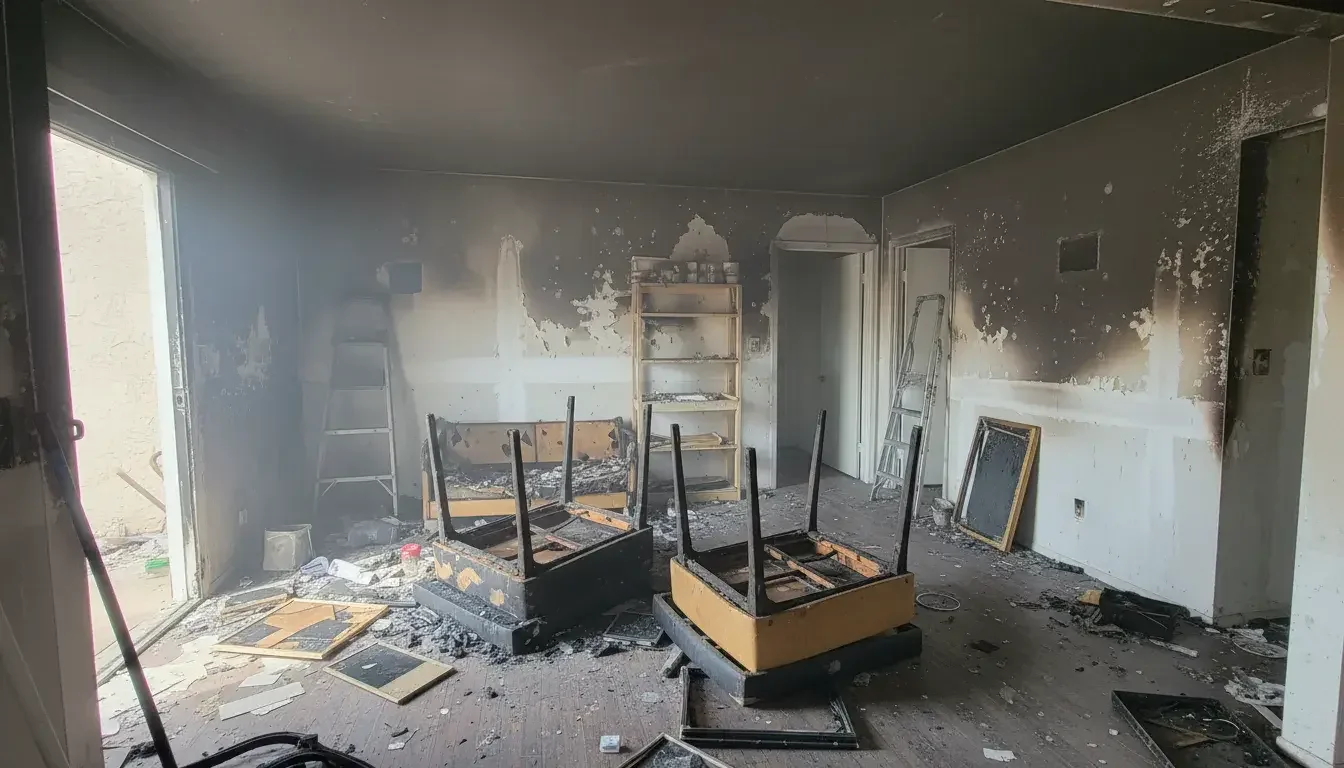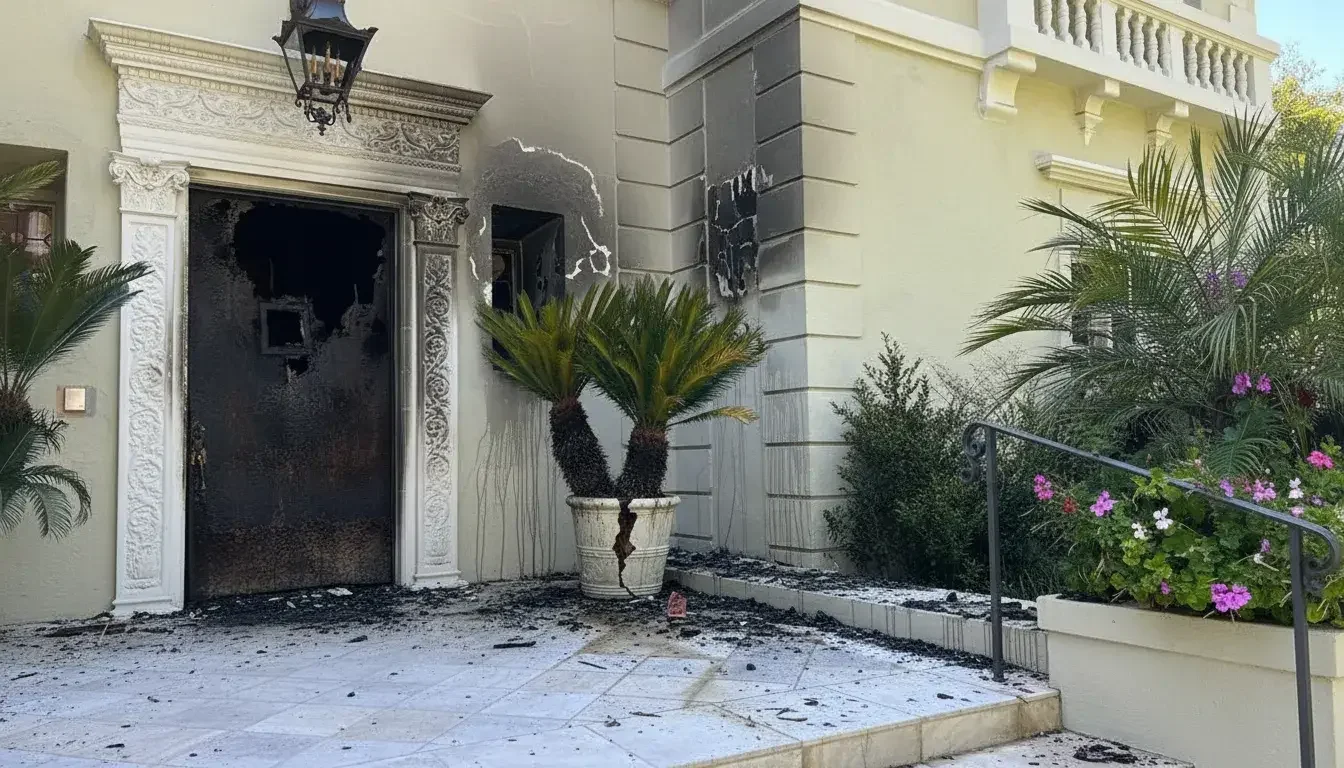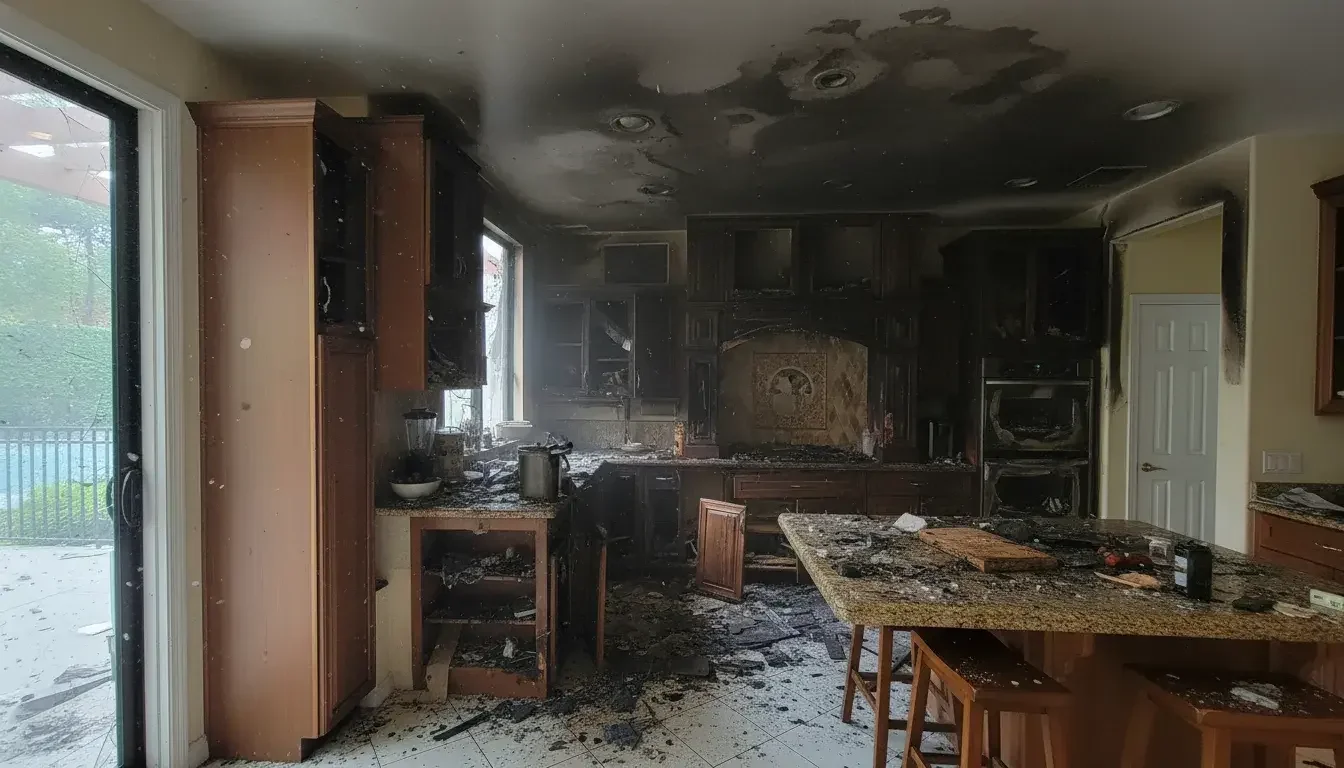
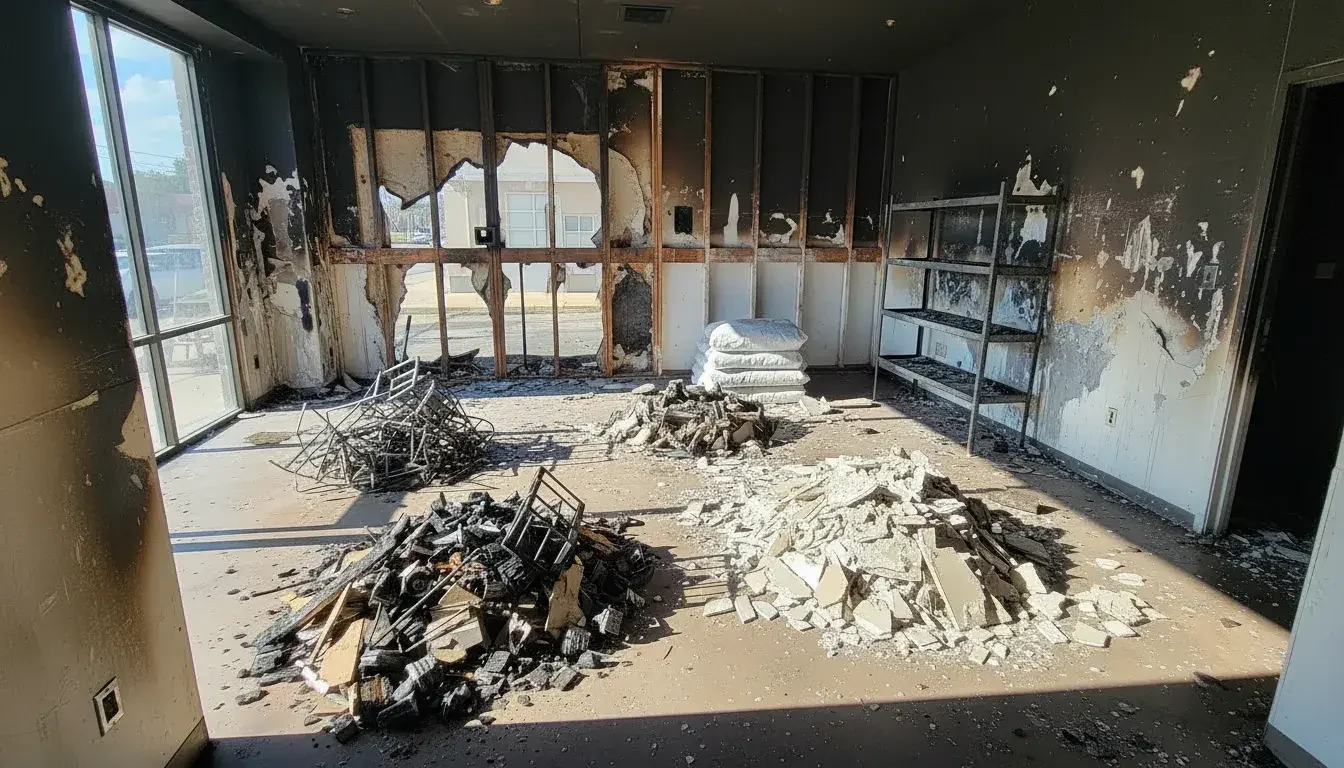
Fire damage restoration involves far more than repairing charred walls and replacing burned materials. One of the most insidious and frequently underestimated threats following a fire is soot accumulation throughout the property. In San Fernando Valley homes, soot particles settle on every surface, penetrate deep into porous materials, and contaminate air quality in ways that pose serious health risks to occupants. Understanding these dangers and recognizing why professional fire damage restoration is essential for soot removal can mean the difference between safe recovery and prolonged health complications.
Soot appears deceptively simple—fine black powder coating surfaces after a fire. However, this residue represents a complex mixture of carbon particles, chemicals, acids, and toxins created during combustion. The composition varies based on what burned, with modern homes containing synthetic materials that produce particularly hazardous soot when ignited. Plastics, upholstery, electronics, and treated wood all release toxic compounds during combustion, and these substances become embedded in the soot that settles throughout fire-damaged properties.
Yostin Water Damage & Restoration Inc has witnessed countless San Fernando Valley homeowners underestimate soot's health impact, believing simple cleaning or time will resolve the problem. This dangerous misconception leads families to reoccupy fire-damaged homes before proper smoke damage restoration is complete, exposing themselves to respiratory irritants, carcinogens, and toxic compounds. The invisible nature of many soot-related hazards makes professional fire damage assessment critical for identifying contamination extent and developing comprehensive cleanup strategies.
The immediacy with which soot creates health problems surprises many property owners. Within hours of exposure, sensitive individuals experience symptoms ranging from eye irritation and coughing to more severe respiratory distress. Prolonged exposure to improperly cleaned soot residues correlates with serious long-term health consequences, making emergency fire cleanup not just a property restoration priority but a critical health intervention. Recognizing soot as a genuine health hazard rather than merely an aesthetic nuisance fundamentally changes how fire damage recovery should be approached.
The Toxic Composition of Modern Soot Residues
Contemporary residential fires produce soot fundamentally different from what earlier generations encountered. Homes built and furnished decades ago contained primarily natural materials—wood, cotton, wool—that produced relatively simple carbon-based soot when burned. Today's residences contain petroleum-based plastics, synthetic fabrics, foam insulation, and chemically treated materials that release complex toxic compounds during combustion. The resulting soot contains heavy metals, volatile organic compounds, polycyclic aromatic hydrocarbons, and numerous other hazardous substances.
The chemical complexity of modern soot makes it particularly dangerous to human health. Polycyclic aromatic hydrocarbons (PAHs) are known carcinogens that readily attach to soot particles. When inhaled or absorbed through skin contact, these compounds accumulate in body tissues and increase cancer risk with continued exposure. Heavy metals like lead, arsenic, and chromium also concentrate in soot, especially when electronics, batteries, or treated wood burn. These metals cause neurological damage, organ dysfunction, and developmental problems, particularly in children.
Acidic compounds formed during combustion make soot chemically corrosive to both building materials and human tissues. Sulfur and nitrogen oxides combine with moisture to form acids that irritate respiratory passages, damage lung tissue, and exacerbate existing respiratory conditions. Yostin Water Damage & Restoration Inc emphasizes that fire restoration services must address not just visible soot but also the chemical residues it carries, requiring specialized cleaning agents and techniques beyond standard household cleaning products.
The particle size of soot creates additional health concerns. Fine particulate matter measures just 2.5 microns or smaller—approximately 30 times smaller than a human hair. These microscopic particles bypass natural respiratory defenses, penetrating deep into lungs and even entering the bloodstream. Once in circulation, soot particles trigger inflammatory responses throughout the body, affecting cardiovascular health, immune function, and multiple organ systems. This penetration capability makes even seemingly minor soot exposure potentially harmful, especially with repeated or prolonged contact.
Immediate Health Effects From Soot Exposure
The acute health impacts of soot exposure manifest quickly, often within the first hours or days following fire damage. Respiratory irritation tops the list of immediate symptoms, with occupants experiencing coughing, wheezing, throat irritation, and difficulty breathing. These symptoms result from soot particles irritating sensitive mucous membranes lining the respiratory tract. For individuals with pre-existing asthma or chronic obstructive pulmonary disease, even brief soot exposure can trigger serious exacerbations requiring medical intervention.
Eye irritation represents another common immediate effect of soot exposure. The fine particles and acidic compounds in soot cause burning sensations, excessive tearing, redness, and blurred vision. Contact lens wearers experience particular discomfort as soot particles become trapped between lenses and eyes. What begins as irritation can progress to conjunctivitis or corneal damage if soot exposure continues without proper fire damage repair Reseda properties require.
Skin reactions develop surprisingly quickly when soot contacts exposed skin. The acidic nature and chemical composition of modern soot causes rashes, itching, and chemical burns, particularly on sensitive skin. Children and individuals with skin conditions like eczema experience amplified reactions. The black staining visible on skin after soot contact represents only the surface problem—absorption of toxic compounds through skin introduces hazardous substances directly into the body.
Headaches, dizziness, and nausea frequently occur in soot-contaminated environments, even when visible smoke has cleared. These symptoms result from inhaling volatile organic compounds that off-gas from soot deposits. The enclosed nature of fire-damaged homes concentrates these vapors, creating indoor air quality conditions incompatible with safe occupancy. Yostin Water Damage & Restoration Inc conducts air quality testing during fire damage assessment to quantify contamination levels and establish safe reoccupancy criteria.
Long-Term Health Consequences of Prolonged Soot Exposure
While immediate symptoms resolve once soot exposure ends, prolonged contact creates cumulative health effects that may not manifest for months or years. Chronic respiratory problems represent the most common long-term consequence of inadequate smoke damage restoration. Repeated irritation damages respiratory tissues, reducing lung capacity and increasing susceptibility to respiratory infections. Individuals exposed to soot over extended periods show higher rates of chronic bronchitis, emphysema, and asthma development.
The carcinogenic compounds in soot create cancer risk that accumulates with exposure duration and intensity. PAHs and other combustion byproducts damage cellular DNA, potentially initiating cancerous changes. While single brief exposures carry minimal cancer risk, living in improperly cleaned fire-damaged homes creates sustained exposure that significantly elevates risk. Lung cancer represents the primary concern, though soot exposure has also been linked to bladder, skin, and other cancers.
Cardiovascular effects of soot exposure extend beyond respiratory impacts. Fine particulate matter triggers systemic inflammation that affects blood vessel function, increases blood pressure, and promotes arterial plaque formation. Studies have demonstrated correlation between fine particulate exposure and increased heart attack and stroke risk. For San Fernando Valley residents with existing cardiovascular disease, soot exposure in fire-damaged homes represents a serious health threat that emergency fire cleanup must address promptly.
Neurological impacts represent an emerging area of concern regarding soot exposure. Heavy metals and certain organic compounds in soot are neurotoxic, meaning they damage nervous system function. Children face particular vulnerability, as developing nervous systems are more susceptible to toxin damage. Cognitive impairment, behavioral changes, and developmental delays have been documented in children with elevated heavy metal exposure, underscoring why families with children should prioritize comprehensive Reseda fire damage restoration before reoccupancy.
Vulnerable Populations at Greatest Risk
Certain groups face disproportionate health risks from soot exposure following fire damage. Children's developing respiratory and nervous systems, combined with their higher breathing rates relative to body size, result in greater soot intake per pound of body weight compared to adults. Their tendency to play on floors where soot accumulates and put hands in mouths increases exposure through ingestion and dermal absorption. Yostin Water Damage & Restoration Inc strongly advises that families with children delay reoccupancy until fire restoration services confirm thorough soot remediation.
Elderly individuals represent another high-risk group, particularly those with pre-existing respiratory or cardiovascular conditions. Age-related decline in lung function reduces resilience against respiratory irritants. Compromised immune systems make infections more likely and more serious. Cardiovascular fragility means the inflammatory effects of soot exposure pose greater risks for heart attacks and strokes. These vulnerabilities make professional smoke odor removal and complete soot elimination essential before elderly residents return to fire-damaged properties.
Individuals with asthma, chronic obstructive pulmonary disease, or other respiratory conditions experience dramatically amplified symptoms from soot exposure. What might cause minor irritation in healthy individuals can trigger life-threatening respiratory distress in those with compromised lung function. Similarly, people with suppressed immune systems—whether from disease, medication, or medical treatment—face heightened infection risk in soot-contaminated environments where air quality is degraded.
Pregnant women require special consideration regarding soot exposure. The developing fetus is vulnerable to toxic compounds that cross the placental barrier. Heavy metals, PAHs, and other soot constituents have been associated with developmental abnormalities, low birth weight, and pregnancy complications. The fire damage recovery timeline must account for pregnancy, with expectant mothers avoiding fire-damaged properties until certified safe through professional testing and remediation verification.
The Mechanism of Respiratory Damage From Soot Particles
Understanding how soot damages respiratory systems helps explain why professional fire damage restoration is medically necessary rather than cosmetically motivated. When inhaled, larger soot particles irritate upper respiratory passages—the nose, throat, and larger airways. The body's defense mechanisms—mucus production, coughing, sneezing—attempt to expel these particles. However, repeated exposure overwhelms these defenses, causing chronic inflammation that damages delicate respiratory tissues.
Fine particulate matter bypasses upper respiratory defenses, penetrating deep into the lungs' alveoli—tiny air sacs where oxygen exchange occurs. Here, particles trigger inflammatory responses that can cause permanent tissue damage. Alveolar walls thicken and scar, reducing the lungs' ability to transfer oxygen to blood. This process, called pulmonary fibrosis, progressively diminishes lung capacity and cannot be reversed once established. Prevention through complete soot removal represents the only effective strategy.
The chemical components of soot amplify physical particle damage. Acidic residues burn respiratory tissues, creating lesions that become infection entry points. PAHs and other carcinogens initiate cellular changes that may eventually become cancerous. Volatile organic compounds cause additional irritation and systemic effects when absorbed into the bloodstream through lung tissue. Yostin Water Damage & Restoration Inc approaches fire repair experts requiring understanding of these medical mechanisms, not just building restoration techniques.
Soot's hygroscopic properties—its tendency to absorb moisture—create additional problems in respiratory passages. Particles absorb moisture from mucous membranes, causing drying and irritation. Simultaneously, soot deposits in homes absorb atmospheric moisture, creating humid conditions that support mold growth. The combination of chemical irritation, physical particle damage, and secondary microbial contamination creates a multifaceted threat to respiratory health that demands comprehensive professional remediation.
Hidden Soot Contamination Beyond Visible Surfaces
Property owners confronting fire damage often focus on obviously soot-stained surfaces—walls, ceilings, and furniture bearing visible black deposits. However, soot's fine particulate nature means contamination extends far beyond visible staining. HVAC systems circulate soot throughout properties, depositing particles in every room regardless of fire proximity. Air currents carry particles into closets, cabinets, and other enclosed spaces. Porous materials absorb soot deep into their structure, beyond surface cleaning reach.
Ductwork represents one of the most problematic hidden soot reservoirs. When fires occur, soot enters HVAC systems and coats duct interiors. Subsequently operating heating or cooling systems redistribute this contamination, continuously reintroducing soot particles into living spaces even after visible surfaces are cleaned. Professional smoke damage restoration includes comprehensive duct cleaning or replacement, ensuring air circulation systems don't perpetuate contamination.
Insulation materials—whether in attics, walls, or crawl spaces—absorb and retain soot particles. These materials cannot be effectively cleaned; contaminated insulation requires removal and replacement. Attempting to save contaminated insulation by leaving it in place guarantees ongoing odor problems and continued toxic exposure as soot particles slowly release from the material. Yostin Water Damage & Restoration Inc conducts thorough inspections to identify all contaminated materials requiring replacement rather than cleaning.
Electronics and appliances require special attention during fire damage assessment. Soot infiltrates internal components, coating circuitry and mechanical parts. Beyond creating operational problems, this internal contamination continues releasing odors and potentially toxic vapors. Some items can be professionally cleaned, while others require replacement. Amateur cleaning attempts often drive soot deeper into devices or spread contamination, making professional evaluation essential.
The Persistent Problem of Smoke Odor and Its Health Implications
Smoke odor represents more than an unpleasant smell—it indicates ongoing chemical exposure to volatile organic compounds released from soot deposits. The characteristic acrid smell persisting after visible cleanup indicates incomplete soot removal and continued health hazard. Many property owners mistakenly believe odor is purely aesthetic, not recognizing that smell molecules are actual chemical compounds entering the body with each breath.
The complexity of smoke odor makes it remarkably difficult to eliminate without professional intervention. Odor molecules penetrate porous materials—wood, drywall, fabrics, concrete—embedding deep within their structure. Surface cleaning doesn't reach these embedded molecules, which continue releasing odors indefinitely. Thermal fogging, ozone treatment, and specialized sealants represent professional smoke odor removal techniques that address contamination at the molecular level, something air fresheners and home cleaning cannot achieve.
Attempting to mask smoke odor with air fresheners or deodorizers creates additional health hazards rather than solving the underlying problem. Layering fragrances over smoke odor doesn't eliminate toxic compounds; it simply adds more chemicals to contaminated air. Some masking products contain their own volatile organic compounds that contribute to poor indoor air quality. The only effective approach involves removing the source of odor through comprehensive fire restoration services.
Persistent smoke odor affects mental health and quality of life beyond physical health impacts. The constant unpleasant smell creates stress, interferes with sleep, triggers nausea, and causes headaches. Occupants cannot fully relax in their homes when every breath reminds them of fire trauma. This psychological burden compounds the emotional difficulty of fire recovery, underscoring why complete odor elimination through professional fire damage repair Reseda specialists provide proves essential for true restoration.
Professional Assessment and Testing Protocols
Comprehensive fire damage assessment goes far beyond visual inspection, incorporating scientific testing that reveals contamination invisible to the naked eye. Air quality testing measures particulate concentrations and identifies specific volatile organic compounds present. Surface sampling detects heavy metal contamination and quantifies chemical residues. These objective measurements establish contamination baselines, guide remediation strategies, and ultimately verify cleanup effectiveness through post-remediation testing.
Thermal imaging technology reveals hidden moisture that often accompanies fire damage, particularly when water and fire damage occur together during firefighting efforts. Moisture creates environments where contamination becomes even more problematic, supporting mold growth and increasing chemical off-gassing. Identifying all moisture sources ensures drying efforts target every affected area, preventing secondary contamination that would compound soot-related health risks.
Yostin Water Damage & Restoration Inc utilizes sophisticated testing equipment that provides quantifiable data rather than subjective assessments. Particle counters measure airborne soot concentrations in different size ranges, establishing whether particulate levels have returned to safe ranges after cleanup. Chemical analysis identifies specific compounds requiring targeted remediation approaches. This scientific rigor ensures emergency fire cleanup achieves actual safety rather than merely appearing clean.
Documentation from professional testing serves multiple purposes beyond guiding remediation. Insurance claims often require objective evidence of contamination extent and cleanup necessity. Health concerns may necessitate medical documentation of exposure levels. Future property transactions require disclosure of fire history and remediation completeness. Comprehensive professional testing creates records protecting all parties' interests while ensuring thorough fire damage recovery.
Specialized Cleaning Techniques for Soot Removal
Soot's chemical composition and fine particle size demand specialized cleaning approaches that differ fundamentally from routine housekeeping. Dry chemical sponges designed specifically for soot removal lift particles from surfaces without smearing or driving contamination deeper. HEPA vacuuming captures fine particles that standard vacuums would simply recirculate. Chemical cleaners formulated for soot neutralize acids while dissolving organic residues that water alone cannot address.
The cleaning sequence matters tremendously in soot remediation. Beginning with improper techniques—such as wet cleaning before dry particle removal—can permanently stain surfaces by setting soot into porous materials. Professional fire repair experts follow systematic protocols: HEPA vacuuming removes loose particles, dry sponging addresses surface deposits, chemical cleaning neutralizes residues, and sealing prevents remaining contamination from continuing to off-gas. Skipping steps or reversing sequence often makes complete cleanup impossible.
Pressurized cleaning systems remove soot from textured surfaces where manual cleaning proves ineffective. Soda blasting, dry ice blasting, and other media blasting techniques clean masonry, concrete, and structural components without introducing additional moisture or chemicals. These technologies preserve salvageable materials while achieving decontamination impossible through conventional methods. Yostin Water Damage & Restoration Inc maintains advanced equipment ensuring the most effective cleaning approaches are available for every material type and contamination level.
Restoration versus replacement decisions require careful evaluation balancing salvageability against contamination risk. Heavily contaminated porous materials—drywall, insulation, carpeting—typically require removal rather than cleaning. Hard surfaces like metal, glass, and tile usually respond well to professional cleaning. Semi-porous materials require case-by-case assessment based on contamination severity and material value. Making optimal decisions requires both technical expertise and experience with long-term outcomes of various approaches.
Employee Perspective: Witnessing Health Transformation Through Proper Fire Damage Restoration
A dedicated technician at Yostin Water Damage & Restoration Inc recalls a profoundly moving project that illustrated why thorough soot remediation matters so critically for human health. The family had attempted to clean their fire-damaged San Fernando Valley home themselves, believing they could save money by handling the work personally. After several weeks of effort, they moved back in despite persistent smoke odor and visible soot in corners and crevices. Within days, their youngest child—a seven-year-old boy with mild asthma—began experiencing severe respiratory distress requiring emergency room visits.
When the family finally contacted professional fire restoration services, the assessment revealed extensive hidden contamination their amateur cleaning had missed entirely. Soot coated ductwork, penetrated wall cavities, and saturated insulation throughout the home. The air quality testing showed particulate levels and volatile organic compound concentrations far exceeding safe thresholds. Seeing the parents' devastation—knowing they'd unknowingly exposed their children to serious health hazards while trying to do their best—was heartbreaking.
The comprehensive remediation took two weeks, involving complete duct replacement, insulation removal, professional cleaning of every surface, and meticulous air quality verification. When the family returned after receiving clearance that the home was truly safe, the transformation was remarkable. The child's respiratory symptoms resolved within days. The mother cried tears of relief and gratitude, expressing how guilty she'd felt about her son's suffering and how grateful she was that their home was finally truly clean. Witnessing that family's journey from illness to health reinforced that this work isn't just about buildings—it's about protecting the wellbeing of the people who live in them. That experience remains a powerful reminder of why thorough professional fire damage restoration makes such a profound difference in people's lives.
The Economic False Economy of DIY Soot Cleanup
Many property owners, faced with fire damage restoration costs, consider attempting soot cleanup themselves. While this approach appears to save money initially, it virtually always proves more expensive long-term while exposing families to serious health risks. Inadequate cleanup guarantees persistent odors, ongoing health problems, and eventually necessitates professional remediation anyway—after extended contamination exposure and often with more extensive damage from inappropriate cleaning attempts.
The specialized equipment required for effective soot remediation represents significant investment beyond typical homeowner resources. HEPA vacuums, air scrubbers, moisture meters, personal protective equipment, chemical cleaning agents, and containment materials all contribute to professional effectiveness. Renting equipment without expertise in proper use rarely achieves satisfactory results. Amateur cleaning attempts often spread contamination, drive soot deeper into materials, or cause additional damage through inappropriate product use.
Health consequences of inadequate soot cleanup create costs far exceeding professional restoration expenses. Medical treatment for respiratory problems, skin reactions, and other soot-related health issues quickly accumulates. Lost work and school time during illness adds indirect costs. Long-term health impacts carry both financial and quality-of-life costs impossible to quantify but undeniably significant. Yostin Water Damage & Restoration Inc views professional Reseda fire damage restoration not as an expense but as an essential health investment protecting families from far greater costs.
Insurance considerations also favor professional restoration. Policies typically cover professional fire damage restoration but may deny claims for damage resulting from improper cleanup attempts. Amateur efforts that spread contamination or cause additional damage can void coverage for those consequences. Professional documentation of appropriate remediation protects insurance coverage while ensuring work meets industry standards and achieves actual safety rather than merely appearing clean.
The Critical Timeline for Soot Remediation
Time works against property owners following fire damage. Soot's acidic nature means it actively damages surfaces, etching glass, corroding metals, and discoloring materials with each passing hour. Immediate emergency fire cleanup prevents these chemical reactions from causing permanent damage to salvageable items. Delays of even days can transform cleanable situations into total losses, particularly for sensitive materials like electronics, photographs, and important documents.
Health risks escalate with delayed remediation. Each day occupants spend in soot-contaminated environments accumulates toxic exposure. Respiratory irritation becomes chronic inflammation. Chemical absorption increases. The difference between minor temporary symptoms and serious long-term health consequences often relates directly to exposure duration. Prioritizing rapid professional intervention protects health while also limiting property damage progression.
The 24-48 hour window following fire damage represents the critical period for intervention. During this time, soot remains more removable, chemical reactions haven't yet caused permanent damage, and contamination hasn't deeply penetrated materials. Yostin Water Damage & Restoration Inc operates emergency response services specifically because this narrow window determines restoration success. Delays beyond this period exponentially increase both difficulty and cost of achieving complete cleanup.
Seasonal factors influence soot remediation urgency. Summer heat accelerates chemical reactions and increases off-gassing of volatile compounds from soot deposits. Winter heating systems circulate contamination if not properly cleaned first. Humidity affects how soot interacts with materials and influences mold growth risk in areas where fire damage recovery involves moisture from firefighting. Regardless of season, immediate professional response provides optimal outcomes while delayed action always worsens situations.
Preventing Cross-Contamination During Fire Damage Restoration
Soot's fine particulate nature makes preventing its spread during cleanup critically important. Without proper containment, remediation activities disturb deposits and create airborne clouds that contaminate previously unaffected areas. Professional fire restoration services establish containment barriers using plastic sheeting and create negative air pressure with HEPA-filtered air scrubbers. These measures prevent cleanup from inadvertently spreading the problem rather than solving it.
Personal protective equipment protects restoration technicians while also preventing them from carrying contamination to clean areas. Disposable coveralls, gloves, and respiratory protection are changed when moving between contaminated and clean zones. Shoe covers prevent tracking soot on footwear. These protocols, standard in professional fire damage repair Reseda specialists provide, are often overlooked in amateur cleanup attempts, resulting in contamination spread throughout properties.
Proper disposal of contaminated materials requires careful handling that prevents soot release during removal. Double-bagging materials, sealing containers, and following hazardous waste protocols ensure removed contamination doesn't spread during transport. Attempting to dispose of soot-saturated materials through regular trash collection without proper containment creates neighborhood air quality issues and may violate waste disposal regulations.
Work area isolation extends beyond physical barriers to include HVAC system management. Shutting down air handling systems prevents contamination circulation during active remediation. Installing temporary filtration on return air vents prevents particle infiltration into ductwork. These details separate professional smoke damage restoration from amateur attempts that often spread contamination while believing they're cleaning.
Long-Term Indoor Air Quality Monitoring and Maintenance
Even after successful professional fire damage restoration, maintaining awareness of indoor air quality helps ensure ongoing safety. Portable air quality monitors detect particulate matter, volatile organic compounds, and other indicators of contamination. While not replacing professional testing, these devices provide ongoing reassurance that remediation achieved lasting results and alert occupants to any emerging problems.
HVAC system maintenance takes on increased importance following fire damage. Regular filter changes using high-efficiency filters capture any residual fine particles. Annual duct inspection ensures no hidden contamination reservoirs remain. System upgrades to include better filtration or air purification provide additional protection, particularly valuable for occupants with respiratory sensitivities or compromised immune systems.
Yostin Water Damage & Restoration Inc often establishes follow-up inspection schedules with clients following major fire restoration services. These periodic assessments verify that remediation achieved lasting results and catch any emerging issues before they become problems. This ongoing relationship reflects understanding that restoration creates the foundation for safety, but continued vigilance maintains it.
Educated occupants become partners in maintaining healthy indoor environments. Understanding that persistent odors warrant investigation, recognizing that water intrusions require immediate attention, and knowing when professional assessment is needed empower property owners to protect their investments and health. Education complements professional remediation, creating informed stewards capable of maintaining the safe conditions restoration establishes.
The Importance of Certified Restoration Professionals
Industry certifications demonstrate restoration professionals' commitment to maintaining current knowledge and following best practices. Organizations like the Institute of Inspection, Cleaning and Restoration Certification (IICRC) establish standards for fire damage recovery and certify technicians meeting those standards. Choosing certified professionals ensures work follows recognized protocols designed to achieve both property restoration and occupant safety.
Experience with diverse fire scenarios builds the judgment necessary for optimal decision-making. Knowing when materials can be salvaged versus when removal is necessary, recognizing subtle contamination indicators, and anticipating how situations will evolve without intervention all develop through years of varied projects. Yostin Water Damage & Restoration Inc maintains teams with extensive field experience complementing formal training and certification.
Equipment investment distinguishes professional restoration companies from general contractors or cleaning services. Specialized tools for fire damage assessment, soot removal, odor elimination, and air quality testing represent significant capital commitment. This equipment, combined with expertise in its proper use, enables outcomes impossible through conventional approaches. Attempting fire damage restoration without appropriate tools guarantees incomplete results regardless of effort invested.
Insurance relationships benefit property owners working with established restoration companies. Insurers recognize reputable professionals and trust their assessments and documentation. This relationship facilitates claim processing and approval, reducing stress for property owners during already difficult circumstances. The coordination between restoration professionals and insurance adjusters ensures appropriate work receives coverage while preventing disputes over scope or necessity.
Building Resilience: Fire Prevention and Preparedness
While this discussion focuses on health risks following fire damage, preventing fires altogether represents the ultimate protection. Working smoke detectors on every level of homes provide early warning that saves lives and limits damage. Regular inspection and maintenance of electrical systems, heating equipment, and appliances prevent many fire causes. Safe practices around cooking, candles, and smoking eliminate common ignition sources.
Fire extinguishers appropriate for different fire types provide first-line defense for small fires before they escalate. Understanding how to use extinguishers and when evacuation is the safer choice represents essential knowledge for all household members. Fire escape planning and practice ensure everyone knows how to exit safely, prioritizing life safety over property protection.
Documentation and inventory of possessions aids recovery if fire does occur. Photographs, videos, and written inventories stored off-site or in cloud storage facilitate insurance claims and help families remember what was lost. Fireproof safes protect essential documents, though evacuation should never be delayed to retrieve possessions.
Understanding that fire damage restoration requires professional expertise helps families respond appropriately if disaster strikes. Yostin Water Damage & Restoration Inc encourages San Fernando Valley residents to research restoration services before needing them, establishing relationships that enable rapid response if fire occurs. This preparedness transforms crisis response from panicked reaction to informed action, improving outcomes while reducing stress during already traumatic circumstances.
Moving Forward: From Contamination to Clean, Healthy Living
The health risks posed by soot buildup in fire-damaged homes are serious, diverse, and often underestimated. From immediate respiratory irritation to long-term cancer risk, from visible surface contamination to hidden reservoirs in ductwork and insulation, soot creates multilayered threats demanding professional remediation. Understanding these dangers transforms fire damage restoration from optional cosmetic work into essential health intervention.
The specialized knowledge, equipment, and techniques required for effective soot remediation place comprehensive cleanup beyond amateur capability. While the investment in professional fire restoration services represents significant expense, it proves far more economical than inadequate remediation that necessitates repeated attempts while exposing occupants to ongoing health risks. The false economy of DIY approaches becomes apparent only after health consequences emerge and re-remediation becomes unavoidable.
San Fernando Valley families confronting fire damage deserve restoration partners who understand both the technical requirements of thorough soot cleanup and the health stakes involved. Choosing professionals with demonstrated expertise in smoke damage restoration, commitment to comprehensive protocols, and reputation for achieving verified safe outcomes ensures optimal results. Certifications, experience, proper equipment, and established insurance relationships all indicate providers capable of delivering true restoration rather than superficial cleaning.
The journey from fire-damaged, soot-contaminated property to clean, healthy home requires patience, investment, and trust in professional expertise. However, this challenging path leads to genuine safety and restoration of quality of life. With proper fire damage restoration addressing all contamination—visible and hidden, immediate and long-term—families can return to homes that are truly safe rather than merely appearing clean. That difference matters profoundly for health, wellbeing, and peace of mind as families rebuild their lives after fire trauma.