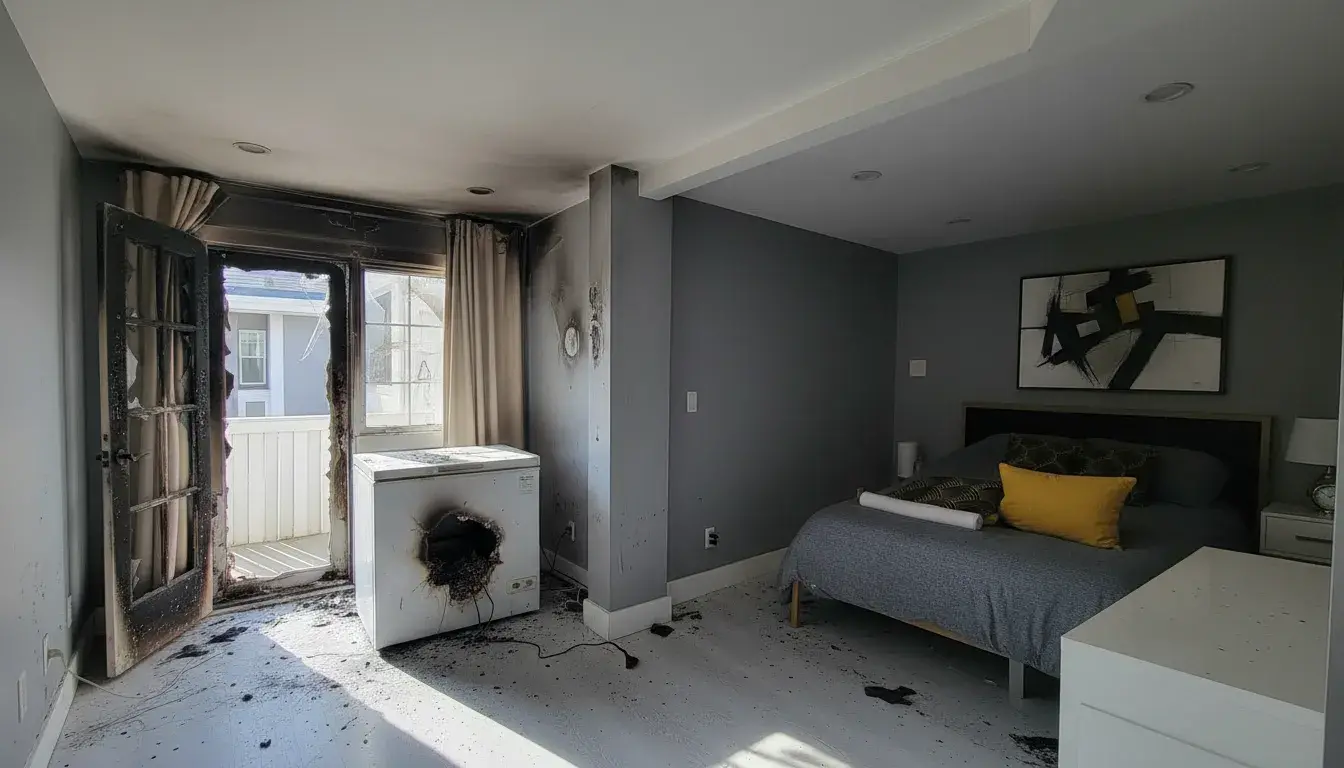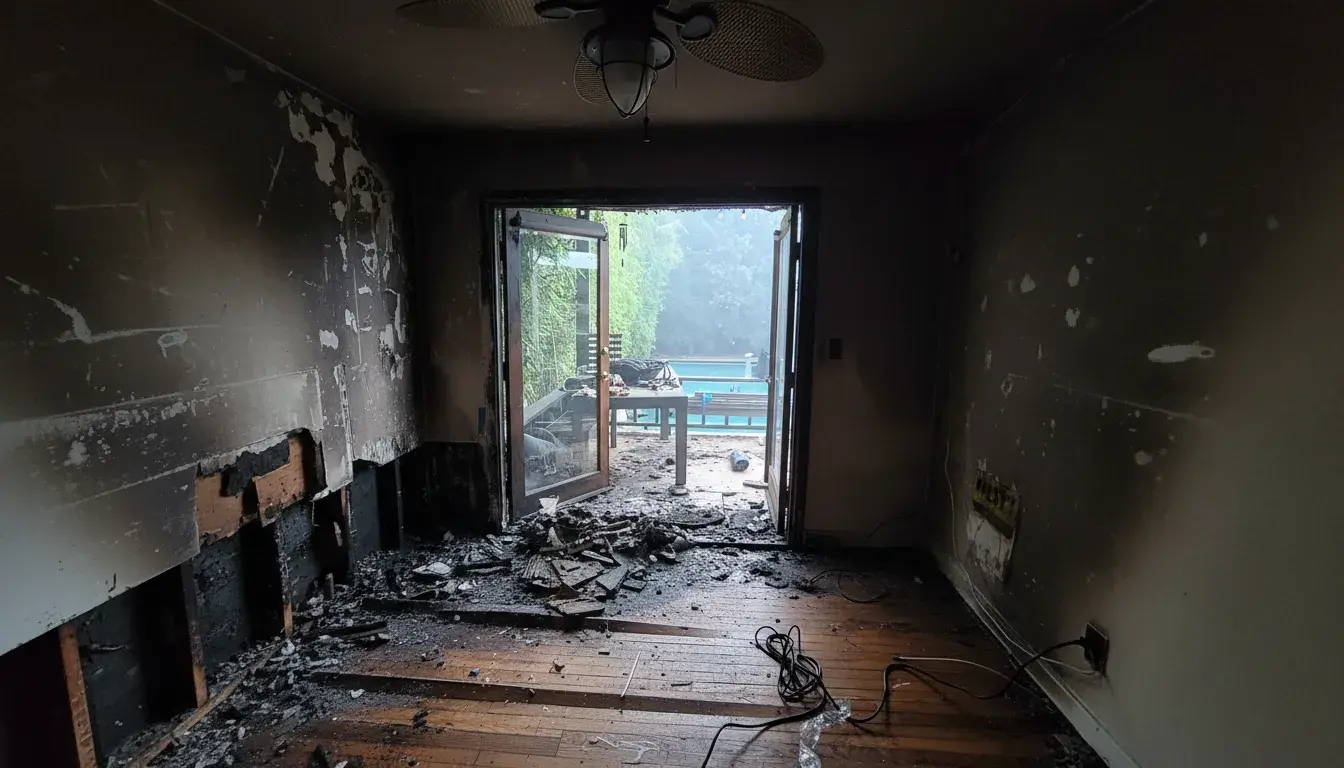
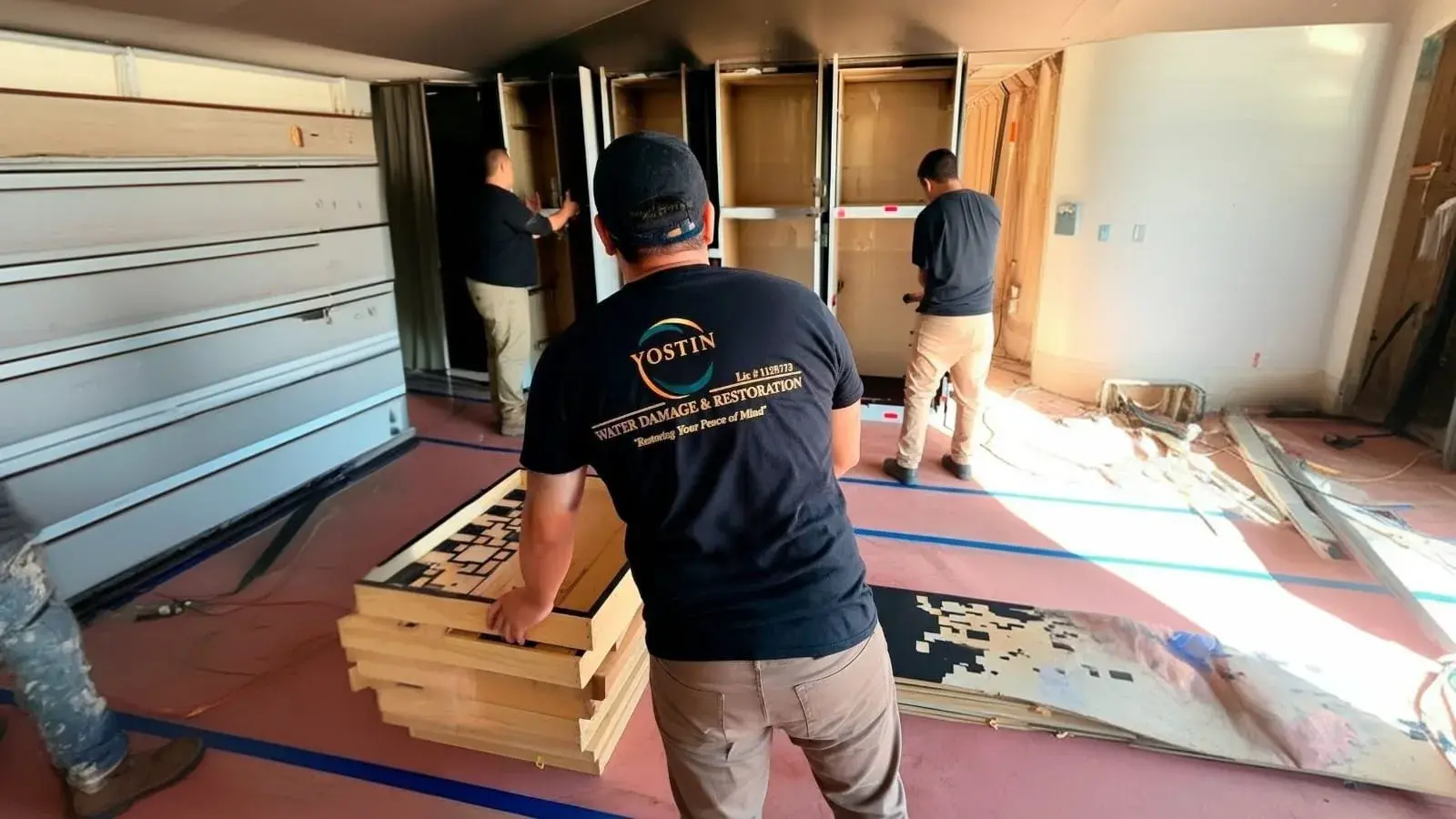
When disaster strikes and flames ravage a property, the aftermath extends far beyond visible destruction. Fire damage restoration involves navigating a complex landscape of local, state, and federal regulations designed to protect property owners, workers, and communities. Understanding these compliance requirements is essential for anyone facing the challenging journey of fire damage recovery in Reseda and throughout California.
The regulatory framework governing fire restoration services encompasses building codes, environmental protections, health and safety standards, and licensing requirements that directly impact how professionals approach smoke damage restoration and emergency fire cleanup. Property owners who work with qualified fire repair experts benefit from teams that understand these intricate legal requirements and implement them throughout every phase of restoration work.
Understanding California's Regulatory Framework for Fire Damage Restoration
California maintains some of the most comprehensive building and safety regulations in the nation, particularly concerning fire damage repair Reseda projects and similar restoration efforts. The state's approach reflects lessons learned from decades of wildfires, earthquakes, and urban fires that have shaped construction standards and restoration practices.
The California Building Standards Code, commonly known as Title 24, establishes baseline requirements for all construction and reconstruction activities, including those related to fire damage restoration. These standards address structural integrity, fire resistance, energy efficiency, and accessibility considerations that must be incorporated when rebuilding fire-damaged structures. Yostin Water Damage & Restoration Inc adheres to these comprehensive standards while helping property owners navigate the restoration process with expertise and care.
Beyond building codes, California's environmental regulations significantly impact how fire restoration services handle debris removal, hazardous material disposal, and water runoff management. The California Environmental Quality Act (CEQA) may apply to larger restoration projects, requiring environmental impact assessments before major reconstruction begins. Understanding when these requirements apply separates experienced professionals from those unfamiliar with the state's regulatory landscape.
Local municipalities, including those in the San Fernando Valley where Reseda is located, often implement additional requirements that supplement state regulations. These local ordinances may address noise restrictions during reconstruction, permit timelines, inspection schedules, and specific fire-resistant building materials required in certain zones. Navigating this multi-layered regulatory environment requires knowledge, experience, and attention to detail.
Licensing and Certification Requirements for Fire Restoration Professionals
California law mandates specific licensing for contractors performing fire damage repair Reseda work and similar restoration services throughout the state. The Contractors State License Board (CSLB) oversees licensing requirements, ensuring that professionals possess the necessary skills, knowledge, and financial responsibility to complete restoration projects safely and effectively.
General contractors handling fire damage restoration typically need a Class B license, while specialists focusing on specific aspects like electrical, plumbing, or HVAC systems require additional specialty licenses. Yostin Water Damage & Restoration Inc maintains appropriate licensing and works with properly credentialed subcontractors to ensure all restoration work meets legal requirements and industry standards.
Beyond basic contractor licensing, fire restoration services professionals often pursue certifications from industry organizations like the Institute of Inspection, Cleaning and Restoration Certification (IICRC). While not legally required in California, these certifications demonstrate advanced knowledge in smoke damage restoration, water extraction, structural drying, and other specialized skills essential to comprehensive fire damage recovery.
Insurance requirements represent another crucial compliance area. California law requires contractors to carry adequate liability insurance and workers' compensation coverage. These protections safeguard property owners from financial liability if accidents occur during restoration work and ensure workers receive appropriate care if injured on the job.
Permit Requirements and Inspection Protocols
Nearly all fire damage repair Reseda projects require building permits from local authorities. The permit process serves multiple purposes: ensuring work meets code requirements, creating official records of property modifications, and scheduling mandatory inspections that verify compliance at critical construction phases.
The Los Angeles County Department of Public Works and local building departments issue permits for various restoration activities. Structural repairs, electrical system work, plumbing modifications, HVAC installations, and roofing projects each typically require separate permits. Yostin Water Damage & Restoration Inc coordinates this permitting process, preparing necessary documentation and scheduling inspections to keep projects moving forward efficiently.
Inspection schedules vary based on the scope of fire restoration services required. Foundation and framing inspections occur during early construction phases, while electrical, mechanical, and plumbing inspections happen as these systems are installed. Final inspections verify that all work complies with approved plans and applicable codes before occupancy permits are issued.
Property owners should understand that unpermitted work can create serious complications. Beyond potential fines and legal issues, unpermitted fire damage restoration may affect property values, complicate future sales, and create insurance coverage disputes. Working with professionals who prioritize proper permitting protects long-term property interests.
Environmental Compliance in Fire Damage Restoration
The environmental dimensions of fire damage restoration extend well beyond simple cleanup. California's strict environmental regulations govern how professionals handle asbestos, lead paint, hazardous chemicals, and other dangerous materials commonly encountered in fire-damaged structures, particularly older buildings.
The California Department of Toxic Substances Control (DTSC) regulates hazardous waste management, including materials generated during smoke damage restoration and demolition activities. Fire-damaged buildings often contain compromised materials that must be tested, handled, and disposed of according to specific protocols. Asbestos-containing materials, when heated or damaged by fire, become friable and pose serious health risks if disturbed improperly.
Lead-based paint, common in homes built before 1978, requires special handling during fire damage repair Reseda projects. The California Department of Public Health enforces lead-safe work practices, requiring specific training, containment measures, and cleanup procedures when working with lead-contaminated materials. Violations can result in significant fines and potential criminal penalties.
Air quality management represents another critical environmental consideration. The South Coast Air Quality Management District (SCAQMD) regulates emissions and dust control during construction and demolition activities. Fire restoration services must implement dust suppression measures, properly contain work areas, and minimize airborne particulates that could affect neighbors and surrounding communities.
Water discharge regulations also impact fire damage restoration activities, particularly when emergency fire cleanup involves significant water usage. Storm water runoff contaminated with ash, chemicals, or debris must be managed according to National Pollutant Discharge Elimination System (NPDES) requirements. Yostin Water Damage & Restoration Inc implements proper containment and filtration systems to prevent environmental contamination during restoration work.
Health and Safety Standards Protecting Workers and Occupants
The California Division of Occupational Safety and Health (Cal/OSHA) establishes comprehensive safety standards that fire repair experts must follow to protect workers and building occupants. These regulations address respiratory protection, fall prevention, electrical safety, hazardous material handling, and numerous other workplace safety concerns relevant to fire damage recovery.
Respiratory protection becomes particularly important during smoke odor removal and cleanup activities. Soot particles, chemical residues, and airborne contaminants created by fires pose serious health risks. Cal/OSHA requires specific respiratory equipment, fit testing, and medical evaluations for workers exposed to these hazards. Proper respiratory protection isn't optional—it's a legal requirement backed by enforcement actions and penalties for non-compliance.
Structural stability assessments represent another crucial safety consideration. Fire-damaged buildings may have compromised structural elements that aren't immediately visible. Before beginning interior fire restoration services, qualified professionals must evaluate structural integrity and implement shoring or bracing as needed to prevent collapses that could injure workers or further damage the property.
Electrical safety protocols are especially critical in fire-damaged structures. Compromised wiring systems create electrocution and fire re-ignition risks. Licensed electricians must assess electrical systems before restoration work begins, and power should remain disconnected until qualified professionals verify system safety. These precautions protect workers and prevent additional damage to already compromised properties.
Documentation requirements under Cal/OSHA regulations mandate detailed records of safety training, equipment inspections, hazard assessments, and incident reports. Yostin Water Damage & Restoration Inc maintains comprehensive safety documentation, demonstrating commitment to worker protection and regulatory compliance throughout every fire damage restoration project.
The emotional and psychological toll of fire damage extends beyond property loss. One experienced team member at Yostin Water Damage & Restoration Inc recalls a particularly moving restoration project involving a family who had lost their home in a devastating fire. "Walking through the charred remains with the homeowners was heartbreaking. Their wedding photos, their children's artwork, their grandmother's quilts—all reduced to ash. But watching their faces when we revealed the restored home months later reminded me why this work matters so deeply. The mother broke down in tears, not from sadness this time, but from overwhelming relief and gratitude. She kept saying, 'You gave us our home back. You gave us hope.' That moment reinforced that fire damage restoration isn't just about rebuilding structures—it's about restoring lives, memories, and futures. Every regulation we follow, every safety protocol we implement, every detail we perfect serves these families in their most vulnerable moments. That responsibility drives us to excellence every single day."
Insurance Coordination and Code Compliance Documentation
Insurance claims for water and fire damage involve complex interactions between property owners, insurance carriers, and restoration contractors. California insurance regulations establish specific requirements for how carriers must handle claims, including timelines for inspections, payment obligations, and dispute resolution procedures.
The California Department of Insurance oversees insurance company practices, ensuring fair treatment of policyholders. Property owners experiencing Reseda fire damage should understand their rights under these regulations, including the right to choose their own restoration contractor and the right to fair claim settlements based on actual replacement costs rather than depreciated values.
Code compliance documentation plays a crucial role in insurance claims. Detailed records of permits obtained, inspections passed, and code-compliant materials used support claim validity and help prevent disputes over payment amounts. Fire restoration services that prioritize thorough documentation protect property owners' financial interests and streamline the insurance settlement process.
Fire damage assessment reports prepared by qualified professionals provide essential documentation for insurance purposes. These assessments detail the extent of structural damage, smoke damage restoration requirements, and necessary repairs with cost estimates. Insurance adjusters rely on these professional assessments when determining claim settlements, making the quality and thoroughness of documentation critically important.
Specialty Requirements for Historic Properties and Special Structures
Historic buildings in Reseda and throughout California face additional regulatory requirements when undergoing fire damage repair. The California Office of Historic Preservation, local historic preservation commissions, and federal regulations governing properties listed on the National Register of Historic Places all may apply to restoration work.
These regulations typically require restoration methods that preserve historic character while incorporating necessary safety improvements. Materials, construction techniques, and architectural details must align with the Secretary of the Interior's Standards for Rehabilitation when federal tax credits or historic designations are involved. Yostin Water Damage & Restoration Inc has experience navigating these specialized requirements, balancing preservation goals with modern safety standards.
Multi-family residential buildings and commercial properties face distinct regulatory requirements compared to single-family homes. California's fire and life safety codes impose more stringent standards for these occupancies, including fire sprinkler systems, emergency egress requirements, fire-rated assemblies, and accessibility features mandated by the Americans with Disabilities Act (ADA).
Temporary housing regulations may apply when fire damage displaces residents from multi-family properties. California's tenant protection laws establish requirements for relocation assistance, rent control during repairs, and timelines for restoration completion. Property owners must understand these obligations to avoid legal complications while undertaking emergency fire cleanup and restoration.
Energy Efficiency and Green Building Requirements
California's ambitious climate goals have resulted in increasingly stringent energy efficiency requirements incorporated into building codes. Title 24, Part 6 (Energy Efficiency Standards) establishes requirements that often apply to fire damage restoration projects, particularly when substantial reconstruction occurs.
These energy standards affect insulation levels, window specifications, HVAC system efficiencies, lighting fixtures, and water heating equipment. While some fire restoration services may qualify for exemptions under the code's repair provisions, many projects trigger requirements for energy-efficient upgrades, particularly when replacing damaged building systems.
California's CALGreen code (Title 24, Part 11) adds voluntary and mandatory green building provisions affecting construction waste management, indoor air quality, water conservation, and material selections. Many jurisdictions within Los Angeles County have adopted mandatory CALGreen provisions that exceed the state's baseline requirements, impacting how fire repair experts approach restoration projects.
Yostin Water Damage & Restoration Inc stays current with evolving energy and green building standards, incorporating sustainable practices and energy-efficient solutions that benefit property owners through reduced operating costs while meeting all applicable regulatory requirements for fire damage restoration work.
Timeline Compliance and Occupancy Restrictions
California law doesn't establish universal timelines for completing fire damage repair Reseda projects, but various regulations create practical time constraints. Building permit expiration dates, insurance claim deadlines, tenant relocation requirements, and code compliance deadlines all influence restoration schedules.
Building permits typically expire if work isn't substantially completed within specific timeframes, often 180 days to one year depending on local jurisdiction. Extensions are usually available, but permit lapses can complicate projects and require reapplication with updated plans and fees. Efficient project management becomes essential to maintaining permit validity and avoiding unnecessary delays.
Occupancy restrictions during restoration protect building inhabitants from safety hazards and exposure to harmful substances. California's habitability standards for rental properties, combined with safety codes governing construction sites, generally prohibit occupancy until restoration work is complete and final inspections are passed. Property owners must plan accordingly for alternative housing during the smoke damage restoration process.
Some jurisdictions have implemented rapid rebuilding programs following major fire events, streamlining permitting and inspection processes to accelerate recovery. These programs may offer expedited permit review, fee waivers, or relaxed timeline requirements for fire damage recovery following declared emergencies. Yostin Water Damage & Restoration Inc stays informed about these programs to help property owners maximize available resources and support.
The interplay between fire damage restoration and regulatory compliance underscores the importance of working with experienced, knowledgeable professionals who understand California's complex legal landscape. Property owners facing the overwhelming challenge of fire damage recovery need partners who can navigate permits, codes, environmental regulations, safety standards, and insurance requirements while delivering quality restoration work.
Yostin Water Damage & Restoration Inc brings comprehensive regulatory knowledge to every fire restoration services project, ensuring work meets all applicable standards while protecting property owners' interests. This expertise extends beyond simply following rules—it encompasses understanding how regulations interact, anticipating compliance challenges, and implementing best practices that exceed minimum requirements.
The evolving nature of building codes and environmental regulations means compliance isn't static. Regular code updates, new environmental standards, and changing enforcement priorities require ongoing education and adaptation. Restoration professionals must stay current with these changes to provide accurate guidance and compliant work.
Quality fire damage restoration balances multiple competing priorities: restoring properties quickly to minimize disruption, controlling costs to maximize insurance settlements and property owner resources, maintaining highest safety standards to protect workers and occupants, preserving architectural character while incorporating modern improvements, and ensuring complete regulatory compliance to avoid legal complications. Successfully navigating these competing demands requires experience, knowledge, and commitment to excellence.
Property owners selecting fire repair experts should verify licensing status through the Contractors State License Board website, confirm insurance coverage including general liability and workers' compensation, request references from recent fire damage restoration projects, inquire about safety programs and Cal/OSHA compliance records, and discuss the contractor's approach to permitting and code compliance. These verification steps help identify qualified professionals capable of delivering compliant, quality restoration work.
The financial implications of regulatory compliance extend throughout fire damage restoration projects. Permit fees, inspection costs, engineering reports, environmental testing, hazardous material abatement, and code-required upgrades all contribute to total project expenses. However, these compliance costs represent essential investments that protect property values, ensure occupant safety, and prevent future legal complications.
Cutting corners on regulatory compliance creates serious risks. Unpermitted work can void insurance coverage, trigger stop-work orders that delay completion, result in fines and penalties, require expensive corrective work to bring projects into compliance, and complicate property sales or refinancing. The short-term savings from avoiding proper procedures pale in comparison to potential long-term consequences.
California's regulatory framework for smoke odor removal and comprehensive fire damage restoration ultimately serves important public interests: protecting occupant health and safety, preserving environmental quality, ensuring structural integrity, maintaining neighborhood character and property values, and establishing accountability through licensing and insurance requirements. While navigating these regulations adds complexity to restoration projects, the framework provides essential protections for communities recovering from fire damage.
Property owners undertaking fire damage restoration in Reseda benefit from California's strong regulatory environment when working with compliant, experienced professionals. The oversight and standards established by state and local regulations help ensure quality work, protect financial investments, and support safe, successful recovery from devastating fire events. Yostin Water Damage & Restoration Inc exemplifies the professional approach necessary to meet these regulatory challenges while delivering exceptional restoration outcomes that help families and businesses rebuild their lives after fire damage.
Understanding key regulations affecting Reseda fire damage projects empowers property owners to make informed decisions, ask appropriate questions, and select qualified professionals for this critical work. While the regulatory landscape may seem overwhelming, experienced fire restoration services providers guide property owners through each requirement, handling compliance details while keeping projects moving toward successful completion. This partnership approach—combining property owner advocacy with regulatory expertise—produces optimal results in even the most challenging fire damage restoration scenarios.
The commitment to regulatory compliance demonstrated by reputable restoration contractors extends beyond legal obligations. It reflects professional ethics, respect for community standards, and dedication to protecting everyone affected by fire damage restoration projects. When property owners choose Yostin Water Damage & Restoration Inc for emergency fire cleanup and comprehensive restoration services, they partner with professionals who view compliance not as a burden but as a foundation for excellence in every aspect of fire damage recovery work.