When disaster strikes and flames ravage a property, the aftermath presents homeowners with overwhelming challenges that extend far beyond the visible destruction. The process of fire damage restoration involves not only rebuilding what was lost but also properly managing the hazardous materials and debris left behind. Understanding the specific regulations governing fire debris disposal in Reseda is critical for property owners navigating the difficult recovery period following a fire emergency.
The complexities of post-fire cleanup demand attention to local, state, and federal guidelines that protect both public health and environmental safety. Homeowners facing the daunting task of fire damage recovery must navigate a labyrinth of requirements while simultaneously dealing with the emotional trauma of losing their possessions and the security of their home. Proper debris disposal represents a crucial component of the overall fire restoration services timeline, directly impacting how quickly families can return to normalcy.
Understanding What Constitutes Fire Debris and Hazardous Materials
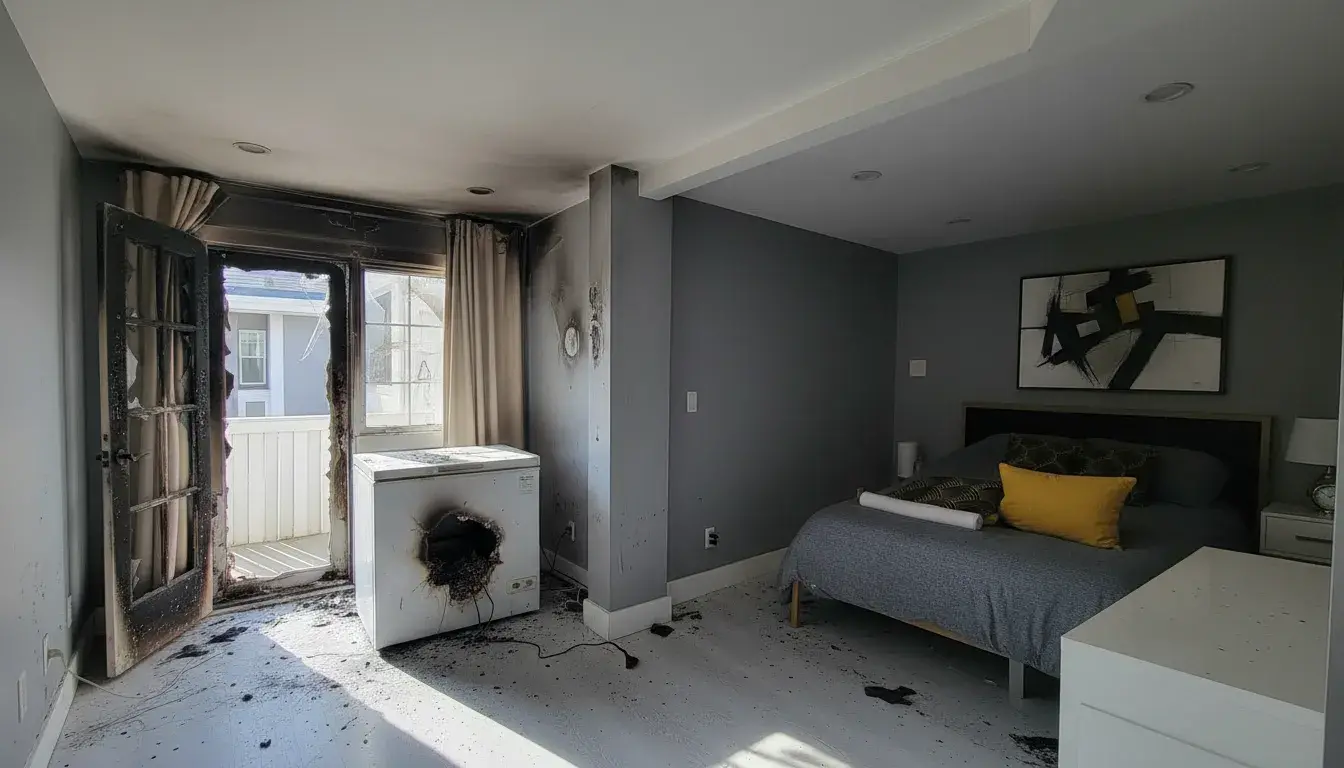
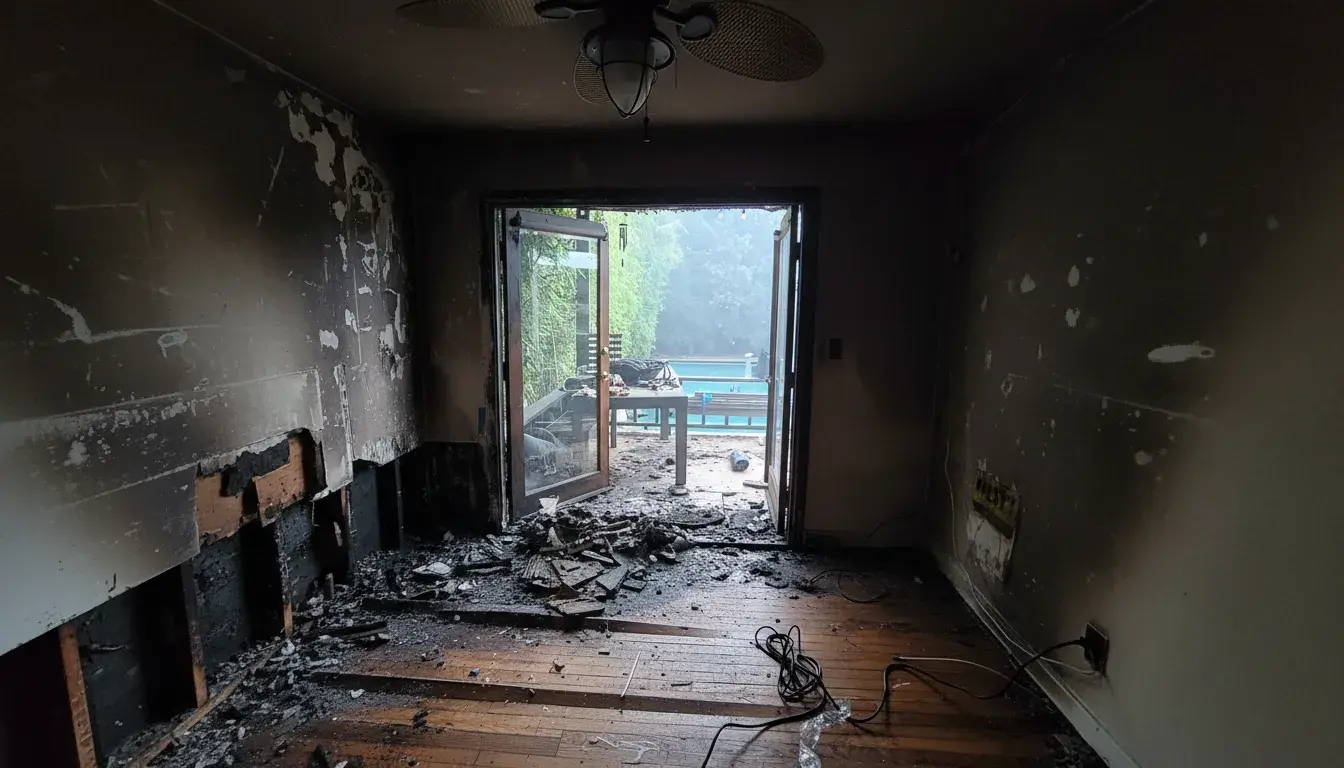
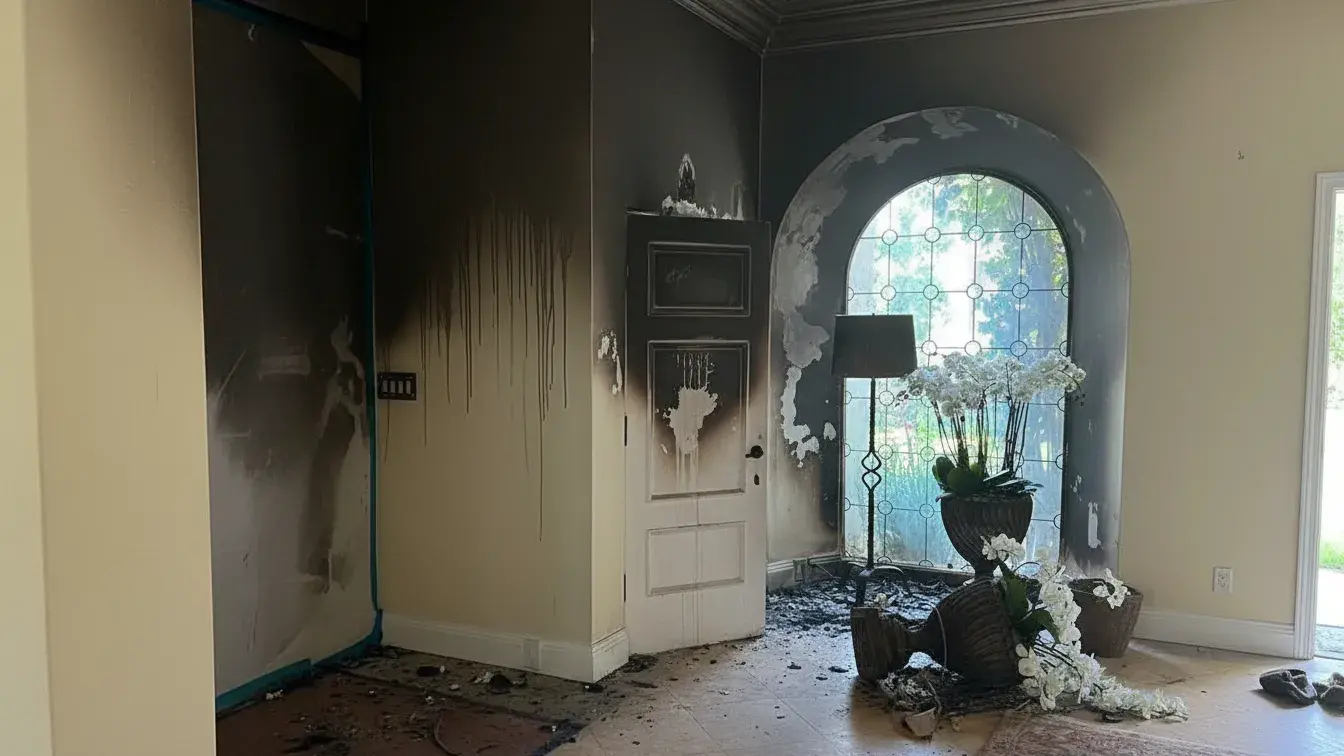
The remnants of a structure fire contain far more than simple ash and charred wood. Fire damage restoration professionals recognize that post-fire debris includes a dangerous mixture of materials that require specialized handling. Burned plastics release toxic compounds, damaged electronics contain heavy metals, and compromised building materials may include asbestos or lead-based substances that were previously sealed within walls and ceilings.
Reseda fire damage scenarios often involve complex debris fields that include compromised roofing materials, damaged drywall, insulation saturated with water from firefighting efforts, and personal belongings that have been rendered unsalvageable. The smoke damage restoration process reveals layers of contamination that penetrate deep into porous materials, creating health hazards that persist long after the flames are extinguished. Water and fire damage frequently combine to produce mold growth, adding another layer of biological hazards to the disposal equation.
Understanding the classification of fire debris helps homeowners recognize why professional fire repair experts emphasize following proper disposal protocols. Hazardous materials require documented handling procedures, specific transportation methods, and disposal at certified facilities equipped to manage toxic waste. Non-hazardous debris, while less dangerous, still demands proper sorting and disposal to comply with municipal regulations and environmental protection standards.
Sorting and Categorizing Debris for Proper Disposal
The fire damage assessment process conducted by qualified professionals includes detailed categorization of debris into distinct classifications. Emergency fire cleanup teams work methodically to separate salvageable materials from those requiring disposal, while simultaneously identifying items that need special handling due to contamination or toxic properties. This systematic approach ensures compliance with disposal regulations while maximizing the recovery of valuable possessions.
Structural debris typically includes burned lumber, damaged drywall, compromised roofing materials, and destroyed fixtures. These materials require separation based on composition, with metal components directed to recycling facilities when possible and treated wood sent to appropriate disposal sites. The presence of fire retardants, preservatives, or other chemical treatments determines the specific disposal pathway for many building materials.
Personal property damaged beyond repair presents its own disposal challenges. Electronics contain circuit boards with hazardous components requiring e-waste recycling protocols. Furniture treated with flame retardants or containing synthetic materials releases toxic compounds when burned and demands careful handling during removal. Textiles contaminated with smoke damage restoration chemicals or soot penetration typically cannot be salvaged and require proper disposal to prevent secondary contamination.
Yostin Water Damage & Restoration Inc works extensively with Reseda homeowners to develop comprehensive debris management plans that address every category of fire-damaged materials. Their systematic approach ensures nothing is overlooked during the sorting process, preventing regulatory violations and potential fines associated with improper disposal practices.
Local Regulations Governing Fire Debris Removal in Reseda
Reseda operates under Los Angeles County jurisdiction, which maintains strict protocols for fire debris disposal designed to protect public health and environmental quality. Homeowners must secure proper permits before beginning significant debris removal operations, with different permit requirements applying based on the scope of destruction and the types of materials involved in the fire damage restoration project.
The Los Angeles County Department of Public Works requires documentation of debris disposal methods, including manifests for hazardous waste transportation and certificates of disposal from receiving facilities. These records serve multiple purposes, including verification for insurance claims, compliance with environmental regulations, and protection against future liability should improperly disposed materials create contamination issues.
Time restrictions govern when debris can be transported through residential neighborhoods, with many municipalities prohibiting heavy truck traffic during certain hours to minimize disruption to communities. Loading operations must comply with dust control measures to prevent airborne particulates from spreading contamination to neighboring properties. Water suppression systems or chemical dust suppressants often represent required measures during debris removal from fire damage repair Reseda projects.
Specialized disposal requirements apply to specific materials commonly encountered during smoke damage restoration work. Asbestos-containing materials demand certified abatement contractors, sealed transportation containers, and disposal at facilities licensed to receive such hazardous waste. Lead-based paint debris requires similar specialized handling, with documentation chains tracking materials from removal through final disposal.
Container Requirements and Placement Restrictions
The physical logistics of debris removal involve securing appropriate containers that comply with municipal regulations while accommodating the specific types of materials being discarded. Roll-off dumpsters represent the most common solution for large-scale fire restoration services projects, but their placement and use face numerous restrictions designed to protect infrastructure and maintain neighborhood aesthetics during the recovery period.
Dumpster placement on public streets requires permits issued by the local public works department, with fees assessed based on container size and duration of placement. Containers cannot block traffic flow, impede emergency vehicle access, or create sight-line obstructions at intersections. Homeowners bear responsibility for ensuring proper placement and maintaining safety standards throughout the debris removal phase of fire damage recovery.
Weight limits govern how much material can be loaded into containers, with violations resulting in additional fees or refused pickup by waste management companies. Separation requirements often mandate different containers for distinct material types, particularly when hazardous and non-hazardous debris originates from the same fire damage restoration project. Overfilling containers or allowing debris to extend beyond container edges violates safety regulations and creates liability exposure.
Yostin Water Damage & Restoration Inc maintains comprehensive knowledge of container regulations throughout the Reseda service area, ensuring that debris management plans comply with all applicable requirements. Their experience coordinating with waste management companies and regulatory agencies streamlines the permit process while preventing costly delays in the emergency fire cleanup timeline.
Mandatory Documentation and Reporting Requirements
The bureaucratic aspects of fire damage restoration extend beyond the physical work of rebuilding, encompassing extensive documentation requirements that track debris from removal through final disposal. Homeowners must maintain detailed records that demonstrate compliance with environmental regulations, satisfy insurance company requirements, and protect against future liability claims related to improper waste management.
Photographic documentation of debris before removal provides essential evidence for insurance adjusters evaluating fire damage assessment reports and calculating appropriate settlement amounts. These images also establish baseline conditions that protect homeowners should questions arise later about the handling of specific materials or the extent of damage to particular areas of the property.
Manifests accompany hazardous materials throughout the transportation and disposal process, creating a legal chain of custody that assigns responsibility at each stage. These documents identify the generator of the waste, the transporter, and the receiving facility, with each party signing to acknowledge acceptance of materials and responsibility for proper handling. Manifests must be retained for periods ranging from three to thirty years depending on material classifications and regulatory frameworks.
Certificates of disposal issued by receiving facilities confirm that debris arrived at appropriate locations and underwent proper processing. These documents prove particularly valuable when insurance companies question disposal costs or regulatory agencies investigate environmental compliance. Fire repair experts emphasize retaining all disposal documentation as permanent records associated with the property.
The complexity of documentation requirements often overwhelms homeowners already struggling with the emotional and financial impacts of fire damage. Yostin Water Damage & Restoration Inc provides comprehensive documentation services as part of their fire restoration services, ensuring that every required form is completed accurately and all necessary permits are secured before work begins. Their systematic approach to paperwork prevents regulatory complications that could delay the recovery process.
Environmental Protection Standards During Debris Removal
California maintains some of the nation's strictest environmental protection regulations, with standards governing fire debris disposal designed to prevent soil contamination, water pollution, and air quality degradation. Homeowners bear legal responsibility for ensuring that debris removal operations comply with these requirements, regardless of whether they perform the work themselves or engage professional contractors for smoke damage restoration services.
Soil testing often becomes necessary when fire damage involves chemical storage areas, fuel tanks, or manufacturing operations that utilized hazardous materials. Contaminated soil requires excavation and disposal at facilities equipped to manage toxic waste, with documentation proving proper handling essential for regulatory compliance. Even residential fires can produce soil contamination requiring remediation when burning synthetic materials or treated building products release toxic compounds that leach into the ground.
Water runoff during debris removal operations must be controlled to prevent contaminated materials from entering storm drains or natural waterways. Berms, filters, or containment systems capture sediment and prevent debris particles from migrating off the property. Violations of water quality standards can result in substantial fines and orders requiring expensive remediation work to address environmental damage.
Air quality protection measures govern dust suppression during debris loading and transportation. Smoke odor removal processes that involve demolition work must incorporate water misting systems or chemical suppressants to prevent particulate matter from becoming airborne and affecting neighboring properties. The monitoring of air quality may be required for large-scale Reseda fire damage projects that involve extended demolition periods or significant volumes of contaminated materials.
Yostin Water Damage & Restoration Inc implements comprehensive environmental protection protocols on every fire damage restoration project, utilizing best management practices that exceed minimum regulatory requirements. Their investment in specialized equipment for dust suppression, water containment, and air quality monitoring demonstrates their commitment to protecting both client interests and community environmental health.
Insurance Coordination and Claims Documentation
The financial recovery from fire damage depends significantly on comprehensive documentation of debris disposal costs and compliance with insurance policy requirements. Most policies include specific provisions governing how debris must be handled, with coverage potentially denied if homeowners fail to follow prescribed procedures or document expenses adequately during the fire damage recovery process.
Itemized invoices detailing debris removal costs provide essential support for insurance claims, with separate line items for different material types, transportation expenses, disposal fees, and required permits. Photographic evidence of debris volume helps substantiate claimed quantities when adjusters question whether reported amounts align with the visible extent of damage. Weight tickets from disposal facilities offer objective verification of debris quantities that support insurance settlement negotiations.
Some insurance policies limit coverage for debris removal to specific percentages of total loss amounts or impose dollar caps that may not cover actual expenses for properties with extensive damage. Understanding these limitations before beginning debris disposal helps homeowners make informed decisions about which materials to prioritize for removal and whether additional coverage endorsements might be necessary for complete financial recovery.
Time restrictions often apply to debris removal coverage, with policies requiring completion within specified periods following the fire event. Delays in securing permits or scheduling container delivery can consume valuable time, potentially resulting in denial of coverage for expenses incurred beyond policy deadlines. Emergency fire cleanup services that respond rapidly help homeowners stay within these critical timeframes.
The professional fire damage assessment conducted by Yostin Water Damage & Restoration Inc includes detailed evaluation of insurance policy provisions affecting debris disposal coverage. Their experience working with diverse insurance carriers and policy types enables them to guide homeowners through the claims process while ensuring all documentation requirements are satisfied to maximize settlement amounts.
Professional Services Versus Self-Managed Debris Removal
Homeowners facing fire damage often contemplate whether to manage debris disposal themselves or engage professional fire restoration services to handle the complex process. While cost considerations naturally influence this decision, numerous factors beyond immediate expenses determine the most appropriate approach for specific situations and property conditions.
The physical demands of debris removal exceed what many property owners can safely accomplish, particularly when damage involves structural instability or hazardous material contamination. Compromised floors may not support the weight of workers and equipment, damaged walls could collapse during demolition activities, and weakened roof structures present fall hazards that require professional safety equipment and training to navigate safely. The risk of injury during amateur debris removal operations can transform an already difficult situation into a catastrophic personal emergency.
Specialized equipment necessary for efficient debris management typically exceeds what homeowners can access or afford to rent for short-term use. Industrial vacuums with HEPA filtration remove fine particulates that standard equipment cannot capture, protecting workers and preventing secondary contamination. Heavy machinery expedites debris loading and transportation, completing in hours what might require weeks of manual labor. Professional fire repair experts bring not only equipment but also the training to operate it safely within compromised structures.
Regulatory knowledge represents perhaps the most compelling argument for professional debris disposal management. The labyrinth of permits, manifests, disposal facility requirements, and documentation protocols overwhelms most property owners unfamiliar with environmental regulations and waste management systems. Mistakes in debris handling can result in fines that exceed the cost of professional services while creating legal liability that persists for years beyond the immediate recovery period.
Yostin Water Damage & Restoration Inc provides turnkey debris management services that relieve homeowners of the physical, logistical, and regulatory burdens associated with post-fire cleanup. Their comprehensive approach addresses every aspect of debris disposal while allowing property owners to focus on other critical recovery priorities such as securing temporary housing, coordinating with insurance adjusters, and planning reconstruction efforts.
One member of the Yostin Water Damage & Restoration Inc team recalls a particularly moving experience that illustrates the profound impact of professional fire damage restoration services on families struggling through their darkest hours. After arriving at a Reseda property where flames had consumed a young family's home, the crew encountered parents sitting on the curb with their three small children, staring at the smoldering ruins of everything they owned. The overwhelming devastation had paralyzed the family, leaving them unable to even begin processing what needed to happen next. Throughout the following weeks, the team worked tirelessly not just to remove debris and prepare the property for rebuilding, but to provide emotional support and guidance through every step of the recovery process. Watching those children return to play in their rebuilt home months later, their laughter echoing through rooms that had once been nothing but ash and char, reinforced why this work matters so deeply. That family's journey from despair to hope demonstrated that fire damage restoration represents far more than a construction project—it's about restoring lives, rebuilding dreams, and helping families rediscover the security and comfort that home represents. The gratitude expressed by those parents, their voices breaking with emotion as they thanked the crew for not just rebuilding their house but helping restore their faith in the possibility of recovery, remains one of the most powerful reminders of the privilege it is to serve families during their greatest time of need.
Timeline Expectations for Debris Removal Completion
The duration required for complete debris removal varies dramatically based on fire extent, property size, material types, and regulatory compliance requirements. Homeowners need realistic expectations about timeline to coordinate with insurance companies, temporary housing arrangements, and reconstruction contractors who cannot begin work until debris clearance is complete and the site is properly prepared.
Small residential fires affecting limited areas might allow debris removal completion within several days, particularly when damage involves only standard building materials without hazardous contamination. More extensive fires requiring asbestos abatement, lead paint removal, or soil remediation can extend the debris management phase to several weeks or even months before the property is ready for reconstruction to begin.
Permit processing times significantly impact project schedules, with some jurisdictions requiring weeks to review applications and conduct inspections before authorizing debris removal operations. Scheduling inspections with environmental health departments, building officials, and fire marshals adds additional time to the process, particularly during periods of high demand following natural disasters or multiple simultaneous fire events in the area.
Container availability and disposal facility capacity can create unexpected delays, especially when large-scale fires generate debris volumes exceeding normal waste management infrastructure capacity. Planning ahead and establishing relationships with multiple waste management companies provides flexibility when primary vendors cannot accommodate project timelines or specific material disposal requirements.
Yostin Water Damage & Restoration Inc develops detailed project schedules that account for every phase of the debris removal process, from initial permits through final disposal documentation. Their established relationships with regulatory agencies, waste management companies, and disposal facilities enable them to expedite processes that might otherwise extend project timelines significantly. This efficiency helps homeowners minimize temporary housing costs while accelerating the overall fire damage recovery timeline.
Special Considerations for Historic Properties and Unique Structures
Properties with historic designation or unique architectural features face additional regulatory requirements during fire damage restoration that complicate debris disposal planning. Historic preservation ordinances may require approval from preservation commissions before removing damaged materials, with mandates to salvage specific architectural elements for restoration or documentation purposes even when their structural integrity has been compromised.
Documentation requirements for historic properties typically exceed standard protocols, with photographic records, material samples, and architectural assessments necessary before debris removal can commence. These additional steps protect the historical record and ensure that reconstruction efforts can replicate original details, but they extend project timelines and increase complexity during an already challenging recovery period.
Specialized contractors with historic restoration experience often become necessary for proper handling of debris from designated properties, as standard demolition techniques may damage salvageable elements or violate preservation requirements. These specialists bring expertise in careful deconstruction methods that preserve architectural details while safely removing compromised structural components.
Environmental contamination concerns intensify with historic structures built before modern safety regulations prohibited hazardous building materials. Lead paint, asbestos insulation, and other toxic substances were standard construction materials in earlier eras, requiring extensive abatement work that significantly impacts debris disposal costs and timelines. The fire damage assessment process for historic properties must include comprehensive testing for these materials before removal operations begin.
Yostin Water Damage & Restoration Inc has extensive experience navigating the unique challenges of fire damage restoration for historic Reseda properties. Their collaborative approach involves working closely with preservation officials, specialized consultants, and historic restoration experts to ensure that debris disposal complies with all applicable requirements while preserving the character and historical integrity of these irreplaceable structures.
Post-Disposal Site Preparation and Environmental Certification
Once debris removal is complete, the property requires professional site preparation before reconstruction can begin. This phase involves more than simply clearing the lot; it encompasses soil testing, contamination remediation if necessary, and securing certifications that confirm the site meets environmental and safety standards for rebuilding efforts.
Environmental testing verifies that fire damage has not created soil or groundwater contamination requiring remediation before the property can be safely occupied. Even residential fires can produce toxic runoff that leaches into soil, particularly when flames consume vehicles, stored chemicals, or building materials containing hazardous substances. Testing protocols examine soil samples at various depths and locations across the property to identify contamination patterns and determine remediation requirements.
Site grading and drainage improvements often become necessary after debris removal exposes underlying soil conditions or reveals damage to original grading patterns. Proper surface water management prevents erosion, protects neighboring properties from runoff, and establishes the foundation for successful reconstruction. This preparatory work, while not directly related to smoke damage restoration, represents an essential component of the overall recovery process.
Utilities require inspection and testing before reconnection can be authorized, with damaged infrastructure often needing complete replacement rather than simple repairs. Gas lines, electrical systems, and water connections compromised by fire damage must meet current code requirements, which often exceed the standards that existed when the original structure was built. These upgrades, while costly, enhance safety and may reduce insurance premiums for the rebuilt property.
Yostin Water Damage & Restoration Inc coordinates comprehensive site preparation services that prepare properties for successful reconstruction. Their attention to environmental certification requirements, utility infrastructure needs, and grading considerations ensures that rebuilding efforts begin on a properly prepared foundation, preventing delays and complications that could extend the overall fire damage recovery timeline.
The journey from fire devastation to complete recovery demands attention to numerous complex requirements governing debris disposal, environmental protection, and regulatory compliance. Homeowners navigating this challenging process benefit tremendously from professional guidance that ensures every requirement is satisfied while minimizing the stress and burden of managing these details during an already difficult period.
Understanding fire debris disposal rules Reseda homeowners must follow after a fire represents just one component of the comprehensive fire damage restoration process, but it is a critical element that impacts timelines, costs, and the ultimate success of recovery efforts. Proper debris management protects public health, preserves environmental quality, satisfies insurance requirements, and establishes the foundation for successful rebuilding.
The expertise provided by Yostin Water Damage & Restoration Inc transforms an overwhelming regulatory maze into a manageable process with clear steps and realistic timelines. Their comprehensive approach to fire restoration services addresses every aspect of debris disposal while providing the emotional support and professional guidance that families need during their recovery journey. Through careful attention to regulatory requirements, environmental protection standards, and insurance documentation needs, they ensure that the path from devastation to recovery proceeds as smoothly as possible despite the inevitable challenges that fire damage presents.