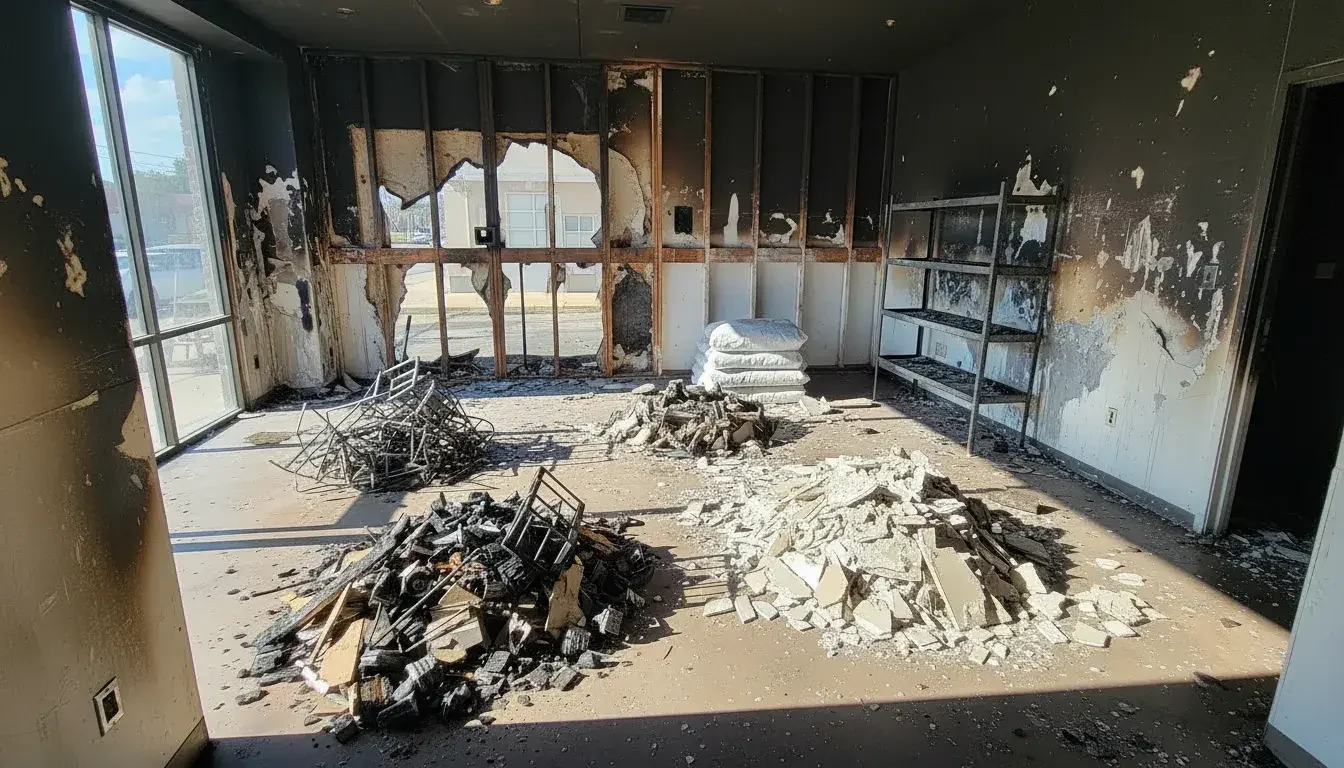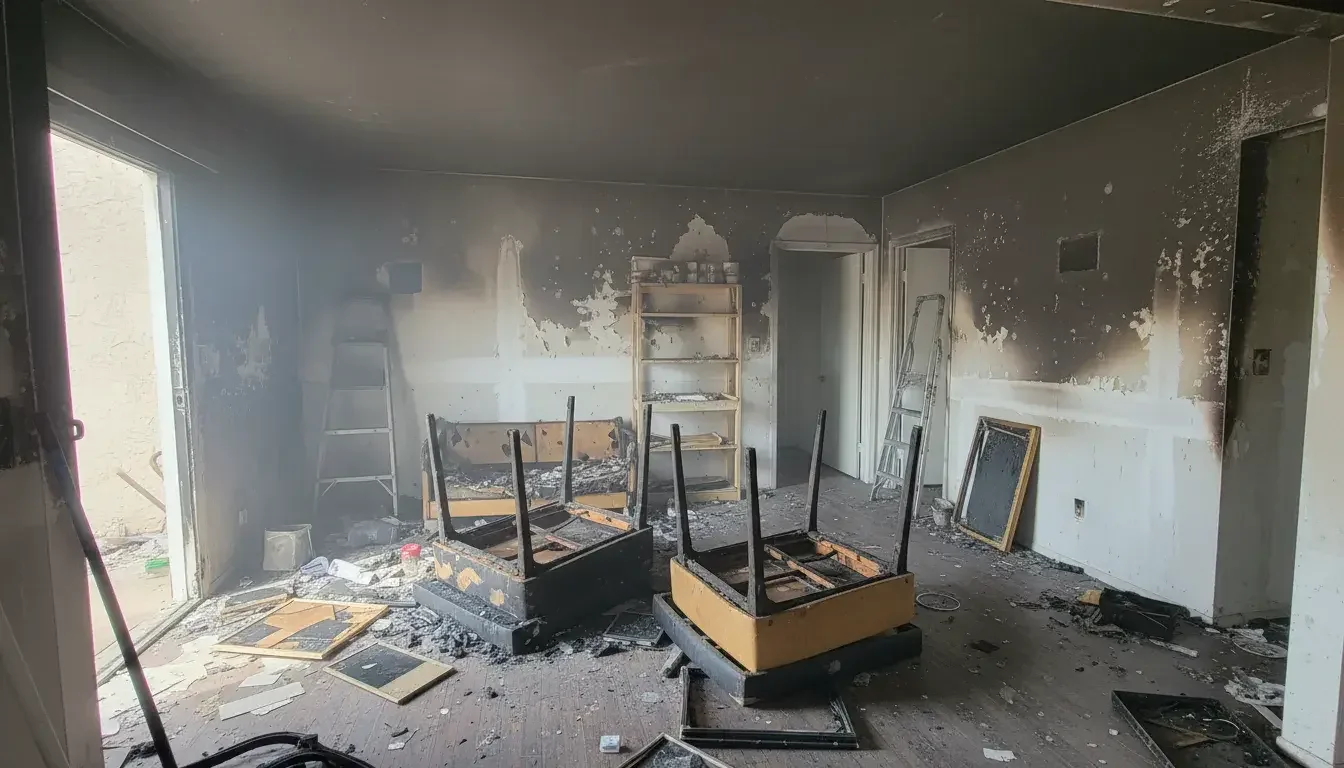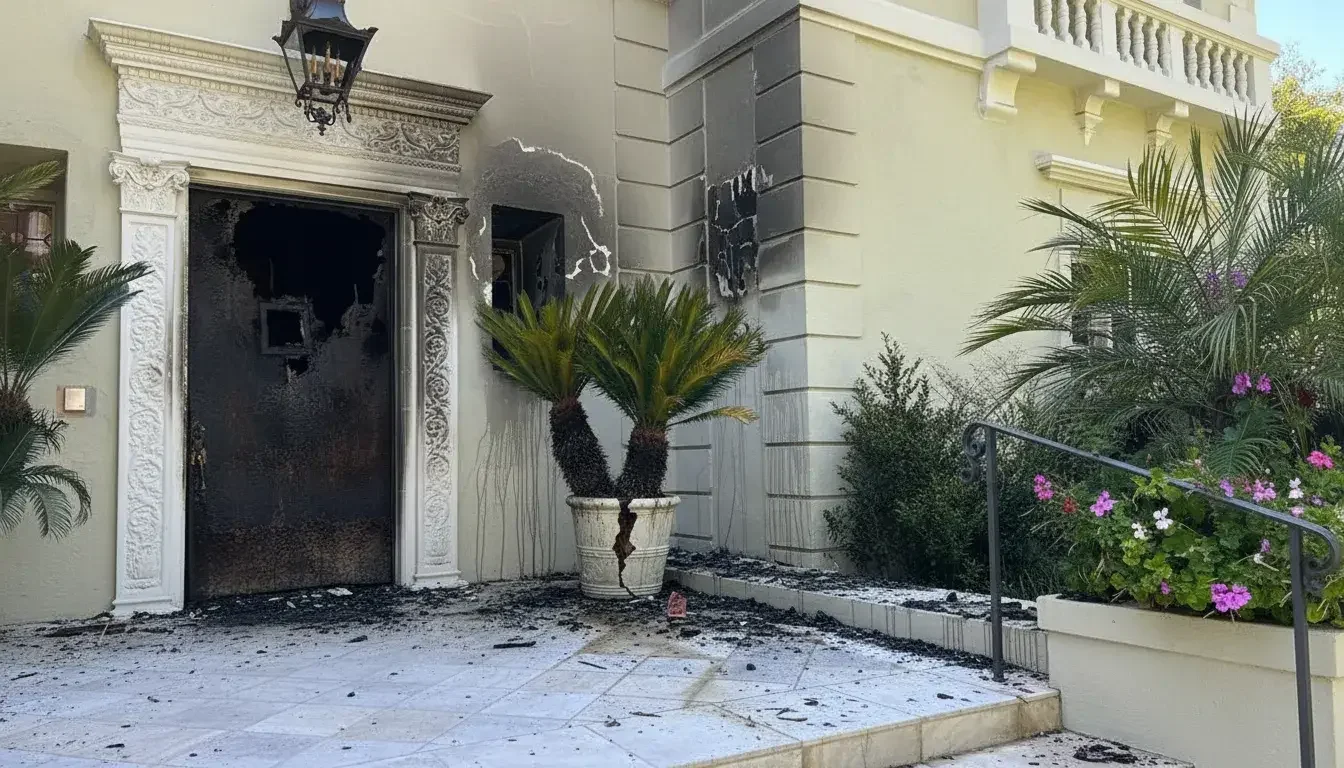
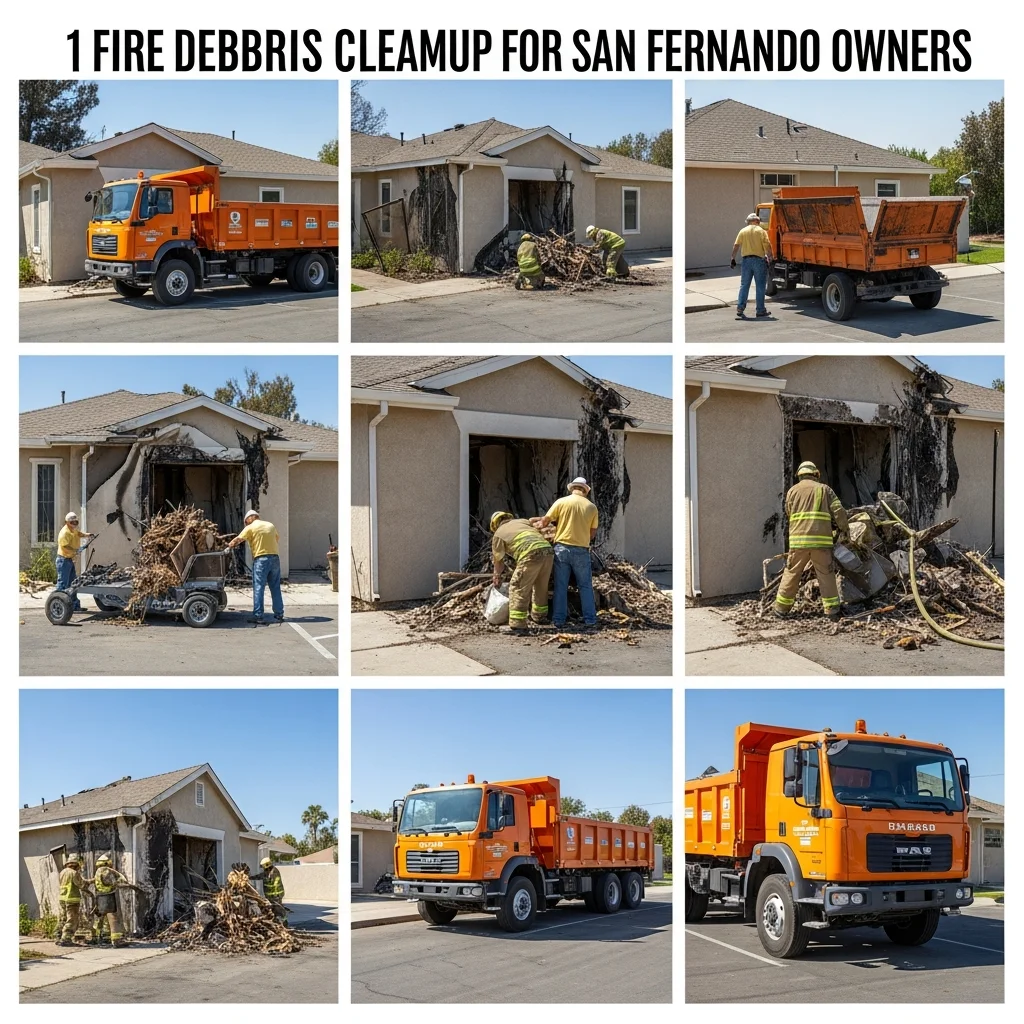
Experiencing a fire in your property can be one of the most traumatic events a homeowner faces. Beyond the immediate dangers of flames and smoke, the aftermath requires careful management to ensure safety and compliance with local regulations. Fire debris cleanup is not merely about clearing away the remnants; it involves following a structured process that minimizes health risks and restores your property effectively. Below, we outline essential fire debris cleanup steps for San Fernando Valley property owners.
1. Prioritize Safety First
Assess the Situation
Before entering a fire-damaged property, ensure it’s safe to do so. Look for signs of structural damage, such as sagging ceilings or unstable walls. If you suspect significant damage, do not enter the premises and call professionals immediately.
Wear Protective Gear
If you determine it is safe to enter, equip yourself with protective gear. This should include gloves, masks, goggles, and sturdy footwear. Fire debris can contain hazardous materials, so it's vital to protect yourself from exposure.
2. Notify Your Insurance Company
Document the Damage
Before beginning any cleanup, contact your insurance provider. Document the damage thoroughly with photographs and notes. This will help support your claim and ensure you receive the appropriate compensation for repairs.
Understanding Coverage
Familiarize yourself with your policy regarding fire damage. Knowing what is covered can guide your cleanup efforts and help avoid any financial surprises later on.
3. Secure the Property
Board Up Openings
After a fire, your property may be left exposed to the elements. Board up windows and doors to prevent further damage from weather or intruders. This step is crucial for maintaining security and protecting your belongings.
Contact Emergency Services
If the fire department has not already done so, make sure to have emergency services assess the property. They can help identify any ongoing hazards, such as gas leaks or electrical issues.
4. Begin the Cleanup Process
Remove Debris
Start by removing salvageable items from the premises. Remove any items that can be cleaned or repaired, but be sure to discard anything that is beyond saving. Consult with professionals if unsure about what can be salvaged.
Dispose of Hazardous Materials
Fire debris may contain hazardous materials like chemicals or contaminated items. It’s essential to follow local regulations for hazardous waste disposal. For guidance, refer to the Key Reseda and California Regulations for Fire Restoration Compliance.
5. Clean Up Smoke and Soot
Assess Smoke Damage
Smoke damage can be pervasive and often requires specialized techniques to eliminate odors and residues. If you notice soot on walls, ceilings, or furniture, these areas will need to be cleaned thoroughly.
Use Appropriate Cleaning Techniques
Using the wrong cleaning methods can worsen the damage. For smoke damage cleanup, consider hiring professionals who use specialized equipment and techniques. For more on the importance of professional cleaning, check out Expert Reasons to Leave Fire Debris Removal to Professionals.
6. Address Water Damage
Understand the Impact of Water
If firefighting efforts involved water, check for water damage. This may include mold growth, which can pose serious health risks. Proper drying and dehumidification techniques are essential in preventing mold.
Professional Mold Inspection
If you suspect mold growth, it’s best to consult professionals for a thorough inspection and remediation. This ensures a safe and healthy living environment moving forward.
7. Repair and Restore
Structural Repairs
Once the cleanup is complete and the property is dried out, it’s time to assess structural damage. Engage licensed contractors who can safely repair any damage to walls, roofs, and other structural elements.
Restoration
After repairs, focus on restoring your property to its original condition. This may involve repainting, replacing flooring, or installing new fixtures.
8. Stay Informed and Compliant
Local Regulations
Stay informed about local regulations regarding fire debris cleanup and restoration. Compliance is vital for ensuring safety and avoiding potential legal issues. For more on regulatory compliance, refer back to our guide on Key Reseda and California Regulations for Fire Restoration Compliance.
Fire debris cleanup is a challenging and intricate process that requires careful planning and execution. By following these essential steps, San Fernando Valley property owners can navigate the aftermath of a fire more effectively. Remember, while some aspects of cleanup can be handled independently, it’s often best to engage professionals, especially for tasks involving hazardous materials and structural repairs. For further assistance, consider our Emergency Fire Damage Restoration services to help restore your home efficiently and safely.