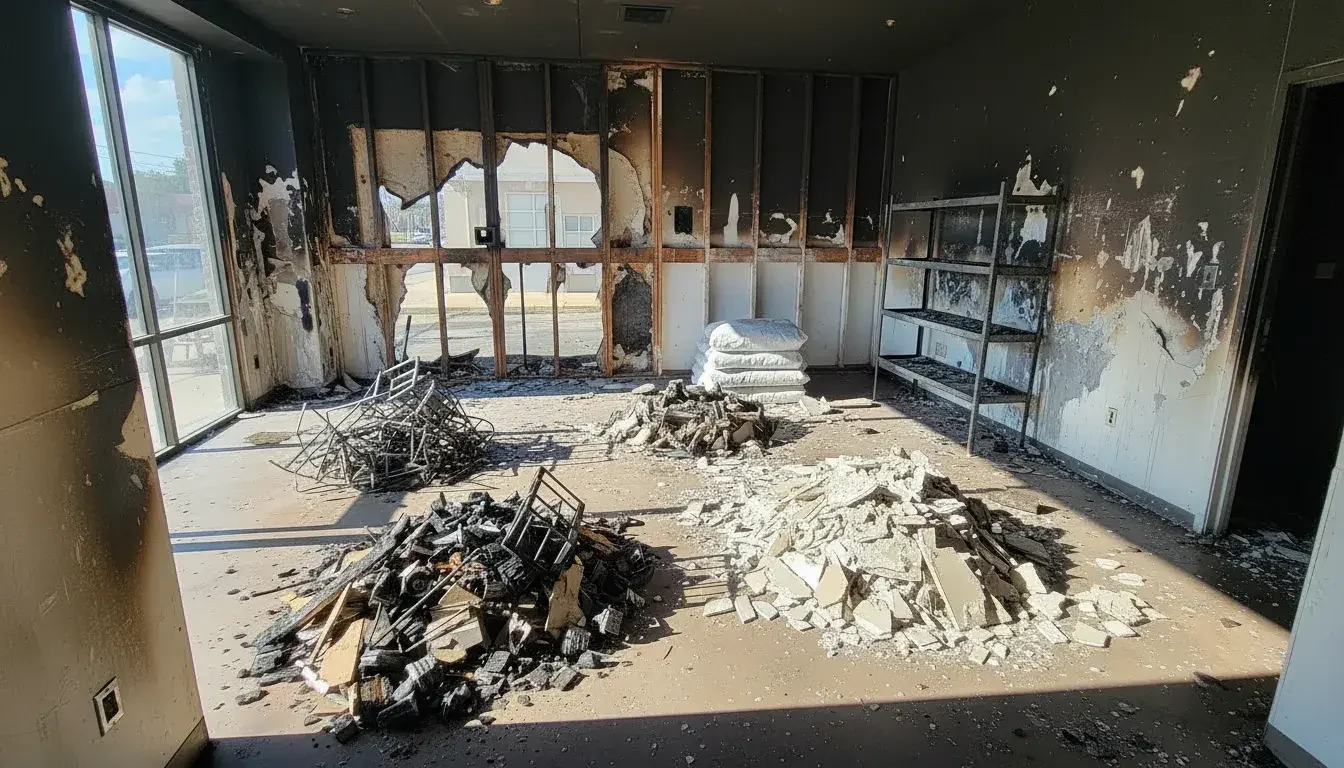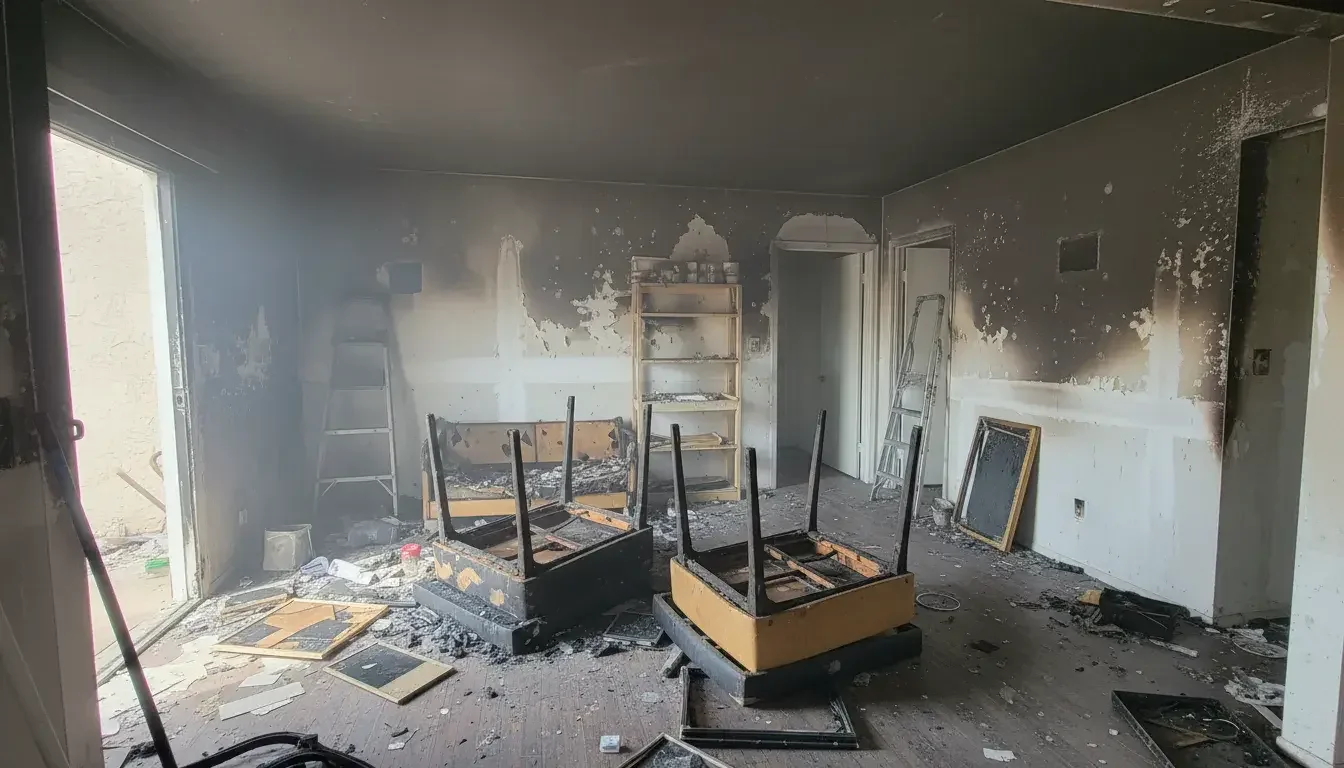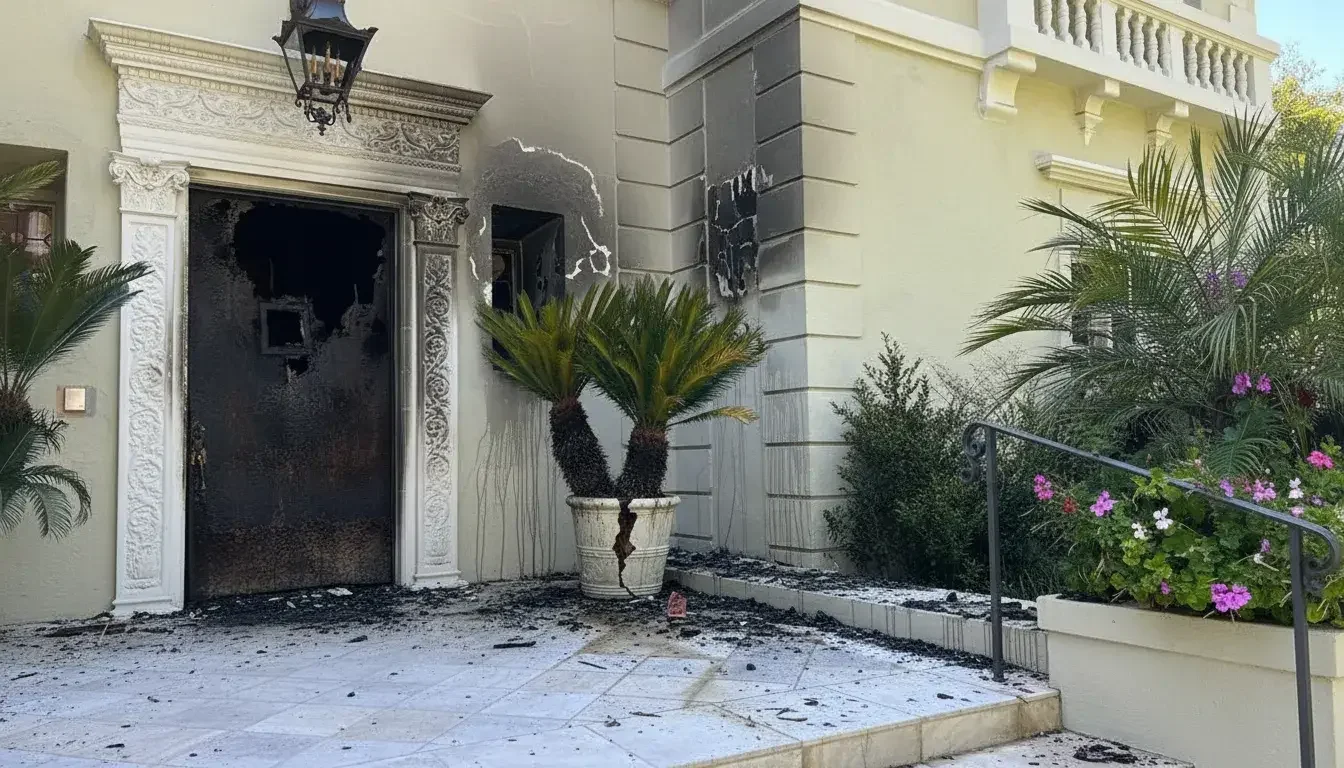
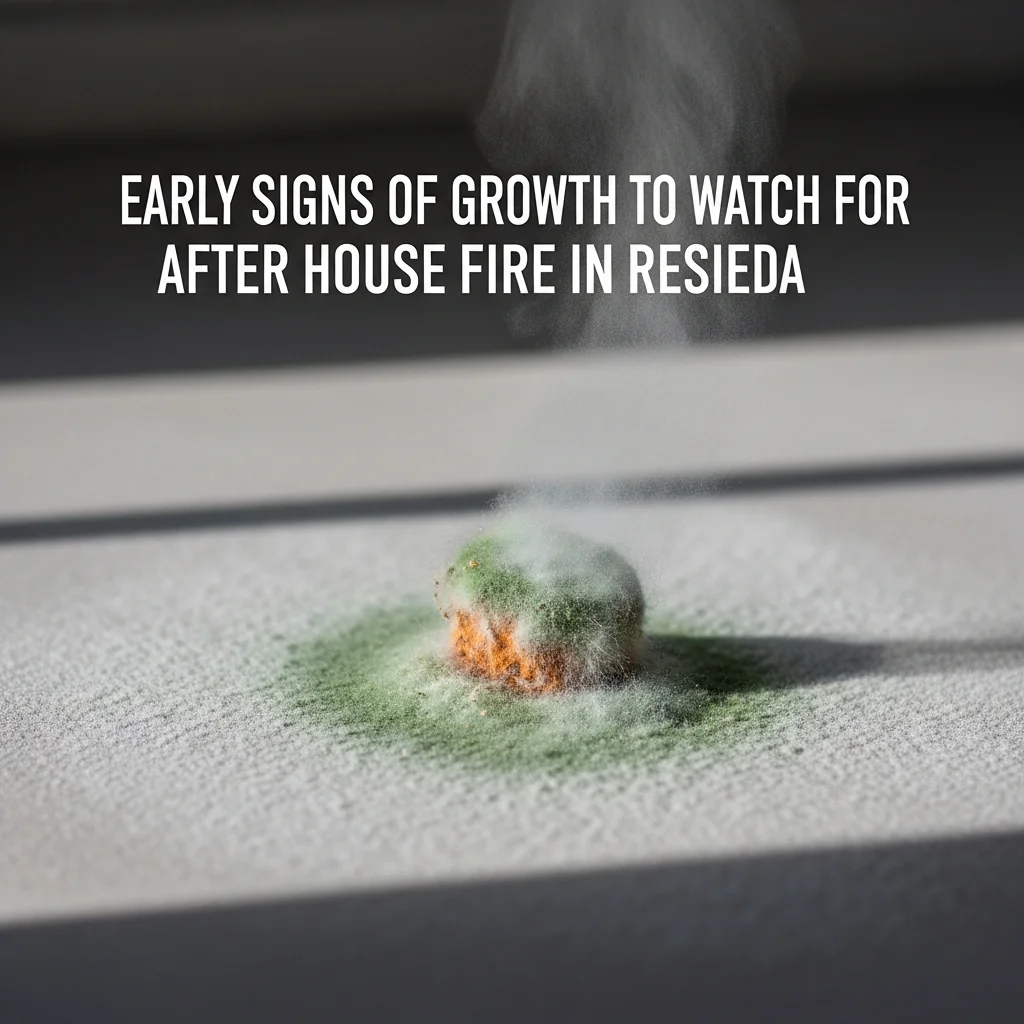
House fires create devastating consequences that extend far beyond the visible flames and smoke damage. When firefighters extinguish a blaze, they typically discharge thousands of gallons of water throughout the structure, saturating walls, floors, ceilings, and belongings. This necessary firefighting effort inadvertently creates conditions perfectly suited for rapid mold colonization. Understanding the early warning signs of mold growth after fire incidents enables Reseda homeowners to seek timely mold removal services before contamination spreads throughout their properties and poses serious health risks.
when vigilance can prevent minor mold issues from escalating into major remediation challenges. Mold spores exist naturally in all environments, waiting for the right combination of moisture, organic material, and favorable temperatures to germinate and establish colonies. Fire-damaged homes provide these ideal conditions in abundance, making post-fire mold growth not just possible but highly probable without proper intervention. Yostin Water Damage & Restoration Inc emphasizes that recognizing early indicators allows property owners to address contamination promptly, reducing both health risks and restoration costs significantly.
Many homeowners assume that once visible water disappears, the moisture threat has passed. This dangerous misconception leads to delayed action precisely when rapid response matters most. Moisture penetrates deep into building materials, where it remains trapped and invisible while supporting aggressive mold establishment. The signs of this hidden growth eventually manifest, but by the time they become obvious, contamination has often spread extensively. Learning to identify subtle early indicators of mold activity helps property owners intervene before problems reach advanced stages requiring comprehensive mold remediation Reseda specialists must undertake.
Recognizing Musty Odors as Primary Warning Signs
The distinctive musty, earthy smell associated with mold growth often appears before visual evidence becomes apparent. This characteristic odor results from microbial volatile organic compounds (MVOCs) that mold colonies release as metabolic byproducts during growth and reproduction. In fire-damaged properties, distinguishing mold odors from lingering smoke smells can prove challenging initially, but the two scents differ noticeably once property owners understand what to detect.
Mold odors typically smell damp, earthy, or similar to rotting wood, contrasting with the acrid, chemical character of smoke residue. These biological smells intensify in enclosed spaces with poor ventilation, such as closets, cabinets, and rooms with closed doors. After firefighting efforts, property owners should pay particular attention to any new or intensifying musty smells appearing in the days and weeks following the incident, as these often indicate active mold establishment even when no visible growth appears.
The olfactory detection of mold becomes especially important in areas where visual inspection proves difficult—behind walls, under flooring, within HVAC systems, and in attic or crawl space environments. When musty odors persist despite cleaning smoke residue and airing out the property, professional mold inspection services become essential for locating hidden colonies before they cause extensive damage. Yostin Water Damage & Restoration Inc utilizes moisture detection equipment and air quality testing to pinpoint contamination sources that odors suggest but visual inspection cannot confirm.
Odor intensity variations throughout the property provide clues about contamination location and extent. Stronger smells in specific rooms or near particular walls indicate nearby mold colonies, helping narrow the search area during professional assessment. Temperature and humidity changes affect odor intensity—higher temperatures and humidity levels increase MVOC volatilization, making smells more noticeable. Property owners often report that musty odors intensify during warm afternoons or after running heating systems, patterns that help identify when and where to investigate for mold growth.
Visual Indicators: Discoloration and Surface Changes
Visible mold growth manifests in various colors and textures depending on species, substrate, and environmental conditions. Common appearances include black, green, white, gray, brown, or even pink or orange patches on surfaces. In fire-damaged properties, distinguishing mold discoloration from soot and smoke staining requires careful observation, as both can appear as dark patches on walls and ceilings. Mold growth typically exhibits fuzzy, velvety, or slimy textures, contrasting with the dry, powdery character of soot deposits.
Black mold removal becomes particularly urgent when dark patches appear on cellulose-based materials like drywall, paper, cardboard, or wood surfaces saturated during fire suppression. Stachybotrys chartarum, commonly called black mold, appears as dark greenish-black colonies with a characteristically slimy texture when moisture levels remain high. This species presents elevated health risks beyond typical mold allergies, making prompt identification and remediation essential for protecting occupant wellbeing.
Surface discoloration patterns provide information about moisture sources and duration. Circular staining patterns often indicate localized water intrusion points, while widespread discoloration suggests systemic moisture problems affecting large areas. Water lines on walls mark flooding levels from firefighting efforts, with everything below these lines at elevated mold risk. Discoloration appearing days or weeks after fire suppression typically indicates mold growth rather than immediate smoke or water staining, warranting professional investigation.
Texture changes on painted surfaces signal underlying problems even before visible mold appears. Paint bubbling, peeling, or cracking indicates moisture trapped beneath the surface, creating conditions where mold establishes within wall cavities before becoming visible on exterior surfaces. Wallpaper loosening or developing bubbles similarly suggests moisture accumulation and potential mold activity behind the decorative covering. Yostin Water Damage & Restoration Inc frequently discovers extensive hidden contamination during mold damage repair projects after these subtle surface indicators prompted proper investigation.
Respiratory Symptoms and Health Reactions in Occupants
Occupant health responses often provide the earliest indication of mold presence, particularly when contamination exists in hidden locations where visual detection proves difficult. Mold exposure triggers various symptoms in susceptible individuals, including nasal congestion, throat irritation, coughing, wheezing, eye irritation, and skin reactions. These symptoms typically worsen when spending time indoors and improve during time away from the contaminated property, creating a pattern that suggests environmental rather than infectious causes.
Individuals with existing respiratory conditions, allergies, or immune system compromises experience more pronounced reactions to mold exposure. Asthma sufferers may notice increased attack frequency or severity, requiring more frequent medication use. Allergy symptoms that persist despite typical treatment regimens may indicate ongoing mold exposure rather than seasonal allergens. Children and elderly residents often demonstrate heightened sensitivity, making their symptom patterns particularly valuable for identifying potential contamination requiring home mold treatment.
The timing of symptom onset relative to fire events provides important diagnostic information. Health issues appearing or intensifying within days or weeks of fire suppression and cleanup efforts suggest correlation with post-fire mold establishment. When multiple household members experience similar symptoms simultaneously, environmental causes become more likely than individual illnesses, prompting investigation for shared exposure sources like mold contamination.
Tracking symptom patterns throughout the property helps identify contamination locations. If symptoms intensify in specific rooms or areas, those locations warrant priority investigation during professional mold inspection. Symptoms improving during daytime hours when windows provide ventilation but worsening overnight in closed bedroom environments suggest mold presence in sleeping areas. Yostin Water Damage & Restoration Inc considers occupant health reports valuable diagnostic information during initial assessments, using symptom patterns to guide investigation priorities and ensure the most problematic areas receive immediate attention.
Water Staining Patterns and Moisture Indicators
Persistent water stains on ceilings, walls, or floors after fire suppression indicate ongoing moisture problems that almost certainly support mold growth. These stains appear as discolored patches, often yellowish, brownish, or dark in color, marking where water has penetrated and remains trapped within building materials. Unlike immediate water damage visible during firefighting efforts, stains appearing or expanding days or weeks afterward signal that moisture continues accumulating rather than drying, creating ideal conditions for mold establishment.
Ceiling stains particularly warrant concern, as they indicate water retention in hidden ceiling cavities, attic spaces, or above-floor assemblies. Gravity causes water to migrate downward through building materials, meaning visible ceiling stains often represent much larger moisture accumulation above the finished surface. This trapped moisture creates extensive hidden environments where mold colonies establish and spread before becoming visible, making ceiling stains important indicators requiring immediate professional water damage cleanup assessment.
Wall staining patterns reveal information about moisture migration pathways and accumulation zones. Stains appearing at wall bases suggest floor-level flooding from firefighting water that has saturated flooring and lower wall sections. Mid-wall staining indicates water migration through wall cavities from upper-level sources or wind-driven water intrusion through fire-damaged building envelopes. High wall or wall-ceiling junction staining points to roof damage, upper-level water intrusion, or ceiling cavity moisture problems. Understanding these patterns helps mold removal experts target investigation and remediation efforts effectively.
Efflorescence—white, chalky deposits appearing on concrete, brick, or masonry surfaces—indicates water movement through these porous materials. While efflorescence itself consists of mineral salts left behind as water evaporates, its presence confirms moisture migration through masonry, creating conditions conducive to mold growth on adjacent organic materials. Basement and foundation walls showing efflorescence after fire events warrant careful inspection for accompanying mold contamination on nearby wood framing, drywall, or stored materials.
Warping, Swelling, and Structural Material Changes
Building materials respond to moisture absorption through dimensional changes that provide visible evidence of water damage and mold risk. Wood flooring develops cupping, crowning, or buckling patterns when boards absorb moisture unevenly, creating warped surfaces that feel uneven underfoot. Drywall swells when saturated, developing soft spots that feel spongy when pressed or showing visible bulging and sagging along seams and joints. These structural changes indicate moisture levels sufficient to support mold growth, making them important warning signs requiring investigation.
Door and window operation difficulties often result from moisture-induced swelling of wood frames, doors, or surrounding drywall. Doors that previously operated smoothly may stick, bind, or fail to latch properly when moisture causes expansion. Windows become difficult to open or close as frames swell or shift. These functional changes signal moisture retention in building materials, pointing restoration professionals toward areas likely experiencing mold establishment requiring emergency mold removal intervention.
Flooring changes extend beyond hardwood warping to include carpet rippling, tile grout darkening, and vinyl or laminate flooring edge lifting. Carpeting develops waves or loose areas when underlying padding absorbs water and fails to dry properly, creating hidden moisture reservoirs beneath the visible surface where mold grows unseen. Tile grout that remains darkened after cleaning suggests persistent moisture within the tile assembly, often indicating saturated underlayment or subfloor materials. Laminate or vinyl flooring edges lifting from surfaces reveal moisture intrusion beneath these water-resistant surface materials, pointing to substrate saturation and mold risk.
Yostin Water Damage & Restoration Inc explains that material dimensional changes often appear gradually rather than immediately, making them easy to dismiss as minor issues. However, these changes represent ongoing moisture problems that support progressive mold establishment and structural deterioration. Recognizing and responding to these indicators prevents minor issues from escalating into major restoration challenges requiring extensive material replacement and comprehensive mold remediation Reseda properties need when problems advance unchecked.
Condensation Patterns and Elevated Humidity Indicators
Excessive condensation on windows, mirrors, or other non-porous surfaces indicates elevated indoor humidity levels that support mold growth throughout the property. After fire damage compromises building envelopes and ventilation systems, normal moisture control mechanisms often fail, allowing humidity to accumulate to levels conducive to mold establishment. Condensation appearing regularly on interior surfaces signals conditions where mold colonization becomes inevitable without intervention to reduce moisture levels.
The pattern and timing of condensation provide diagnostic information about humidity sources and distribution. Morning condensation on bedroom windows suggests humidity accumulation overnight from occupant respiration combining with inadequate ventilation, a situation exacerbated when fire damage affects normal air exchange pathways. All-day condensation indicates more severe humidity problems requiring immediate attention to prevent widespread mold growth. Condensation appearing only in specific rooms points to localized moisture sources like hidden water damage in those areas.
Moisture appears on unexpected surfaces when humidity reaches extreme levels—walls feeling damp to the touch, metal fixtures developing rust, and fabrics remaining perpetually clammy rather than fully drying. These indicators signal conditions where mold prevention tips prove inadequate and active intervention becomes necessary. Indoor humidity above 60% creates favorable conditions for many mold species, with levels above 70% supporting rapid colonization of most surfaces and materials.
HVAC system performance changes often accompany elevated humidity in fire-damaged properties. Air conditioning systems cycling frequently without effectively reducing humidity may indicate that fire damage has compromised the system's moisture removal capability. Heating systems failing to maintain comfortable conditions despite adequate temperature output may struggle with high humidity loads. These functional changes warrant professional assessment to determine whether HVAC damage contributes to moisture problems enabling mold growth requiring attention from Reseda mold specialists.
Peeling Paint and Wallpaper Deterioration Patterns
Paint and wallpaper serve as early warning systems for underlying moisture and mold problems, as these surface treatments fail when substrates remain wet or when mold grows beneath them. Paint peeling, bubbling, or cracking in patterns that expand over time indicates progressive moisture intrusion and probable mold activity within wall assemblies. The distinction between fire damage to painted surfaces and moisture-related paint failure becomes clearer over time—fire damage appears immediately, while moisture-related deterioration develops progressively in the days and weeks following fire suppression.
Wallpaper loosening, bubbling, or developing brown water stains signals moisture accumulation behind the decorative covering. Mold frequently establishes between wallpaper and wall surfaces, where darkness, moisture, and organic wallpaper paste create ideal growth conditions. The wallpaper itself may show visible mold growth appearing as dark spots or patches that expand outward from their origins, or musty odors may emanate from walls covered with apparently undamaged wallpaper, indicating hidden contamination requiring removal to assess and remediate.
The location of paint and wallpaper failures provides clues about moisture sources requiring attention. Failures along ceiling-wall junctions suggest water intrusion from above through damaged roofs or ceiling cavities. Base-level paint failure indicates floor-level moisture from saturated flooring systems or foundation water intrusion. Mid-wall failures often correlate with hidden plumbing damage or water migration through wall cavities from remote sources. Yostin Water Damage & Restoration Inc uses these failure patterns during mold inspection services to guide investigation toward likely contamination sources and moisture origins.
Attempting to repaint or re-wallpaper over moisture-damaged surfaces without addressing underlying problems inevitably leads to rapid failure recurrence and continued mold growth beneath new finishes. This pattern of repeated finish failure despite renovation efforts indicates unresolved moisture problems requiring professional assessment and remediation. Only after thorough mold removal and moisture source elimination can surface finishes be successfully and durably restored, making finish failure patterns important indicators that guide appropriate response strategies.
Increased Allergy Medication Needs and Persistent Symptoms
When household members find themselves requiring increased allergy medications, using inhalers more frequently, or experiencing persistent respiratory symptoms despite treatment, hidden mold exposure may be responsible. The correlation between medication needs and time spent indoors provides diagnostic information—symptoms and medication requirements increasing during evenings and weekends spent at home but improving during workdays spent elsewhere suggest environmental exposure from home-based contamination requiring home mold treatment.
Seasonal allergy sufferers expect symptoms during typical pollen seasons but should not experience year-round or unexplained symptom patterns. When allergic reactions persist outside normal pollen seasons or intensify dramatically after fire events despite no changes in outdoor allergen levels, indoor mold exposure becomes the likely culprit. Allergists may identify mold sensitivity through testing, providing confirmation that environmental mold exposure rather than outdoor allergens drives symptoms, prompting investigation and remediation needs.
Children exhibiting declining school performance, increased school absences due to illness, or behavioral changes potentially related to not feeling well may be experiencing mold exposure effects. Pediatricians ruling out infectious causes for persistent respiratory symptoms should prompt parents to consider environmental factors like mold contamination in recently fire-damaged homes. The developing respiratory systems of children make them particularly vulnerable to mold exposure impacts, elevating the urgency of identification and black mold removal when toxic species are present.
Sleep quality deterioration affecting multiple household members suggests environmental factors interfering with rest. Mold exposure can trigger nighttime coughing, congestion, and respiratory distress that disrupts sleep patterns. When family members report sleeping better during time away from home—vacations, overnight trips, or temporary displacement—environmental contamination affecting home air quality becomes the suspected cause. Yostin Water Damage & Restoration Inc considers these health pattern reports seriously during initial consultations, recognizing that occupant wellbeing concerns often provide the most compelling evidence of contamination requiring urgent attention.
Employee Perspective: The Urgency of Early Detection
A dedicated restoration professional at Yostin Water Damage & Restoration Inc recalls responding to a Reseda family's call about persistent musty odors three weeks after their home suffered fire damage. The family had dismissed the smell initially, assuming it was residual smoke odor that would dissipate with time and cleaning. When their young son's asthma worsened dramatically, requiring emergency room visits and increased medication, they decided to investigate further. Upon arrival and beginning the mold inspection, the technician discovered extensive black mold colonization throughout the second-floor bedrooms—the son's room being the most severely affected.
The emotional weight of seeing the child's bedroom, where he should have felt safe and healthy, harboring toxic mold that had been making him sick, reinforced why early detection matters so profoundly. The parents' faces showed both relief at finally understanding the cause of their son's health decline and distress at realizing he'd been suffering unnecessarily for weeks. During the comprehensive mold remediation process that followed, watching the family's anxiety transform into hope as contaminated materials were removed and the environment became safe again proved deeply meaningful. When the final clearance testing confirmed successful remediation and the boy's asthma symptoms improved dramatically within days of returning home, the gratitude and joy the family expressed made the challenging work worthwhile. That experience serves as a constant reminder that behind every mold removal project stands a family's health and wellbeing, making vigilance for early signs and rapid response not just good business practice but a moral imperative.
HVAC System Performance Changes and Air Quality Indicators
Heating, ventilation, and air conditioning systems provide important clues about mold contamination, both through their operational characteristics and their role in distributing airborne spores. After fire events, HVAC systems often sustain direct damage from heat and smoke while also accumulating water during suppression efforts. These dual impacts create conditions where mold establishes within ductwork, air handlers, and system components, then spreads throughout the property via the air distribution system.
Musty odors intensifying when HVAC systems operate suggest contamination within the system itself, with blowers distributing mold spores and MVOCs throughout the property. Air handler units, evaporator coils, and drain pans accumulate moisture during normal operation, and when systems suffered water exposure during firefighting, these naturally damp components become prime mold colonization sites. Visible growth around supply registers, return grilles, or diffusers indicates contamination within ductwork requiring professional assessment and remediation.
Air filter conditions provide valuable diagnostic information when inspected regularly. Filters developing unusual discoloration, biological growth, or musty odors indicate that contaminated air circulates through the system. Filters requiring replacement more frequently than normal suggest elevated airborne particle loads from mold spore dissemination. While changing filters addresses symptoms temporarily, the underlying contamination requires comprehensive mold damage repair to eliminate the problem source rather than simply filtering its outputs.
System performance changes—reduced airflow, decreased heating or cooling effectiveness, unusual noises, or moisture around air handler units—all warrant investigation after fire events. These operational changes may indicate fire damage to system components, but they also create conditions conducive to mold establishment. Reduced airflow from damaged blowers or clogged components decreases ventilation effectiveness, allowing humidity to accumulate. Moisture around air handlers suggests condensate drainage problems creating standing water that supports mold growth. Yostin Water Damage & Restoration Inc integrates HVAC assessment into comprehensive post-fire mold inspection services, recognizing these systems as both potential contamination sources and critical components for maintaining healthy indoor environments after remediation.
Pest Activity and Biological Indicator Changes
Increased insect activity, particularly from moisture-loving species like silverfish, springtails, and certain beetles, can indicate elevated humidity and potential mold growth. These insects thrive in damp environments and feed on mold, mildew, and decaying organic materials, making their presence an indirect biological indicator of moisture problems. After fire damage introduces extensive water throughout structures, populations of these moisture-dependent insects often increase noticeably within weeks, signaling conditions requiring moisture control and mold removal attention.
Rodent activity may also increase in fire-damaged properties as compromised building envelopes create new entry points and saturated insulation materials provide nesting resources. While rodent presence itself doesn't indicate mold growth, areas where rodents establish nests often correlate with hidden moisture damage and mold contamination. Rodent droppings and urine add organic material and moisture to affected areas, further supporting mold establishment in locations already vulnerable due to fire suppression water exposure.
Fungus-eating insects like certain beetles and flies appearing indoors specifically indicate active mold growth, as these species require mold for survival and reproduction. Their presence confirms contamination even when visual evidence remains hidden within wall cavities, subfloor spaces, or other concealed locations. Observing these specialized insects prompts thorough investigation for the mold colonies sustaining their populations, often leading to discovery of extensive hidden contamination requiring comprehensive mold remediation Reseda specialists must address.
Changes in typical household pest patterns—spiders relocating from their usual locations, ants exploring new areas, or other insects behaving unusually—can reflect environmental changes associated with moisture problems and mold growth. While pest activity alone doesn't confirm mold presence, it provides context suggesting conditions that support mold establishment. Pest management professionals often note correlations between moisture problems and pest activity, making their observations valuable when assessing post-fire properties for potential mold issues.
Basement, Crawl Space, and Attic Environment Changes
Below-grade spaces and attics represent particularly vulnerable areas for mold establishment after fire events, as these locations often receive firefighting water drainage while remaining less visible during routine property use. Basement flooding during fire suppression creates obvious moisture problems, but even without standing water, basement humidity levels frequently remain elevated for weeks or months due to saturated concrete, masonry, and soil conditions. This persistent moisture supports aggressive mold growth on organic materials—wood framing, stored belongings, drywall, and paper goods.
Crawl space environments amplify moisture retention issues, as these typically unheated, poorly ventilated areas dry very slowly after water intrusion. Standing water in crawl spaces evaporates gradually, maintaining elevated humidity throughout the space and in adjacent living areas as moisture migrates upward through flooring assemblies. Mold establishing in crawl spaces affects air quality throughout the property, as stack effect air movement draws contaminated crawl space air into living areas. Musty odors in first-floor rooms often originate from crawl space contamination, making these hidden spaces important investigation priorities during mold inspection services.
Attic moisture problems develop from different mechanisms but prove equally problematic. Firefighting water saturates ceiling insulation, which retains moisture for extended periods while surrounding wood framing members. Roof damage from fire events creates ongoing water intrusion pathways during subsequent rain events. Bathroom and kitchen exhaust fans damaged by fire may discharge moisture-laden air directly into attics rather than exhausting outdoors. These various moisture sources create ideal mold growth conditions in attic spaces typically not regularly visited, allowing extensive contamination to establish before detection.
Yostin Water Damage & Restoration Inc emphasizes that comprehensive post-fire mold assessment must include thorough evaluation of basements, crawl spaces, and attics, as contamination in these areas often exceeds that found in main living spaces. The hidden nature of these locations delays discovery, allowing mold colonies to establish extensively before occupants recognize problems through odors, health symptoms, or secondary indicators like ceiling staining. Proactive investigation of these vulnerable spaces enables early intervention, preventing minor contamination from spreading throughout properties and requiring extensive emergency mold removal interventions.
Electronic Equipment Malfunction and Corrosion
Electronic devices and equipment exhibiting unusual malfunctions, corrosion, or operational issues may reflect exposure to elevated humidity and corrosive mold metabolites. Circuit boards, connectors, and internal components suffer damage from moisture and biological acids produced by mold colonies, creating intermittent failures, complete malfunction, or shortened equipment lifespan. While fire and smoke damage directly harm electronics, progressive equipment problems developing weeks after fire events often correlate with ongoing moisture and mold issues affecting the property.
Computer equipment located in rooms with active mold growth frequently develops keyboard failures, screen issues, or internal component problems as humidity and biological contaminants infiltrate cases and settle on circuitry. Entertainment systems exhibit similar patterns—television picture or sound problems, audio equipment failures, or gaming systems malfunctioning despite no obvious damage. These equipment issues provide clues about environmental conditions in specific rooms, guiding investigation toward likely mold contamination locations.
Metal objects throughout the property developing rust or corrosion indicate elevated humidity levels that also support mold establishment. Tools stored in garages or basements showing rust, jewelry in bedroom closets tarnishing unusually quickly, or metal fixtures throughout the home developing corrosion all signal moisture problems requiring attention. While corrosion itself differs from mold growth, the environmental conditions supporting rapid metal oxidation also favor mold colonization, making corrosion patterns useful indicators of areas warranting mold investigation.
Appliance performance degradation—refrigerators running constantly without cooling effectively, washing machines developing unusual odors, dryers requiring extended cycles to dry clothes—can reflect both direct fire damage and environmental changes from elevated humidity. Dryers particularly serve as humidity indicators, as their inability to dry clothes efficiently often reflects excessive ambient moisture overwhelming the drying process. This performance change signals conditions throughout the property that support mold growth, making appliance operation monitoring a useful diagnostic tool during post-fire recovery periods.
Strange Sounds and Unusual Property Behaviors
Unusual sounds within wall cavities, ceiling spaces, or flooring assemblies can indicate moisture-related changes occurring as materials absorb water and support mold establishment. Creaking, cracking, or popping sounds result from dimensional changes as wood and other materials swell from moisture absorption, then contract during partial drying cycles. These audible indicators suggest active moisture movement through building assemblies, pointing to areas likely experiencing mold growth.
Water sounds—dripping, running, or gurgling—detected within walls or ceiling spaces despite no active plumbing fixtures indicate trapped water or hidden plumbing damage from fire events. This concealed water provides ideal mold establishment conditions, making unusual water sounds important warning signs requiring investigation. Even brief, intermittent sounds warrant attention, as they indicate moisture presence in locations where it shouldn't exist, creating mold risk requiring prompt water damage cleanup intervention.
Door and window behavior changes extend beyond the simple binding discussed earlier to include unusual drafts, whistling sounds, or temperature differences appearing after fire events. These changes indicate compromised building envelope integrity from fire damage, creating pathways for outdoor moisture intrusion during rain events. Each moisture intrusion episode introduces additional water into building assemblies already saturated from fire suppression, compounding mold risk and making envelope integrity restoration urgent for preventing ongoing contamination.
Floor performance changes—squeaking, bouncing, or feeling spongy—signal moisture damage to subfloor materials and floor framing. These structural components, often saturated during firefighting water application, dry very slowly due to their concealed locations and thick dimensions. Moisture retention in these structural elements creates ideal mold growth conditions while also compromising structural integrity. Yostin Water Damage & Restoration Inc treats floor performance changes as high-priority indicators during mold removal assessments, as they often correlate with extensive hidden contamination requiring invasive investigation and comprehensive remediation.
Documentation Importance and Monitoring Strategies
Recognizing early mold indicators provides value only when followed by appropriate action. Property owners should document suspicious conditions through photographs, written descriptions noting dates and locations, and records of symptom patterns affecting occupants. This documentation serves multiple purposes: establishing timelines for insurance claims, tracking whether conditions improve or worsen over time, and providing professional mold removal experts with information guiding investigation priorities.
Regular monitoring routines help detect early indicators before contamination spreads extensively. Weekly inspections of vulnerable areas—basements, attics, previously water-damaged locations, and rooms with persistent odors—enable early detection of changes suggesting mold establishment. Checking window condensation patterns, monitoring occupant health symptoms, and paying attention to musty odor development all contribute to awareness of developing problems when intervention remains most effective and least costly.
Indoor humidity monitoring using simple hygrometers provides objective data about moisture conditions supporting or preventing mold growth. Maintaining indoor humidity below 50% significantly reduces mold risk, while levels exceeding 60% create favorable conditions for many species. Temperature-corrected humidity readings account for seasonal variations, providing year-round guidance about whether environmental conditions favor mold establishment. This quantitative approach supplements qualitative observations, creating comprehensive awareness of contamination risk and intervention timing.
Professional mold inspection services provide definitive assessment when early indicators suggest problems but visual confirmation remains elusive. Thermal imaging, moisture meters, air quality testing, and invasive investigation techniques available to mold remediation professionals locate hidden contamination that property owner monitoring cannot detect. Yostin Water Damage & Restoration Inc recommends professional assessment whenever early indicators appear after fire events, as the cost of inspection proves minimal compared to expenses of addressing extensive contamination developing from delayed intervention. Early professional involvement transforms suspicious indicators into actionable information guiding effective remediation before problems escalate.