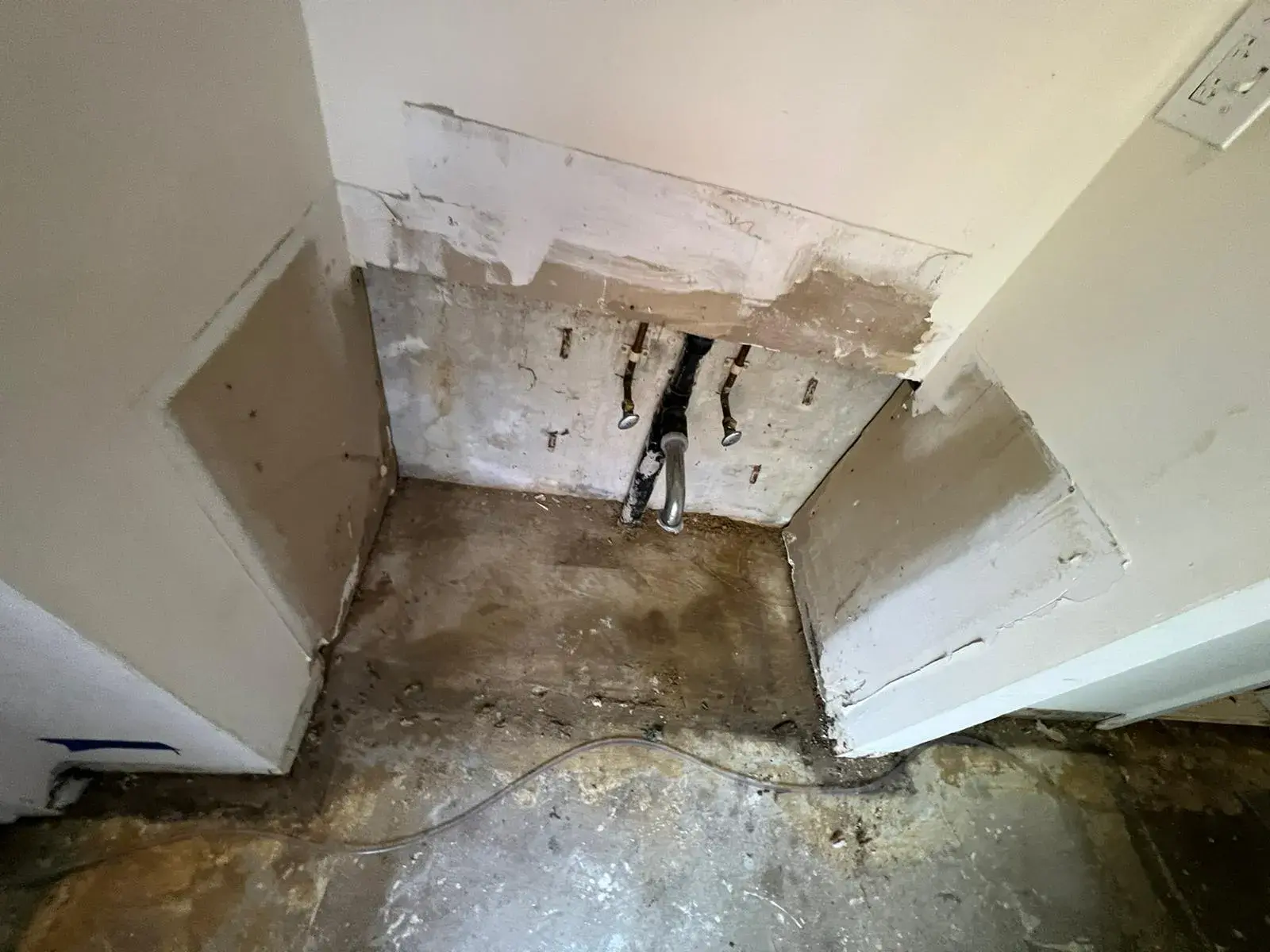
When it comes to homes in Reseda, California, the threat of water damage is a reality many homeowners face. Whether it’s due to heavy rainfall, plumbing issues, or even flooding, selecting the right flooring materials is crucial for ensuring your home remains safe, functional, and aesthetically pleasing. With numerous options available, it can be overwhelming to determine which materials will withstand moisture and humidity effectively. This guide will explore the best flooring materials for water-prone homes, helping you make an informed decision.
Understanding Water Damage Risks
Before diving into the best flooring options, it’s essential to understand the common causes of water damage in residential properties:
- Heavy Rainfall and Flooding: Los Angeles County can experience sudden downpours leading to flooding, especially in low-lying areas.
- Plumbing Issues: Leaks from pipes, sinks, or appliances can lead to significant water damage if not addressed promptly.
- Humidity: High humidity levels can cause condensation and moisture buildup, leading to mold growth and damage to flooring materials.
Being proactive about your flooring choices can help mitigate these risks and protect your home from water damage.
Best Flooring Materials for Water-Prone Homes
1. Vinyl Flooring
Pros:
- Water Resistant: Vinyl flooring is highly resistant to moisture, making it an excellent choice for areas prone to water exposure.
- Easy to Maintain: Regular cleaning with a damp mop and mild detergent can keep vinyl floors looking new.
- Variety of Styles: Available in a wide range of colors and patterns, vinyl can mimic the look of wood, tile, or stone without the associated costs.
Cons:
- Durability: While vinyl is water-resistant, it can be prone to scratches and dents over time.
2. Tile Flooring
Pros:
- Completely Waterproof: Ceramic and porcelain tiles are impervious to water, making them ideal for areas exposed to spills, such as kitchens and bathrooms.
- Durable and Long-Lasting: Tiles can withstand heavy foot traffic and are resistant to scratches and stains.
- Easy to Clean: A simple wipe-down with a damp cloth is often all that’s needed to maintain tile floors.
Cons:
- Cold and Hard Surface: Tile can be uncomfortable to stand on for long periods and may feel cold underfoot.
3. Engineered Wood
Pros:
- Water-Resistant Options Available: While traditional hardwood is susceptible to water damage, engineered wood is built to withstand moisture better.
- Natural Appearance: Engineered wood provides the warm, rich look of hardwood, enhancing the aesthetic appeal of your home.
- Easy Installation: Many engineered wood products come with a click-together design, making installation straightforward.
Cons:
- Cost: Engineered wood can be more expensive than other water-resistant flooring options.
4. Laminate Flooring
Pros:
- Affordable Alternative: Laminate flooring mimics the look of wood or stone at a lower price point.
- Water-Resistant Options: Look for laminate labeled as water-resistant or waterproof to ensure it can handle moisture.
- Easy Installation and Maintenance: Laminate is relatively easy to install and maintain, making it a popular choice for homeowners.
Cons:
- Not Completely Waterproof: While some laminate flooring can resist moisture, prolonged exposure can lead to warping or damage.
5. Concrete Flooring
Pros:
- Highly Durable: Concrete can withstand significant wear and tear, making it an excellent choice for high-traffic areas.
- Waterproof When Sealed: Sealing concrete can prevent moisture from penetrating the surface, making it suitable for water-prone areas.
- Versatile Design Options: Concrete can be stained or stamped to achieve various looks, from polished to rustic.
Cons:
- Cold and Hard Surface: Similar to tile, concrete can be uncomfortable to walk on for extended periods.
Practical Considerations for Choosing Flooring
When selecting flooring for your water-prone home, keep the following practical aspects in mind:
Climate Considerations
Reseda experiences a Mediterranean climate, which means hot, dry summers and mild, wet winters. Choose flooring that can handle the humidity during the wetter months while remaining durable through the heat.
Location of Installation
Consider where the flooring will be installed. For areas like basements, bathrooms, or kitchens, opt for materials that can withstand direct moisture exposure. For living areas, you may have more flexibility in your choice.
Maintenance Requirements
Different flooring materials come with varying maintenance needs. Choose a flooring option that fits your lifestyle. If you prefer low-maintenance solutions, vinyl or sealed concrete may be ideal.
Protecting Your Floors from Water Damage
Regardless of your choice of flooring, implementing preventive measures can help protect your investment:
- Regular Inspections: Monitor areas prone to leaks or water exposure and address any issues promptly.
- Use Mats and Rugs: Place mats in entryways and near sinks to absorb water and prevent it from seeping into your flooring.
- Install a Dehumidifier: A dehumidifier can help manage indoor humidity levels, reducing the risk of moisture-related issues.
Choosing the right flooring materials for water-prone homes in Reseda is crucial for protecting your investment and ensuring your home remains a safe and comfortable environment. From water-resistant vinyl to durable tile, there are numerous options available to suit your needs and style preferences. By considering the climate, location, and maintenance requirements of your flooring, you can make an informed decision that will stand the test of time.
For water damage restoration services or to address any water-related issues in your home, don’t hesitate to reach out to Yostin Restoration. Our certified technicians are here to help you restore your home and peace of mind.