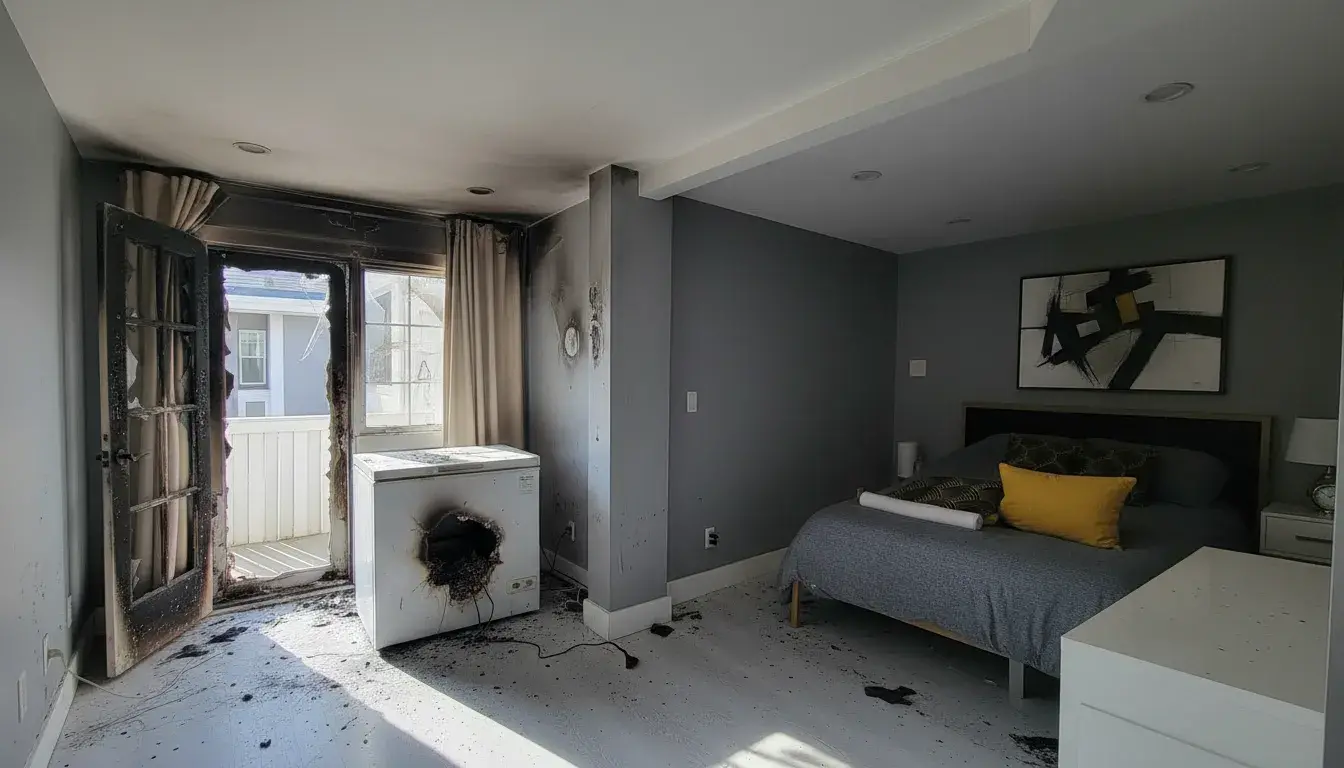
Experiencing a fire is one of the most devastating events a property owner can face. Apart from the emotional toll, the financial implications can also be overwhelming. Understanding how insurance works and what out-of-pocket costs you might incur is crucial for effectively managing the aftermath of a fire. In this guide, we will break down the key elements of insurance coverage and potential out-of-pocket expenses associated with fire cleanup in Reseda.
Understanding Fire Damage and Its Impact
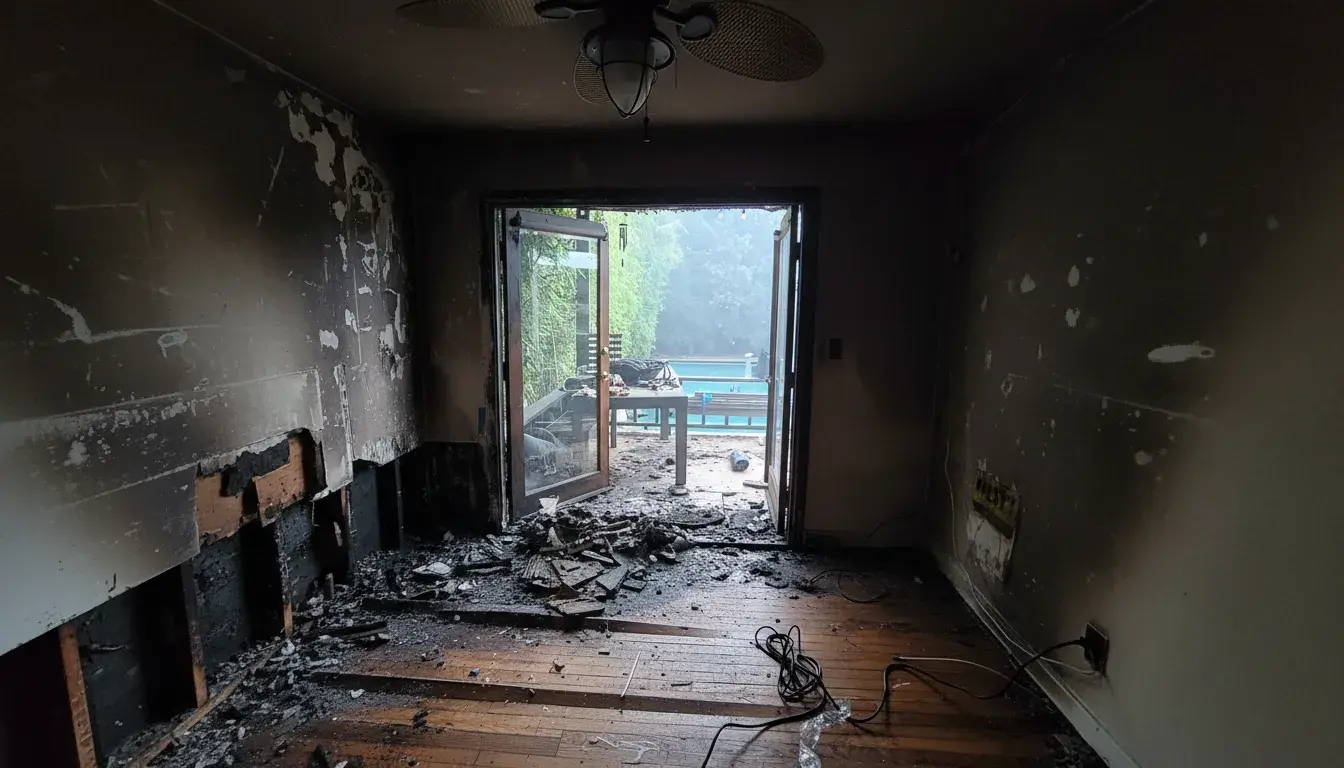
Fire damage can range from minor smoke damage to complete structural destruction. The extent of the damage will significantly influence both insurance claims and personal expenses. Common types of fire damage include:
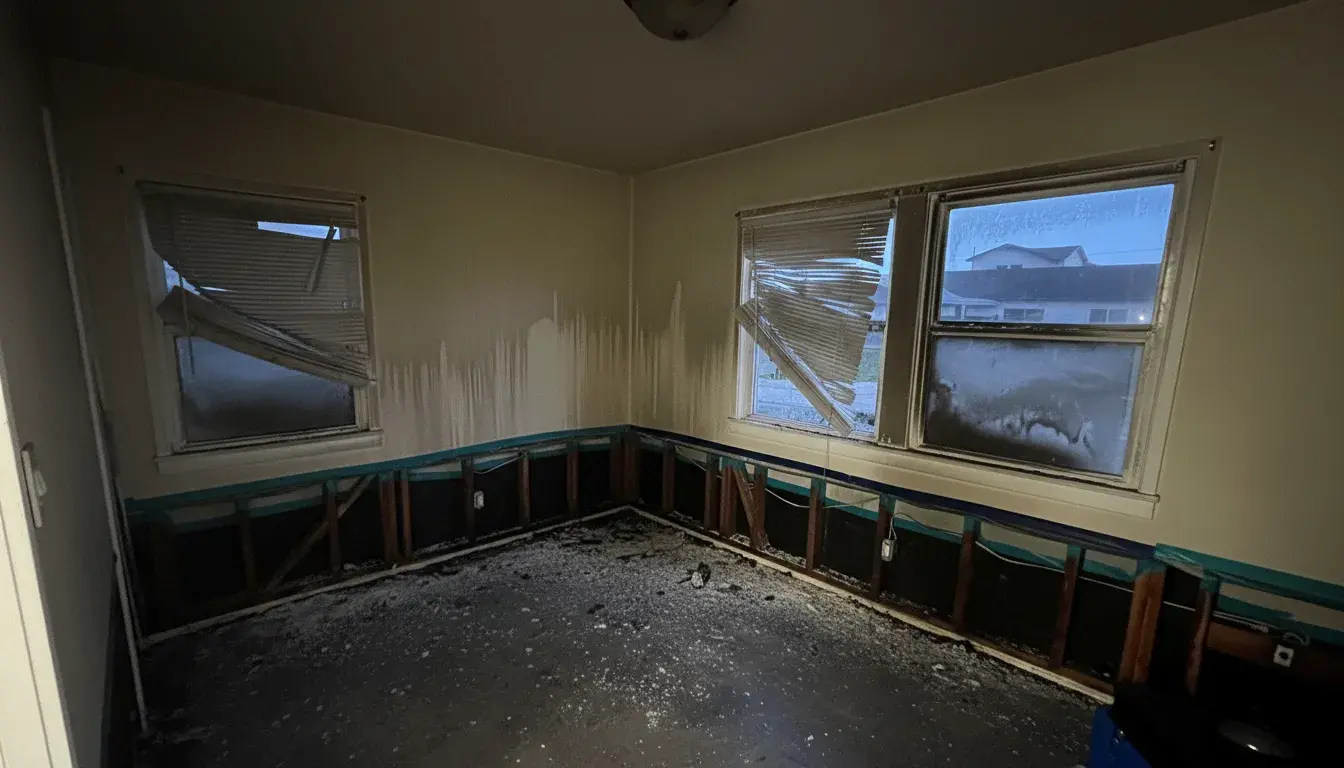
- Structural Damage: This affects the integrity of walls, roofs, and foundations. -Smoke and Soot Damage: Even if the fire is contained, smoke can permeate walls and furniture, leading to significant cleanup needs. -Water Damage: Firefighting efforts often involve substantial water usage, which can lead to additional damage.
Understanding the nature of the damage will help you better communicate with your insurance company and restoration professionals.
Fire Damage Restoration Coverage
When it comes to fire damage, most homeowners insurance policies will include coverage for the restoration process. However, the specifics can vary significantly between policies. Here are some key aspects to consider:
Types of Coverage
- Dwelling Coverage: This covers the cost to repair or rebuild your home if it is damaged or destroyed by fire. The amount you receive will depend on the policy limits.
- Personal Property Coverage: This helps pay for the replacement of personal belongings that were damaged or destroyed in the fire.
- Additional Living Expenses (ALE): If your home is uninhabitable due to fire damage, ALE coverage can help pay for temporary housing and other related expenses.
- Liability Coverage: If the fire was caused by negligence, liability coverage may protect you from claims made by others affected by the fire.
Factors Affecting Coverage
- Policy Limits: Your insurance policy will have specific limits on how much it will pay out. Make sure to review your policy to understand these limits. -Deductibles: This is the amount you'll need to pay out of pocket before your insurance kicks in. Higher deductibles can lower your premium but will increase your upfront costs in the event of a claim. -Exclusions: Be aware of what your policy does not cover. For instance, some policies might exclude certain types of fire damage, especially if caused by negligence.
The Claims Process
Filing a claim can be a daunting process, but understanding the steps can simplify it:
- Document Everything: Take photos and videos of the damage as soon as it is safe to do so. This documentation will be vital for your claim.
- Contact Your Insurance Company: Notify them about the fire and your intent to file a claim. They will provide instructions on the next steps.
- Meet with the Adjuster: An insurance adjuster will assess the damage and determine the payout amount. Be prepared to present your documentation.
- Review the Settlement Offer: Once the adjuster has completed their evaluation, they will present you with a settlement offer. Review it carefully and consult a professional if needed.
Out-of-Pocket Costs for Fire Cleanup
While insurance can cover significant costs, there are still out-of-pocket expenses that you may face during the fire cleanup process. These can include:
Additional Living Expenses
If your home is not livable, you may need to find temporary housing. This can include hotel stays or rental properties and can quickly add up, especially if the restoration process takes time.
Deductibles
As mentioned earlier, you will be responsible for paying the deductible before your insurance coverage kicks in. Understanding this amount can help you prepare financially.
Restoration Services
Even if you have insurance, you may choose to pay for certain services out-of-pocket, particularly if you want to expedite the restoration process. Services may include:
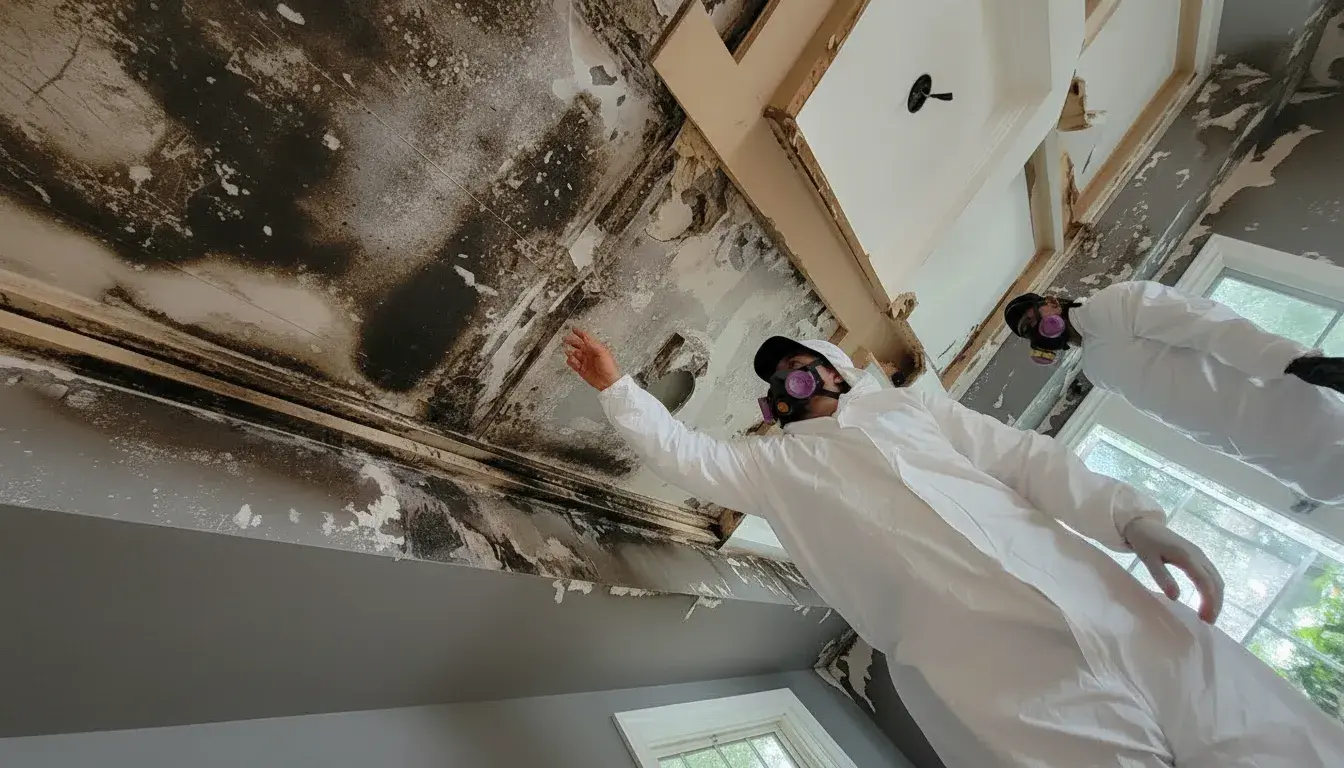
- Fire Damage Restoration: Professional services to clean up smoke and soot damage, as well as repair structural damage. For more information on what this entails, check out our Fire Damage Restoration page. -Mold Remediation: If water damage occurs as a result of firefighting efforts, mold can become a risk. You may need to hire specialists for mold remediation. -Contents Cleaning: Personal belongings may require specialized cleaning, which can incur additional costs.
Tips for Managing Costs
To help manage the financial burden associated with fire cleanup, consider the following tips:
- Review Your Insurance Policy: Regularly review and update your policy to ensure it meets your current needs. This includes understanding what is covered and any potential exclusions. -Keep Records: Maintain detailed records of all expenses related to the fire cleanup process. This documentation can help with insurance claims and provide clarity on out-of-pocket costs. -Consult Professionals: Engage with restoration experts who can provide estimates and timelines. This will help you make informed decisions and avoid unexpected costs.
Navigating the aftermath of a fire can be a complex and emotionally challenging process. Understanding your insurance coverage and potential out-of-pocket costs is essential for managing your recovery effectively. By familiarizing yourself with the claims process and planning for expenses, you can ensure a smoother transition back to normalcy. If you find yourself in need of professional help, Yostin Restoration is here to assist you with our comprehensive fire damage restoration services. Don’t hesitate to reach out for support as you restore your home and peace of mind.
For more information about our services, visit our Services page or contact us directly for assistance.