When a property is damaged by water, fire, mold, or structural issues, homeowners often feel overwhelmed by the scale of destruction. But the restoration industry has evolved dramatically over the past decade, and today's professionals have access to advanced Technology that transforms the speed, accuracy, and effectiveness of the cleanup process. Modern tools allow experts to detect hidden damage, dry materials more efficiently, purify air quality, and restore properties with a level of precision that was once impossible. For homeowners in Reseda and surrounding areas, this means faster recovery, safer results, and a deeper sense of confidence when facing emergencies. These advancements are especially crucial in water damage restoration, where identifying hidden moisture is key to preventing long-term issues.
Restoration isn't just about repairing what's visible—it's about uncovering what's hidden. Moisture behind walls, soot embedded in duct systems, mold colonies inside insulation, and contaminants trapped in building materials can all impact the home long after the initial disaster. With advanced Technology, restoration teams can pinpoint these issues with incredible accuracy and address them before they become long-term problems. This blend of scientific precision and industry expertise ensures that homeowners receive not just a surface-level fix, but a complete and lasting restoration. Companies like Yostin Water Damage & Restoration Inc rely on cutting-edge equipment to deliver results that protect both the home and the health of the family living inside it. This is especially true during water damage restoration, where hidden moisture can easily go unnoticed without proper tools.
How Technology Transformed Modern Restoration
Years ago, restoration work was largely driven by guesswork and manual inspection. Technicians had to rely on visual cues or basic tools to identify damage, which often left hidden issues undetected. Today, the industry has shifted dramatically. With advanced meters, imaging systems, air purification units, and high-powered drying equipment, professionals can perform assessments and repairs with scientific accuracy. Homeowners now benefit from restoration methods that are faster, safer, and more thorough than ever before—especially in areas like water damage restoration, where accuracy determines the success of the entire process.
Modern Technology reduces the risk of secondary damage, such as mold growth or structural weakening. It also creates transparency between the restoration company and the homeowner—data readings, thermal scans, and moisture maps help families understand the true condition of their home. This clarity provides reassurance during a difficult situation and ensures that no part of the restoration process is left to chance.
Moisture Detection and Mapping Tools
One of the most critical components of any restoration project is understanding where moisture has traveled. Water rarely stays confined to the original spill area—it spreads across subflooring, behind walls, beneath insulation, and into structural cavities. With advanced detection tools, technicians can identify water movement that is invisible to the naked eye. These tools are essential in water damage restoration, where finding every pocket of moisture determines long-term success.
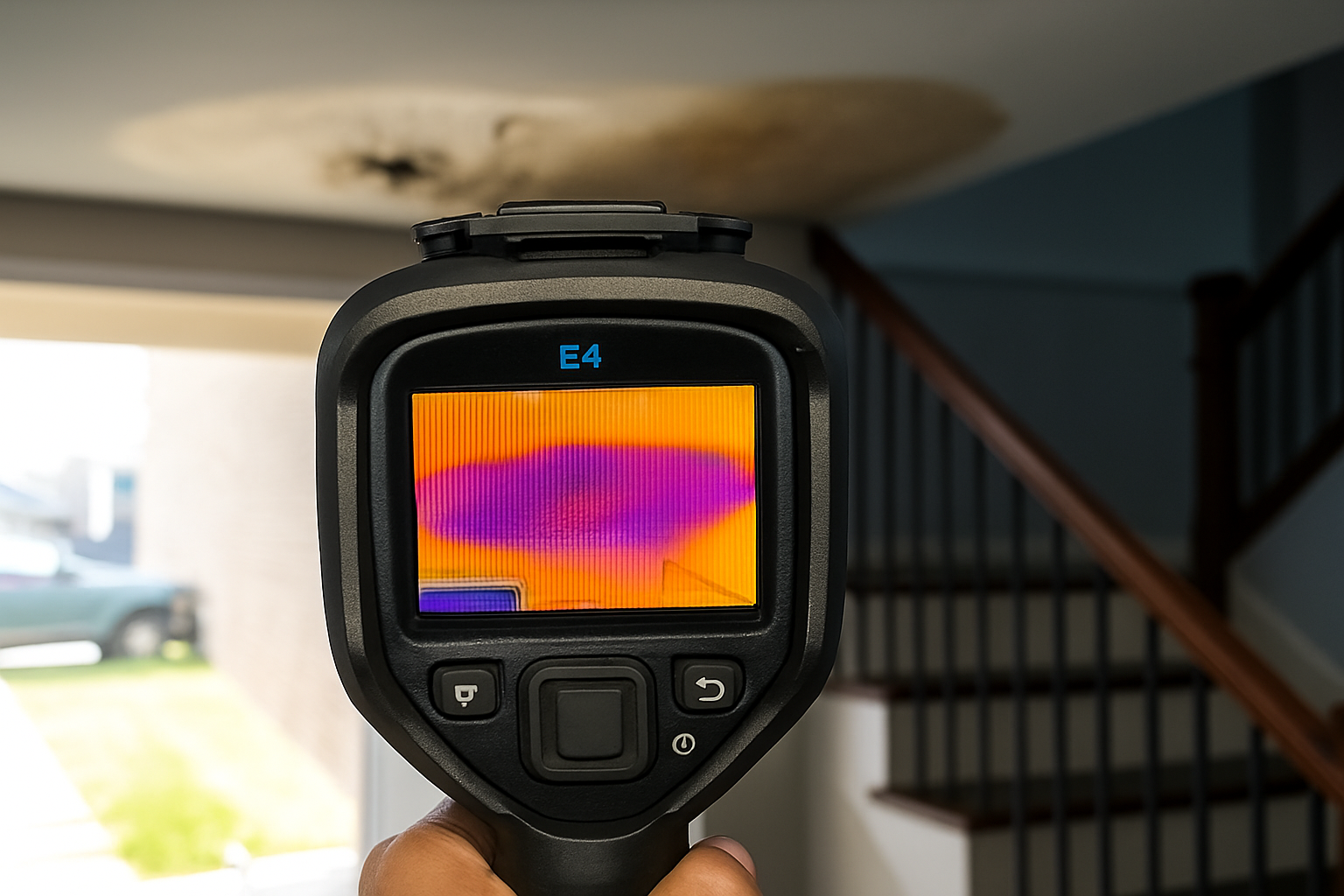
Infrared Thermal Imaging
Thermal cameras show temperature variations that reveal moisture patterns behind surfaces. Instead of tearing open walls blindly, technicians can target only areas that truly need attention. This saves homeowners time, money, and unnecessary demolition.
Moisture Meters and Hygrometers
Digital meters provide real-time data about humidity levels and moisture content in materials. These readings guide drying strategies and verify when a structure is fully dried, preventing mold growth and future deterioration.
These tools remove uncertainty from the inspection process and create a reliable roadmap for effective restoration.
High-Efficiency Structural Drying Equipment
Drying is the backbone of most restoration projects. Without proper drying, moisture can linger in structural materials and create long-term problems. Advanced drying Technology allows professionals to remove water more effectively than traditional fans or household devices ever could. This is particularly important in water damage restoration, where proper drying prevents microbial growth and structural decay.
Low-Grain Refrigerant (LGR) Dehumidifiers
These machines pull moisture from the air with exceptional efficiency, even in highly saturated environments. They reduce humidity levels dramatically, accelerating the drying timeline from weeks to days.
Centrifugal and Axial Air Movers
High-velocity airflow targets wet areas, pushing moisture out of materials and into the air where dehumidifiers can capture it. Their strategic placement is guided by data, maximizing drying results.
Desiccant Drying Systems
For large-scale or complex moisture issues, desiccant units use chemical absorption to remove water from deep inside structures. They are especially effective in crawlspaces, attics, and commercial buildings.
Advanced drying equipment ensures that homes are restored safely, preventing structural weakness and microbial growth.
Air Quality Control and Environmental Purification
Disasters like fires, sewage backups, or mold outbreaks leave contaminants in the air that can affect health long after the scene is cleaned. Advanced air purification systems restore indoor air quality, making the home breathable again—an important step in both general restoration and water damage restoration projects.
HEPA Air Scrubbers
These machines filter microscopic particles such as mold spores, soot, dust, and allergens. They capture contaminants that traditional cleaning methods cannot remove.
Hydroxyl and Ozone Generators
These devices neutralize odor-causing particles at the molecular level and sanitize the environment. Used correctly, they remove smoke odor, mildew smells, and biological contaminants.
By integrating advanced air purification into the restoration process, professionals ensure the home is safe for families to return to.
A Technician's Experience: "Technology Revealed What We Couldn't See"
"I remember a job in Reseda where a homeowner had a major water leak in their laundry room. They thought the water had only affected the flooring directly beneath the washing machine. Everything looked normal once the surface was wiped dry. But something didn't feel right to me—I suspected water had traveled farther than they realized.
I used a thermal imaging camera to scan the walls. The screen lit up with cool-temperature patterns that showed moisture had spread behind the drywall and into the hallway. The homeowner was shocked. Without that Technology, we would have missed the hidden water completely.
We brought in LGR dehumidifiers and air movers, targeting the areas the camera identified. Within a few days, the readings showed the moisture levels returning to normal. The homeowner told me, 'I can't believe how much was going on behind the walls.' It was a perfect example of how advanced Technology doesn't just make our job easier—it protects the home from future damage that no one could see with their eyes.
This is a common scenario in water damage restoration, where hidden moisture often causes the most harm.
Specialized Equipment for Fire, Mold, and Biohazard Restoration
Different restoration scenarios require unique tools to remove contaminants and restore safety.
Soot Removal Systems
Fire restoration involves detailed cleanup. Soda blasting, media blasting, and specialized detergents break down soot without damaging the underlying materials.
Negative Air Pressure Systems
For mold and biohazard work, containment systems ensure contaminants don't spread into unaffected areas. Negative pressure forces air inward, preventing spores or particles from escaping.
ATP Testing Devices
These handheld tools detect biological contamination at the microscopic level. They help verify sanitation results after mold, sewage, or biohazard cleanup.
This specialized Technology ensures that homes are restored to a safe condition, not just a visually clean one.
Why Advanced Technology Benefits Homeowners
Modern restoration Technology doesn't just speed up repairs—it elevates the quality and accuracy of every step. With precise data, efficient drying, contamination control, and detailed assessment tools, homeowners gain results that protect their investments and their wellbeing. This is particularly transformative in water damage restoration, where detailed accuracy determines how well a property recovers.
The combination of expert technicians and advanced equipment creates an unmatched level of confidence. Homeowners know their property isn't being restored blindly—it's being restored scientifically, thoroughly, and safely.
And with the experienced team at Yostin Water Damage & Restoration Inc, families in Reseda gain access to the latest industry innovations, ensuring that every restoration project is handled with exceptional skill and precision.