When disaster strikes, the moments that follow can feel unreal. The world becomes loud, disorienting, and uncertain. Whether it's flooding, fire, storm damage, sewage backup, or a sudden structural emergency, homeowners often describe those first minutes as a blur. Decisions must be made quickly, yet panic makes clarity difficult. This is why having an organized, dependable emergency response plan can make all the difference. When you already know what steps to take, you move faster, you stay safer, and you protect your home and family with confidence.
Emergencies don't wait for the perfect moment—they arrive suddenly, disrupting routines and threatening the security of your home. But clarity is more powerful than chaos. When you understand what to do in those first critical minutes, you regain control. Homeowners in Reseda and surrounding areas can dramatically reduce damage simply by following the right checklist as soon as an emergency occurs. With experienced support from professionals like Yostin Water Damage & Restoration Inc, you gain not only a practical plan but also the reassurance that help is on the way when you need it most.
The Importance of Immediate Action During Emergencies
Every emergency has one thing in common: delays make the situation worse. Water spreads fast, fire damage escalates with each passing minute, mold begins forming within 24–48 hours, and structural issues grow more dangerous if ignored. Acting quickly doesn't just minimize repair costs—it protects health, prevents secondary damage, and stabilizes the home. But effective action must be more than rushed reaction. It must be organized, intentional, and grounded in knowledge.
Many homeowners hesitate because they're unsure which steps matter most. They fear making mistakes or putting themselves in unsafe situations. That hesitation is understandable, but it can be overcome by having a simple, reliable plan in place—a plan that prioritizes safety first, then property protection, then communication with emergency professionals. When followed correctly, an emergency response checklist turns confusion into purpose and fear into decisive action.
Ensuring Personal Safety Before Anything Else
The first priority in any emergency is protecting lives. Property can be restored; people cannot. Before attempting to rescue belongings or assess damage, homeowners must ensure that everyone is safe, accounted for, and away from immediate danger. Emergencies often create unpredictable conditions—unstable structures, electrical hazards, contaminated water, toxic fumes, or fire-damaged areas—making caution essential.
Moving family members, pets, and vulnerable individuals to a safe area is always the first step. Whether outside the home or to a secure room indoors, distance from the hazard allows for clearer thinking and reduces the risk of injury. Once everyone is safe, the next step is to control the situation as much as possible without putting yourself in harm's way. Turning off utilities, avoiding hazardous zones, and identifying immediate risks are key components of a strong emergency response.
Stopping the Source When It's Safe to Do So
Every disaster has a source, and controlling that source can drastically limit damage. In a water emergency, shutting off the main water supply prevents additional flooding. In an electrical event, turning off power at the breaker panel eliminates risks of shock or fire. For gas-related emergencies, shutting off the gas line can prevent explosions or toxic exposure. But these actions must always be taken with safety in mind—never attempt to interact with flooded electrical panels or unstable structures.
When done correctly, stopping the source prevents escalating conditions and buys precious time for professionals to arrive. Homeowners who understand where their shut-off valves and breaker panels are located gain a major advantage during emergencies. Familiarity with these components allows for faster action and reduces panic when every second feels urgent.
A Technician's Story: "The Homeowner Did One Thing That Changed Everything"
"I'll never forget responding to a late-night call in Reseda. A pipe had burst under the kitchen sink and water had been pouring out for nearly half an hour before the homeowner discovered it. By the time I arrived, there was standing water across the entire first floor. But something struck me immediately: it could have been much worse.
The homeowner had done one crucial thing—he shut off the main water valve the moment he realized what happened. He told me, 'I wasn't sure what else to do, but I knew I had to stop the water.' That one decision prevented the flood from reaching the living room and bedrooms. The damage was still significant, but his quick action saved thousands of dollars and weeks of repair time.
As we started the emergency response process—extracting water, drying the structure, and assessing damage—I kept thinking about how important it is for people to know those first steps. Emergencies don't wait. And when homeowners act fast and smart, they give themselves a massive advantage before we even arrive."
Documenting Damage for Insurance Without Slowing Down the Response
Documentation feels like the last thing you want to think about during an emergency, but it plays an essential role in recovery. Photos, videos, and brief notes taken after the situation is under control help insurance companies process claims accurately. But the key is timing—never risk personal safety or delay critical response actions for the sake of documentation.
Once the immediate danger has passed, taking clear photos of damaged areas, affected belongings, water levels, soot patterns, and structural issues provides invaluable support during the claims process. These images tell the story of the incident, giving adjusters the details they need without requiring multiple inspections or disputes. With a clear record, homeowners can speed up repairs and reduce financial stress.
Professionals like Yostin Water Damage & Restoration Inc also provide detailed documentation as part of their service, ensuring that every stage of the cleanup is recorded accurately for insurance purposes. This partnership between homeowner and restoration team makes the process smoother from start to finish.
Calling Professional Emergency Response Teams Immediately
As soon as the danger is controlled and everyone is safe, the next step is contacting a trusted restoration team. Emergencies demand fast action, and professionals have the tools, expertise, and equipment needed to stop ongoing damage and begin recovery. Whether it's water extraction, structural stabilization, fire damage cleanup, or hazardous contamination, the sooner experts arrive, the better the outcome.
Companies like Yostin Water Damage & Restoration Inc are trained to handle these situations with speed and precision. Homeowners often feel a sense of relief the moment the team arrives—the chaos starts to settle, and a plan comes into focus. Recovery begins the moment trained professionals take over.
A Clear Step-by-Step Emergency Response Checklist
Emergencies feel chaotic because they demand fast decisions under stress. A reliable checklist transforms that chaos into a structured plan. Instead of trying to think through the panic, homeowners follow a predictable path that prioritizes safety, minimizes damage, and prepares the home for professional intervention. These steps are designed to be simple enough to remember and effective enough to make a real difference in the moments that matter most.
Ensure Safety and Evacuate if Necessary
Before addressing anything else, confirm that everyone in the home is safe. Emergencies like fire, structural damage, gas leaks, or severe flooding may require immediate evacuation. Stepping outside the home allows you to assess the situation more clearly and prevents exposure to hazards such as electrical shock, contaminated water, or toxic fumes. This moment of stepping back provides the clarity needed to move into the next steps with the right mindset.
Stabilize the Situation Without Taking Risks
Once safety is ensured, homeowners can take action—if it is safe to do so. Turning off the main water valve, shutting down electrical breakers away from wet areas, or cutting off gas flow can drastically limit the severity of the incident. These simple actions slow the progression of damage and give you valuable minutes before help arrives. The goal is never heroics; it's controlled, careful intervention based on the type of emergency at hand.
Notify Emergency Response Professionals Quickly
The next step is contacting trained specialists who can take over the incident safely and efficiently. A trusted team like Yostin Water Damage & Restoration Inc responds rapidly to emergencies in Reseda, arriving with the tools and expertise needed to start stabilizing the home immediately. Calling early ensures faster support, reduces damage, and starts the path toward recovery long before the situation escalates.
How to Handle Fire, Water, and Storm Emergencies Efficiently
Different disasters require different reactions. Understanding these distinctions helps homeowners avoid mistakes that may worsen the situation or put them at risk. While the underlying principles remain the same—safety first, then source control—each emergency presents unique hazards that demand specific actions.
Water Emergencies
Water spreads quickly and compromises materials in minutes. If flooding or plumbing failures occur, stopping the water source is the top priority. Elevating unaffected belongings, avoiding electrical hazards, and preventing further water intrusion all play critical roles in an effective emergency response. Even minor water incidents can lead to mold within 24–48 hours, making rapid action indispensable.
Fire and Smoke Incidents
After a fire, avoid entering the home until authorities confirm it is safe. Fire-damaged structures may appear stable but can collapse with little warning. Smoke and soot also contain toxic particles that linger in the air and on surfaces. Once the property is cleared for entry, opening windows to allow ventilation is helpful—while still avoiding areas that appear structurally compromised.
Storm-Related Damage and Structural Hazards
High winds or falling debris can weaken roofing, break windows, or damage foundations. Walking through these areas too soon may risk injury. The safest approach is to remain outside the property until a professional assessment can be made. Restoration teams will handle tarping, board-ups, and structural stabilization so the home does not suffer continued exposure to the elements.
Preventing Secondary Damage Before Help Arrives
Secondary damage is one of the most expensive and frustrating parts of any disaster. While the initial event may be unavoidable, the aftermath can often be controlled or minimized. Homeowners who know how to limit secondary damage dramatically reduce repair costs and speed up the recovery process.
Moisture left in walls, insulation, or flooring causes mold growth. Soot left on surfaces corrodes metals and stains permanently. Standing water weakens subflooring and creates electrical dangers. Broken windows or open roofs allow animals, rain, and debris inside the home. By acting quickly—shutting off utilities, blocking off affected areas, and keeping foot traffic limited—homeowners buy time and prevent conditions from worsening.
Professionals like Yostin Water Damage & Restoration Inc take over from there, using advanced equipment to extract water, clean contaminants, stabilize structures, and restore the home safely.
What Restoration Teams Do Upon Arrival
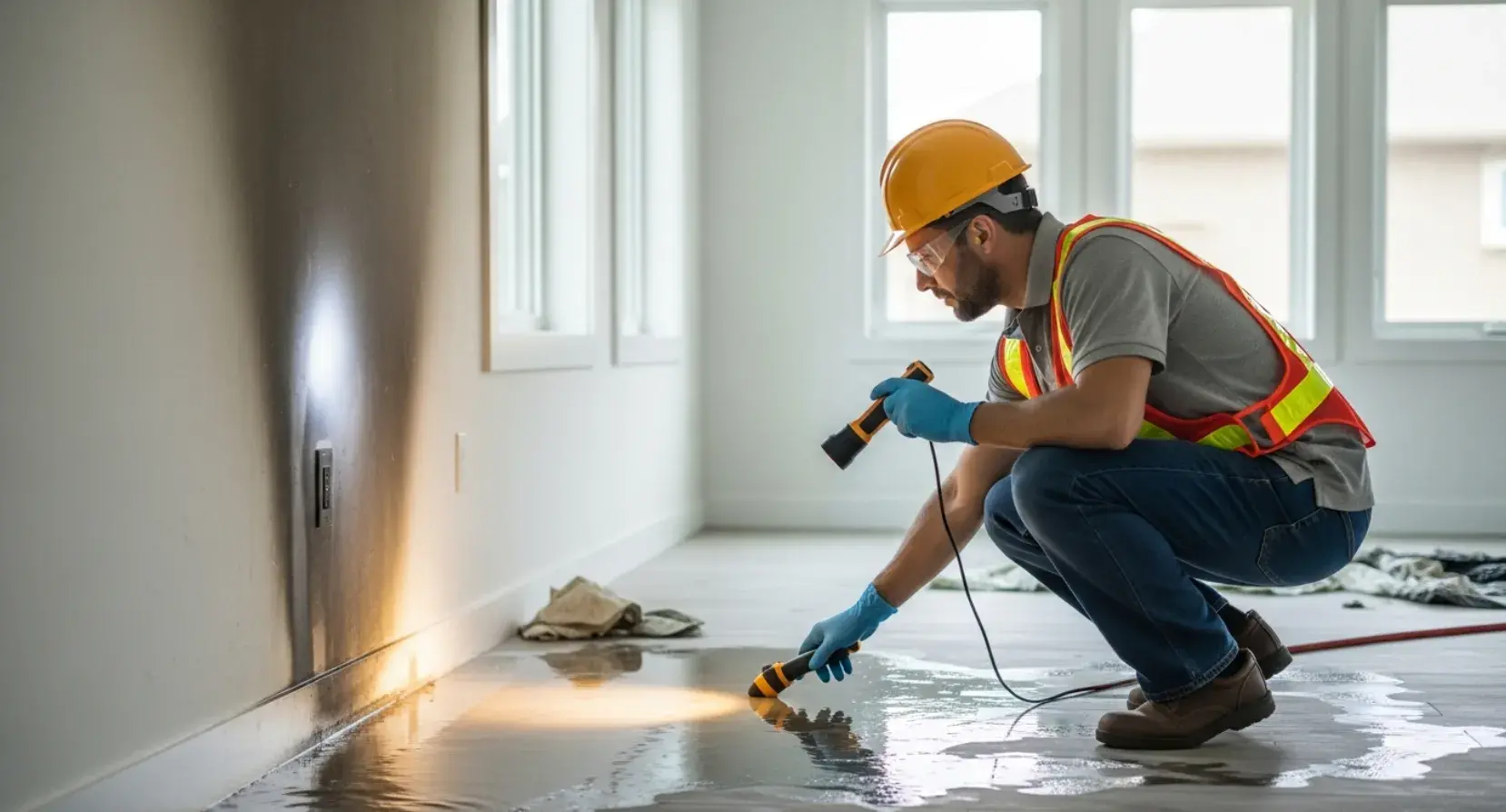
Once professionals arrive at the property, the pace of the emergency shifts. Homeowners often describe this moment as the first time they finally feel a sense of control returning. The restoration team begins with a rapid assessment, identifying hazards, measuring moisture levels, inspecting structural integrity, and determining which areas need immediate stabilization. This quick but thorough evaluation shapes the plan for the rest of the response.
From there, specialists secure the property by shutting down unsafe utilities, performing emergency board-ups, extracting water, removing debris, reducing environmental hazards, and preventing additional damage. Whether the emergency involves fire, water, mold, or structural dangers, teams work systematically to restore safety. Their experience ensures that no hidden risks are overlooked and that every action taken is purposeful, efficient, and aligned with industry standards.
Restoring Calm and Stability After a Disaster
The emotional weight of a disaster lingers long after the event itself. Homeowners often feel shaken, vulnerable, or unsure about returning to their normal routines. But as the emergency response progresses—as the home becomes safer, cleaner, and more stable—those feelings begin to shift. Clarity replaces panic. Confidence replaces fear. The home starts to feel familiar again, even if repairs are still underway.
This emotional recovery is just as important as the physical repairs. When homeowners understand the process and see progress unfold step by step, they regain their sense of certainty. With a trusted partner like Yostin Water Damage & Restoration Inc guiding the response, families in Reseda know they're not facing the aftermath alone. They're supported, protected, and reassured from the first moments of crisis to the final stages of restoration.